








Introduction:When brewing with a moka pot, choosing the right coffee beans is key to elevating the flavor profile. Whether you enjoy the aroma of pure black coffee, prefer making rich milk coffee, or want to try the refreshing taste of iced coffee, your choice of beans will greatly affect the final result. This article will help you find the best moka pot coffee bean recommendations tailored to your taste, from bean variety characteristics, roast levels, equipment operation, to drinking scenarios—ensuring every cup is full of crema and layered complexity.
Whether moka pot-extracted coffee can deliver rich crema and a full-bodied taste is closely related to the coffee beans you choose. However, the requirements for beans differ significantly between black coffee and milk coffee: black coffee emphasizes clear aroma and natural sweetness that can stand on its own, while milk coffee needs sufficient intensity and a rich texture, maintaining a distinct coffee flavor profile even when milk is added. Therefore, it's recommended to first clarify whether you mainly drink black coffee or milk-based drinks, then choose the corresponding bean style accordingly. This will help you more accurately find your ideal choice.
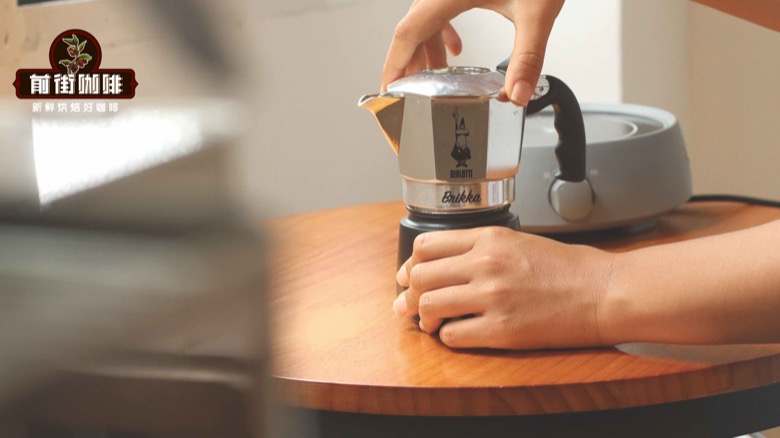
The moka pot is a brewing device that uses steam pressure, and it’s much simpler to operate than a professional espresso machine. You only need to evenly fill the coffee grounds into the filter basket—no need to tamp them down forcefully like with an espresso machine. It’s suggested to use a grind slightly coarser than espresso grind to avoid over-extraction, which can lead to bitterness. When adding water, follow the scale lines marked on the pot body or keep the water level below the safety valve. Keep the amount of coffee grounds consistent without frequent changes. For heating, use low heat. Once you notice the coffee begins to flow out steadily and the color gradually lightens, it’s time to turn off the heat promptly. This helps reduce burnt bitterness and over-extracted flavors caused by high temperatures.

If you want to pick beans suitable for use with a moka pot that can also extract coffee rich in crema, consider several aspects: your preferred flavor profile, the characteristics of the equipment you use daily, the temperature setting during drinking, and how often you drink coffee each day. For the difference between black coffee and milk coffee, it’s recommended to first confirm which qualities matter most to you—such as low acidity, full body, or aroma expression—and then gradually narrow down your selection based on other factors. This approach not only preserves your personal taste preferences but also allows the beans to showcase their inherent characteristics during actual extraction.
For example, some origin beans are naturally suited for users seeking balance. Take the Bird of Paradise from Papua New Guinea—it has a clean, rounded flavor profile with a gentle sweetness, and its overall performance is similar to the Blue Mountain style, making it ideal for those who prefer coffee with low acidity and a smooth mouthfeel. Meanwhile, Indonesia’s Golden Mandheling stands out with herbal notes, dark chocolate, and a full-bodied taste, featuring low acidity, making it a solid choice for dark roast lovers and frequent users of moka pots or drip coffee machines. As for the beans from Brazil’s Queen Estate, they exhibit sweet aromas of nuts, cocoa, and caramel with soft acidity. They maintain a consistently rounded mouthfeel whether brewed via pour over, espresso, or moka pot.
Beyond flavor direction, the roast date and storage condition of the beans also directly impact the final extraction performance. It’s recommended to keep coffee beans well-sealed after opening and store them in a cool, dry place. Purchase according to your daily consumption to help you observe the beans’ flavor changes in real time. Before each brew, you can first smell the dry fragrance, then taste the sweetness and aftertaste upon drinking. If you find the aroma lacking, it may be due to too coarse a grind or beans being stored for too long. Additionally, the same beans may perform very differently in hot drinks, iced drinks, or when mixed with milk. It’s advisable to record extraction results under different parameters, as this can usually help you more quickly identify the combination that suits your drinking habits.
Additionally, you can separate your considerations into “preferred flavor types” and “acceptable extraction difficulty.” Generally speaking, beans with prominent floral and fruity profiles often require more precise control over water temperature, grind size, and pouring rhythm. In contrast, nut and cocoa-toned blends are better suited for everyday use where stable output is desired. If multiple people share the coffee equipment at home, you might prioritize selecting a balanced, neutral-flavored bean as a base option, then pick single-origin beans separately based on personal preference for variety. This makes it easier to compare and experience different flavors compared to buying several beans of similar styles all at once.
In practical operation, you can first adjust the powder-to-water ratio based on the pot’s capacity, with a leveled coffee bed serving as a suitable benchmark. If you find the brewed coffee tastes overly bitter, you can first try reducing the heat, turning off the heat earlier, or slightly adjusting the grind to be coarser. If the flavor is too weak, you’ll need to check again whether the coffee amount is sufficient and whether the pot’s sealing ring is functioning properly.
Finally, if the equipment you use, your drinking habits, or flavor preferences often change, it’s recommended to categorize your beans into “daily reliable beans” and “exploratory trial beans”: one type ensures consistent and dependable results, while the other lets you experience surprises brought by different fruit notes, nut tones, or special processing methods. Only by actually using the coffee beans in your daily drinks can you truly determine whether they suit your taste and lifestyle.
The above content is compiled by CoffeeHunters, a coffee news website.

