







Introduction:To brew a cup of coffee with clear flavors and rich layers using a moka pot, selecting coffee beans with the right roast level is crucial. This article delves into the impact of light, medium, and dark roasts on extraction, and provides detailed step-by-step instructions and practical tips to help you master heat control, coffee-to-water ratio, and the right moment to remove from heat. It also recommends several classic beans well-suited for moka pot brewing. Whether you're a beginner or already have some experience, you’ll find secrets to elevating your coffee’s flavor here.
The roast level of coffee beans directly determines its flavor profile and the brewing methods it suits. Generally speaking,Light Roastcan retain more floral and fruity aromas along with bright acidity, making it ideal for those who prefer a refreshing taste;Medium Roastoffers a more balanced sweetness and moderate acidity, suiting most everyday drinkers; whileDark Roastoften features intense flavors of nuts, cocoa, or dark chocolate, with a full body and long-lasting aftertaste. These flavor differences are not absolutely good or bad—the key lies in whether they match your personal taste preferences.
The moka pot is a brewing device that uses steam pressure for extraction, and compared to an espresso machine, it is simpler to operate. When filling the coffee grounds, just evenly fill the filter basket,without needing to tamp it down forcefully as with an espresso machine. It’s recommended to use a grind size slightly coarser than espresso to avoid over-extraction that can lead to bitterness. The water volume should be adjusted according to the scale lines on the pot or kept just below the safety valve—maintaining a consistent coffee-to-water ratio is one of the keys.
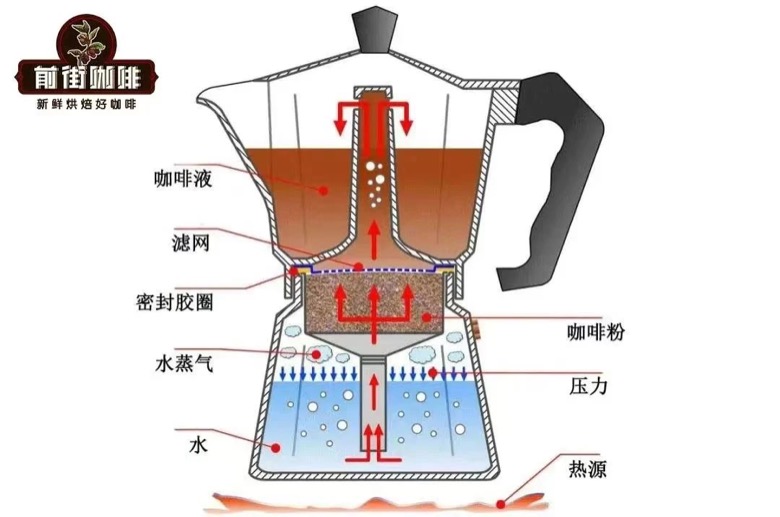
When using a moka pot, it’s advisable to uselow heat. As soon as you see the coffee begin to flow continuously and its color gradually lightens, you should immediately remove it from the heat. This prevents excessive heat that can cause burnt, bitter notes and helps preserve more delicate flavor layers. While brewing, pay attention to the flow rate and color changes—these are important indicators for determining when to stop heating.
When choosing suitable coffee beans, it’s recommended to consider factors such as "flavor preference," "commonly used brewing devices," "daily drinking frequency," and "drinking temperature," rather than focusing solely on roast level. Selecting based on your own needs allows each bean to showcase its inherent characteristics. For example, if you prefer a refreshing taste with bright acidity, you might prioritize a light roast; if you love a bold, full-bodied coffee with caramel and chocolate notes, then a dark roast may be more to your liking.
There are several classic beans on the market that are well-suited for moka pot brewing. For example, the Bird of Paradise from Papua New Guinea offersa clean, rounded profile with soft sweetness, with a flavor profile close to the Blue Mountain system, making it very suitable for those seeking low acidity and balance. Meanwhile, Indonesia’s Golden Mandheling showcases strong herbal, dark chocolate, and full-bodied flavors with low acidity, making it an excellent choice for dark roast lovers and for pairing with moka pot or Americano brewing. Additionally, beans from Brazil’s Queen Estate are known for their nutty, cocoa, and caramel sweetness with gentle acidity, maintaining a consistently smooth mouthfeel whether brewed via pour over, espresso, or moka pot.
Beyond flavor, the roast date and storage method of coffee beans also greatly affect their extraction performance. It is recommended to use opened beans as soon as possible and store them ina cool, dry, and airtight environment, avoiding direct sunlight and moisture. Fresh beans usually bring out richer aromas and layered flavors. Before brewing, try smelling the dry fragrance, then tasting the flavor, sweetness, and aftertaste—it helps you better understand the state of the beans.
In practice, if you find the coffee lacking in aroma, it could be due to overly coarse grinding, too high heat, or beans that have been stored for too long. For the same beans, you can also try different serving styles such as hot, iced, or with milk to experience how they perform at different temperatures. Keeping a record of each session’s parameters and sensations can help you more quickly find your own "perfect cup."
If you live with multiple people who have different preferences, it’s a good idea to choose a bean with a more balanced flavor as your everyday base, and pair it with other specialty beans for exploration. This way, you can not only maintain stable brew quality but also gradually uncover the nuances of different flavors—often yielding better results than buying multiple beans of similar styles at once.
Finally, when adjusting extraction parameters, it’s recommended to first decide the coffee-to-water ratio based on the pot’s capacity, filling the coffee layer to just level. If the taste is too bitter, you can first try reducing the heat, removing from heat earlier, or slightly adjusting the grind size coarser. If the flavor feels too light, check whether there is enough coffee, or if there are issues like a leaking seal. Through these subtle adjustments, you’ll gradually master the optimal extraction state with your moka pot.
The above content is compiled by CoffeeHunters, a coffee news website.

