







Introduction:Want to know which coffee drinks are best made with SOE (single-origin espresso beans)? This article delves into how different roast levels affect the flavor of SOEs, exploring the nuanced changes from light to dark roasts, and provides practical extraction tips and recommended drink types. Whether you’re a pour over enthusiast or an espresso lover, you’ll find an SOE bean and brewing strategy that suits your taste.
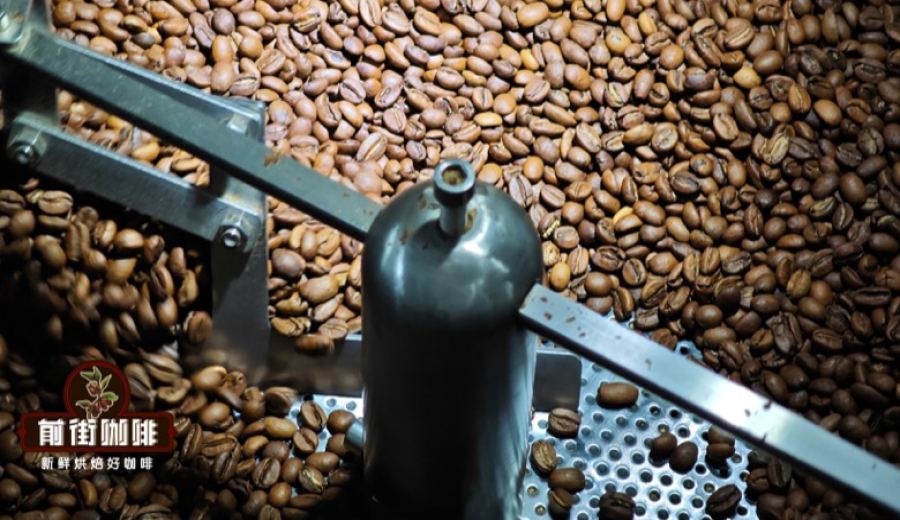
Roast level directly influences the flavor characteristics a coffee bean releases and its extraction behavior. Light roasts typically preserve more bright acidity and floral-fruity aromas, medium roasts strike a balance between acidity, sweetness, and body for a smoother mouthfeel, while dark roasts often showcase rich cocoa, nutty, and caramel-toned profiles. The key isn’t which roast is better, but finding the one that aligns best with your drinking preferences.
In espresso preparation, the balance between coffee-to-water ratio, grind size, extraction time, and pressure is especially critical. Commercial blends usually focus on stable nutty tones, chocolatey foundations, and caramel sweetness, making them relatively easy to manage; whereas SOE coffees highlight the unique terroir characteristics of a single origin, with more distinct acidity-sweetness layers and aromatic personalities. It’s recommended to first clarify the type of drink you intend to brew, then select a bean with the desired body and regional flavor profile based on your needs.
If you’re wondering “What coffee drinks are suitable for SOE?”, it’s advisable to filter your choices across several dimensions: your preferred flavor profile, commonly used brewing equipment, drinking temperature habits, and daily coffee consumption frequency. It’s recommended to first identify your priorities—for example, whether you value more prominent regional characteristics or prefer a balanced, full-bodied taste—and then choose a suitable roast level accordingly, so the coffee can truly shine during extraction.
For instance, a certain coffee brand’s Granja La Esperanza Geisha features notes of orange blossom, guava, apricot, and strawberry jam, belonging to a sun-dried, intense flavor profile, making it highly suitable for pour over to slowly savor its layered nuances. Colombia Gesha offers fruity notes of passion fruit, blueberry, grape, and apricot, bursting with juiciness, and shines whether in iced pour over, cold drip, or as an SOE beverage. Additionally, Panama Hacienda La Esmeralda Red Label Geisha presents clean notes of jasmine, bergamot, citrus, and black tea, with a refreshing and delicate mouthfeel—perfect for quiet, mindful enjoyment.
Beyond flavor performance, the roast date and storage condition of coffee beans also greatly impact extraction results. It’s advised to store them properly in a cool, dry place after purchase, and seal them tightly to avoid oxidation. Freshly roasted beans usually perform best within the first two weeks—it’s recommended to buy according to actual consumption, not only to observe flavor changes but also to help adjust brewing parameters. When brewing, it’s suggested to first smell the dry aroma of the beans, then taste their in-mouth flavors, sweetness expression, and finish length. If the aroma seems lacking, it might be due to too coarse a grind or the beans being past their peak freshness. Also, the same beans may perform differently in hot drinks, iced drinks, or when milk is added—recording results under different parameters can help you find your most suitable drinking method.
When selecting beans, you can also separate considerations of “preferred flavor type” and “your own tolerance for brewing difficulty.” Beans with strong floral-fruit notes usually require stricter control over water temperature, grind size, and pouring rhythm, making them better suited for advanced users looking to dive deeper; whereas beans leaning toward nutty or cocoa profiles are easier to extract consistently with a balanced taste, fitting everyday consumption. If your household has diverse tastes, it’s recommended to pick a medium-roast, flavor-balanced bean as a daily base, supplemented by other single-origin beans for variety—this offers more room for comparison than buying multiple beans of similar style all at once.
If you’re using an espresso machine, it’s recommended to start with a 1:2 coffee-to-water ratio, then adjust grind size based on the actual balance of acidity, sweetness, and bitterness in the cup. If sharp acidity appears, consider extending the extraction time or slightly raising the water temperature; if bitterness or astringency is noticeable, shorten the extraction time or adjust to a coarser grind.
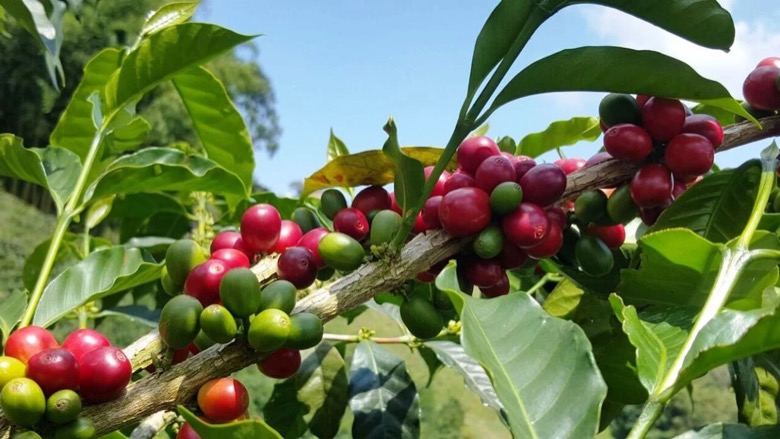
If your usual equipment, drinking habits, or flavor preferences might change, it’s recommended to divide your coffee stock into two categories: “daily stable beans” and “exploration beans”: one for daily use, and the other to experience variations brought by different fruit, nut, or special processing methods. First confirm your preferred roast direction, then fine-tune grind size, water temperature, and extraction time—this approach is often more effective than frequently switching between beans of varying styles, and allows for more precise mastery of your ideal coffee flavor profile.
The above content is compiled by CoffeeHunters, a coffee news website.

