







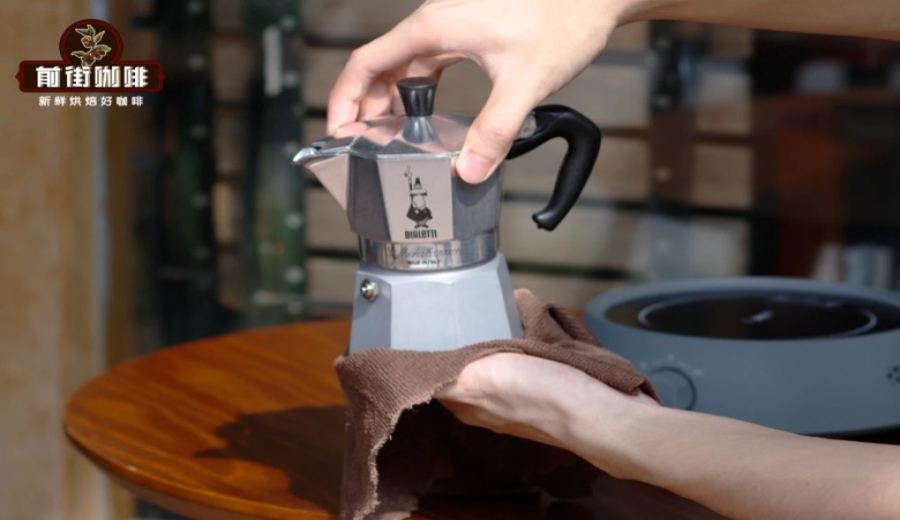
Introduction:Want to brew coffee with a rich flavor and soft acidity using a Moka pot? Choosing the right dark roast beans is key. This article analyzes different flavor profiles based on roast levels and dives into the details of Moka pot operation — including brew ratio, heat control, and extraction timing — to help you select the most suitable dark roast beans according to your personal taste preferences, while mastering practical techniques for consistent results.
Roast level is one of the core factors influencing coffee flavor. It not only changes the aroma profile of the beans but also directly determines their performance during extraction. Light roasts typically preserve more floral and fruity aromas along with bright acidity, medium roasts showcase rich sweetness and overall balance, while dark roasts often bring out intense notes of nuts, cocoa, and a bold mouthfeel, with relatively subdued acidity. These flavor directions are not absolutely good or bad — the key is whether they align with your daily drinking habits and brewing methods.
As a coffee brewing device that utilizes steam pressure, the Moka pot differs in operation from an espresso machine. Simply fill the coffee grounds evenly into the filter basket without the need to tamp them down firmly as you would with an espresso machine. It’s recommended to use a grind size slightly coarser than what you’d use for espresso. The water volume should be controlled according to the safety markings or the lower edge of the safety valve on the pot. Maintaining a consistent amount of coffee helps achieve uniform flavor. When heating, it’s best to use low heat. Once you notice the coffee begins to flow continuously and the color gradually lightens, you should immediately turn off the heat — this helps avoid over-extraction, which can lead to bitterness and burnt flavors.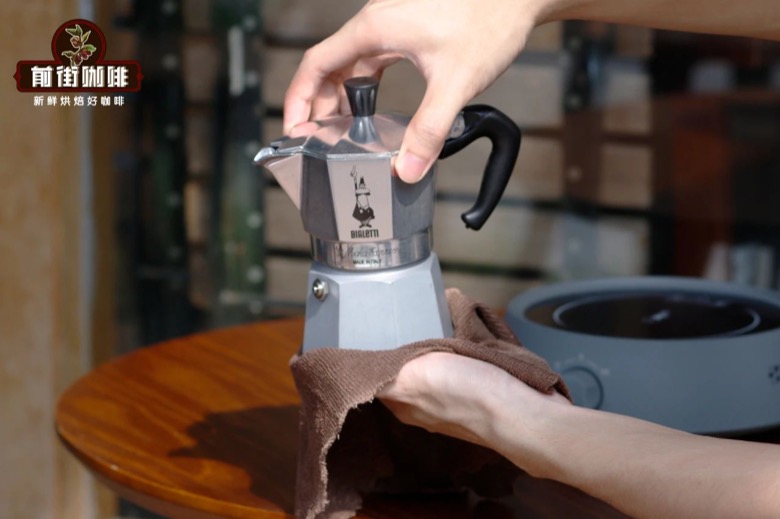
If you particularly prefer “low-acidity Moka pot beans with a strong dark roast character,” you can start your selection by considering several aspects: the flavor types you enjoy, the brewing devices you use daily, your temperature preference for drinking either at room temperature or heated, and how often you drink coffee each day. It’s recommended to first clarify what matters most to you — for example, whether you prefer a bold and rich taste or a smoother and milder one. Then, based on that priority, filter your choices according to other criteria. This way, you can not only preserve your personal taste preferences but also allow the beans to showcase their most distinctive characteristics during actual extraction.
For example, the PWN Indonesian Golden Mandheling produced by a certain brand has a herbal-leaning flavor profile, with distinct notes of dark chocolate and a bold mouthfeel, and extremely low acidity. It’s very suitable for dark roast enthusiasts and performs consistently with a rich profile whether used in a Moka pot or for making Americano. Another option, the Brazilian Queen Estate beans, offers a mellow flavor of nuts, cocoa, and caramel sweetness with soft acidity. It maintains a round and balanced mouthfeel whether brewed using pour over, espresso, or a Moka pot. If you’re looking for an all-day blend with a well-rounded flavor profile, the brand’s classic blend is a great choice. Its flavor is dominated by notes of nuts, cocoa, and caramel, with outstanding richness and body. It works well with espresso machines, Moka pots, and is also a great option for making milk-based coffee drinks.
Besides flavor performance, the roast date of the beans and how they are stored can also greatly affect the final extraction results. It’s recommended to keep coffee beans sealed as much as possible after opening, store them in a cool and dry place, and purchase according to your actual consumption to help you observe flavor changes in a timely manner. During actual brewing, you can first smell the dry aroma, then taste the sweetness and aftertaste. If you find the aroma lacking, it could be due to too coarse a grind or the beans being stored for too long. In addition, the same beans may perform differently when used for hot drinks, iced coffee, or milk coffee. It’s recommended to try multiple times and record parameters to gradually find the brewing method that suits you best.
For those who are new to using a Moka pot or just getting into dark roast coffee, you might also consider separating “preferred flavor types” from “ease of operation.” Typically, beans with prominent floral and fruity notes require more precision in terms of water temperature, grind size, and pouring rhythm, whereas blends dominated by nuts and cocoa are easier to brew consistently and are better suited for daily use. If there are multiple people in your household with different taste preferences, you might start with a balanced, neutral bean as a base option, then gradually explore other styles based on personal likes. This approach allows for clearer comparisons compared to buying multiple beans with similar flavor profiles all at once.
In practical operation, you can first adjust the brew ratio according to the capacity of the Moka pot. After filling the coffee layer, simply level it gently. If you find the brewed coffee tastes overly bitter or astringent, it’s recommended to first reduce the heat, turn off the heat earlier, or slightly coarsen the grind size. Conversely, if the flavor is too light, check whether the coffee dose is sufficient and whether the filter basket’s gasket is functioning properly.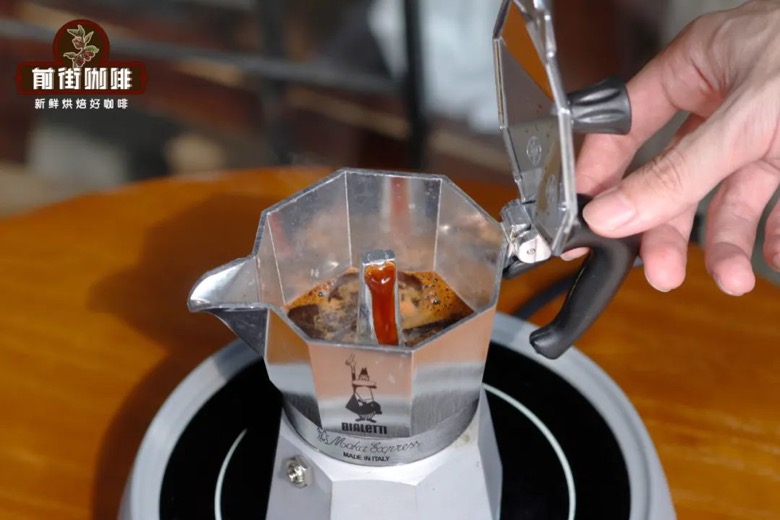
If the equipment you normally use, your drinking habits, or taste preferences may change, you can also consider dividing your beans into two categories: “daily stable blends” and “exploratory variety beans.” One type can provide consistent and reliable results, while the other allows you to experience different flavors — such as floral and fruity notes, nutty tones, or unique processing methods. Once you’ve identified your preferred roast direction, fine-tuning the grind size, water temperature, and extraction time will often allow you to achieve your ideal cup profile more precisely than frequently switching beans.
The above content is compiled by CoffeeHunters, a coffee news website.

