







Introduction:Micro-lot coffee is highly favored by coffee enthusiasts for its limited production and unique flavors. But what exactly is a micro-lot? Why does it leave such a lasting impression? This article delves into the origins of micro-lot coffee, its regional characteristics, and flavor variations, and offers practical advice to help you go from a beginner to someone who can select the perfect micro-lot beans for yourself—experiencing a whole new world of coffee.
In the world of specialty coffee, the term “micro-lot” always sparks curiosity and anticipation among coffee lovers. A micro-lot refers to a small quantity of coffee beans sourced from a specific, limited cultivation area or a single processing batch, often producing just a few dozen bags—or even fewer. These beans may come from a particular section of a coffee farm with a specific orientation or from a small batch of green beans processed in a single fermentation tank at a processing station. Due to the limited quantity, once a season’s supply sells out, you often have to wait until the next year to taste that same flavor again. This sense of “limited availability” and “uniqueness” is exactly what makes micro-lots so memorable.
The essence of micro-lots lies in showcasing terroir differences with greater precision. Even within the same mountainous region, variations in temperature, sunlight exposure, and subtle differences in soil composition between the foot and the peak of the mountain can all influence the final flavor of the coffee. By harvesting and processing small, similarly conditioned sections separately, each plot of land’s unique flavor characteristics can be preserved, avoiding dilution that occurs when beans are blended on a large scale. You could say that drinking micro-lot coffee is like experiencing the sunlight, rainfall, and soil of a specific coordinate. This is also why its price is often higher—the production cost is distributed across a smaller yield.
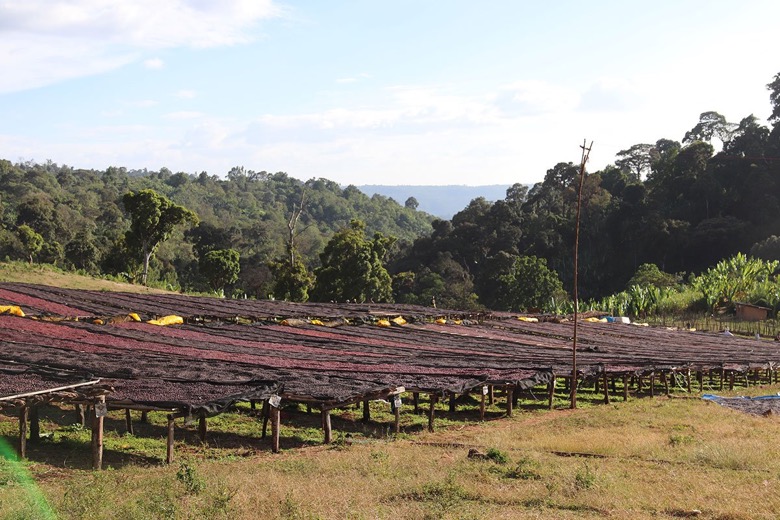
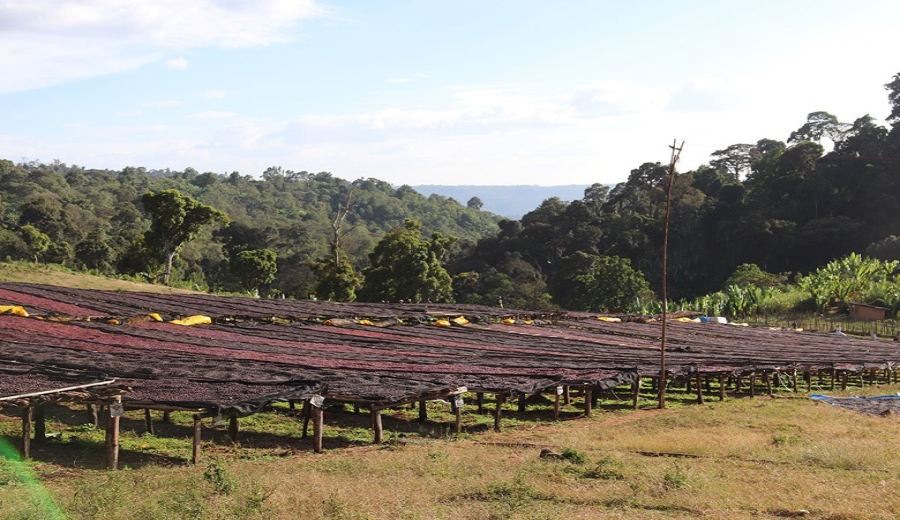
Take Ethiopia, for example, the birthplace of coffee, which has an extremely detailed regional classification. Many micro-lot coffees come from specific plots with unique altitudes and microclimates. For instance, the Hambela region used by a certain brand’s Huikui offering is one of the areas famous for its small-batch production. Through the natural sun-drying process, the rich fruity aromas unique to each plot are highlighted even more. Even within the same coffee offering list, flavor profiles may vary significantly between different batches, and this diversity is precisely what attracts many seasoned coffee drinkers. Additionally, some small cooperatives, such as Gedeo Zone’s Gotiti, are jointly operated by local smallholder farmers. Each farmer may own only a few hundred coffee trees, and the green beans are collected in batches at the processing station. Through the cooperative model, these smallholders’ specialty beans can also be presented to consumers as micro-lots.
On the other hand, micro-lots from a single estate offer another level of stability and predictability. For example, some well-known Brazilian estates have long been planting specific varieties like Yellow Bourbon and using consistent processing methods such as sun-drying, resulting in coffee beans with highly consistent flavor profiles year after year—such as the familiar combination of nutty and creamy chocolate notes. This kind of “personality-laced stability” allows single-estate micro-lots to strike an excellent balance between “limited rarity” and “daily enjoyment.” They possess distinctive batch traits while also being suitable for long-term consumption.
However, enjoying micro-lot coffee also requires adjusting your mindset. First, the flavor profile of different batches may fluctuate, which is a natural result of varying terroir. Even if the beans come from the same region or estate, annual climate differences can still affect the final flavor. As a result, the flavor descriptions may vary slightly from year to year, reflecting the coffee’s natural and authentic nature. Second, due to the limited production, restocking is often inconsistent. If you particularly enjoy a certain batch, it’s recommended to savor it while it’s fresh or store a moderate amount to avoid missing out. Focusing on the story and flavor characteristics of that specific batch will make the tasting experience more layered and enjoyable.
For beginners exploring micro-lot coffee, it is advisable to start with batches endorsed by reputable brands or green bean suppliers. These beans are usually clearly labeled on the offering list with details about the region, processing method, and batch number, offering higher traceability and indicating more careful selection and processing. By tasting several micro-lots with different flavor styles, you can gradually develop a keener sensitivity to flavor variations. From there, you can further explore more niche and region-specific micro-lots, allowing you to deeply appreciate the diverse faces of coffee. Limited availability and rarity are not the sole values of micro-lot coffee. What truly captivates is how it leads us to savor coffee from different perspectives, exploring the stories and terroirs behind each batch—and that is the real joy of tasting micro-lot coffee.
The above content is compiled by CoffeeHunters, a coffee news website.

