








Introduction:The richness of coffee crema is actually closely related to freshness. Did you know? The key factor affecting the thickness of crema is the carbon dioxide left after roasting. This article delves into the resting period for espresso beans, teaching you how to determine the optimal extraction time based on the roast date, and sharing resting recommendations for different bean varieties — helping you easily pull out a delicate, smooth, and thick layer of crema, enhancing the flavor profile of every cup.
Many coffee enthusiasts, when selecting espresso beans, often focus on roast level and bean variety, yet overlook the core element that truly impacts crema performance — carbon dioxide. The captivating layer of crema on an espresso shot, with its fine bubbles, all originates from the gases accumulated inside the beans during roasting. Once the beans leave the roaster, they begin continuously releasing gas, and the amount of gas directly determines the final richness of the crema. In other words, even the highest-quality dark roast beans can struggle to produce a full-bodied, solid crema if stored for too long. Therefore, freshness management is the key to making your coffee “release oil.”
Freshly roasted beans are actually not yet at their best. Within the first three to five days after roasting, the beans are still in a high degassing phase. If you attempt extraction too early, the overly active gases can easily cause channeling, resulting in crema that may look rich but has coarse and loose bubbles, and the taste can come across as sharp and astringent. After four to ten days of resting, gas release gradually stabilizes. At this point, the gas volume is just right to support a delicate and smooth layer of crema — this golden window is when espresso beans show their best flavor.

There are several simple and practical ways to judge the freshness of coffee beans. While checking the aroma of beans through one-way valve packaging is common, a more reliable method is to directly check the roast date printed on the package and use it as an important reference when purchasing. If the roast date is too recent, it’s advisable to let the beans rest for a few days before brewing. But once the beans are over a month old, not only will the crema be noticeably thinner, but its color will also darken — by then, it’s hard to expect a thick and rich crema. It’s recommended to adopt a small-batch, frequent-purchase strategy, buying about half a pound at a time and consuming it within three weeks, ensuring each cup of coffee is at the golden stage of full crema.
Different types of beans also vary in their required resting times. For example, a certain brand’s Brazilian Cerrado — a low-acid bean with nutty notes — after about five days of resting, the crema will stabilize. The deep brown crema offers a sweet sensation akin to cane sugar, and whether you’re making espresso or milk coffee, it delivers a solid mouthfeel. A certain brand’s Colombian Huila, due to its balanced flavor, reaches both ideal flavor and crema performance after about a week of resting, presenting a golden and delicate cup texture with soft and harmonious acidity and sweetness layers. As for a certain brand’s Yunnan sun-dried beans, due to their abundant gases, the crema is dark in color and thick in texture — a highly cost-effective choice for rich crema, with a recommended resting period of a few days up to two weeks.
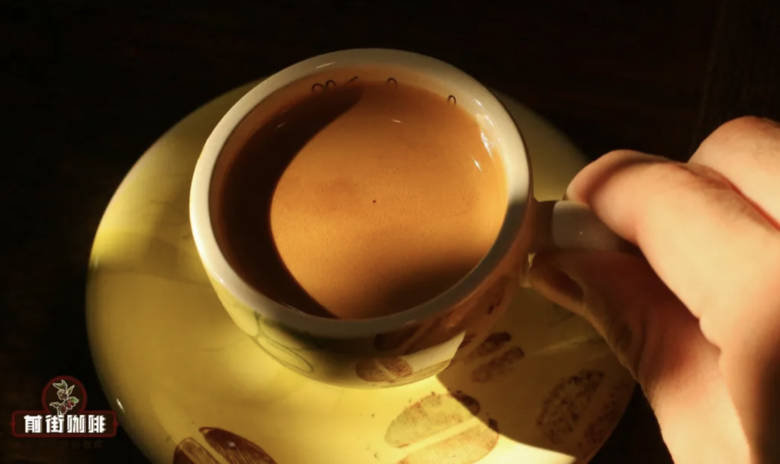
It’s important to note that the grinding process accelerates gas loss, so grinding fresh and brewing immediately is especially crucial. If ground coffee is left for half an hour, the crema performance will noticeably decline. In addition, details such as even tamping and stable water temperature — when paired with appropriate resting periods — will naturally result in a thick and smooth crema.
Make freshness a fixed evaluation criterion when selecting beans — from paying attention to the roast date when purchasing, to tracking the number of days of resting after arrival — gradually mastering each bean’s optimal oil-release timing. Stick to this method, and you’ll find that even the same bean can yield a richer and thicker layer of crema than before. This improvement is more direct and noticeable than switching out any equipment.
The above content is compiled by CoffeeHunters, a coffee news website.

