







Introduction:Opening a coffee shop, the choice and upgrade of base beans is key to long-term success. This article breaks down the five-stage evolution logic of commercial base beans—from chain-style dark roasts to specialty blends—analyzing how each stage adjusts roast levels and flavor profiles according to customer needs. It also supplements practical details on running dual base systems, helping shops upgrade steadily without losing their core clientele.
After running a coffee shop for a while, looking back at the base beans used often reveals a clear evolutionary trajectory aligned with the shop’s growth. Most novice entrepreneurs start with the dark roast blends commonly found in chains, but after a year or two of operation, the beans behind the bar gradually shift toward medium roasts or specialty blends. This shift isn’t merely a change in taste preference but an adjustment to the evolving roles and challenges the base beans must address as the shop moves through different development stages. Understanding this path enables smoother, more practical upgrades.
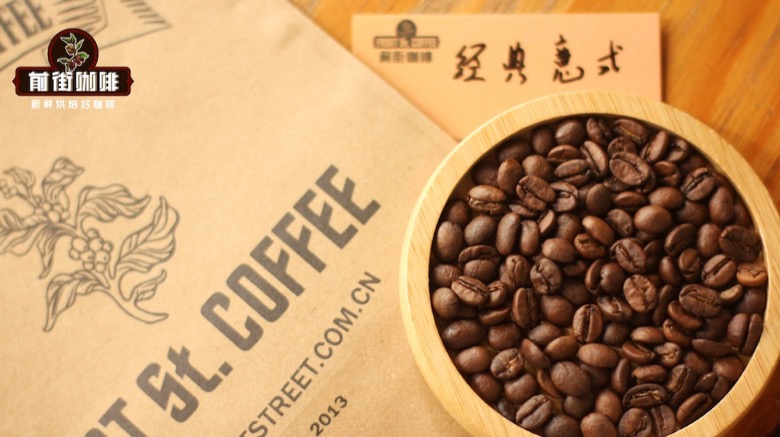
In the initial startup phase, a chain-style dark roast blend is the most reliable choice. When a new shop first opens, the customer base hasn’t been established yet, so the primary task of the base bean is to get the general public to accept “this is what coffee is supposed to taste like.” The caramel sweetness, full body, and rich crema unique to dark roast blends are especially suited for milk-based drinks like lattes, meeting average consumers’ basic expectations of “coffee flavor.” There’s no need to rush into specialty beans at this stage—the stability of a dark roast foundation is what matters most. It helps retain customers and sets the standard for product quality. Classic dark roast recipes, for example, are specifically designed to meet the stability demands of the startup phase.
As the shop’s operations stabilize and regular customers begin to return, flavor fatigue can emerge—patrons might feel “the coffee tastes the same every day.” At this point, subtly adjusting the roast level of the base beans toward medium by half a step is a reasonable upgrade strategy. Medium-roast beans retain the foundational flavor profile of nuts and caramel but gradually reveal layers of sweetness and acidity, elevating the output from “stable” to “memorable.” The challenge at this stage isn’t just making better-tasting coffee but also considering the “flavor-to-cost ratio”—beans that increase the cost per cup by just a few cents but significantly boost repeat purchase rates. Though the accounting cost may seem higher, it’s actually more economical in practice. For example, a medium-dark roast specialty blend (combining Brazilian Cerrado and Colombian Huila beans) is an ideal choice for this transitional phase.
As the shop progresses further, if its positioning shifts toward specialty coffee and the customer base already has a basic understanding of coffee flavors, the base beans can be adjusted toward more distinctive directions. At this stage, blends are no longer just about stability but need a memorable flavor signature—such as the deep bitterness of dark cocoa or the sweet fruitiness of strawberry candy. These flavor anchors help customers form strong associations, like “this shop’s latte has a uniquely rich dark cocoa taste.” For this advanced stage, there are many blends on the market with bold flavor labels, such as dark cocoa blends or strawberry candy blends, which effectively help shops establish a differentiated identity.
By the mature operational stage, most successful shops adopt a dual-base strategy. This typically involves using one stable blend as the mainstay for daily service while pairing it with a single-origin bean (SOE) that performs exceptionally well for the season as a signature offering. The blend ensures consistency and stability, ideal for high-volume periods, while the SOE showcases the unique flavors of the seasonal origin, serving as a menu highlight to attract customers with higher flavor expectations. A common combination, for instance, is using a specialty blend as the everyday base alongside a seasonal SOE like Yirgacheffe Guji Dingding, balancing operational stability with the shop’s professionalism and personality.
It’s important to note that the evolution of base beans shouldn’t be rushed. Each stage should last long enough to ensure product quality, barista proficiency, and customer acceptance are all stable before considering further upgrades. Jumping hastily from dark roast blends straight to SOEs risks not only outpacing equipment and technical capabilities but also damaging hard-earned reputation due to flavor disparities. Thus, the pace of base bean evolution matters far more than sheer speed.
In summary, the selection and adjustment of commercial base beans should closely follow the growth trajectory of the shop. Starting with dark roast blends that cater to broad palates, gradually transitioning to medium roasts and specialty blends, and ultimately developing into a mature dual-base model—each step lays the foundation for the shop’s future product standards and brand identity. Only by growing the base beans alongside the shop can long-term stability and innovation be ensured.
The above content is compiled by CoffeeHunters, a coffee news website.

