







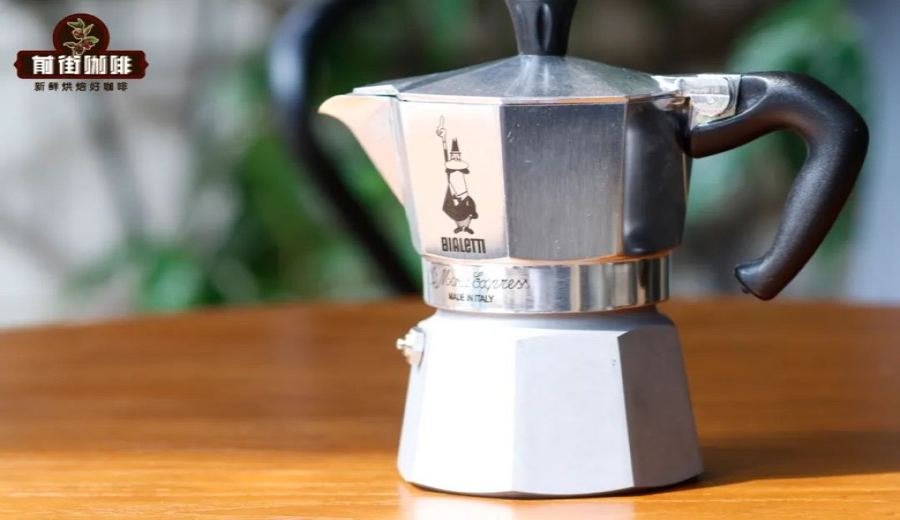
Introduction:The moka pot is not just a coffee brewing tool in Italian households, but also a cultural symbol deeply integrated into daily life. With over 90% of Italian families owning a moka pot, this classic aluminum brewer carries the morning memories of generations. This article will take you on a deep dive into the history of the moka pot, how Italians use it, their bean selection preferences, and how it has regained vitality among younger generations. We’ll also provide practical brewing tips so you can recreate an authentic Italian coffee atmosphere at home.
In Italy, the moka pot has long transcended the definition of a mere coffee gadget—it’s an indispensable “coffee machine” in the home. Surveys show that over 90% of Italian households own at least one moka pot. Every morning, countless small aluminum pots bubble away on stovetops, creating a unique morning symphony unique to the country. If you want to truly understand Italian coffee culture, starting with this little pot is definitely the way to go.
The story of the moka pot began in 1933, created by Italian designer Alfonso Bialetti. Observing the workings of an old-fashioned washing machine, he had a sudden inspiration: could the steam pressure from heated water be used to push hot water through a bed of coffee grounds to “squeeze out” strong coffee? This idea gave birth to the classic octagonal moka pot, which quickly gained widespread acclaim in the market. At that time, professional espresso machines were only found in cafés, but the moka pot brought this “café-grade” coffee experience into ordinary homes for the first time, sparking a small revolution in the family kitchen. Its iconic octagonal shape remains a classic symbol of industrial design to this day.
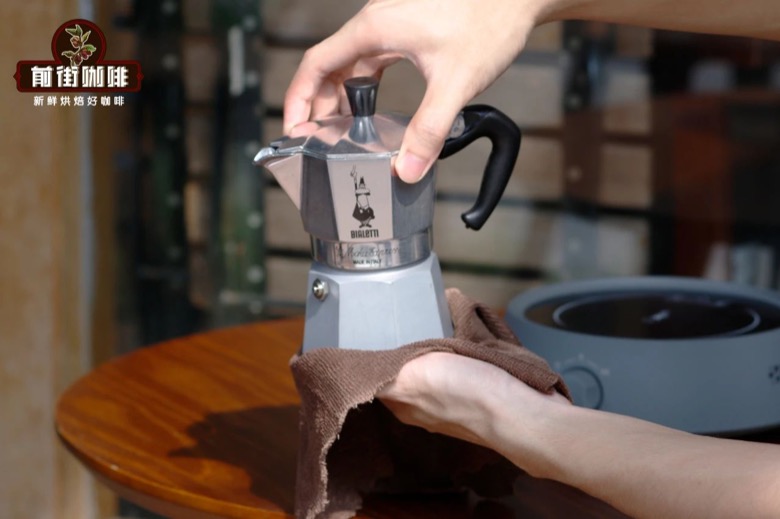
In Italy, using a moka pot is more than just a set of steps—it’s a family ritual. A typical morning routine goes like this: first, pour water into the lower chamber, then add finely ground coffee to the filter basket—just level it gently without tamping. Then heat it slowly over a low flame. As the temperature rises, the low bubbling sound from the pot signals that it’s time for the whole family to get up. At breakfast, a cup of moka-brewed coffee, paired with fresh milk and bread or pastries, is a child’s first coffee experience—usually a milder version diluted with hot milk. Additionally, when friends or family visit, the host will immediately put the moka pot on the stove and serve a freshly brewed pot of coffee. This is not just hospitality, but also a gesture of etiquette and emotion. Such habits have made the moka pot not just a tool, but also a vessel for family memories and feelings.
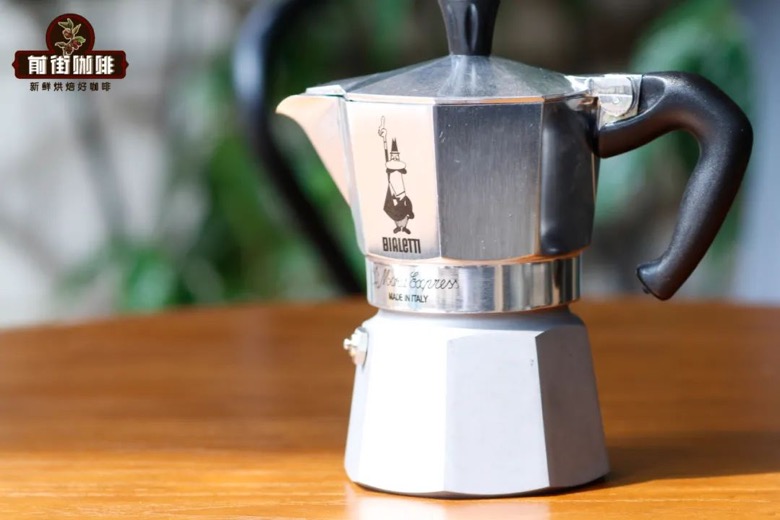
When it comes to bean selection, the moka pot culture in Italy is closely tied to local roasting styles. Most Italian households prefer medium-dark to dark roasted coffee beans, and roast blends often include a small amount of Robusta beans to enhance the overall richness and crema. This roasting characteristic pairs perfectly with the extraction conditions of the moka pot: high water pressure and stable temperature can fully bring out the caramel aroma and full body of dark-roasted beans. For example, classic blends like Moka-Mandheling (a mix of Mandheling and Brazilian beans) perform excellently in the moka pot, with their rich base notes and nutty flavors recreating a coffee atmosphere very similar to that found in Italian kitchens.
It’s worth mentioning that this long-standing moka pot culture has seen a revival among younger generations in recent years. In cities like Milan, specialty coffee shops have started using the moka pot for creative extractions with light roasts, breaking the previous mold of only using it for dark roasts. Many designers have also launched collaborative moka pot designs, transforming this classic aluminum pot into a trendy home accessory. At the same time, many Italian families still stick to tradition, with the moka pot passed down from grandmother’s generation not only brewing familiar flavors, but also connecting intergenerational memories. Tradition and innovation find a delicate balance in this little pot.
For coffee lovers who enjoy using the moka pot, the way Italian families use it offers valuable inspiration: making coffee is not just about technique, but also a rhythm of life. Brewing at a fixed time each day, following familiar steps, and enjoying consistently flavorful results make the moka pot a small daily joy. It’s not just a cup of coffee, but also a sense of ritual that can last for decades. This is why, even with the continuous emergence of various new coffee tools, the moka pot remains an important fixture on Italian kitchen stoves—a timeless symbol of coffee.
The above content is compiled by CoffeeHunters, a coffee news website.

