







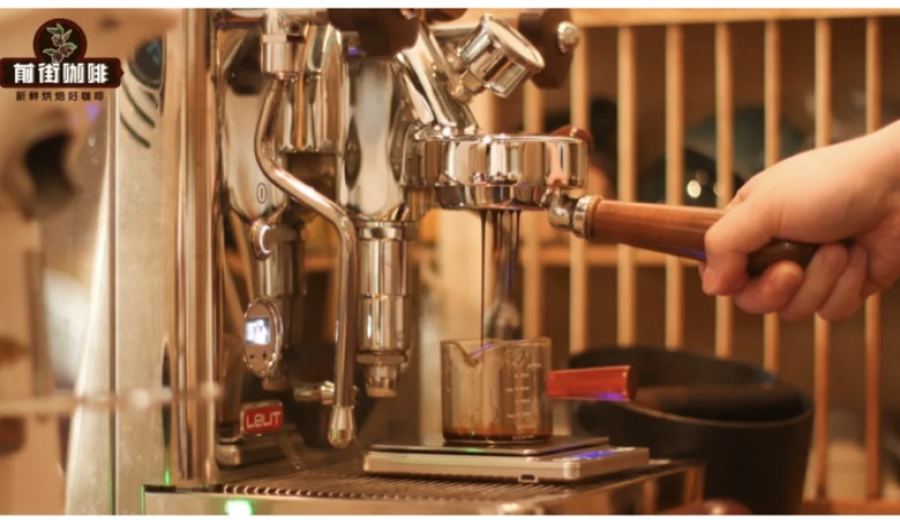
Introduction:The flavor profile of a commercial espresso actually takes shape as early as the bean selection stage at origin. From the perspective of a professional roaster, this article breaks down the sourcing strategy for blended beans—including formula positioning, seasonal scheduling, green bean grade, and roast technique selection—to help café owners better understand blending logic and make more accurate purchasing decisions.
That commercial espresso on the bar that keeps customers coming back actually originates from green beans thousands of kilometers away at origin. Many assume blending is just randomly mixing different roasted beans, but in reality, a professional roaster’s blending strategy is meticulously planned right from the green bean sourcing stage. Understanding this upstream perspective allows café owners to grasp the underlying design logic and flavor drivers when selecting beans.
Every blend begins with a clear formula positioning. Roasters first clarify the target flavor direction: should it aim for balanced taste or highlight distinctive notes? Is it mainly for Americanos or milk-based drinks? What price range does it fall into? Once the positioning is set, subsequent green bean sourcing follows a “role list”—base beans provide overall structure and body, mid-palate beans contribute sweetness and smoothness, while flavor beans are key to creating memorable notes. Take the classic Mocha-Java blend, for example: Mandheling-type beans deliver a bold backbone and unique herbal character, while Brazilian beans offer nutty sweetness and silky texture. Each plays its part, and even slight adjustments in their proportions directly impact the final cup’s flavor.
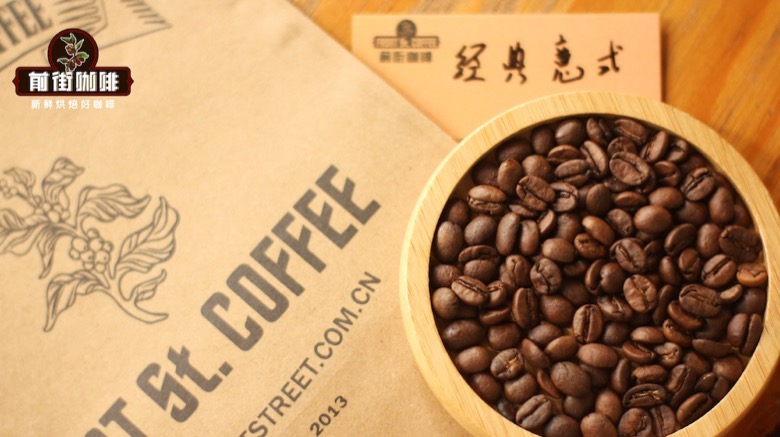
Seasonality is an often-overlooked hidden variable in blend sourcing. Harvest times vary greatly across regions—for instance, Brazil in the northern hemisphere mainly harvests from April to September, Ethiopia from November to January, and Colombia even has two harvests a year. To ensure consistent flavor year-round, roasters must flexibly adjust their supply sources with the changing seasons. A product labeled as beans from a specific origin may actually be a clever combination of beans from different farms and batches. This is why mature roasters maintain uninterrupted batch cupping records in their quality control. When a café owner asks a supplier, “How does your formula adapt to seasonal transitions?” they can quickly gauge the supplier’s professionalism.
The grade of green beans directly determines the cost floor. Commercial blends typically use green beans that fall between commercial and specialty grades, with defect rate, bean density, and moisture content all being key basic thresholds. Beans that are too cheap often have a high defect ratio, and even the best roasting skills can’t fully mask off-flavors; conversely, blindly using auction-grade premium beans makes daily high-volume operations unsustainable. Some experienced roasters adopt a strategy of “adequate grade paired with strict quality control,” allocating the budget to the most critical aspects to ensure cost-effectiveness.
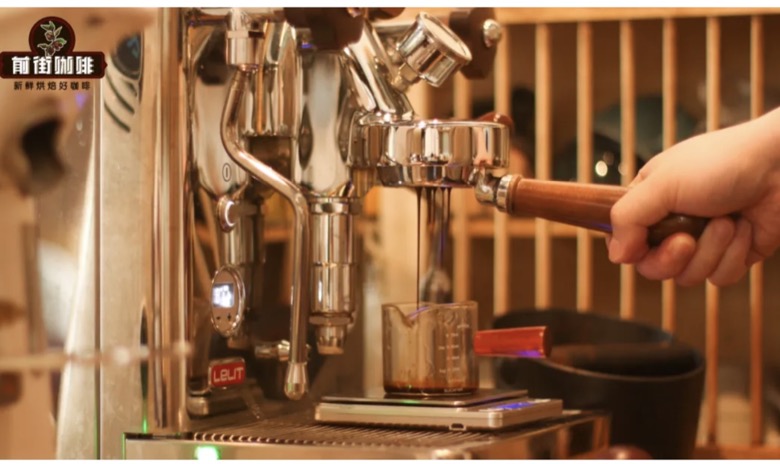
Additionally, blending roasted beans versus blending green beans are two fundamentally different technical approaches. Green bean blending mixes different varieties before roasting, which allows flavors to meld earlier but makes even roasting more challenging; roasted bean blending, on the other hand, involves roasting each variety to its optimal level before mixing, offering greater flexibility—especially suitable for blends emphasizing distinct flavor profiles. For example, recipes centered around a specific flavor, such as those with pronounced strawberry notes, typically use roasted bean blending, where flavor beans are roasted individually to fully express their character before being proportionally blended with base beans.
For café owners, this upstream knowledge translates into three practical purchasing actions: when reviewing a formula sheet, pay more attention to the “role” of each bean variety rather than just the origin name; ask suppliers about their batch quality control processes rather than just comparing prices; and around seasonal transitions, pay special attention to any changes in cup flavor and maintain good communication with the roaster. After all, the quality of base beans is determined from the moment they’re sourced at origin—the bar is just the final stage of presentation.
The above content is compiled by CoffeeHunters, a coffee news website.

