








Introduction:Who says single-origin estate beans are only for pour over? Using a moka pot for high-pressure extraction can reveal rich flavor layers that pour over struggles to deliver. This article tests multiple well-known estate beans—from Brazil Queen to Papua New Guinea Bird of Paradise—to analyze how different roast levels and regional beans perform in a moka pot. We also provide practical advice on bean selection, extraction parameters, and flavor adjustments, helping you explore the depth of specialty coffee with home brewing equipment.
Many people raise an eyebrow the first time they hear about using a moka pot for single-origin estate beans: “Shouldn’t such high-quality beans be savored slowly with pour over?” But if you think differently, the moka pot—arguably the easiest high-concentration extraction tool for home use—can actually showcase estate beans in a way that’s completely distinct from pour over. For this test, we selected several representative estate beans and documented their lesser-known sides through the pressure extraction of a moka pot.
First up is the Brazil Queen estate bean, widely regarded among moka pot enthusiasts as the “friendly” choice. Its low acidity remains stable even under high-temperature extraction, and with the pressure boost from the moka pot, its naturally mild nutty and cocoa aromas become even more intense. The clear caramel sweetness unfolds smoothly on the palate, offering a silky, effortless experience. While it shows a reserved, understated side in pour over, it becomes bold and expressive in the moka pot. It’s truly surprising how the same beans can have such different personalities.
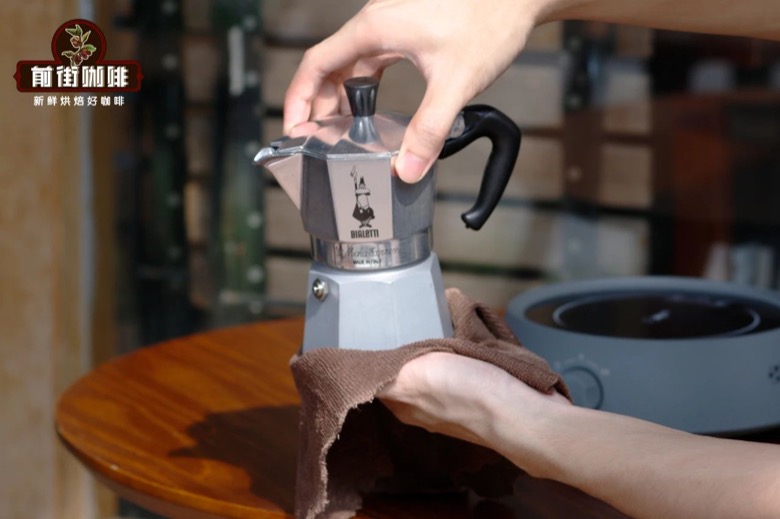
Next is Indonesia’s PWN Golden Mandheling, a dark roast bean that delivers far more impact than expected. The herbal and dark chocolate notes transform under the moka pot’s high-pressure concentration into a robust bitterness and full-bodied richness, with a long, lingering finish—almost like a concentrated black chocolate drink. The brand’s strict quality control—using beans larger than eighteen mesh, G1-grade defect rates, and three rounds of manual sorting—ensures a clean, defect-free profile even under high-pressure extraction. For pour over purists, this one might feel a bit intense, but moka pot enthusiasts will appreciate its bold texture.
The biggest surprise comes from Papua New Guinea Bird of Paradise’s Typica beans, dubbed the “Little Blue Mountain.” Processed with triple washed methods, its cleanliness performs better than expected under the moka pot’s high heat: the taste remains pure, the sweetness concentrated, and the moka pot version delivers a rounded body reminiscent of island beans after espresso extraction. Add a splash of milk, and it even hints at an affordable Blue Mountain milk coffee—a truly impressive performance.
However, not all estate beans are suited for high-pressure moka pot extraction. We tried a light-roast Kenyan bean, but the high heat turned its bright fruity acidity into noticeable astringency and sharp sourness, with an overall loose flavor structure. This confirms a common experience: when using a moka pot to extract estate beans,it’s better to opt for a darker roastrather than too light. Interestingly, Yunnan Typica with a medium-dark roast delivered an unexpected delight—the 2013 Yunnan sun-dried Typica’s citrus and caramel notes, after moka pot extraction, had amplified sweetness with acidity taking a backseat, resulting in a friendly, Chinese-style coffee flavor perfect for everyday drinking.
Based on this test, we can summarize three practical takeaways: First, choose estate beans with low acidity, cleanliness, and medium-dark roasts to better leverage the moka pot’s strengths; second, beans with prominent sweetness will shine even more under pressure extraction—that’s the moka pot’s forte; finally, when switching bean varieties, it’s wise to brew a small test batch first before deciding whether to add milk or adjust the ratio.
Pour over highlights the delicate layers of estate beans, while the moka pot uncovers their potential for rich, bold flavors. Only by alternating between these two methods can you truly appreciate the full profile of an estate bean.
The above content is compiled by CoffeeHunters, a coffee news website.

