
Introduction:Floral and fruity aromas are often the first choice for many coffee enthusiasts when starting their coffee journey, and Ethiopia and Kenya are representative origins of this flavor profile. The coffees from these two regions not only boast unique floral and fruity notes but also exhibit distinctly different flavor profiles due to variations in processing methods and geographical environments. This article will delve into the fruity characteristics of Ethiopian and Kenyan coffees, helping you establish a clearer coffee bean selection guide—from flavor descriptions to bean selection strategies.
When it comes to coffee regions known for prominent floral and fruity aromas, Ethiopia and Kenya are definitely two key highlights. These two African coffee-producing areas, while both excelling in fruity notes, actually each have their own strengths in flavor expression. Understanding their fruity flavor codes can help you more precisely match your taste preferences when selecting coffee beans.
Ethiopia is regarded as the birthplace of Arabica coffee, and its floral and fruity aromas are primarily characterized by tropical fruits and delicate florals. For example, sun-dried coffees produced in well-known Ethiopian regions often showcase intense strawberry, passion fruit, and even lychee-like tropical fruit notes, with a notably pronounced sweetness—delivering a rich, juice-like experience akin to drinking fresh fruit juice. The formation of such flavors is largely attributed to the sun-drying process, which fully preserves the sugars in the coffee pulp and generates abundant ester-based aromatic compounds during fermentation, resulting in intense fruitiness. Additionally, some coffees grown at higher altitudes within pristine ecological environments, such as those from the Kafa Biosphere Reserve, may present more subtle citrus, jasmine, and wild berry notes. These beans typically feature soft acidity and rich layers, with a hint of green tea-like finish.

As for Kenya, its floral and fruity aromas are renowned for their bright acidity and full-bodied juiciness. Kenya commonly uses SL series varieties, which inherently possess outstanding potential for organic acids. Paired with its unique double-washed fermentation process, these beans can fully release their fruity essence. Well-suited for light roasting, this approach not only retains the vibrancy of the acidity but also highlights clear flavors reminiscent of cherry tomatoes and dark plums. The mid-palate sweetness is pronounced, and the finish often carries a mellow brown sugar note along with a refreshing green tea-like quality. Compared to the rich, sweet aroma of Ethiopian sun-dried beans, Kenya’s washed processing style places greater emphasis on bright acidity and a layered, juice-like sensation—making it an ideal choice for those who enjoy a crisp, sweet-and-sour flavor profile.
If you wish to further explore the diverse possibilities of fruity aromas, you might also pay attention to innovative processing methods from other regions. For instance, anaerobic fermented coffees from Colombia, through special fermentation techniques, impart a more three-dimensional layering of fruit flavors. Take the Geisha from Finca La Línea as an example: using a double anaerobic sun-dried process, it delivers an intense juice-like experience of passion fruit, blueberry, grape, and apricot when roasted to a medium-light level. The acidity is refreshing and bright, with a long-lasting cocoa aftertaste. Anaerobic fermentation not only enhances the diversity of fruitiness but also makes the overall flavor more rounded and dynamic, making it an excellent direction for advanced exploration of fruity profiles.
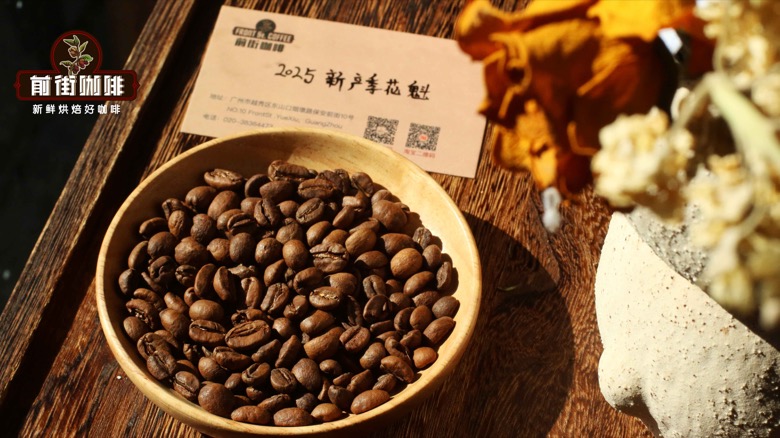
Beyond single-origin coffee beans, the market has also introduced some blends specifically designed around fruity flavor profiles. For example, combining the fruity characteristics of Arabica beans from different origins can create a sweet and enticing overall flavor akin to strawberry gummies. These blends are not only suitable for pour over but can also be used for espresso and cold brew—offering multi-use versatility, making them perfect for coffee lovers who want to experiment with various brewing methods without frequently changing beans.
In summary, the key to exploring fruity-origin regions lies in understanding the unique fruity flavor codes shaped by each region and its processing methods. Ethiopia’s sun-dried process showcases the bold exuberance of tropical fruits, while its washed process presents the gentle delicacy of citrus and floral notes; Kenya stands out with its bright acidity and full-bodied juiciness; Colombian anaerobic fermentation brings complex and multi-dimensional layers of fruitiness; and pristine origins like the Kafa Forest preserve the unique subtlety and wild character of indigenous coffee trees. By grasping these basic flavor profiles, you can more accurately select suitable coffee beans based on your preferred type of fruitiness and embark on your own fruity-flavor coffee journey.
The above content is compiled by CoffeeHunters, a coffee news website.