Introduction:Delve into how three iconic varieties within the Arabica family — Typica, SL28, and Geisha — express their unique flavors in espresso. From sweetness and acidity to aroma layers, this article will help you grasp the key characteristics of these classic varieties in extraction performance, elevating your expertise and enjoyment when tasting SOEs.
Arabica coffee is not a single variety but a vast group encompassing numerous cultivars. Each variety, due to genetic differences, exhibits vastly different flavor profiles and mouthfeel structures when brewed into espresso. Familiarizing yourself with the traits of a few classic representative varieties not only enhances your discernment when tasting single-origin espressos (SOEs), but also helps you find the coffee style that best suits your personal taste.
Let’s start withTypica, one of the oldest and most widely cultivated Arabica varieties. Its flavor profile is known for being bright, sweet, and balanced, making it a staple in many renowned traditional coffee-growing regions. For example, Jamaican Blue Mountain coffee primarily uses Typica, and its flavor is hailed as the “benchmark of specialty coffee,” with a rich body and distinct layering. Another example is Papua New Guinea’s Paradise Bird, which also uses the Typica variety. After washed processing, it displays exceptional cleanliness and prominent sweetness. When used in espresso, its flavors center around nuts and caramel, with moderate body and a smooth mouthfeel, offering excellent value for money.The overall performance of Typica espresso is clean, sweet, and balanced, making it highly suitable for daily drinking or for coffee lovers who are new to SOEs.
Next, we have the star variety duo from Kenya:SL28 and SL34. These two varieties were developed by Scott Labs in the mid-20th century, specifically tailored to the climatic conditions of Kenya’s highlands, and are known for their strong flavor expression. SL28 is celebrated for its bright acidity and rich tropical fruit aromas, often featuring fresh notes like lemon and grapefruit. SL34, on the other hand, offers a fuller and more balanced profile, with hints of chocolate and nuts. These two varieties are often planted and roasted together, complementing each other’s strengths. Take Kenya’s well-known Little Tomato region as an example: local producers use SL28 and SL34, employing a 72-hour double anaerobic fermentation process that imparts intense cherry tomato and dark plum acidity. These characteristics transform in the espresso into a vividly juicy, sweet-and-sour balance with striking clarity and layered complexity.SL-series espressos possess a very distinctive personality, with acidity that stands out clearly. Whether used in Americanos or milk-based drinks, their unique terroir characteristics are unmistakably present.
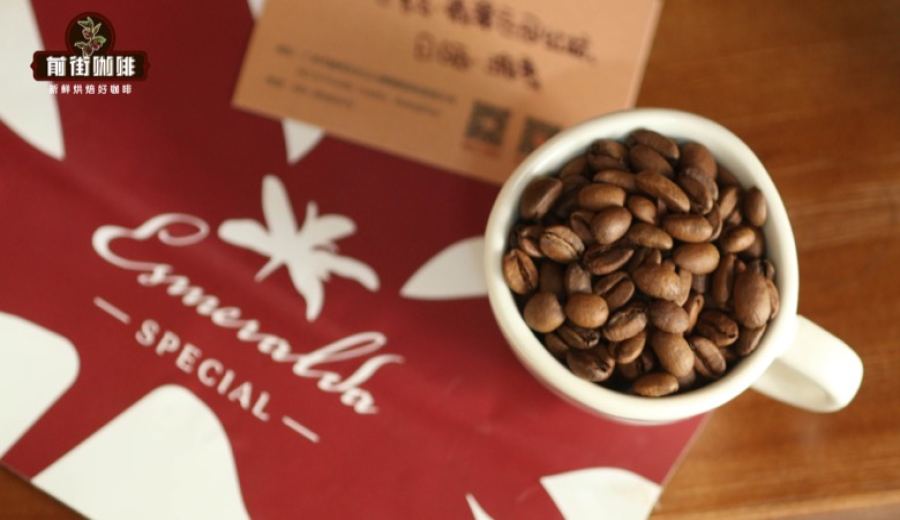
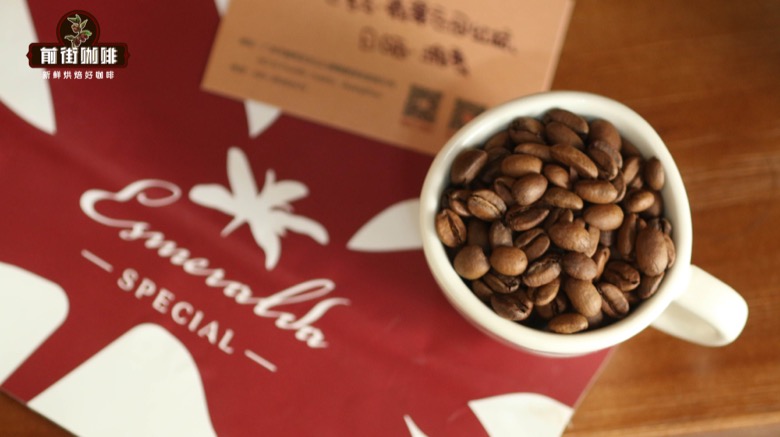
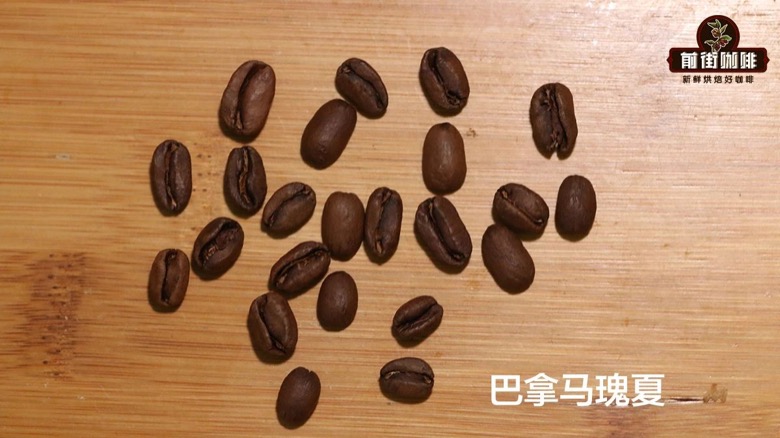
Finally, let’s exploreGeisha, the variety with the richest flavor layers and hailed as the “pinnacle representative of Arabica.” Particularly famous is the Red Label Geisha from Panama’s Hacienda Esmeralda, whose flavor profile is renowned for its elegant jasmine floral notes, bergamot tones, and a black tea-like finish. When brewed as espresso, Geisha demonstrates exceptional aromatic intensity and a clean, transparent mouthfeel, with a long-lasting sweet aftertaste and lingering finish. As an SOE, Geisha often becomes a flagship offering in coffee shops, as it can present extremely delicate and varied flavor layers — from floral and fruity notes to nuanced sweetness — all worthy of careful savoring. However, due to its scarce production and demanding growing conditions, Geisha is usually priced much higher than common varieties, making it more suitable for special tasting occasions or first-time experiences.If you’re pursuing an ultimate flavor experience, Geisha is definitely a must-try.
In summary, these three varieties each bring their own unique characteristics to espresso: Typica varieties shine withdelicate sweetness and balanced mouthfeel, making them great for everyday enjoyment; SL varieties excel withvibrant acidity and explosive fruitiness, ideal for those who prefer bold flavors; while Geisha stands out withelegant florals and richly layered flavors, representing the pinnacle of coffee flavor exploration. The next time you taste an SOE espresso, pay closer attention to the variety information on the beans, and compare it with the actual flavors you perceive. You’ll discover that every cup of espresso holds a deep dialogue between variety characteristics and terroir, making the world of coffee flavors even more vivid and captivating.
The above content is compiled by CoffeeHunters, a coffee news website.