







Introduction:Did you know that coffee beans from different regions produce vastly different crema thickness and flavor profiles when brewed as espresso? This article delves into the crema characteristics of three classic regions—Mandheling, Brazil, and Blue Mountain—exploring factors such as processing methods, roast levels, and extraction performance to help you choose the bean with the ideal crema for your taste preferences and elevate your coffee’s flavor complexity.
In the world of coffee, espresso crema is not only a visual delight but also an important indicator of flavor and quality. Coffee beans from different regions, due to variations in processing methods, varieties, altitude, and roast levels, yield crema that differs significantly in color, texture, and persistence. Among these, Mandheling, Brazil, and Blue Mountain are three of the most representative regions, each showcasing a unique crema style that caters to different palates.
Mandheling: The Embodiment of Rich, Bold Crema
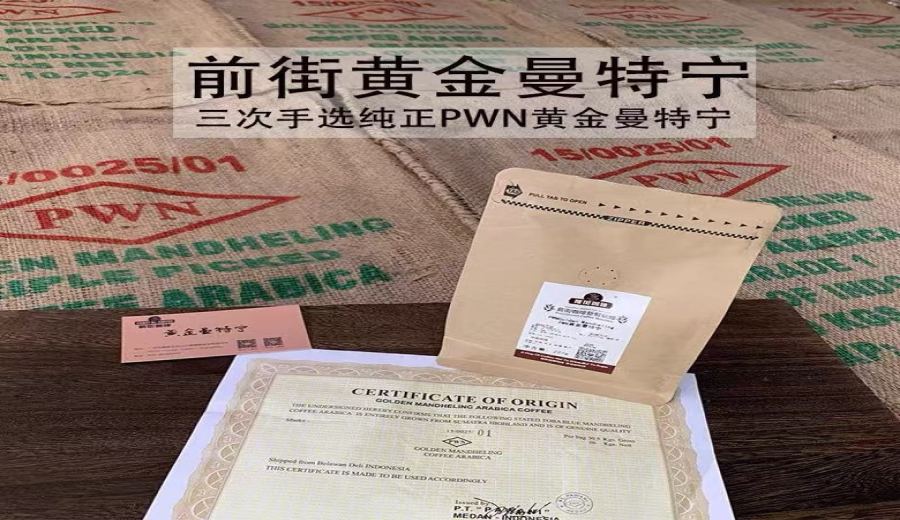
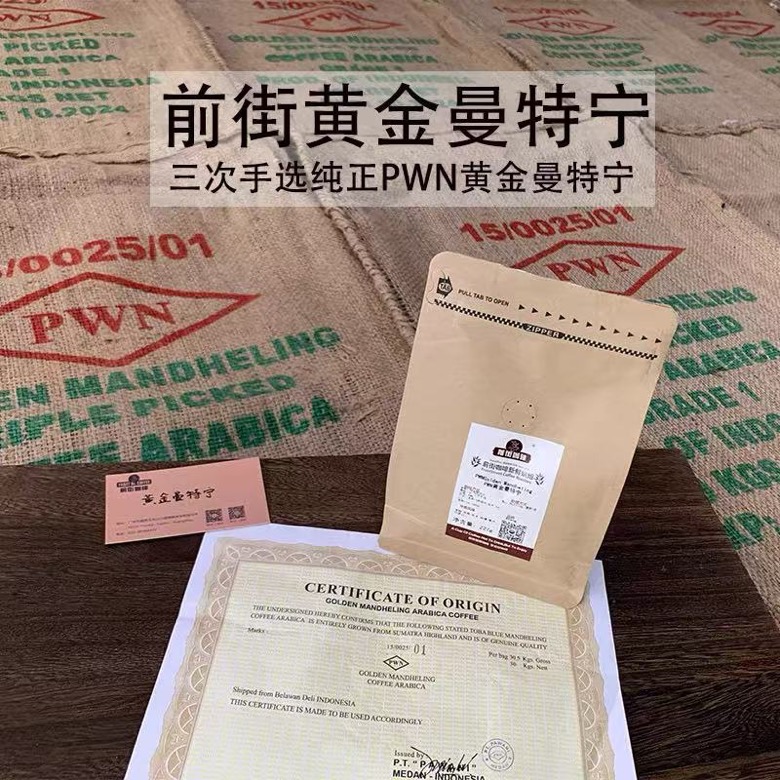
Mandheling coffee beans are typically processed using the wet-hulled method, which leaves more mucilage on the bean surface. Coupled with a common dark roast, this results in particularly thick crema. When used for espresso, Mandheling’s crema appears deep gold to dark brown, with a dense, velvety texture. The cup reveals pronounced herbal and dark chocolate notes, layered and intense with a long-lasting finish. Notably, Mandheling’s crema has exceptional longevity, maintaining its layer on the espresso surface for about 3 to 5 minutes without dissipating—an advantage for latte art and milk pairing. In lattes, its rich crema enhances the milk’s creaminess, making latte art patterns sharper and the mouthfeel smoother. If you prefer a bold, herbaceous, and chocolatey coffee, Mandheling is an excellent choice.
Brazil: Balanced and Mellow Crema
Coffee beans from Brazil often undergo natural or pulped natural processing, retaining more fruit pulp and lipid content, which lays a solid foundation for rich crema. Take Fazenda Rainha as an example—their espresso crema exhibits a medium golden hue with a fine texture and medium-to-thick consistency. Brazilian beans feature nutty and cocoa-forward flavors with notable caramel sweetness, delivering a smooth, approachable profile that’s neither harsh nor thin. This crema profile makes Brazilian beans an ideal everyday base, suitable for both black and milk-based drinks. Especially in lattes, the nutty sweetness of Brazilian beans blends harmoniously with milk, creating a rounded, silky mouthfeel and excellent latte art results. If you’re seeking a well-balanced coffee bean with stable crema performance, Brazil is a great option.
Blue Mountain: Delicate and Refined Crema
Jamaica Blue Mountain No. 1 showcases a distinctly different crema style. Grown from the Typica variety in high-altitude volcanic soil and medium-dark roasted, its crema is fine-textured with a light-to-medium golden hue. Blue Mountain espresso excels in balance, with creamy, caramel, chocolate, and nut aromas blending softly. Its acidity, sweetness, and bitterness are harmoniously tuned, offering a refined and understated experience. Compared to the boldness of Mandheling and the mellowness of Brazil, Blue Mountain’s crema is of medium thickness but higher in finesse—silky-smooth on the palate, even with a slight creamy texture. In lattes, it delivers a smooth, layered mouthfeel; when brewed as Americano, it highlights a clean, clear flavor profile. For coffee enthusiasts who pursue refinement and subtlety, Blue Mountain is a must-try.
Overview of Regional Crema Styles and Roasting Recommendations
Overall, Mandheling’s crema stands out for its bold, intense profile, appealing to those who enjoy herbal and dark chocolate notes; Brazil offers a rich yet mellow character, making it a balanced choice for most; Blue Mountain shines with its delicacy and silkiness, catering to those seeking a premium coffee experience. In terms of roast levels, Mandheling benefits from a dark roast to fully highlight its herbal and dark chocolate traits while enhancing crema richness; Brazil suits a medium-dark roast, which amplifies its nutty sweetness and crema performance; Blue Mountain performs best with a medium-dark roast, balancing its refined flavors and avoiding over-extraction that could dull its nuances. Note that light roasts are not recommended for espresso from these three regions, as under-extraction can lead to thin, unbalanced crema.
Additionally, regional altitude also influences crema performance. Generally,Mandheling beans are grown at altitudes of about 1000 to 1500 meters, with medium bean density that facilitates crema release;Brazilian beans are cultivated at elevations between 1000 and 1300 meters. Though slightly lower in density, they still support good crema formation;Blue Mountain beans grow at altitudes of around 800 to 1200 meters, where moderate density and meticulous processing result in even more refined crema texture. In fact, beans from medium-to-low altitude regions, due to their lower density, tend to release more lipids during extraction, often yielding superior crema compared to high-altitude beans.
If you prefer blends, opt for recipes containing Mandheling or Brazilian beans, as they provide a solid foundation for crema performance. For instance, the Mocha Java blend combines Mandheling and Brazil, balancing crema thickness with sweetness; the Baco blend, primarily Brazilian and Colombian, offers moderate crema but outstanding sweetness, making it suitable for daily consumption. When selecting blends, checking for these two key regions in the recipe can help ensure quality crema.
In summary, choosing a region is essentially selecting your preferred crema style. Mandheling is bold and heavy, ideal for those who love intense flavors; Brazil is mellow and balanced, a crowd-pleasing, reliable choice; Blue Mountain is delicate and silky, perfect for those pursuing a refined coffee experience. Understanding these regional characteristics will help you achieve better crema performance and flavor when brewing espresso.
The above content is compiled by CoffeeHunters, a coffee news website.

