







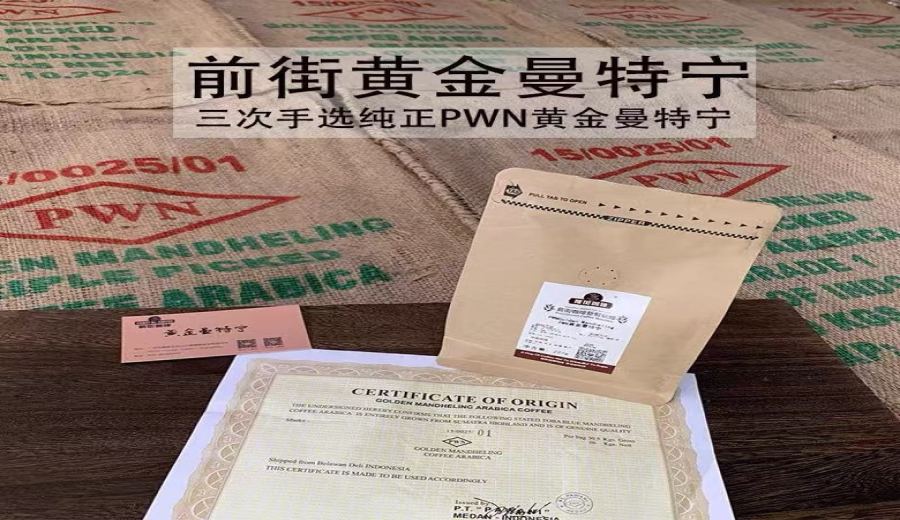
Introduction:Mandheling-style coffee beans are renowned for their full body and low acidity, making them a top choice for many black coffee enthusiasts. This article delves into the unique flavor profile of Mandheling, offering insights on roast levels, processing methods by origin, as well as pour over and espresso brewing recommendations, to help you master the key parameters and brew a cup that delivers flavors of dark chocolate and herbs with a long-lasting finish.
When it comes to Mandheling-style coffee beans, many people immediately think of keywords like "full-bodied, robust, and low-acid." These coffees don’t grab attention with bright floral or fruity aromas but instead leave a deep impression through their sense of weight upon entry, the combination of dark chocolate and herbal notes, and an aftertaste that lingers long after the sip. For those accustomed to drinking black coffee, the charm of Mandheling lies in its accessibility—no complicated tasting skills are needed. With just one sip, you can clearly perceive the flavor characteristics it aims to convey.
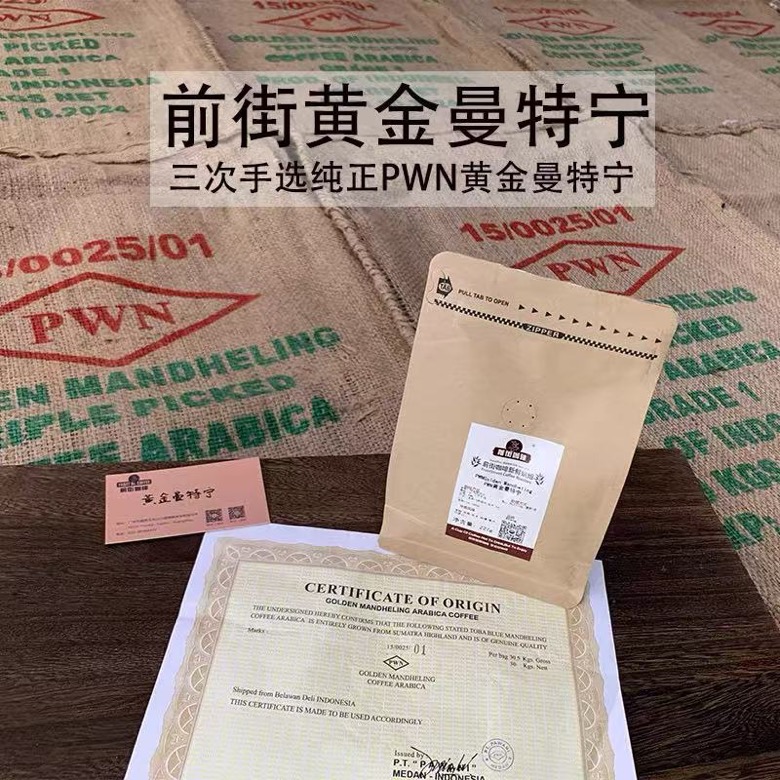
Within the overall flavor profile of Mandheling, common elements include interwoven notes of dark chocolate, woody tones, herbs, and subtle hints of spice. Its acidity is usually not prominent, so the overall drinking experience feels more like appreciating a dark-toned flavor puzzle: the front offers a balanced bitterness and sweetness with steadiness, the mid-palate reveals a rich layering of textures, while the finish may carry a slight fermentation note or a faint spice aftertaste. Such a structural design is very suitable for coffee lovers who seek a cup “with substance.” For pour over, using a fine grind and slightly higher water temperature is recommended to help bring out a more complete aromatic expression; if using a French press, the overall body can be further enhanced; when making espresso or using a mocha pot, the backbone qualities of Mandheling can also be clearly presented.
When selecting Mandheling-style coffee beans, it’s advisable to consider three aspects. First is the roast level—generally speaking, medium-dark to dark roasts can more effectively soften the acidity while highlighting the sweet flavors reminiscent of dark chocolate and caramel. Second is the processing method and origin information—Mandheling from the Sumatra region is often processed using the wet-hulled method, which gives the coffee a fuller body and more distinctive flavor characteristics. Lastly, consider your personal drinking habits. If you often drink black coffee, Mandheling can directly showcase its “full” and “steady” traits; if you prefer adding milk to make milk coffee, it can also blend perfectly with milk, resulting in a smooth and non-overpowering blend.
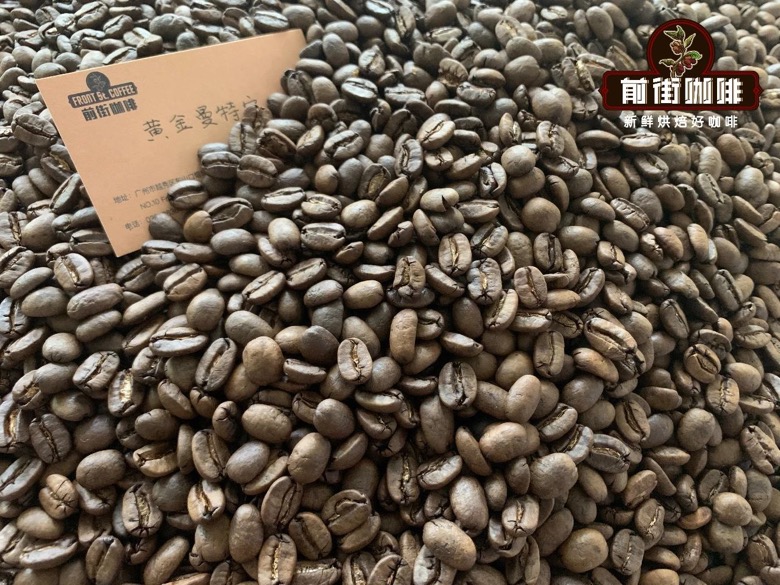
During the actual brewing process, adjustments can also be made based on the flavor direction of Mandheling. It’s recommended that the water temperature not be too low, to fully activate its potential aromas; the coffee-to-water ratio can be slightly concentrated to help enhance both body and sweetness. If you’re concerned about the latter part of the brew being overly heavy, you can moderately shorten the steeping or extraction time to achieve a cleaner and crisper overall taste.
The charm of Mandheling-style coffee beans doesn’t lie in winning with floral or fruity notes, but in their ability to steadily support the structural backbone of a cup of coffee. When drinking, what you first perceive is its solid body, followed by the complex aromas of dark chocolate and herbs, and finally a mild yet enduring aftertaste. For drinkers who wish to explore medium-dark roast coffees in depth and seek a stable cup feel, Mandheling not only easily establishes a consistent flavor impression but is also highly suitable for everyday enjoyment. The more you drink it, the more you’ll discover the nuanced changes within.
The above content is compiled by CoffeeHunters, a coffee news website.

