







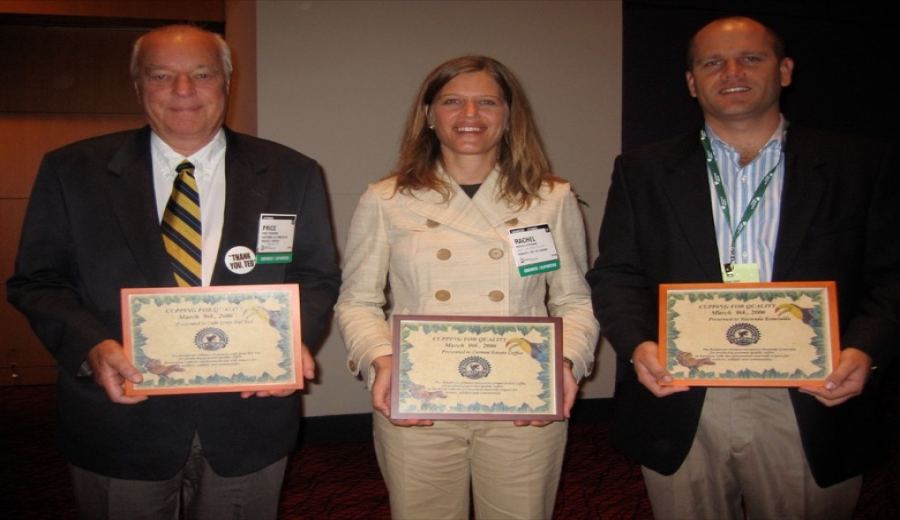
Introduction:Do you know how those hard-to-find, astronomically priced coffee beans are selected? As internationally renowned coffee auction platforms, BOP and COE attract global buyers competing each year for extremely limited quantities of top-tier green beans. This article will take an in-depth look at how these two major competitions operate, uncover the quality logic behind their high prices, and show you how to experience auction-level flavors at more accessible prices.
Every year, some coffee beans are sold at jaw-dropping prices, even creating a frenzy where they’re almost impossible to get. Most of these premium-priced beans come from international auction events, among which the Best of Panama (BOP) and the Cup of Excellence (COE) are the most prominent. These two platforms are not only barometers of specialty coffee but also elevate top-quality green beans onto the international stage through rigorous evaluation mechanisms. How exactly do they work? And why can they fetch such astonishing prices? Gaining an in-depth understanding of these auction competitions is a great way to get to know the specialty coffee ecosystem.
BOP, short for the Best of Panama, is an annual event hosted by Panama’s local specialty coffee association. Coffee farms participating in the competition submit their carefully cultivated green beans from the season to a panel of professional judges. After multiple rounds of meticulous cupping and scoring, winning batches are selected across different categories. These award-winning beans are then entered into the international auction market. It’s worth mentioning that the famous Geisha variety from the renowned Hacienda Esmeralda gained prominence through the BOP platform, making Panamanian Geisha a legend among global specialty coffee enthusiasts and also establishing BOP as one of the key indicators in international auctions.
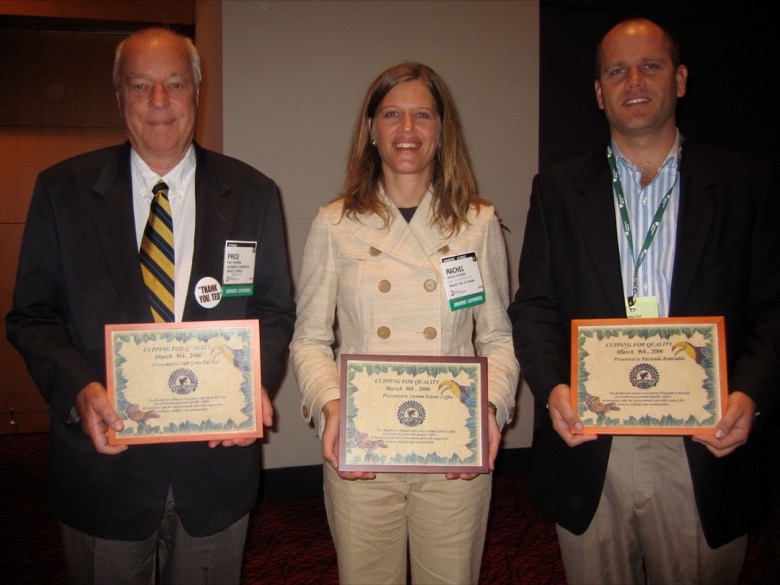
As for COE, or the Cup of Excellence, its history dates back to Brazil and has since expanded to over ten producing countries across Central and South America and Africa. The mechanism operates similarly to BOP: first, domestic judging panels in each producing region conduct preliminary screenings, followed by reviews by international judging panels. The winning coffee batches are then selected and publicly auctioned. Unlike BOP, which focuses more on the branding effect of a single country, COE is more dedicated to helping emerging producing regions improve their overall coffee quality. The prices of award-winning beans are usually tiered according to ranking, reflecting different levels of quality performance.
So, why can these auction beans be sold at such high prices? The primary reason is the extremely limited production—winning batches often amount to just a few dozen to a few hundred kilograms, with supply far outstripping demand. Secondly, these beans go through multiple layers of rigorous cupping screening, ensuring not only stable quality but also particularly distinct and recognizable flavor profiles. In addition, the brand effects of well-known farms, along with the added value brought by the stories behind the competitions, further drive up the premium. It’s also worth noting that the auction proceeds, after deducting related costs, are typically returned in full to the producing farms. This mechanism also encourages producers to continue investing in varietal improvement and cultivation techniques.
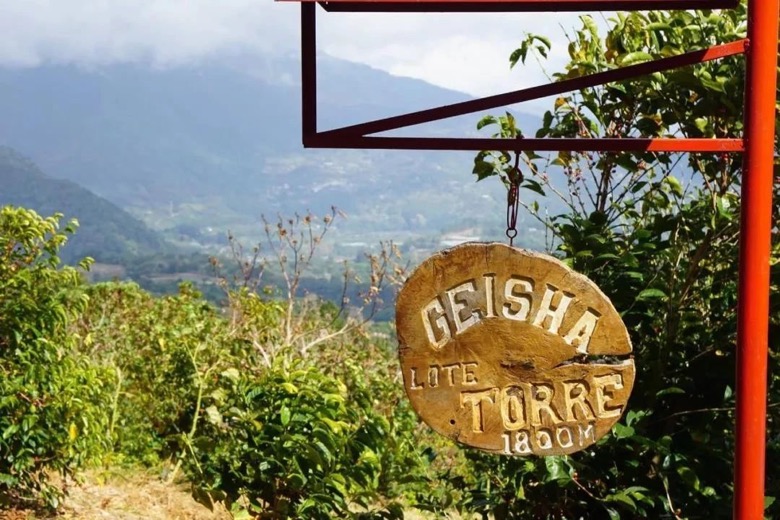
For the average consumer, while it may not be possible to directly participate in high-stakes auctions, there are still opportunities to experience these legendary flavors. For example, the Red Label batch from Hacienda Esmeralda is released to the public for sale in limited quantities each year. One notable example is the Panamanian Hacienda Esmeralda Red Label Geisha sold by a well-known retailer, which showcases jasmine floral notes and bergamot tones, clearly presenting auction-level flavor characteristics. Additionally, the same retailer offers a Geisha from the Grana Estate sourced from Ethiopia’s Guji region, processed using the natural method. With its intense sweetness and fruit notes of guava and apricot, it also delivers the layered complexity and expressive power typical of auction-grade batches.
Overall, BOP and COE not only closely connect coffee quality, farm stories, and global buyers but also standardize the evaluation process, turning flavor into a quantifiable and pursuit-worthy goal. For coffee enthusiasts, there’s no need to chase sky-high prices. Purchasing the same or similar beans from these award-winning farms on the open market can also provide a profound experience of the true caliber of these legendary producing regions.
The above content is compiled by CoffeeHunters, a coffee news website.

