







Introduction:Although all are milk-based coffees, lattes, cappuccinos, and Dirty coffees differ significantly in their foam thickness, temperature, and drinking methods, which means their requirements for the flavor characteristics of coffee beans are also quite different. Understanding what qualities in coffee beans suit each type of milk coffee helps to best showcase their aroma, sweetness, and mouthfeel. This article delves into the key considerations for choosing beans for different types of milk coffee, helping you brew more professional and delicious milk coffees.
Latte, cappuccino, and Dirty — these three common milk coffees may all seem like “coffee with milk,” but they each have unique requirements regarding foam thickness, temperature control, and drinking style, hence differing demands on the coffee beans used. Choosing the right beans not only highlights the unique flavors of each drink but also creates a more balanced and harmonious overall taste.
Let’s start with the most common one — the latte. A latte has relatively thin foam, and the ratio of espresso to milk is closer, allowing the intrinsic flavor of the espresso to be more fully presented. To make a great latte, it is recommended to choosecoffee beans that are well-balanced, have good body, and offer noticeable sweetness— this way, they can blend perfectly with the milk, creating a smooth and full-bodied mouthfeel.
If you’re looking to select a bean suitable for a latte, consider blends that offerstable crema and a nutty-cocoa profile. Such beans naturally integrate with milk, providing clear coffee flavors without being overly sharp, making them suitable for most palates. Additionally, if you prefer a latte with more pronounced sweetness, you might opt for blends featuringroasted chestnut, caramel, and brown sugar notes— these flavors become even more mellow and sweet when complemented by milk.
Next is the cappuccino. Because cappuccinos have a thicker layer of foam, if the coffee beans lack sufficient body, it’s easy for the drink to end up tasting like “coffee lost in a cup of foam.” Therefore, cappuccinos havehigher requirements for body and richness compared to lattes, so the foam can be supported without overwhelming the drink or becoming cloying.
For cappuccinos, it is recommended to use dark-roasted blends that offerdark chocolate and nut aromas. These types of beans typically provide ample body and layered complexity. Some roasting styles enhance caramelization reactions, further improving the coffee’s structure and fullness, ensuring the thick foam doesn’t mask the core characteristics of the coffee.
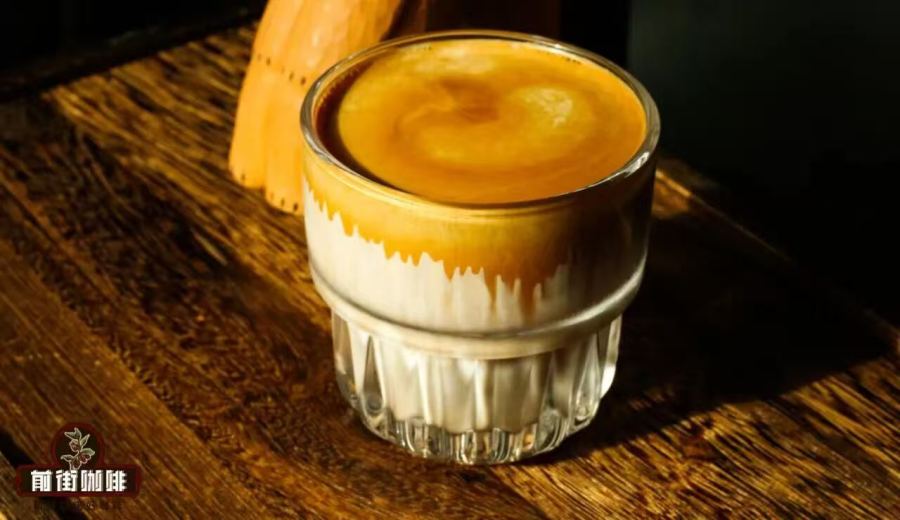
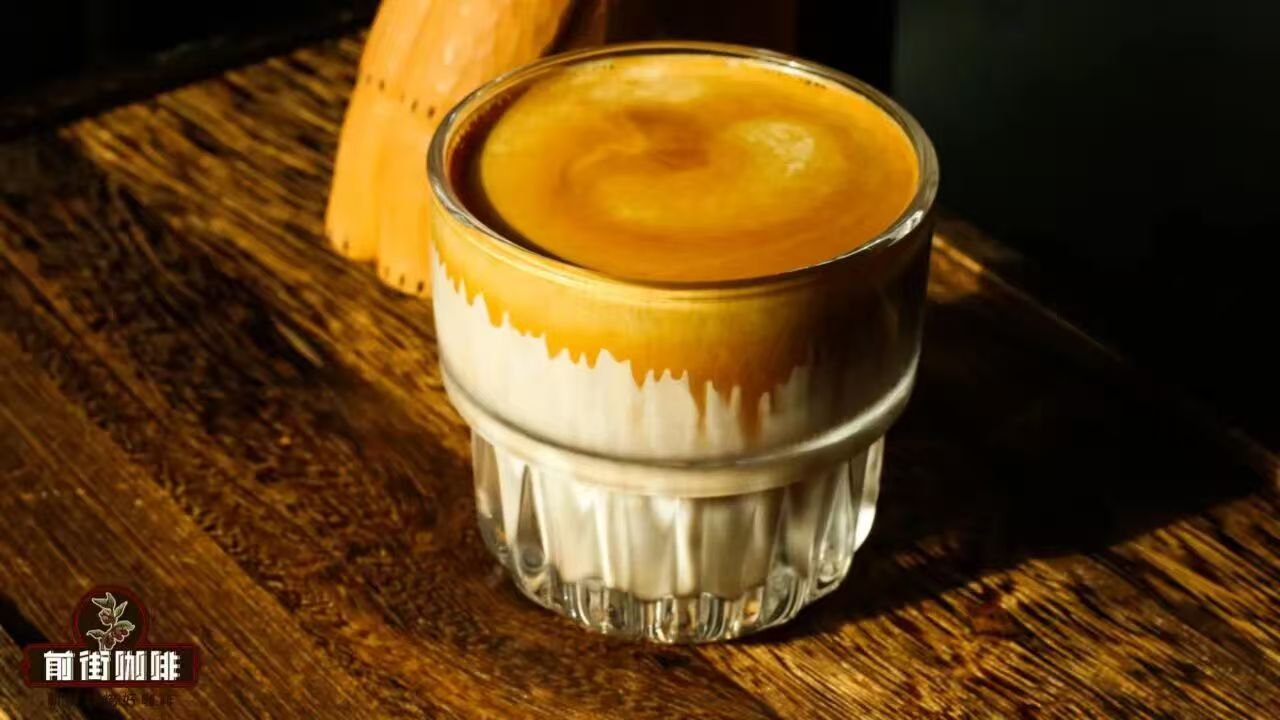
Dirty, on the other hand, presents a completely different challenge. This cold-and-hot contrast beverage pours hot espresso directly over unsteamed ice milk. Without the buffering effect of foam, the espresso’s flavors are amplified directly. As a result, Dirty calls forcoffee beans with intense flavors, rich crema, and clear sweetnessto showcase captivating layers and contrasts against the backdrop of cold milk.
When selecting beans for Dirty, prioritize blends that can exhibitdistinct layers and flavor transitionswhen exposed to the hot-and-cold contrast. For example, some beans with cocoa and nut profiles create fascinating contrasts when hot espresso meets cold milk. Meanwhile, blends with chestnut-like sweetness can deliver bold flavors initially, followed by a refreshing sweetness, adding an extra dimension to the drinking experience.
Additionally, many coffee enthusiasts also ask about bean selection for flat whites. Although this article does not focus on flat whites, it’s worth mentioning that flat whites have the thinnest foam and the most prominent coffee flavor, thus placing higher demands on thesweetness and body of the beans. If the beans are overly acidic or have strong bitterness, it can easily disrupt the drinking experience. Blends with low acidity and natural sweetness often better highlight the delicate and smooth characteristics of flat whites.
In summary, different types of milk coffee indeed require selecting the most suitable coffee beans based on their foam characteristics, temperature performance, and flavor interactions. This is not about being overly fussy, but rather about the key to ensuring each cup of coffee can showcase its optimal flavor.
For coffee shop owners or home-brewing enthusiasts, it is advisable to keep two different-flavored blends in stock as staples, using them flexibly to meet the varying needs of different milk coffees, thereby achieving the ideal result in every cup.
The above content is compiled by CoffeeHunters, a coffee news website.

