







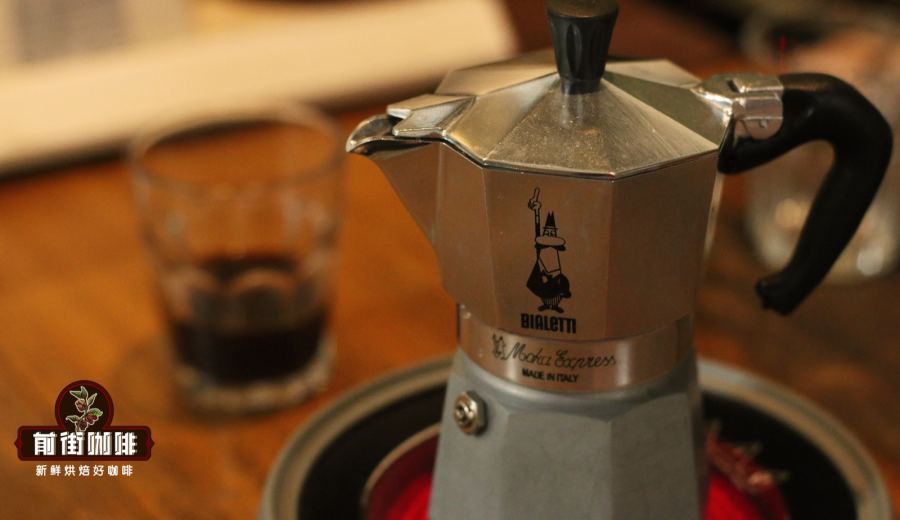
Introduction:Many beginners who are new to using a moka pot often wonder: which type of coffee beans should I choose to brew a rich and flavorful cup? In fact, dark and medium-dark roasted beans with intense flavors are the best match for a moka pot. These beans are rich in oils and exhibit prominent caramel notes. When paired with the high-pressure extraction of a moka pot, they can deliver the most captivating espresso-like taste. This article will explore why dark roasts and moka pots are a perfect pairing, and share three key tips for selecting beans along with practical recommendations to help you easily brew professional-grade coffee.
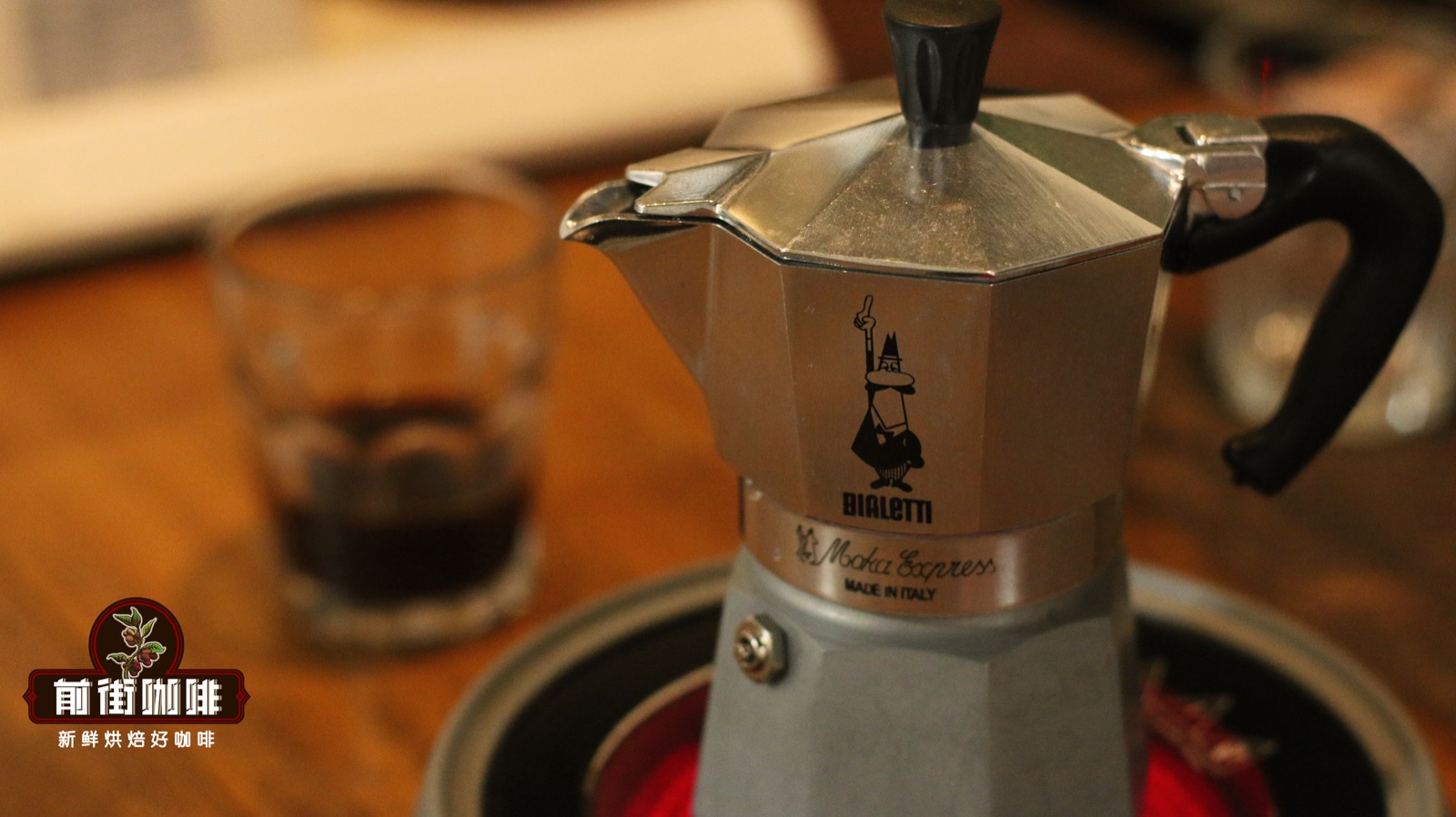
Nowadays, more and more coffee enthusiasts are using a moka pot to brew coffee at home, but when faced with a wide variety of coffee beans, the first step often gets stuck: which type of beans should I choose? The answer is simple—dark and medium-dark roasted beans with rich and bold flavors are a match made in heaven for the moka pot.
Why are dark roast beans suitable for a moka pot? These coffee beans undergo high-temperature roasting, developing intense caramel, nutty, and chocolatey tones, and are rich in natural oils. The moka pot uses steam pressure to extract the coffee, which can fully bring out these flavors, resulting in a fuller-bodied taste, more concentrated aroma, and less noticeable acidity—making it ideal for those who enjoy a bold flavor profile.
If you want to brew a satisfying cup of coffee with a moka pot, here are three key points to consider when selecting your beans:
First, it’s recommended to prioritize blended beans. Blended beans are usually composed of beans from multiple regions or processed using different methods. Not only do they offer a stable flavor profile, but they also achieve a balanced taste through the complementarity between beans. Even if there are slight batch variations, extreme flavor shifts are less likely to occur. For home users, this is a relatively worry-free and reassuring choice.
Second, observe the bean’s oiliness. Oils (crema) are an important element that affects the taste of coffee, and whether the moka pot can extract fine and dense oils is closely related to the quality and roast level of the beans. Beans rich in oils produce coffee with a more intense aroma and a smoother mouthfeel. You can check if the surface of the beans looks glossy—this is usually a sign of sufficient oils.
Third, it’s advisable to avoid beans with excessively high acidity. Due to the moka pot’s high brewing temperature and longer extraction time, acidic compounds in the beans can be amplified, especially in light-roasted fruity beans where the acidity may become overly sharp, affecting the overall balance. Therefore, dark or medium-dark roasted beans with lower acidity are more suitable for extraction with a moka pot.
Below are several recommended combinations of dark or medium-dark roasted coffee beans that are well-suited for use with a moka pot. These beans generally offer stable flavor profiles and good oil release capabilities:
First up is the classic Mamba flavor blend. This recipe was originally designed for use in espresso and moka pot scenarios. It performs exceptionally well in oil release—even with standard home equipment, you can extract coffee oils as delicate as milk foam. The taste is rich and smooth, making it suitable for everyday drinking.
Another worth trying option is a dark roast blend made from 100% Arabica beans. It’s rich in oils, has an intense flavor, and is relatively affordable. When brewed with a moka pot, it delivers rich cocoa and dark chocolate notes, and tastes even better when mixed with hot milk—making it an ideal base for lattes or other coffee beverages.
If you prefer coffee with nutty and caramel sweetness, you can opt for a blend that combines Honduran Catuai and Papua New Guinea Typica. It offers a rich layering of flavors, with sweet aromas of nuts and chestnuts upon entry, followed by a mid-palate of chocolate and brown sugar sweetness. The acidity is mild, and the moka pot can amplify these characteristics even more.
The dark roast series Indonesian Golden Mandheling is also a classic choice. It has extremely low acidity and features intense herbal and dark chocolate aromas, with a long and full-bodied mouthfeel. It’s highly suitable for users who dislike acidity and seek a rich, satisfying taste. The moka pot can fully showcase its deep and robust profile, making every sip deeply fulfilling.
There’s also a Brazilian origin blend that offers exceptional cost-performance. It has low acidity, a balanced taste, and features intense nutty and cocoa aromas, along with distinct caramel sweetness. Its oil performance is outstanding, making it suitable for daily drinking and unlikely to cause palate fatigue even with long-term use.
When using a moka pot to brew dark roast beans, here are a few tips to enhance the quality of your coffee: it’s recommended to grind the coffee beans to a medium-fine consistency, similar to the coarseness of fine sugar. Avoid using water that’s too hot—let the water sit for about 10–20 seconds after boiling to let the temperature drop slightly before pouring it into the pot. When you hear the sound from the bottom of the pot change to a low “gurgling” noise, it’s time to turn off the heat to avoid over-extraction, which can lead to bitterness. If you prefer milk coffee, you can directly add hot milk to the brewed coffee—the combination of oils and milk foam will be even smoother and more velvety.
In summary, the combination of a moka pot and dark roast beans is a classic pairing that has been validated by countless coffee enthusiasts and professional baristas. As long as you choose the right beans and master the basic techniques, you can easily brew a pot of richly flavored, full-bodied professional-grade coffee at home. Feel free to pick one of the recommended beans above and personally experience the unique charm of the moka pot.
The above content is compiled by CoffeeHunters, a coffee news website.

