







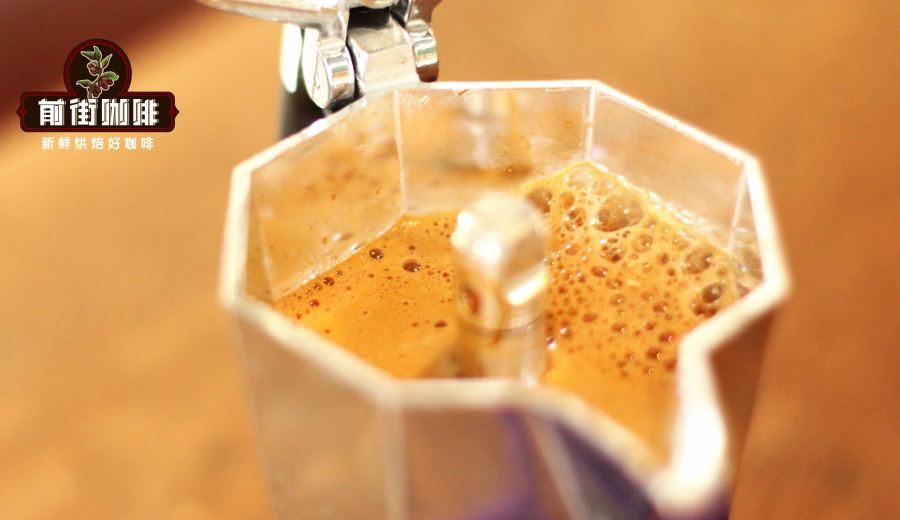
Introduction:Just got a moka pot but can't seem to brew a good cup? The issue might lie in your choice of coffee beans. Due to the moka pot’s high-temperature, high-pressure extraction method, it has specific requirements for bean roast level, freshness, and grind size. This article will analyze the ideal characteristics of beans for moka pots, recommend several beginner-friendly options, and highlight common pitfalls in bean selection and brewing — helping you make a rich, flavorful cup on your very first try.
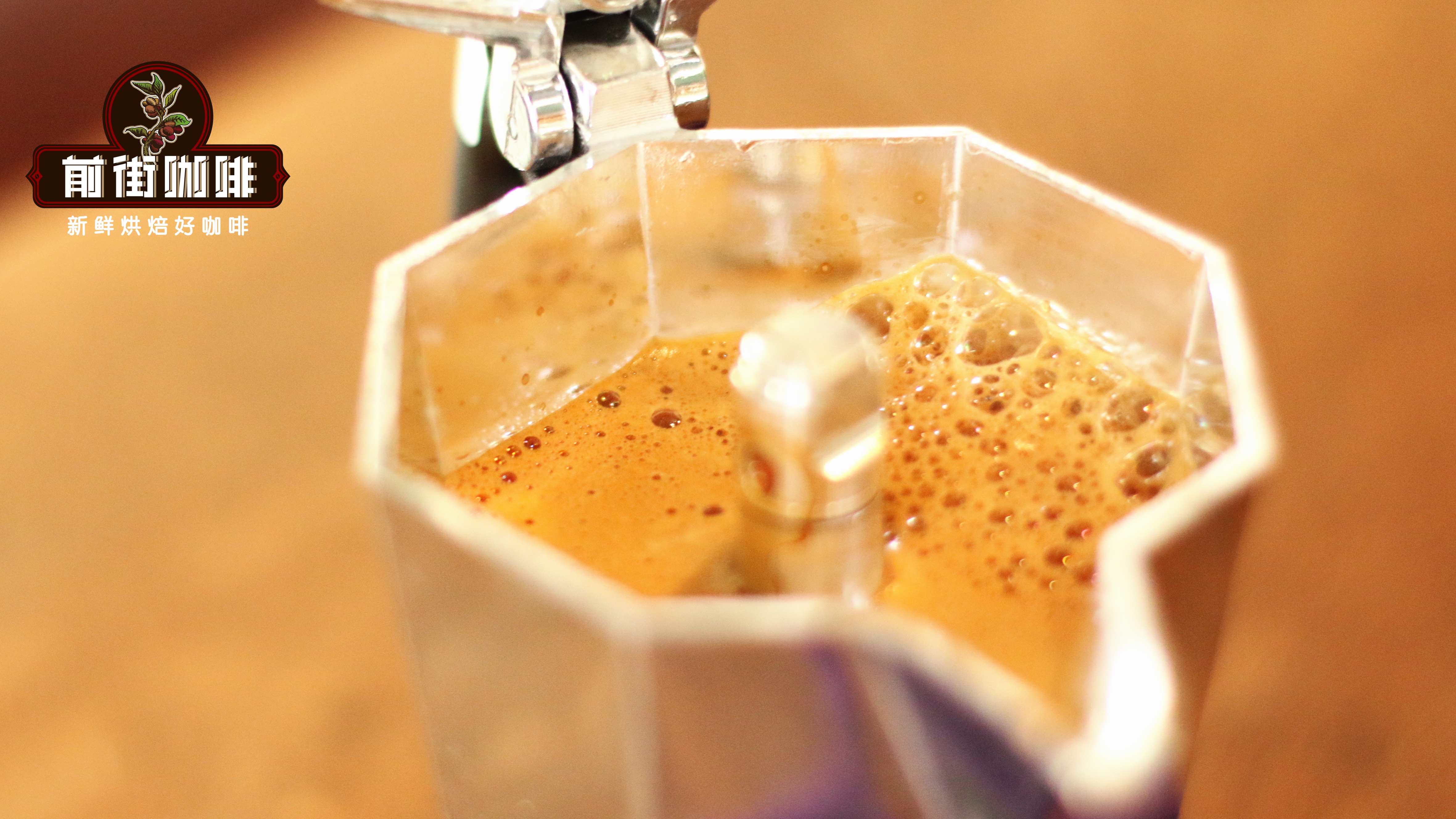
For many coffee enthusiasts, their first coffee brewing tool is often not a sophisticated pour over setup, but the simple, ready-to-use moka pot. Just place it on the stove for a few minutes, and you can enjoy a steaming cup of coffee full of aroma and bold flavor that instantly brings your kitchen to life.
However, many beginners stumble at the “bean selection” stage when using a moka pot for the first time. Grabbing just any bag of beans and ending up with coffee that’s either too bitter or too astringent can even lead them to doubt the equipment itself. But in truth, moka pots have specific needs when it comes to roast level and bean characteristics — choose wisely, and you’ll get coffee with a rich crema and focused flavors; choose poorly, and you may be left with off-flavors and an unpleasant drinking experience.
So, what kind of coffee beans are actually suitable for a moka pot? Because its extraction method relies on steam pressure — though not as high as in a professional espresso machine — the relatively high water temperature and longer extraction time tend to draw out more bitterness and astringency from the beans. Therefore, moka pots work better with darker roasted beans that are rich in crema and offer a full-bodied taste.
In short, moka pots and espresso blends are a perfect match. These beans are specifically designed for high-pressure brewing environments, not only delivering excellent crema performance but also offering relatively stable flavors. In contrast, light-roasted beans that emphasize bright acidity are less suitable, as the acidity can become overly pronounced, resulting in a muddled overall flavor profile. Additionally, for optimal flavor, it's recommended to use freshly roasted beans to fully release their aroma and taste.
If you're using a moka pot for the first time, consider starting with the following well-reviewed, beginner-friendly bean options available on the market:
If you’re looking for an all-purpose starter bean, a classic blend from a well-known coffee brand is a top recommendation from seasoned users. This blend is specifically crafted for espresso preparation and moka pot brewing, offering outstanding crema performance. Even when using a standard home stovetop and entry-level moka pot, it can still produce a fine and velvety crema layer, making the coffee smoother and richer in mouthfeel.
If you want to keep a bit of a budget in check, a dark cocoa blend from the same well-known brand is also a solid option. Made from 100% Arabica beans, this blend features a rich crema and full-bodied taste, while remaining relatively affordable. For beginners just getting started, “delicious and cost-effective” is often the biggest motivator to keep enjoying pour over or moka pot coffee.
If you’d like to explore beans with more complexity and flavor, try a fall chestnut blend from another well-known brand. This blend uses Catuai from Honduras and Typica from Papua New Guinea, offering nutty sweetness reminiscent of roasted chestnuts, along with the deep richness of caramel and brown sugar. The mid-palate reveals a soft chocolate note and rounded acidity, while the finish is clean, refreshing, and long-lasting — perfect for coffee lovers who enjoy diverse flavor profiles.
However, beginners often run into a few common pitfalls when using a moka pot:
The first pitfall is using a light-roasted single-origin bean by mistake. Light-roasted beans usually have bright acidity and shine when brewed via pour over, but when placed in the high-temperature, high-pressure environment of a moka pot, their acidity and astringency can be amplified, negatively affecting the overall taste. If you really want to try a single-origin bean, opt for a dark roast option such as Mandheling, which is more stable and less likely to go wrong.
The second common mistake is grinding the beans too finely. The grind size for a moka pot should actually be slightly coarser than that used for home espresso machines. Grinding too fine can lead to over-extraction, resulting in overly bitter coffee, and may even cause pressure buildup and spraying. When buying beans, it’s a good idea to let the shop know you’ll be using them in a moka pot so they can adjust the grind size accordingly.
The third pitfall is neglecting the freshness of the coffee beans. The fresher the beans, the richer the flavors. It’s best to consume them within a month of purchase to enjoy their optimal aroma and taste. After opening, transfer the beans to an airtight container and store them in a cool, dry, and dark place at room temperature — there’s no need to refrigerate, as this can cause them to absorb odors or become damp, affecting quality.
In summary, selecting beans for a moka pot isn’t complicated. By sticking to three key principles — choosing dark roasts, opting for blends, and ensuring bean freshness — you can significantly increase your chances of brewing a great cup. For beginners, starting with a classic dark roast blend, such as the one from a well-known brand, is a safe bet. Not only does it deliver excellent crema, but its balanced overall flavor also makes it a reliable choice for getting into moka pot coffee.
The above content is compiled by CoffeeHunters, a coffee news website.

