







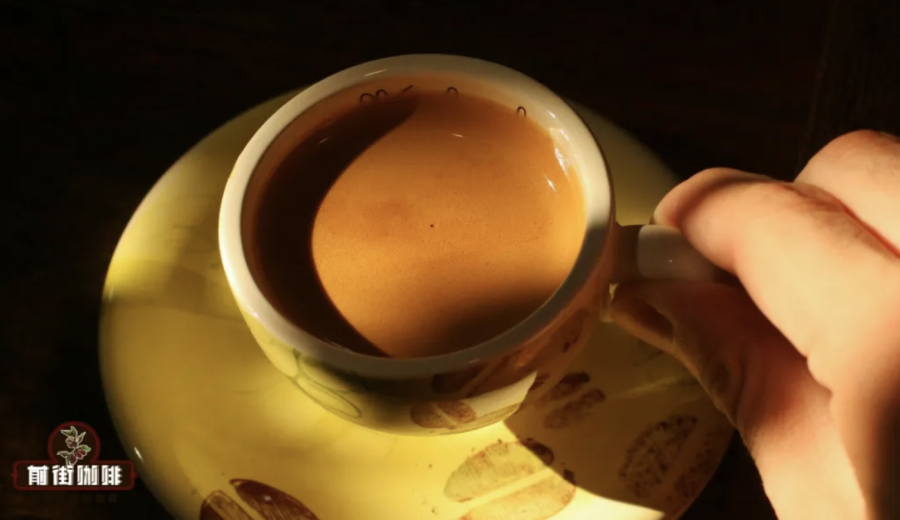
Introduction:Many coffee enthusiasts, after purchasing a home espresso machine, face their first challenge: extracting a delicate and creamy crema as seen in cafés. However, even after repeatedly adjusting grind size, coffee dosage, and water temperature, the crema remains thin. More often than not, the issue doesn’t lie with the machine but with using unsuitable coffee beans. This article will explain the principles behind crema formation and recommend high-performance crema-focused blends that perform well with home espresso machines and moka pots, helping beginners easily master the essentials of extraction.
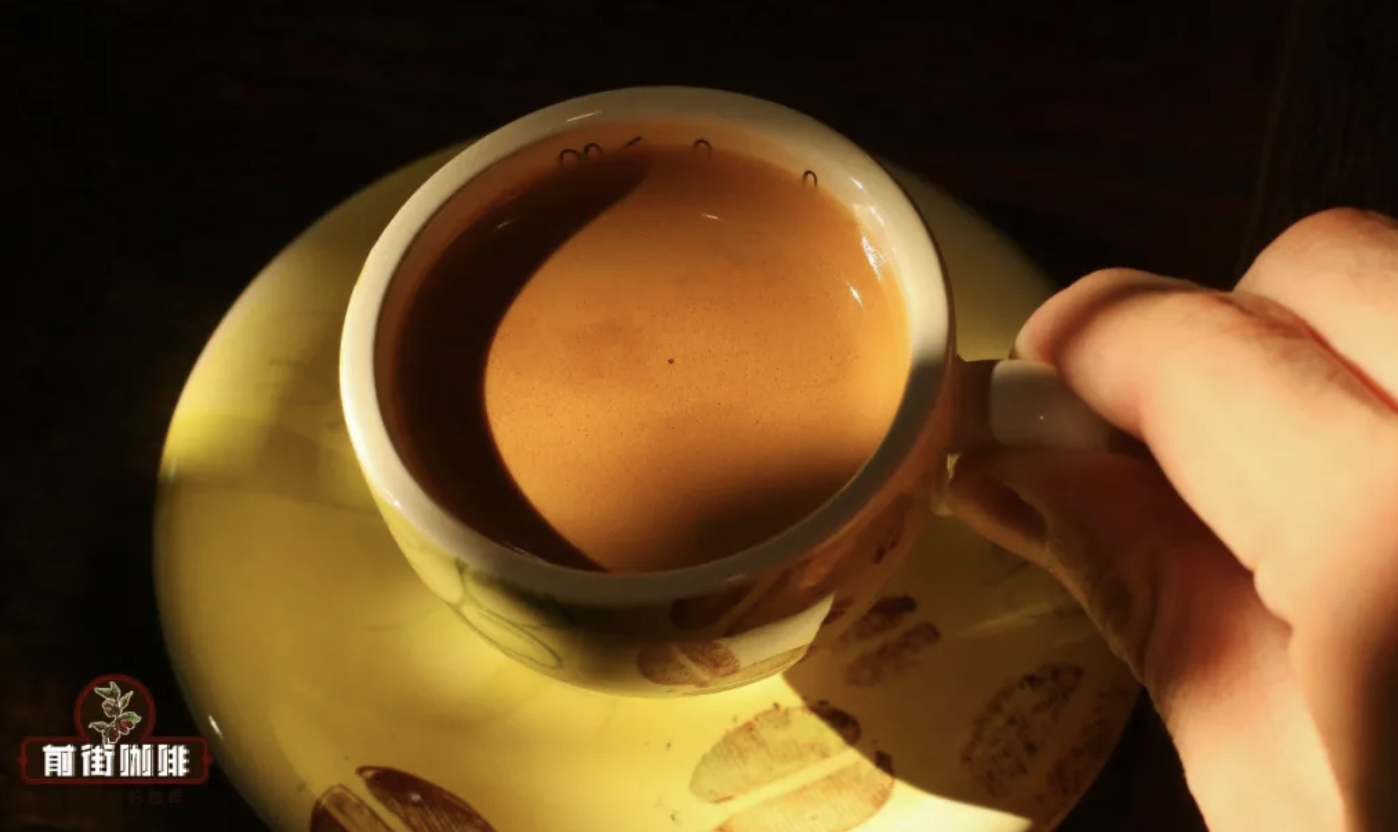
Crema is a fine layer of foam formed during espresso extraction through the emulsification of carbon dioxide and coffee oils. This golden-hued film not only enhances visual appeal but also directly influences the smoothness of the coffee’s mouthfeel, the layering of aroma release, and even the stability of latte art when milk is added. Many home machine users are puzzled by poor crema performance. In fact, by choosing the right coffee beans, even beginners can consistently produce satisfying crema.
When you find that your espresso machine, no matter how you adjust it, still struggles to produce ideal crema, the first thing to check is the type of coffee beans you’re using. Light to medium-roast beans designed for pour over brewing may offer bright acidity and complex flavors, but they usually lack the crema-supporting structure needed for high-pressure extraction. On the other hand, dark roast beans are naturally rich in carbon dioxide, but if they are over-roasted or stored for more than three weeks, the internal gases dissipate, making it equally difficult to form a rich crema layer.
The formulations of professional espresso blends are intentionally designed to balance crema retention with a full-bodied taste. These blends typically mix Arabica beans from different origins, controlling the roast level to preserve an appropriate amount of carbon dioxide while ensuring the ground coffee can withstand the 9–10 bar extraction pressure of an espresso machine.
Take a classic Mocha-Java-inspired blend as an example: its combination of Brazilian beans’ nuttiness and Mandheling’s medium-dark richness creates excellent crema support. The nutty sweetness and solid body from the Brazilian beans, paired with Mandheling’s distinctive herbal notes and heavy texture, allow carbon dioxide and oils to emulsify evenly during extraction. Even with entry-level semi-automatic machines, as long as basic parameters are correct, you can consistently extract a fine and creamy crema layer.
These crema-performing beans are especially beginner-friendly. Recommended initial settings are:Single shot: 12–14 grams of coffee,Double shot: 18–20 grams, with a grind size similar to superfine sugar (about 20% finer than typical pour over beans). Extraction time should be controlled within25–30 seconds, yielding a single shot volume of about 30 ml and a double shot around 60 ml. In practice, observe the color of the crema — an ideal layer should appear amber to hazelnut in color, be at least 3 mm thick, and last for over two minutes.
It’s worth noting that moka pot users should pay extra attention to a coffee bean’s crema potential. Since moka pots operate at just 1–2 bar of pressure — much lower than the standard pressure of espresso machines — if the beans themselves have insufficient carbon dioxide or too low extraction resistance, the resulting brew can turn out bland. In such cases, selecting a crema-rich blend can effectively compensate for the equipment’s pressure limitations, ensuring the brewed coffee retains sufficient flavor intensity even when consumed straight, and delivers a smoother mouthfeel when milk is added.
For first-timers, follow this simplified process: first ensure the coffee dose and grind size are well-matched (check for channeling or blockage during extraction), then gradually adjust for pressure stability. These crema-focused blends are quite forgiving — even if parameters aren’t perfectly dialed in, they can still produce an acceptably crema-covered shot. Once you’ve mastered the basics, you can further fine-tune advanced parameters such as water temperature (recommended 90–93°C) and pre-infusion time.
In summary, to achieve café-quality crema at home, start by selecting blends suitable for high-pressure extraction. Beans that offer both consistent crema output and balanced flavor allow users to focus on mastering machine operation techniques without the need for frequent equipment upgrades, enabling a professional-level extraction experience.
The above content is compiled by CoffeeHunters, a coffee news website.

