Introduction:Europe is not only the world’s largest coffee consumer market but also plays a central role in coffee bean imports and the industry supply chain. According to authoritative reports, Europe consumes nearly 30% of the world’s coffee, generating substantial employment and economic value. This article provides an in-depth analysis of the distribution of major importing countries, the function of key transshipment hubs, as well as the dependency of specific regions such as Burundi and Uganda on European markets, while revealing which seaports and regions play critical roles.
A survey report by the European Coffee Federation (ECF) indicates that Europe is the world’s largest coffee market, accounting for approximately 28% of global coffee consumption. This figure not only reflects Europeans’ love for coffee but also represents the region’s significant position in global coffee trade.
Within the EU’s 27 member states, ECF-related trade activities account for up to 90% of coffee imports, demonstrating its immense influence on the overall European coffee market. This is not merely a consumption phenomenon but a highly valuable industry chain covering a wide range—from import, roasting, to retail and hospitality services.
The study also reveals that the coffee industry directly creates about 1.5 million full-time jobs within the EU, contributing as much as €84.4 billion (approximately $96.1 billion) in added value. Notably, around 87% of these positions are concentrated in the HORECA sector (hotels, restaurants, and cafés), including frontline consumption venues such as coffee shops, restaurants, and hotels.
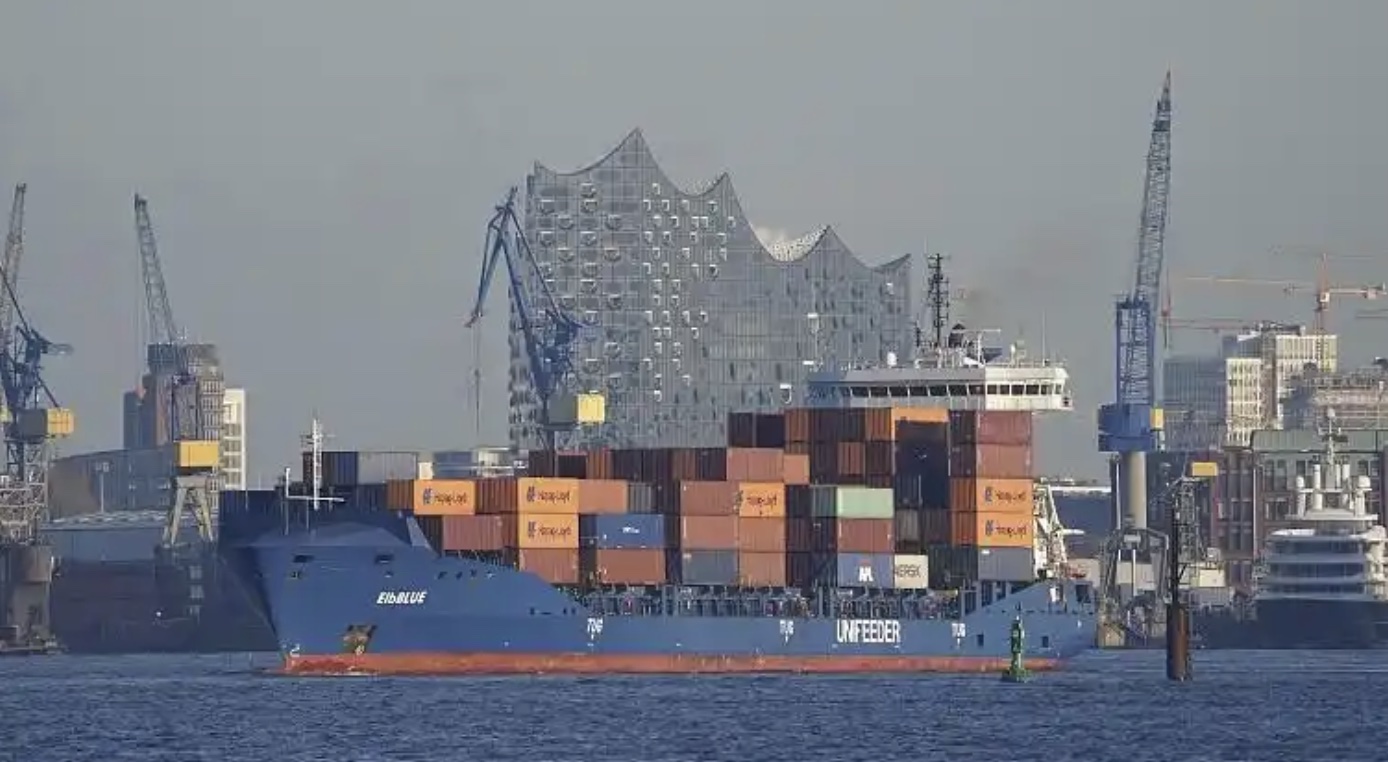
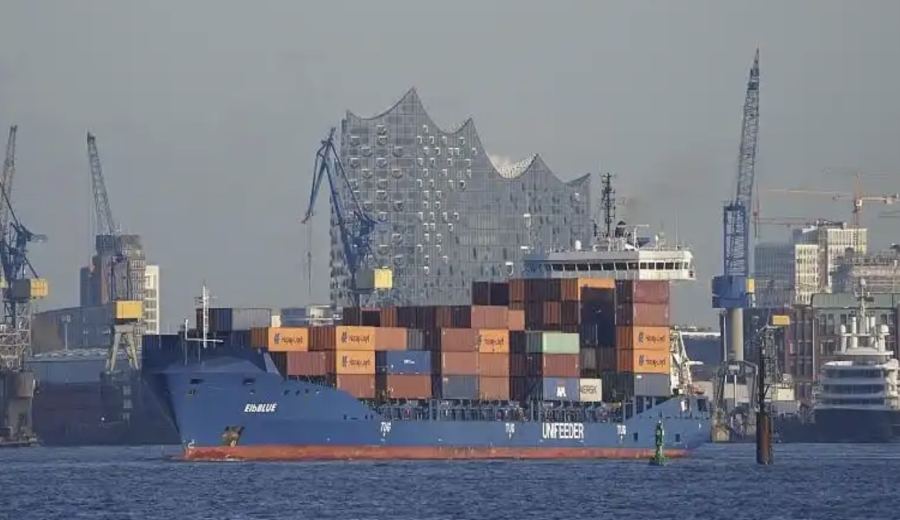
In terms of import volume, Germany is the largest coffee importer in the EU, handling over one-third (34%) of the total EU coffee imports, amounting to 1.01 million tonnes. The Port of Hamburg is the primary entry point, but it’s worth noting that not all imported coffee remains in Germany for domestic consumption. Both Hamburg and Bremen/Bremerhaven are also key coffee transshipment centers in Europe, where many beans are re-exported to other EU countries.
Next is Italy, the second-largest coffee importer in Europe, which imported approximately 606,000 tonnes of coffee in 2025. Italy’s import routes carry strong historical characteristics, with the majority of coffee entering through two major seaports—Trieste and Genoa. These ports are not only logistics hubs but also bear the deep cultural heritage of Italian coffee.
In addition to the major importing countries, the report also specifically explores the critical influence of the European market on certain African regions, such as Burundi and Uganda. The survey found that up to 91% of Burundi’s coffee production is ultimately sold to Europe, highlighting its high dependence on the European market. However, Burundi’s coffee output accounts for only about 0.2% of Europe’s total imports, making it a niche but stable supply source.
In contrast, Uganda is one of the world’s leading coffee producers. Europe’s imports from Uganda account for 5.6% of the total European coffee imports, a proportion equivalent to more than half of Uganda’s annual coffee production, underscoring the undeniable importance of the European market to Uganda’s coffee industry.
Dr. Andrew Lilico, Executive Director and Head of the European Economics Research Institute, stated that this report offers valuable insights into understanding the coffee value chain. He noted: “We are pleased to contribute to this comprehensive assessment of the coffee economy across the EU 27.” He also emphasized, “The research findings, based on empirical data, clearly illustrate how the coffee value chain supports employment and economic activity.”
The above content is compiled by CoffeeHunters, a coffee news website.