







Introduction:Want to improve your ability to identify coffee flavors? In addition to drinking more and comparing different brews, it’s essential to train your sense of smell and taste. This article will guide you through how to build a coffee sensory system, explain how to use aroma kits and offer tips on selecting them, helping you progress from a coffee novice to a connoisseur who can clearly articulate flavor details.
With the rise of specialty coffee culture, more and more consumers are no longer satisfied with just “drinking coffee,” but want to deeply understand the aromas, flavors, and layers behind each cup. In this trend, not only baristas but also everyday coffee drinkers are beginning to focus on how to train their senses and develop a refined perception of coffee.
The growing popularity of specialty pour over coffee is a concrete reflection of market demand. Many coffee shops have adjusted their counter designs—not just allowing customers to observe from afar, but inviting them to sit closer to watch the entire process from grinding to brewing. Baristas may also actively guide you to smell the dry fragrance, which could be fresh jasmine, rose, or bright citrus notes, then invite you to sip and share what flavors you perceive. This interaction is not just service, but also a process of cultivating flavor perception.
We often assume that “eating” or “drinking” relies primarily on taste, but in fact, flavor is the result of multiple senses working together. Smell, taste, touch, and even sight and hearing all influence our overall experience of a cup of coffee. Studies show that our memories also greatly affect how we judge flavors. Therefore, focusing on smelling the coffee before drinking is the first step toward improving your coffee appreciation skills.
Scent is an invisible and intangible yet highly penetrating presence. To train your sense of smell, you can start with daily life—pay attention to various aromas around you, such as fresh grass, asphalt, flower markets, spice stalls in vegetable markets, or even the jars of seasonings in your kitchen. These exercises can help you categorize scents, such as floral, fruity, nutty, woody, or smoky, gradually building your own “aroma database.”
When you begin tasting coffee, these scent memories will become your flavor clues. A single cup of coffee might emit citrus, caramel, nutty, or even herbal notes—all natural characteristics of the coffee itself and key factors in evaluating roast level and origin.
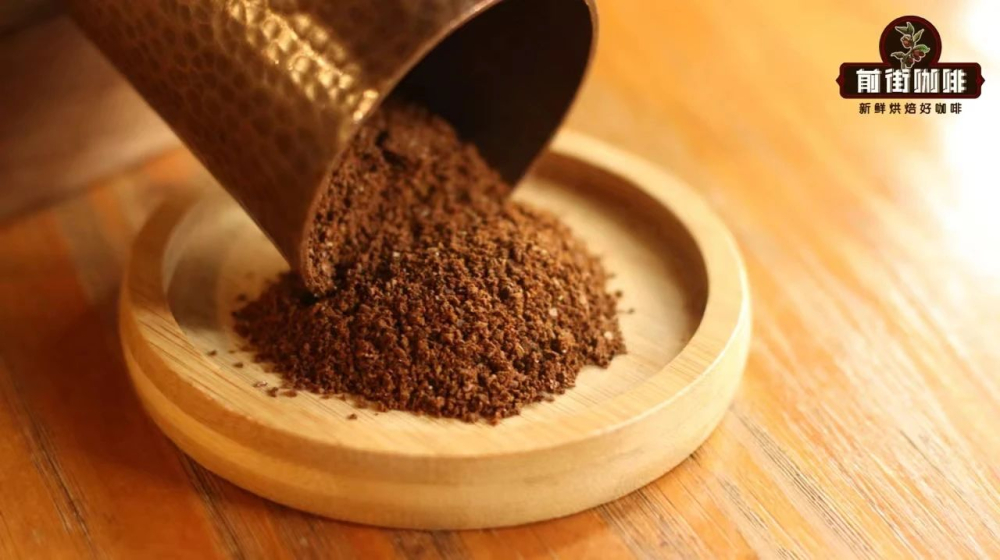
There is a close connection between smell and taste. When you smell berry or caramel aromas, you can often anticipate similar flavors in your mouth. Conversely, if a coffee’s aroma is weak, it may also affect your overall flavor judgment. In such cases, a well-trained olfactory memory can help you more accurately capture the coffee’s hidden qualities, and even infer whether the roast technique was appropriate.
For example, the Maillard reaction is an important chemical reaction during coffee roasting that produces aroma and flavor. By observing and sniffing, baristas can adjust heat and time in real time to shape the desired personality of the coffee. For regular consumers, building such olfactory associations can also give you more direction when sensing and describing the flavors of your coffee.
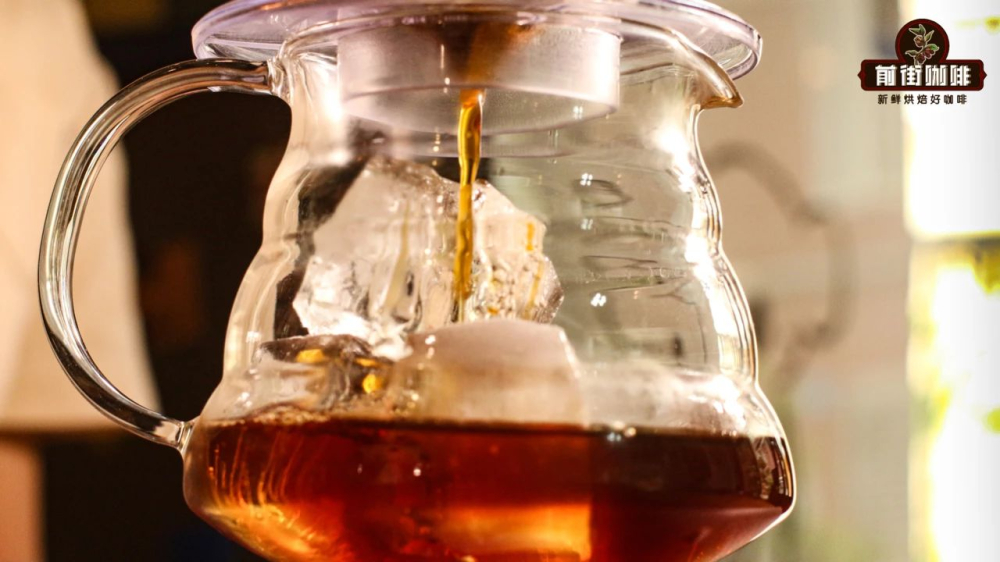
On the taste front, the four basic tastes we are most familiar with are sour, sweet, bitter, and salty, which are mainly detected by taste buds on the tongue. Different areas of the tongue vary slightly in sensitivity—for instance, the tip is more sensitive to sweetness, while the back is more responsive to bitterness. When you take a sip of coffee, let it linger in the front of your mouth first, and notice whether the acidity is bright or dull, whether it’s the freshness of lemon or the depth of berries.
Additionally, the aftertaste after swallowing is another important aspect of coffee evaluation. Some coffees leave a warm sweetness in the throat, while others exhibit lingering acidity or a clean finish. These details are all elements that contribute to the full flavor profile of a cup of coffee.

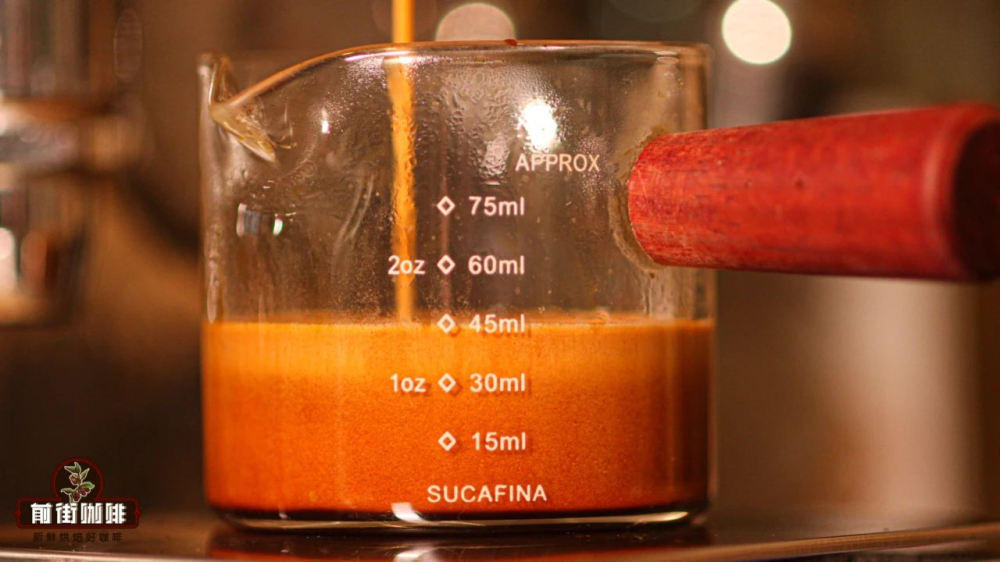
Besides taste and smell, touch also plays a key role in the coffee experience. We often use words like “smooth,” “full-bodied,” “velvety,” or “light as water” to describe the mouthfeel of coffee. These sensations primarily come from the coffee’s “body”—its texture and weight in the mouth. Pour over coffee typically has a cleaner, lighter mouthfeel due to the paper filter removing some oils, whereas espresso retains a rich crema and oils, resulting in a thicker, more intense body.
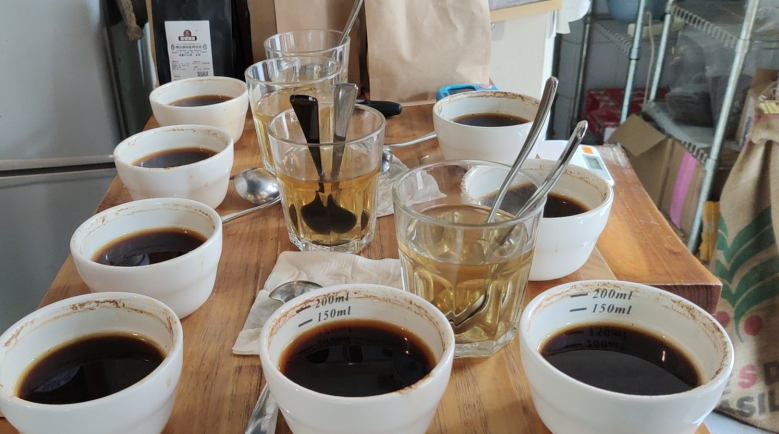
If you want to further train your sense of smell and taste, you can start with everyday activities, such as eating different kinds of fruits, smelling their aromas, and taking notes. Additionally, using aroma kits is a common and effective training tool. Through aroma kits, you can systematically identify various types of scents, thereby enhancing your sensitivity to coffee flavors.
When using aroma kits, it’s recommended to first sniff the lid or gently shake the bottle to fully release the aroma, then bring it close to your nose and take a careful whiff. You can start with single aromas, then try matching them with actual scents in coffee to train your ability to quickly identify and associate. Be careful not to rely too heavily on aroma kits to avoid olfactory fatigue—keep each training session moderate in duration and pair it with actual coffee tasting.
Currently, two popular aroma kit systems on the market are the French Edition Jean Lenoir’s “Le Nez du Café (The Coffee Aroma Kit)” and South Korea’s Scentone’s “Coffee Flavor Map (Coffee Flavor Map).”
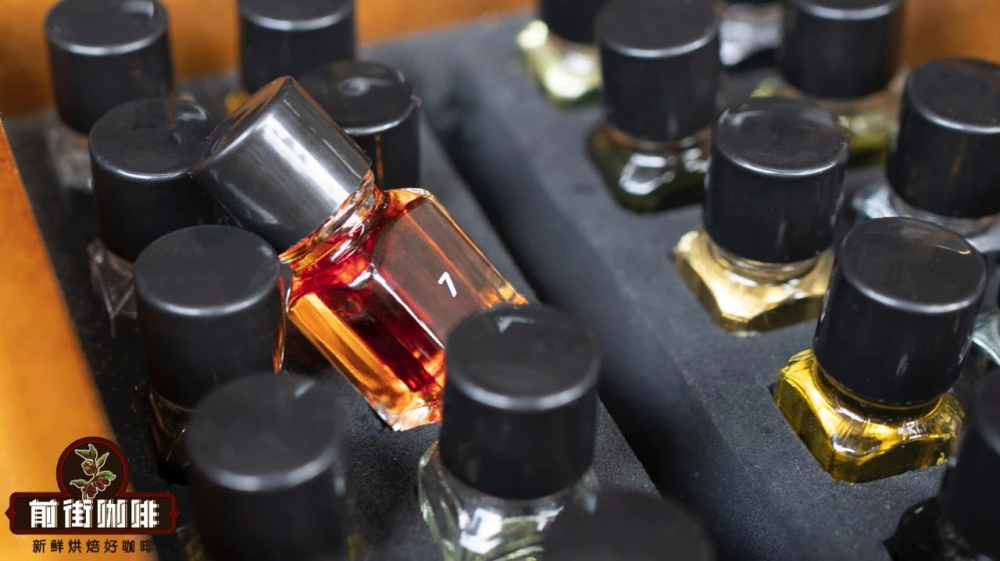
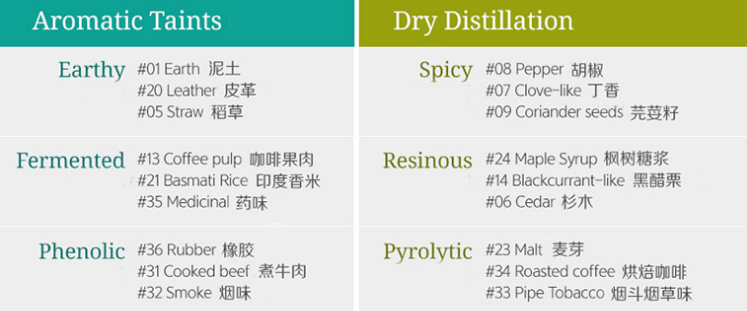
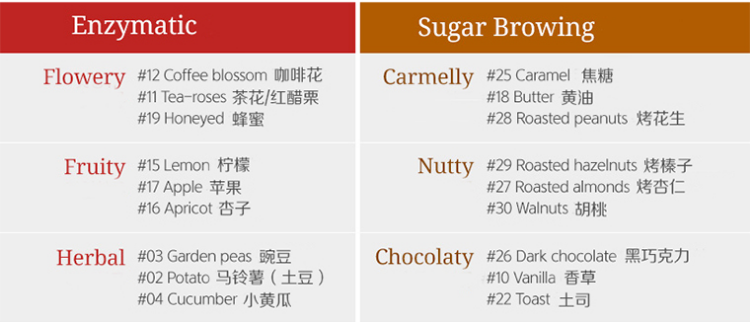
Le Nez du Café (The Coffee Aroma Kit) Includes 36 aromas, divided into four main categories:
1. Enzymatic (Enzymatic Group): Includes lemon, apple, apricot (fruits), potato, cucumber, pea (vegetables), coffee flower, perfume rose, honey (floral/nectar).
2. Sugar Browning (Sugar Browning Group): Such as roasted almonds, roasted peanuts, roasted hazelnuts, walnuts (nuts), caramel, dark chocolate, vanilla (desserts), toast, fresh butter (meals).
3. Dry Distillation (Dry Distillation Group): Such as pepper, vanilla pod, clove (spices), blackcurrant, maple syrup, malt (beverage ingredients), roasted coffee, tobacco, cedarwood (processed).
4. Aromatic Taint (Fault Group): Such as earth, straw, medicinal (wet/musty), rubber, leather, smoke (dry/pungent), coffee pulp, fragrant rice, roast beef (pleasant notes).
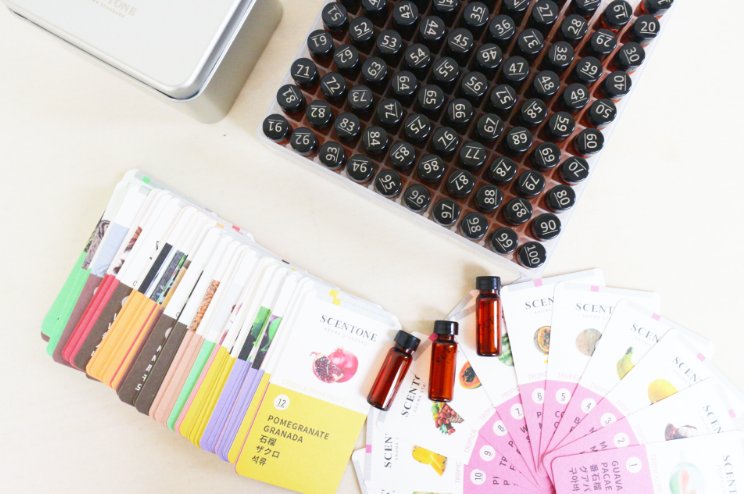
Coffee Flavor Map (Coffee Flavor Map, 100 Flavors) Contains a richer selection of 100 aromas, ranging from tropical fruits like guava, mango, and lychee, to nuts, spices, flowers, dairy products, vegetables, and more—covering almost all the possible flavors that can appear in coffee. This system is suitable for coffee enthusiasts who already have some foundation and wish to further refine their flavor identification abilities.
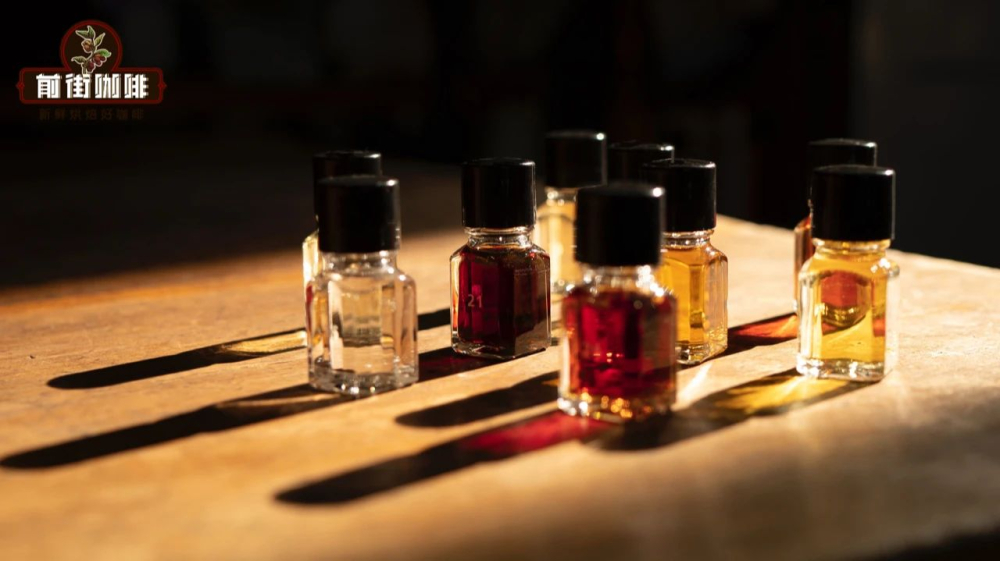
In summary, building a coffee sensory system takes no shortcuts—it requires continuous practice and accumulation. Through smelling, sipping, recording, and comparing, you will gradually master the language of coffee and discover more surprises and nuances with every cup.
The above content is compiled by CoffeeHunters, a coffee news website.


