








Introduction:Want to brew rich and smooth coffee with a moka pot, but often encounter issues like insufficient crema, burnt bitterness, or sourness? This article delves into the workings of the moka pot, helping you master the correct extraction parameters and coffee-to-water ratios, and recommends several practical coffee beans suitable for medium to dark roasts. From grind size to safety tips, get it all in one go so you can enjoy café-quality bold flavors at home.
In recent years, the demand for strong coffee has been on the rise. Thanks to its simple operation and ability to produce rich crema, the moka pot has become the top choice for many coffee enthusiasts. However, many people face extraction failures when using it for the first time—such as lack of crema, overly burnt or bitter flavors, or excessive acidity. These issues are often related to technique and bean selection. So how can you brew coffee with the desired flavor using a moka pot?
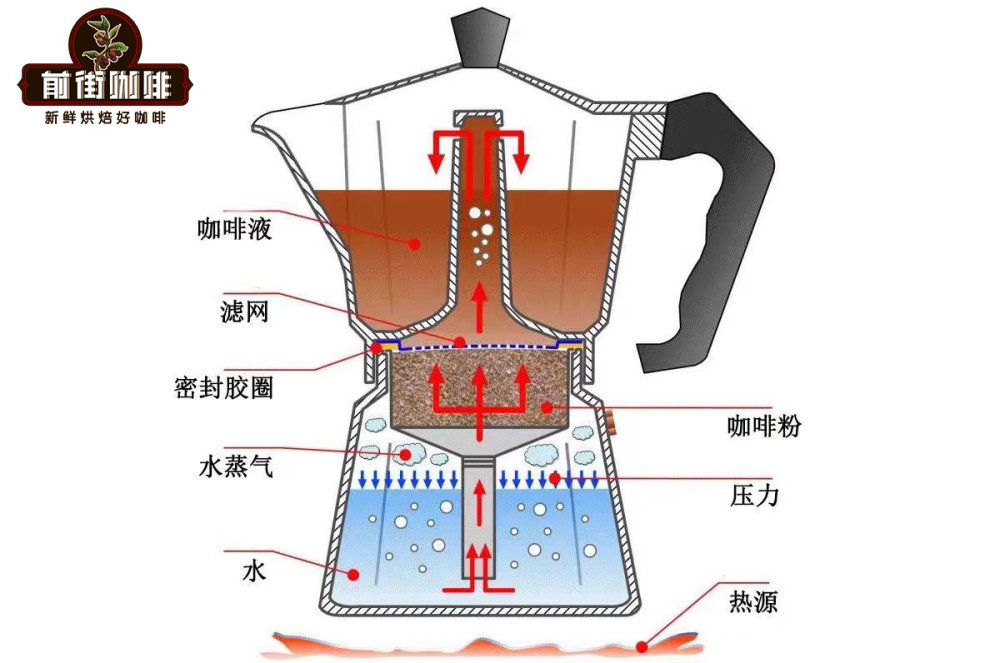
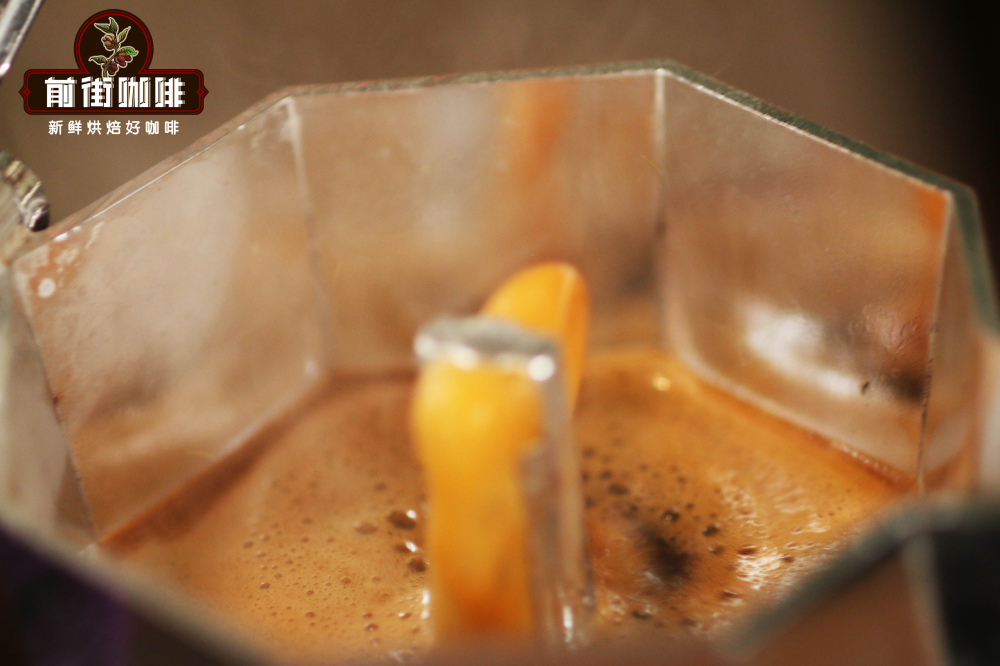
The moka pot was born in the 1930s, inspired by the structure of a washing machine and designed by Alfonso Bialetti. This classic device consists of an upper chamber, a coffee basket, a lower chamber, and a central tube. By heating the lower chamber, steam pressure is generated to push water through the coffee grounds and up into the upper chamber, completing the extraction. Though its principle differs from that of a commercial espresso machine, it can still deliver a rich and intense taste.

Operating a moka pot is simple—just add hot water, place the coffee grounds, and heat. However, compared to a professional espresso machine, its pressure is far below the standard 9 bars, so the liquid extracted is not strictly espresso. Nevertheless, with the right bean selection and grind control, you can still produce a richly layered coffee with a flavor profile similar to espresso.
Given the characteristics of the moka pot, it’s recommended to use medium to dark roasted or dark roasted coffee beans. These beans not only showcase bold aromas but also produce captivating crema during pressurized extraction. Especially freshly roasted medium to dark beans can release charming cocoa and nutty notes during this process.
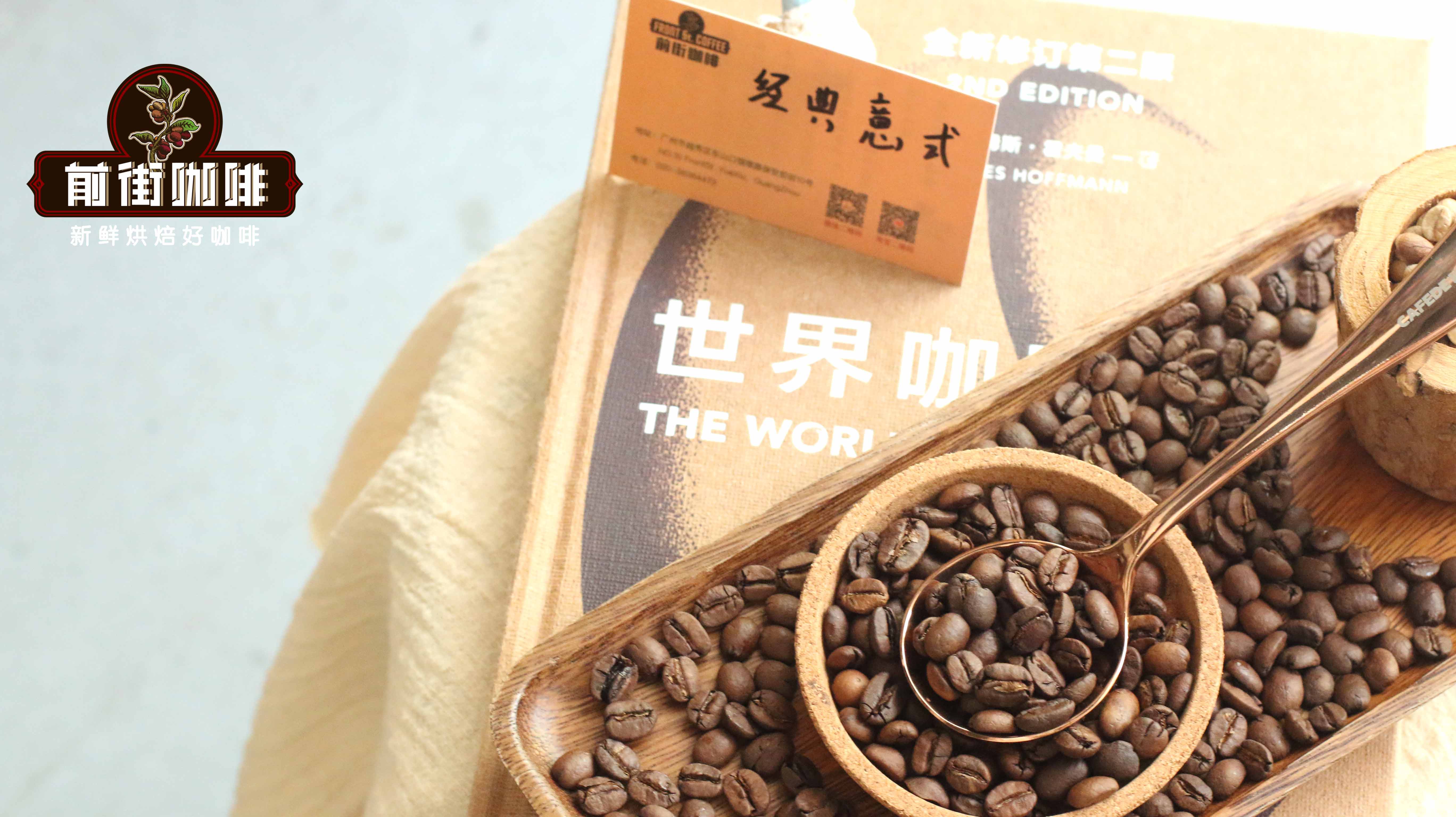
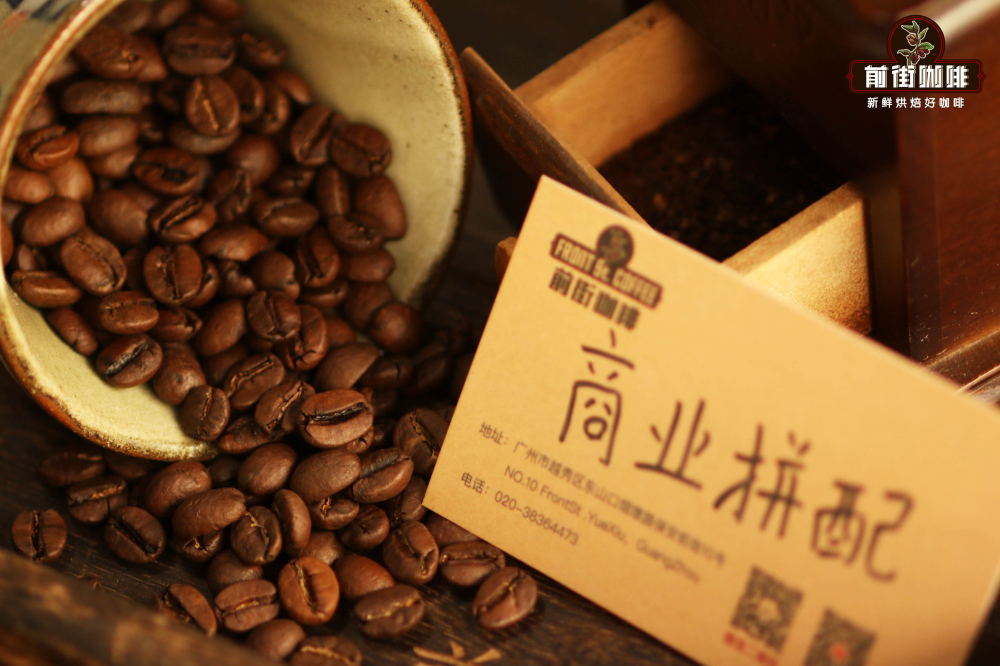
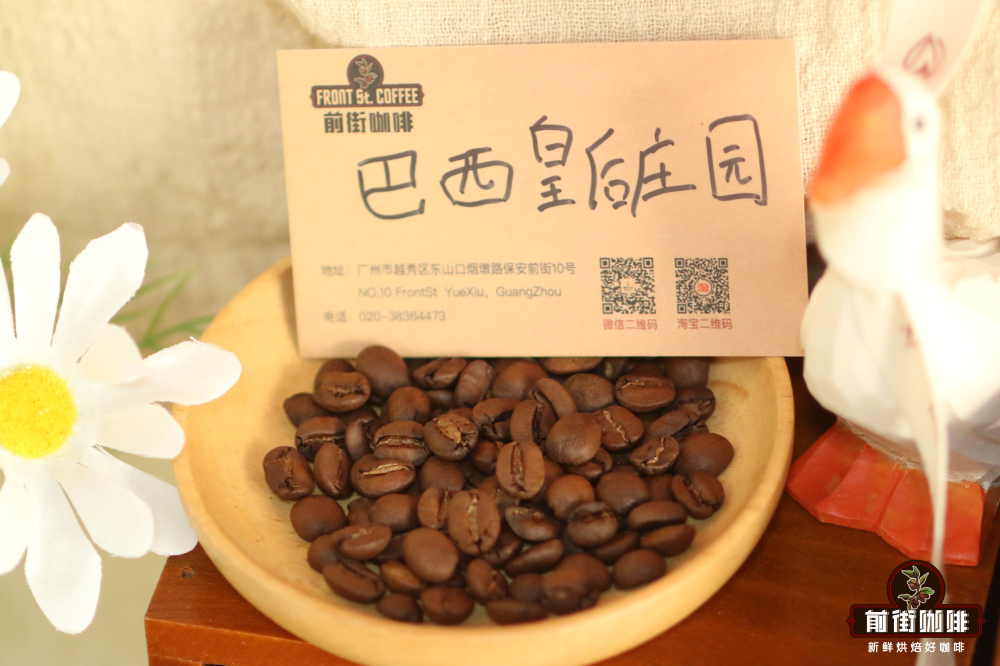
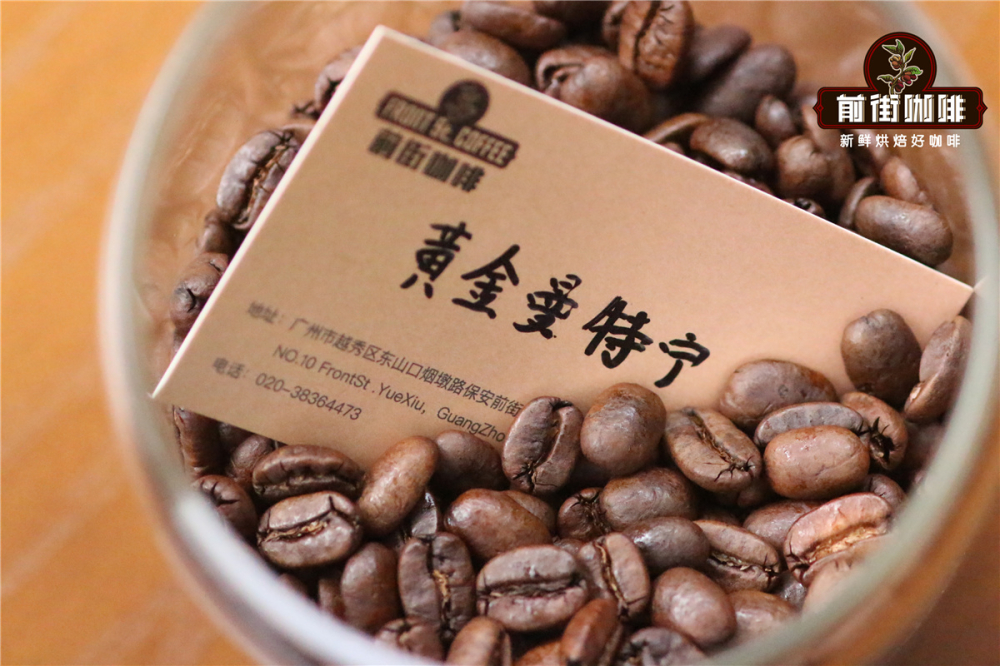
Here are several popular coffee bean recommendations worth trying: First is a classic dark roast blend, offering intense richness and abundant crema, suitable for making various drinks like Americano and latte; second is a commercial-grade dark roast bean, capable of replicating café-level aromatic profiles; third is a medium to dark roasted Brazilian bean, featuring flavors of roasted peanuts, cocoa, and cream, with nutty crema and balanced taste; lastly is a dark roasted Golden Mandheling, showcasing pine, dark cocoa, and caramel sweetness, with low acidity and delicate flavors.
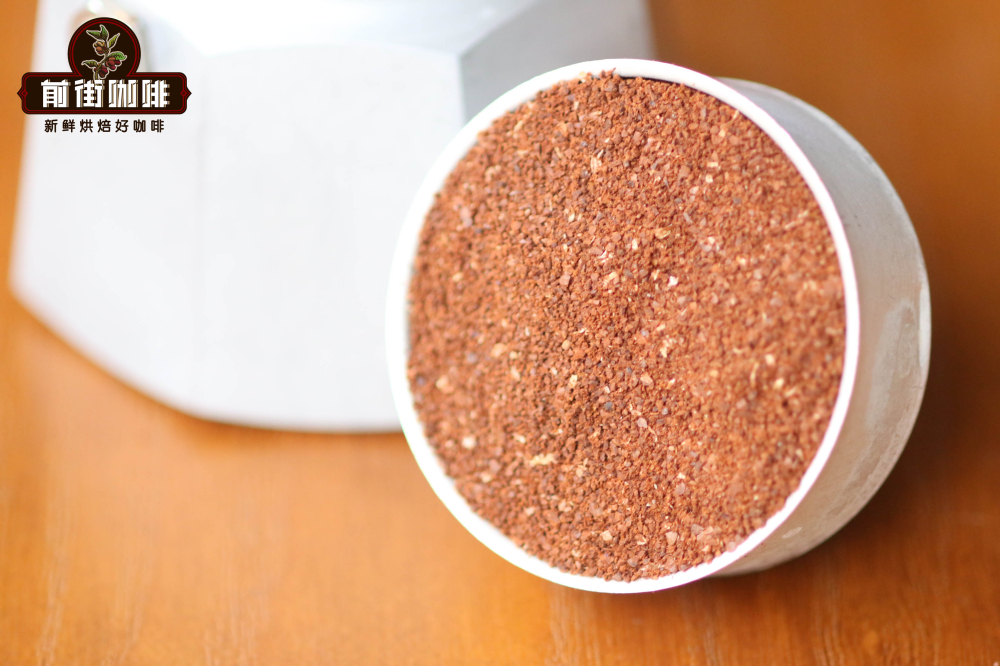
In terms of grind size, the coffee grounds for a moka pot should be between 0.3 to 0.55 mm in diameter, slightly coarser than those used in a standard espresso machine. Since it’s hard to judge precisely by eye, you can use a grind size ruler or fine-tune repeatedly to find the optimal setting. If the coffee sprays out like a fountain, the grind is too coarse; if you only hear a low sound without any liquid coming out, turn off the heat immediately to avoid over-extraction or excessive pressure.
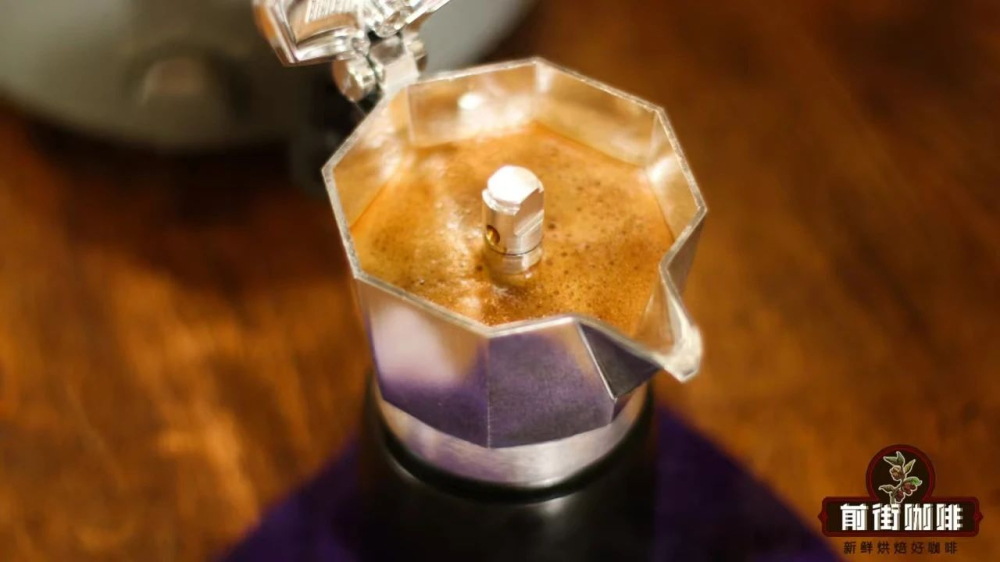
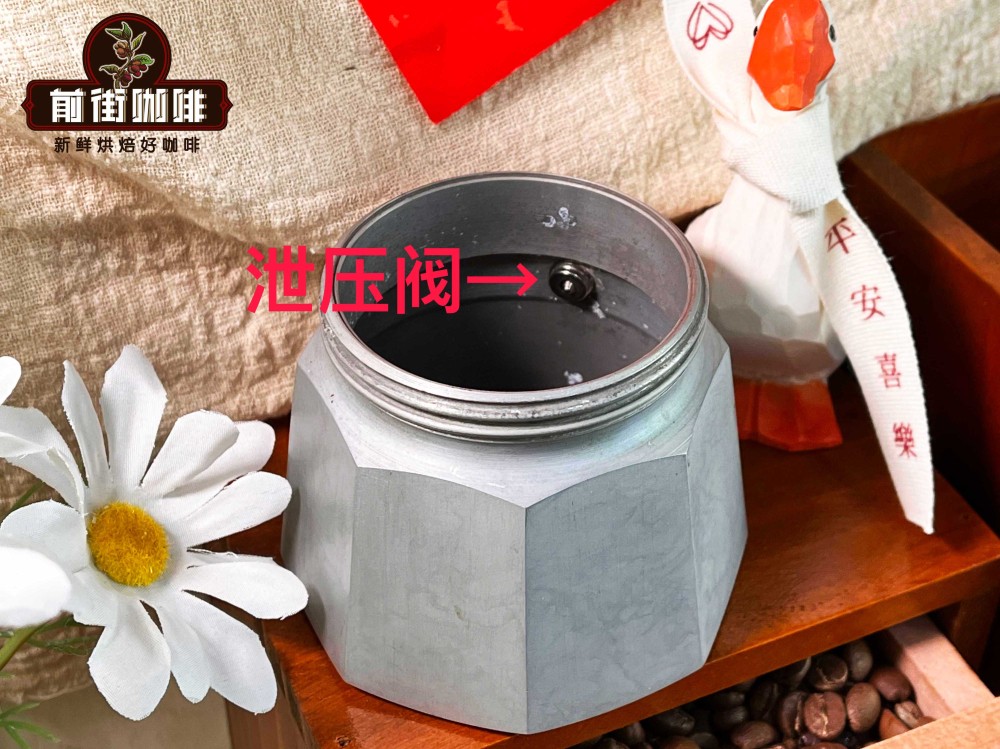
Safety is absolutely the top priority when using a moka pot. Since the lower chamber builds up pressure under high heat, make sure the water level never exceeds the safety valve position to avoid impairing its function and causing danger. Additionally, it’s recommended to use an upper chamber made of heat-resistant glass or metal, and maintain a steady flame during heating to prevent localized overheating and the risk of explosion.
In summary, to brew great coffee with a moka pot, besides mastering the right grind size and coffee-to-water ratio, it’s essential to choose beans suited for medium to dark roasts and pay strict attention to every detail and safety rule during the process. With a bit of practice, you can easily enjoy professional-grade rich coffee at home.

The above content is compiled by CoffeeHunters, a coffee news website.


