







Introduction:Understanding the roast level of coffee beans is fundamental to appreciating coffee. From the bright acidity of light roasts to the rich intensity of dark roasts, different roast stages impart distinctly unique flavor profiles. This article offers a professional analysis of the Agtron color value grading system, helping you grasp the key transition points of each roast degree, and explains how to choose the right roast depth based on your preferences—whether for pour over or espresso—to make more precise selections.
In the past, the market generally favored the smoky aroma and strong bitterness of dark roasts. However, with the rise of specialty coffee trends, consumers have begun to value the unique flavor characteristics of the coffee beans’ regions of origin. Light and medium roasts preserve more floral and fruity notes along with bright acidity, gradually becoming the preferred choice for modern coffee enthusiasts. To deeply understand these differences, it's essential first to master the scientific classification standards of roast levels.
The industry commonly uses the Agtron color value system to evaluate roast levels. This value reflects the intensity of the caramelization reaction on the surface of the coffee beans. According to this standard, roast levels can be finely divided into eight grades, with higher color values indicating lighter roasts. This objective classification method helps consumers clearly understand the characteristic changes at different roast stages.
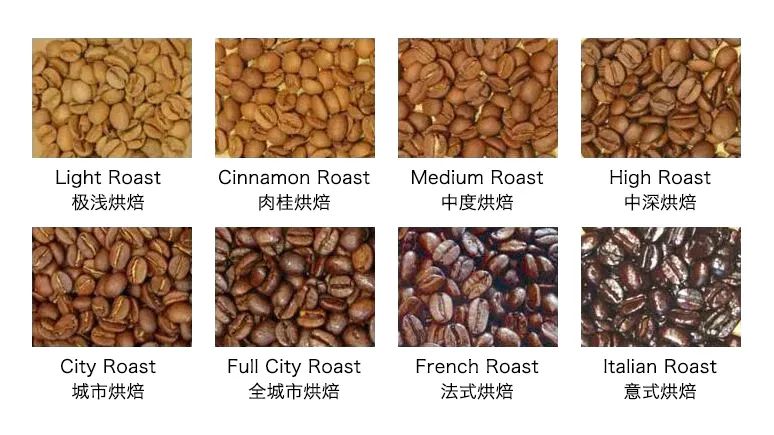
The lightest Agtron 95 belongs to the light roast (Light Roast), typically completed during the dense first crack stage when the beans are still actively cracking. This type of coffee emphasizes bright acidity, ideal for showcasing the unique fruit notes of high-altitude regions. Agtron 85, known as cinnamon roast, is finished just as the first crack is about to end, featuring a balanced acidity and sweetness, often accompanied by honey-like aromatic layers.
Entering the medium roast category, Agtron 75, or medium roast, is completed when the first crack has fully ceased. Sweetness begins to dominate the flavor profile while retaining moderate fruit acidity for support. When the color value drops to 65 for high roast (High Roast), roasters will finish the roast during the silent period before the second crack. At this stage, nutty and caramel notes gradually emerge, with acidity noticeably weakening.
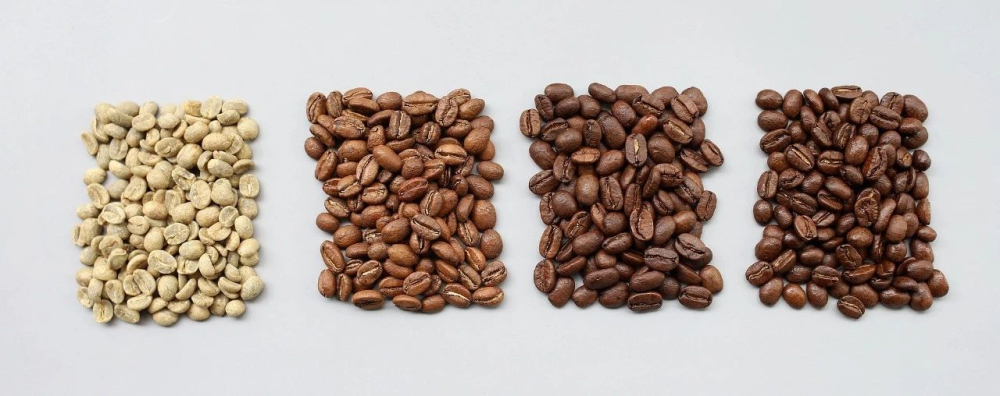
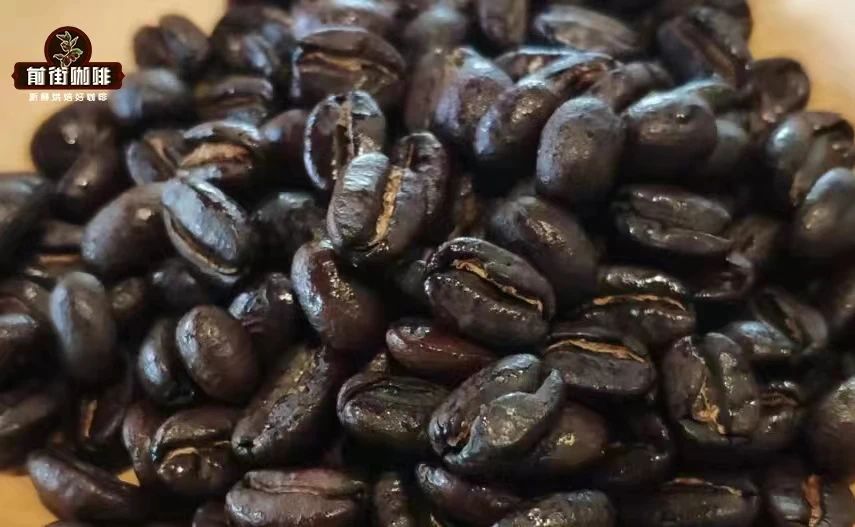
The commercially common Agtron 55, city roast, is completed when the second crack first appears. Caramel aromas become richer, and the proportion of bitterness increases. Full city roast (Full City Roast, Agtron 45) is finished just before the dense second crack, yielding a bolder flavor. French roast (French Roast, Agtron 35) is completed at the peak of the second crack, at which point oils begin to surface on the beans, bringing a distinct smoky quality. The darkest, Italian roast (Italian Roast, Agtron 25), is finished when the second crack ends, with pitch-black, oily beans demonstrating optimal suitability for espresso.
For actual purchasing, consumers don’t need to memorize complex color values. They can simplify them into five categories: light roast (Agtron 85–95), light-medium roast (75–85), medium roast (65–75), medium-dark roast (45–65), and dark roast (25–45). The key is to observe the flavor descriptors—prominent fruit acidity is often found in light to light-medium roasts, while nutty and chocolatey tones mostly belong to medium-dark and darker roasts.
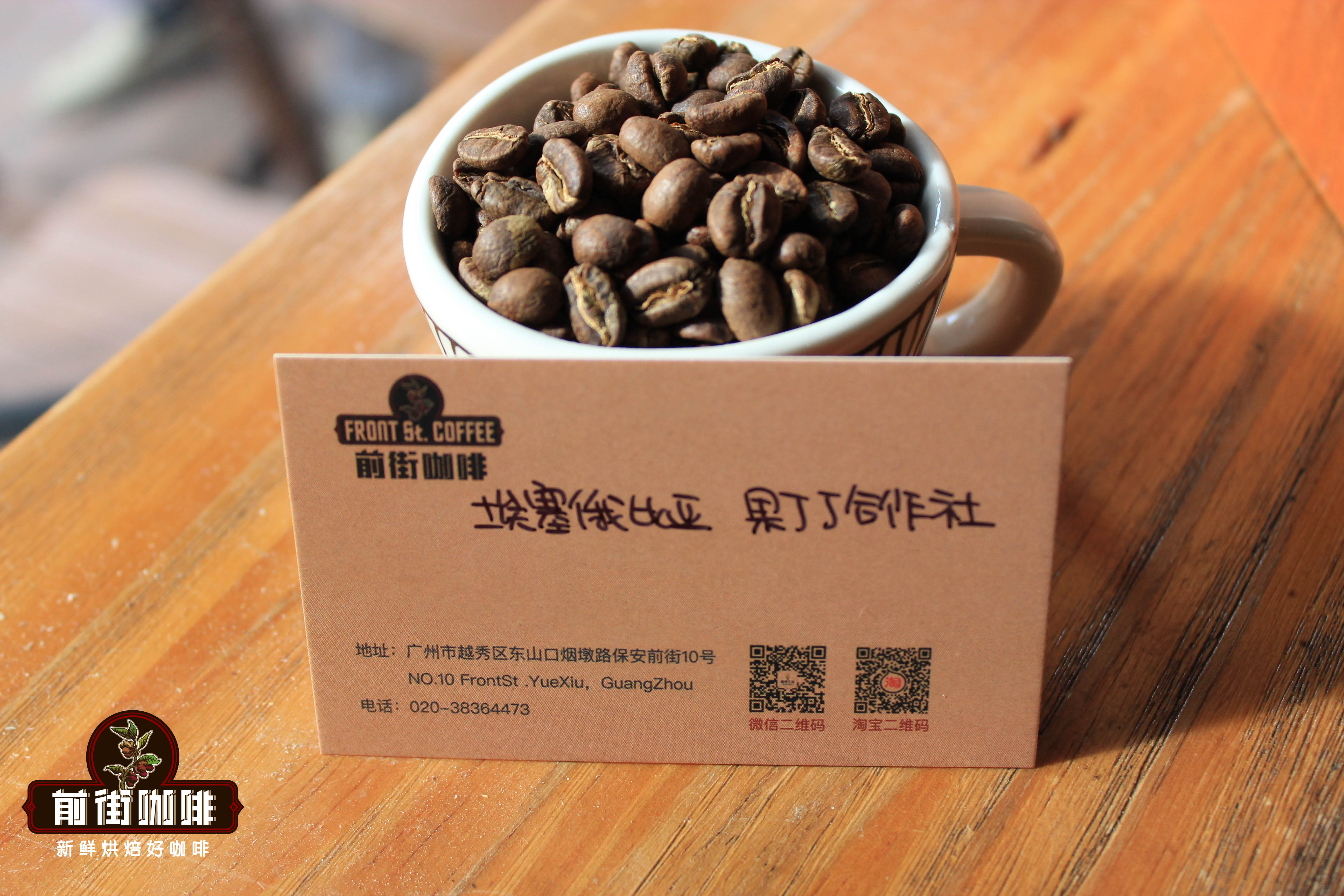
Judging by common flavor profiles: if the package indicates “lemon, citrus, berries,” and other fresh acidic notes, it’s likely a light to slightly medium-light roast, suitable for drinkers who enjoy bright-tasting coffee. For example, some Ethiopian beans are often roasted in this range to highlight their unique citrus and floral layers. Conversely, sweet fruit notes like “melon, grape” suggest a medium-light to medium roast setting that retains acidity while enhancing the sweetness structure.
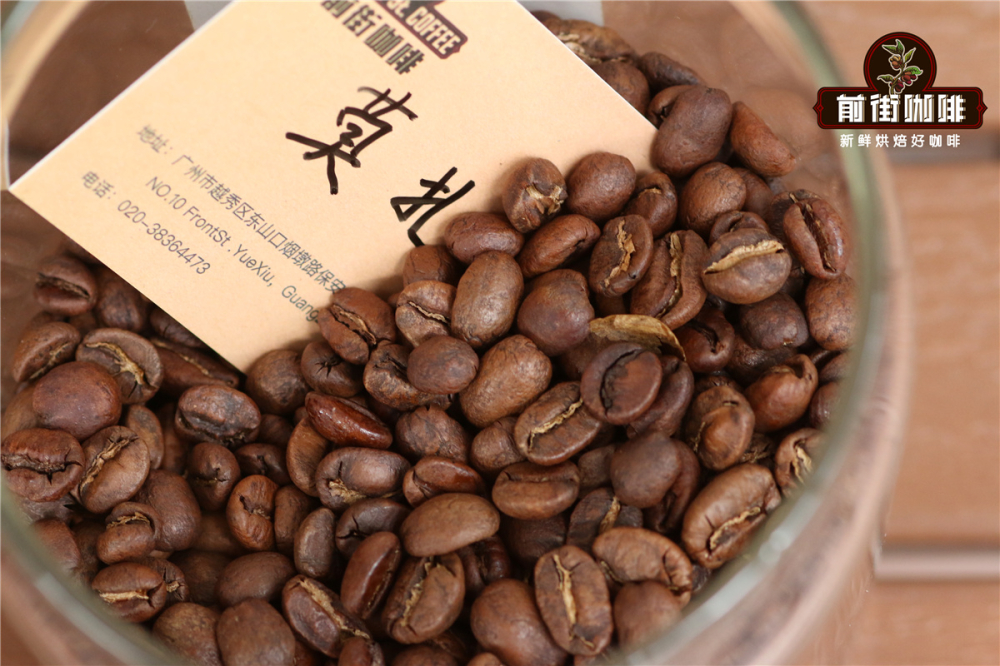
Medium-dark roast ranges (such as Agtron 45–55) often exhibit gentle sweetness like “cane sugar, maple syrup, chocolate,” suitable for consumers who prefer balanced flavors. These roasts emphasize the caramelization characteristics of the coffee while maintaining moderate body. Going further into “nutty, dark chocolate, caramel” flavors (Agtron 35–45) with interwoven bitterness and sweetness allows for a deeper taste experience, commonly found in classic Sumatra or Java bean varieties.
After understanding the relationship between roast level and flavor, beginners are advised to start exploring within the medium roast range, gradually trying how different regions express themselves under the same roast degree. During pour over, pay attention to adjusting grind size and water temperature: for light roasts, a slightly finer grind with higher water temperature (around 92–94°C) is recommended; for dark roasts, a slightly coarser grind with lower temperature (around 88–90°C) can better bring out the unique characteristics of each stage.
The above content is compiled by CoffeeHunters, a coffee news website.

