







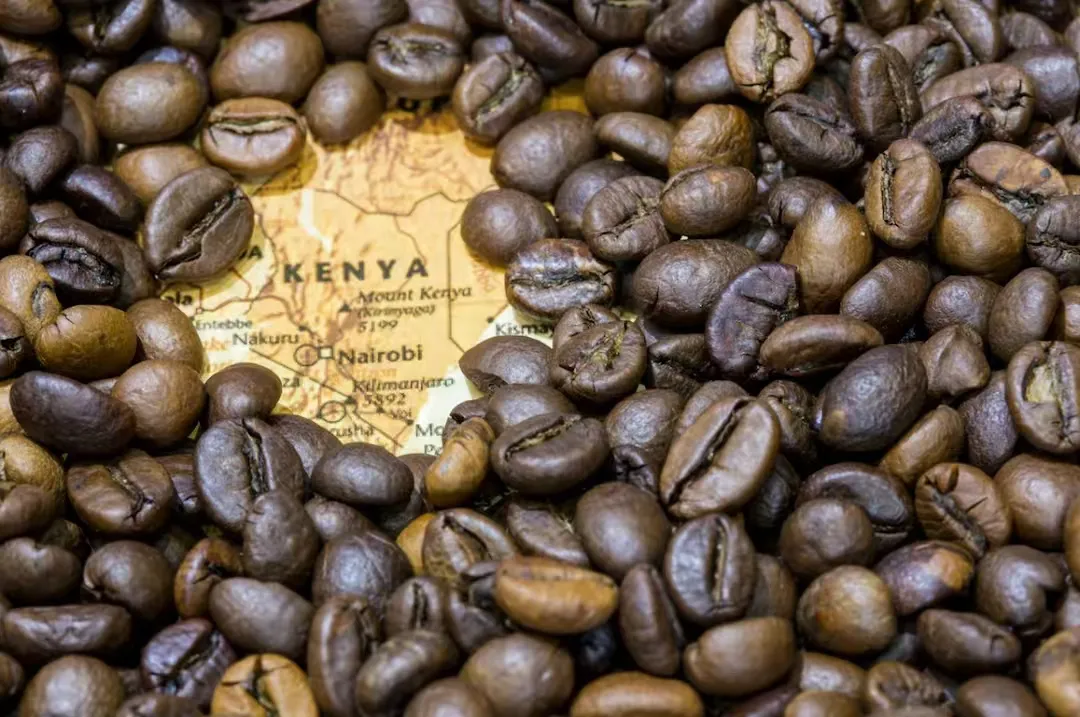
Introduction:The names of coffee beans may seem arbitrary at first glance, but they actually conceal key information about the growing region, coffee variety, and processing method. This article will break down the origins of common names such as Yirgacheffe, Geisha, and Mandheling, analyze the compound naming convention of “origin + variety + processing farm,” and explain how to infer flavor characteristics and quality grades from the name. Beginners no longer have to be baffled when buying beans—start by understanding the logic behind the naming to choose beans more precisely.
Looking back at early coffee trading, the naming approach was extremely straightforward—almost all were labeled with the geographical name of the producing region, such as Brazil, Colombia, or Ethiopia’s Yirgacheffe, using the country or regional name directly as the product designation. This simple classification stemmed from the fact that the industry at the time did not yet place much emphasis on detailed traceability, and most coffee was sold in blended form, which blurred the distinctive regional flavor characteristics.
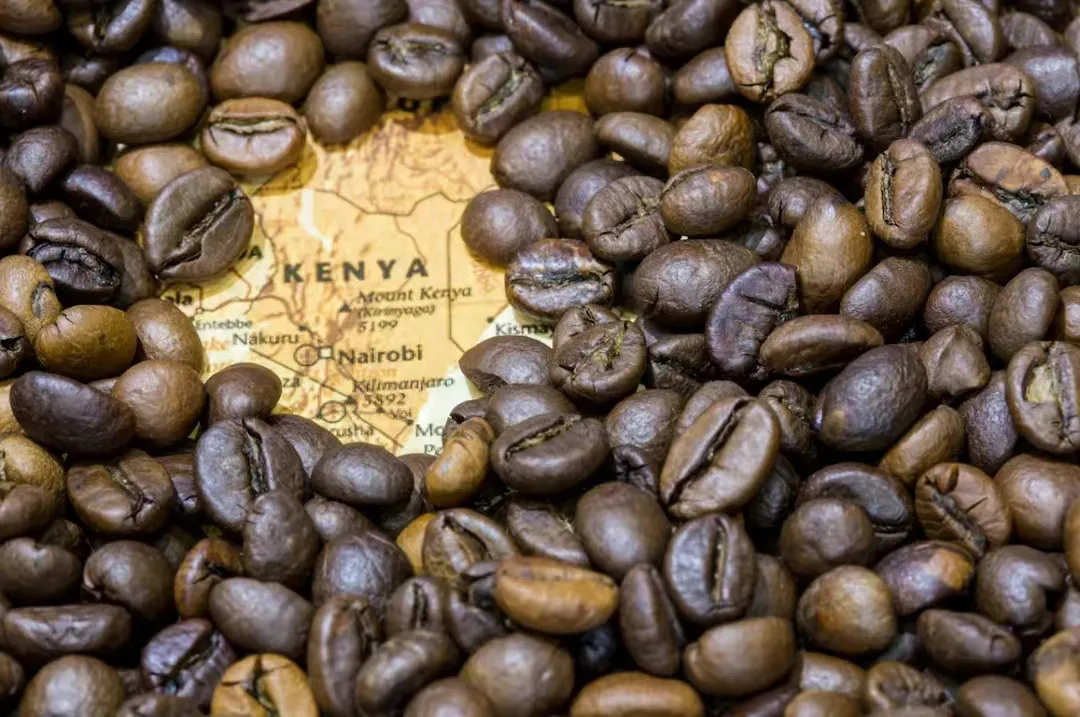
With the rise of the specialty coffee movement, consumers began to pursue specific “regional flavor” profiles, such as bright citrus acidity, rich berry notes, or silky wine-like aftertastes. To highlight these unique flavors, producers had to strictly control factors such as growing environment and processing techniques, and convey product differentiation through a more precise naming system.
Modern coffee naming logic has evolved into a composite structure of “main producing region + subdivision unit.” Common combinations include small region names (such as Kochere in Yirgacheffe), specific processing farms (such as Konga Cooperative), planted varieties (such as Typica or Geisha), and market-oriented product names (such as Strawberry Candy). This shift in naming not only enhances product recognizability but also helps consumers quickly grasp key features.
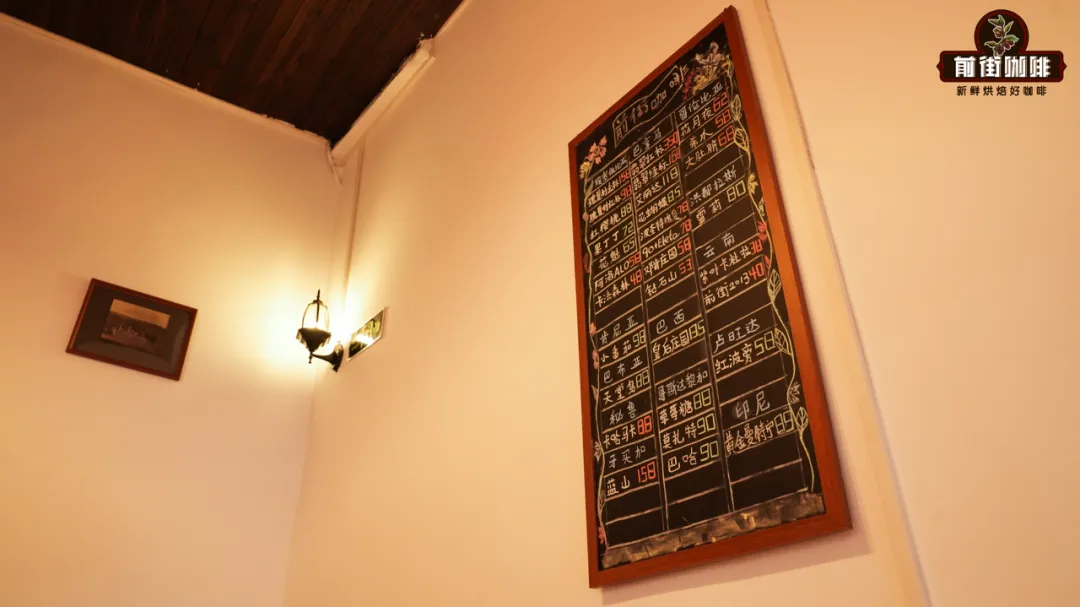
Taking Ethiopian Yirgacheffe as an example, multiple micro-regions within this area are labeled with specific sources through cooperatives or independent farms. For instance, “Yirgacheffe · Guji Dingding” and “Yirgacheffe · Konga” in a coffee bean selection respectively represent batches from the Guji Dingding Cooperative and the Konga Cooperative.The latter typically exhibits brighter lemon acidity and jasmine floral notes.. The cooperative model pools raw materials from multiple farmers for unified processing, while private estates (such as Emerald Estate) maintain full control from seedling cultivation to roasting. There are significant differences between the two in terms of consistency and flavor profile.
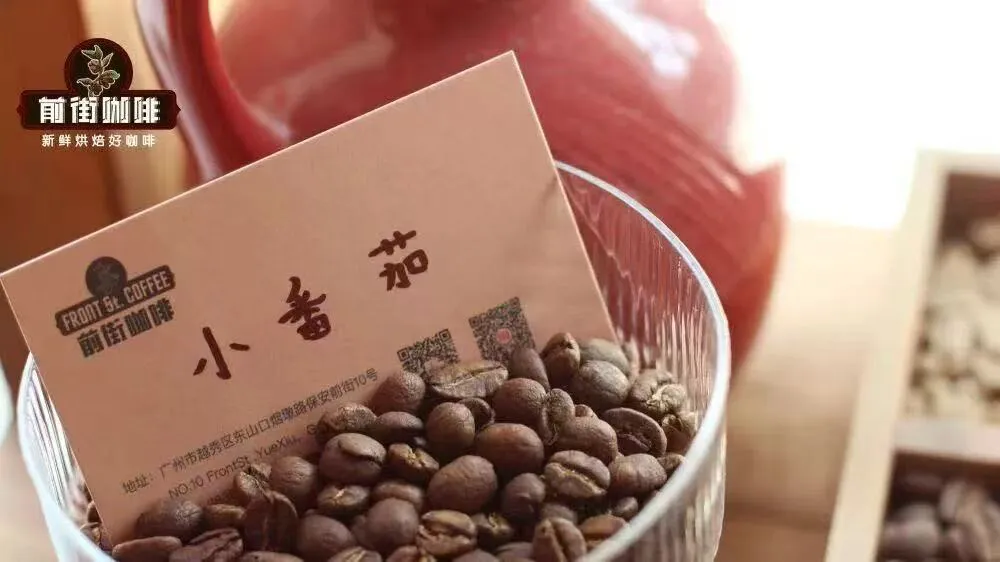
Variety information is often found at the end of the name to emphasize genetic traits or rarity. For example, “Panama Elida Estate · Catuai” clearly indicates the Panamanian origin, the Elida Estate source, and the Catuai variety, the latter being known for its balanced sweetness and nutty notes; Brazil’s Queen Estate · Yellow Bourbon implies its mellow caramel flavor and relatively high sweetness level through the variety name “Yellow Bourbon.” It is worth noting that some processors create image-based aliases based on cupping flavor characteristics, such as Costa Rica’s “Strawberry Candy,” which directly echoes its bright red fruit notes, or Kenya’s “Little Tomato,” which highlights its unique vegetal acidity.
Competition honors and quality grades are also important elements in naming. Champion batches often receive special names, such as “Hua Kui” (Flower Queen), which originates from a competition-winning title and carries the symbolic meaning of “the queen of all flowers.”Grade indicators such as COE (Cup of Excellence), BOP (Best of Panama), TOH (World Barista Championship) top three placements, or traditional classifications like AA, G1, NO.1, all represent high-quality standards that have undergone rigorous screening.. These suffixes not only enhance the added value of the product but also provide buyers with a reference for quality.
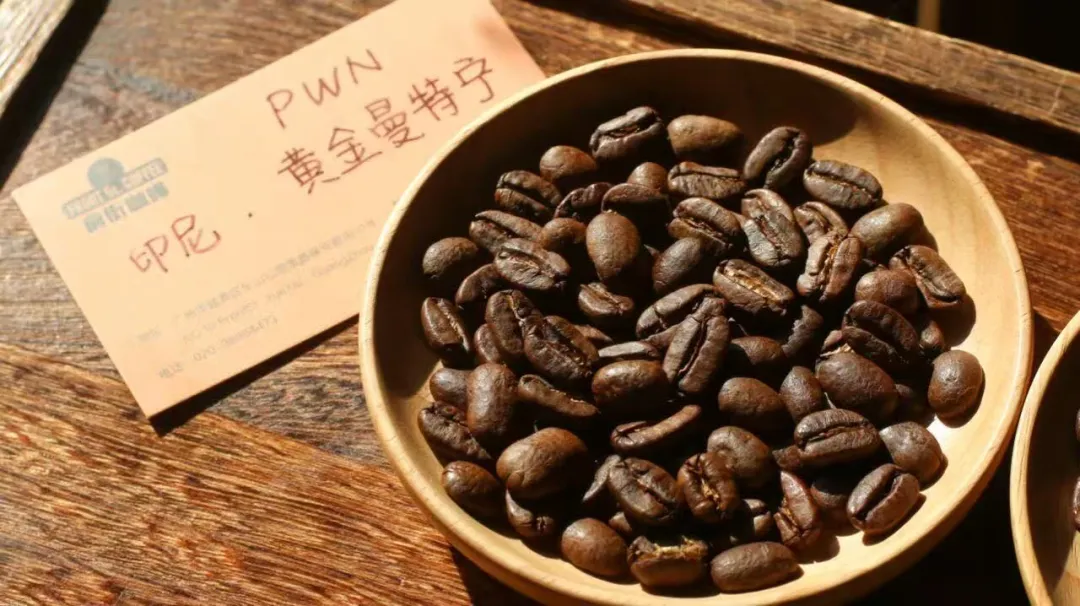
There are also special cases in the naming system. For example, the widely known “Mandheling” is actually a mispronunciation of the name of the Mandailing tribe in Sumatra, but it unexpectedly became the generic term for coffee from that island. To distinguish the characteristics of different Sumatran producing regions, the market has further derived subcategories such as “Golden Mandheling” (from high-altitude selected batches) and “Lintong Mandheling” (a specific regional name).Consumers can judge flavor tendencies and processing differences through these additional terms..

Understanding the logic behind coffee bean naming can effectively improve purchasing efficiency: prioritize observing the producing region and micro-region information to infer the basic flavor profile, pay attention to the variety indication to understand genetic traits, and then use competition grades or product names to assist in judging the quality level. In practice, it is recommended to adjust based on roast level and brewing parameters—for example, high-altitude Yirgacheffe is suitable for light roasting to highlight citrus notes, while Sumatran Mandheling is recommended for medium to dark roasting to bring out spicy and chocolatey aftertastes.
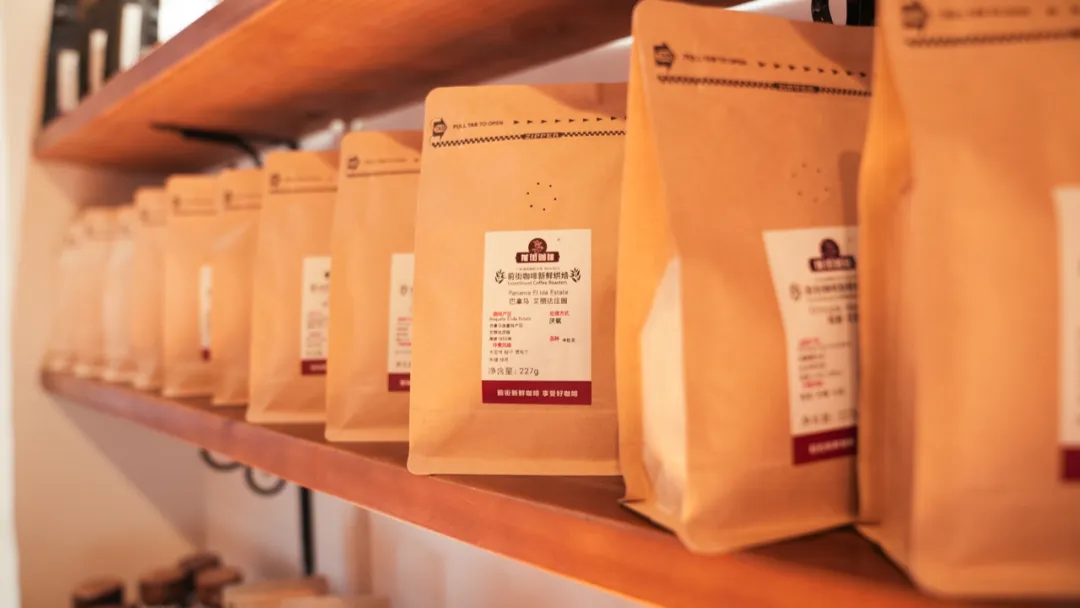
In summary, the modern coffee naming system integrates geographic traceability, varietal science, and marketing strategy, evolving from simple place names into an identification tool rich in information. By analyzing the structure of the name, consumers can more accurately anticipate flavor performance and make choices that suit their personal taste preferences, while also gaining a deeper understanding of the production story and technical essence behind each coffee bean.

The above content is compiled by CoffeeHunters, a coffee news website.

