







Introduction:How should freshly roasted coffee beans be stored to preserve their optimal flavor? How long can ground coffee be kept? And how does grind size affect extraction and taste? This article will delve into the complete storage and grinding essentials of coffee beans from post-roasting to brewing, including carbon dioxide release during the degassing period, the relationship between grind coarseness and extraction efficiency, and provides practical grind size references to help you master the key techniques for brewing delicious coffee.
Storage and Freshness of Coffee Beans
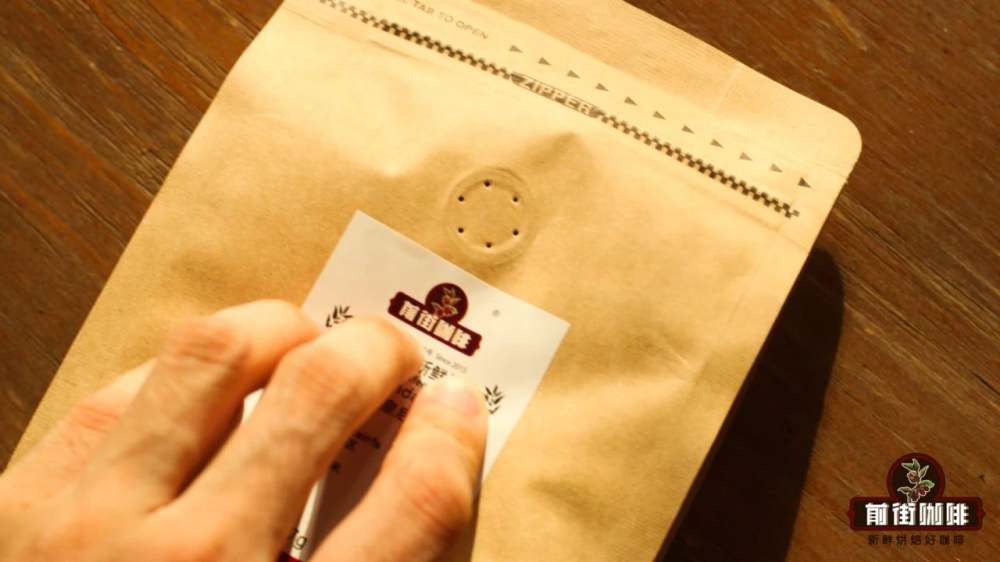
To brew coffee with outstanding flavor, the foremost requirement is to use freshly roasted coffee beans. When purchasing, it is recommended to choose products with aone-way degassing valve(usually a small circular button-like opening on the top of the coffee bag) and a clearly markedroast date. This valve allows the coffee beans to naturally release the large amount of carbon dioxide produced during roasting in a sealed environment, while preventing oxygen and moisture from entering, thereby slowing down flavor deterioration.
Generally speaking, coffee beans continue to emit carbon dioxide immediately after roasting, so it is recommended to let the beans rest for adegas period of 3 to 7 daysto allow internal gases to release naturally and avoid unstable extraction due to excessive gas during brewing. Among them,light to medium roastcoffee beans are recommended to degas for 3 to 4 days,medium to dark roastbeans are recommended for 4 to 5 days, which allows the beans to reach a more stable extraction state.
Optimal Enjoyment Period for Coffee Beans
Although properly stored coffee beans can be kept at room temperature for several months, to achieve the best flavor, it is recommended to consume them within2 months after roasting. Once coffee beans are ground into powder, their surface area exposed to air increases significantly, causing flavor compounds and aromas to dissipate rapidly. Therefore,it is best to drink ground coffee within 20 days. If the coffee beans are no longer fresh, adjusting the grind size will not be able to salvage the loss of flavor.
How Grind Size Affects Coffee Flavor and Extraction
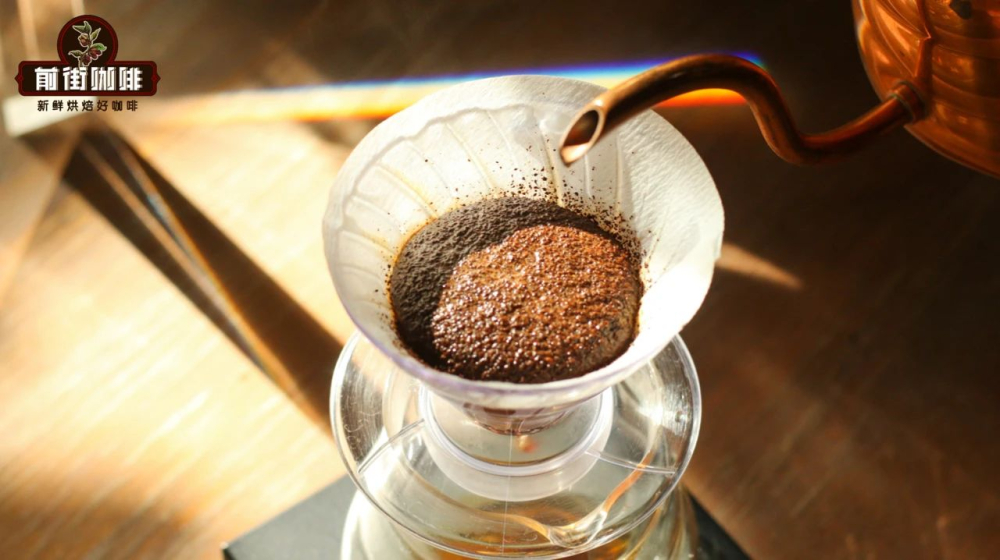
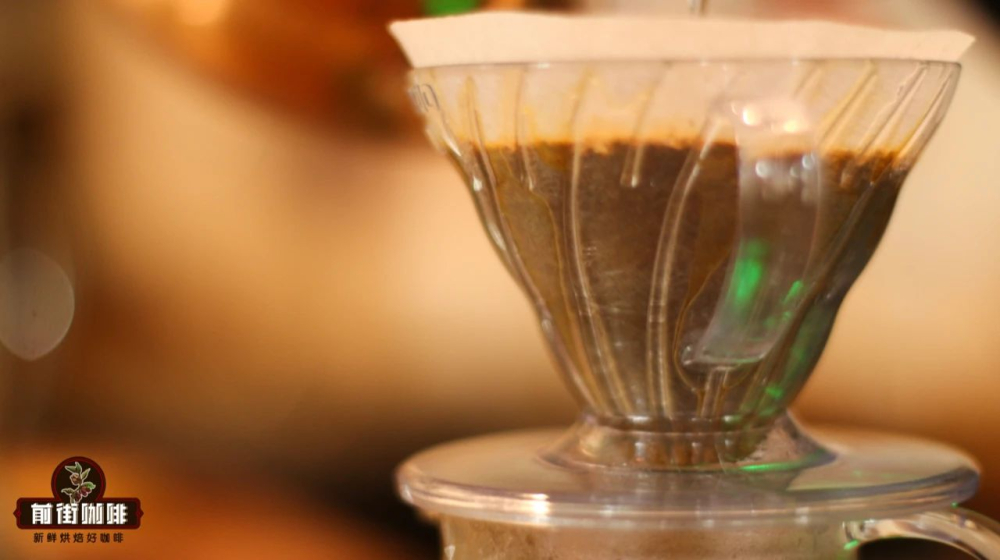
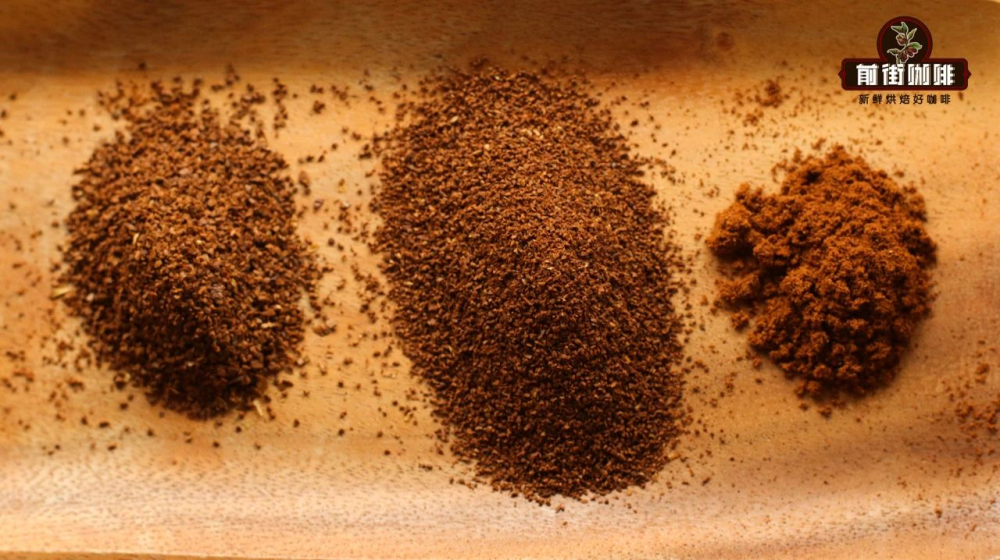
Grind size is one of the key factors that influence coffee extraction efficiency. Simply put, the finer the grind, the greater the total surface area of the coffee grounds, and the more contact there is between water and coffee particles, thereby affecting extraction rate and concentration. Fine grinding increases extraction yield, releasing more flavor compounds, but if over-ground, it may lead to over-extraction, resulting in a coffee that tastes overlyintense and bitter. Conversely, coarse grinding has a smaller contact area and shorter extraction time, which can easily cause under-extraction, making the coffee tasteflat and dull, lacking depth.
The Relationship Between Grind Coarseness and Extraction Performance
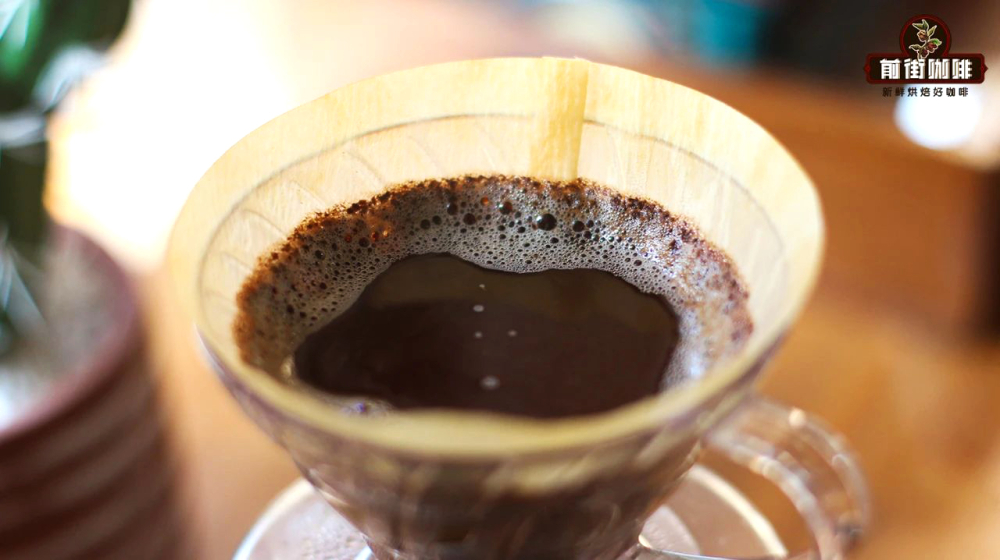
When coffee grounds are too fine, the gaps between particles become smaller, slowing water flow and prolonging dripping time, leading to over-extraction. This results in bitterness and astringency, masking other delicate flavors. On the other hand, if the coffee grounds are too coarse, water flows through quickly, causing under-extraction, making the coffee taste thin and uninteresting, lacking the desired aroma and balance of acidity and sweetness.
How to Determine the Appropriate Grind Size?
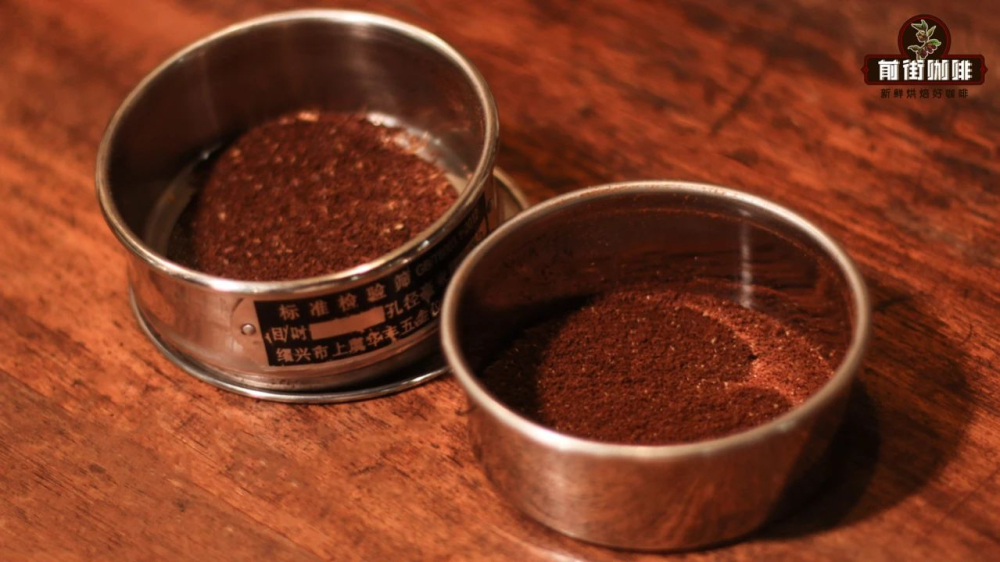
To find the most suitable grind size, you can use asieve (such as a No. 20 sieve, with an aperture diameter of about 0.85mm)for testing. Grind 10 grams of coffee beans and pass them through the sieve, then observe the pass-through rate of the ground coffee to adjust the grinder settings. Recommended sieve pass rates for common brewing methods are as follows:cold drip > pour over > siphon at 80%; moka pot, American drip at 75–80%; cupping at 70–75%; French press at 65–70%. However, these values are for reference only, and actual adjustments should be made based on personal taste preferences.
Grind Size Recommendations for Different Roast Levels
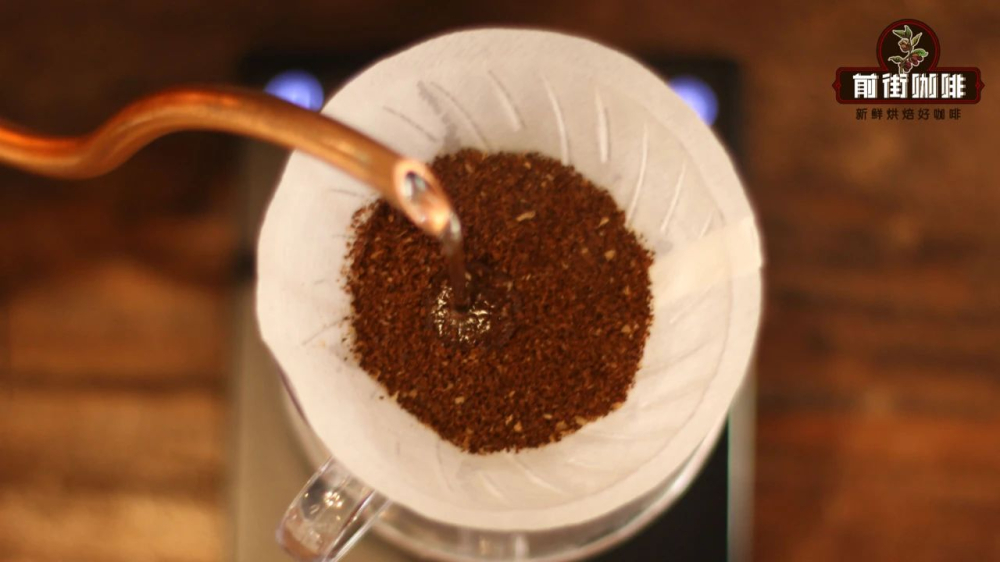
Different roast levels of coffee beans also suggest using different grind coarseness. For example,light roast coffeeis suitable for a grind size with a sieve pass rate of 80–85% to fully bring out acidity and delicate flavors;medium roastcan be adjusted to 70–75% to balance acidity and bitterness; whiledark roastis recommended to use a coarser grind with a 65–70% pass rate to avoid over-extracting burnt, bitter notes. However, taste preferences vary by individual, and these parameters can be flexibly adjusted according to personal liking.
Grind Size Reference for Common Brewing Methods
If you prefer not to use a sieve for testing, you can also refer to the following common brewing tools and suggested coffee grind sizes:
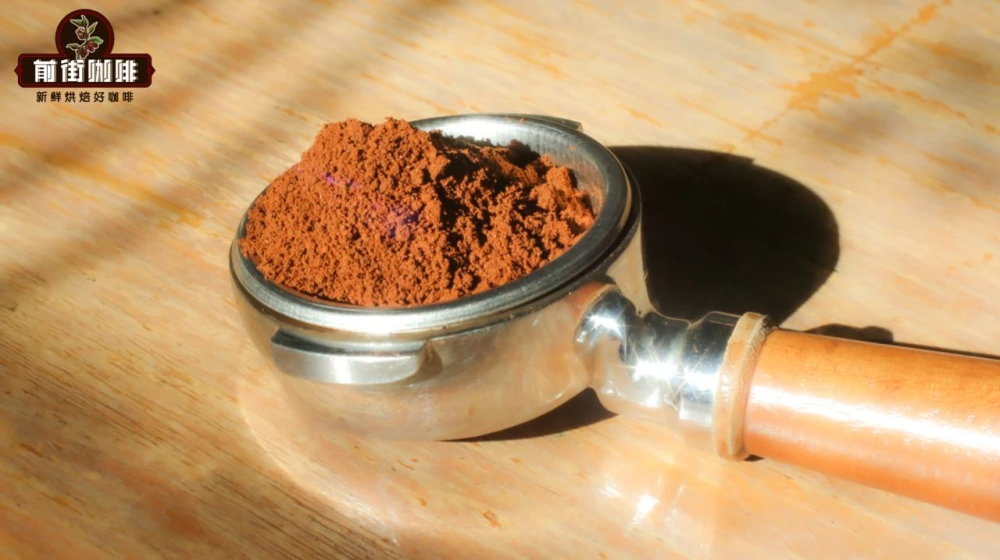
- Extra fine: Suitable for espresso machines, moka pots. This extremely fine grind can withstand high-pressure hot water when tamped, extracting rich crema.
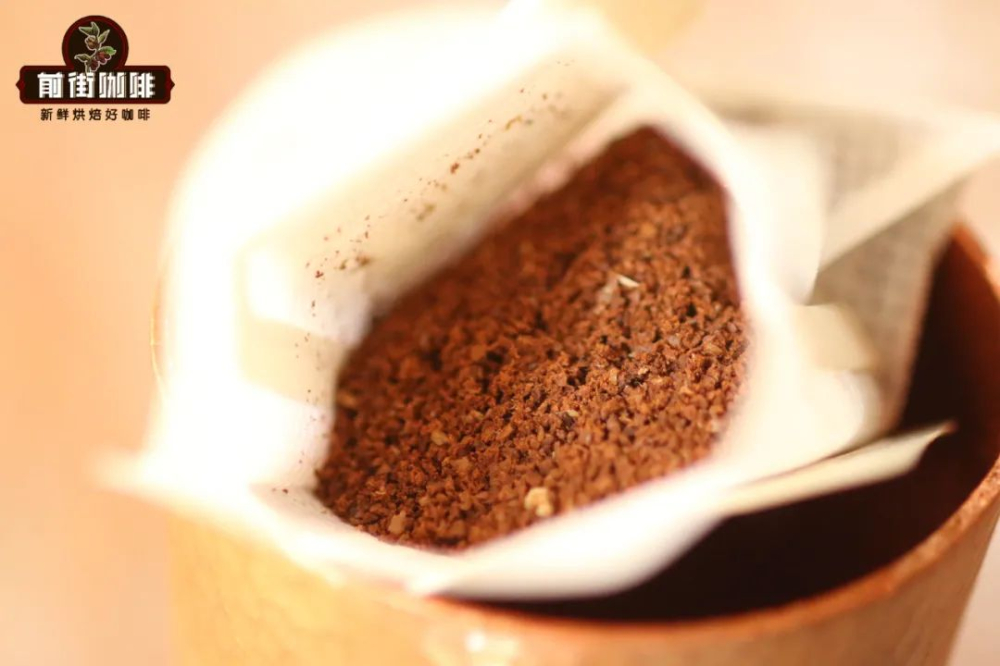
- Fine: Suitable for drip bags. Since drip bags use paper filters without flow-restricting designs, a finer grind is needed to increase the extraction surface area.
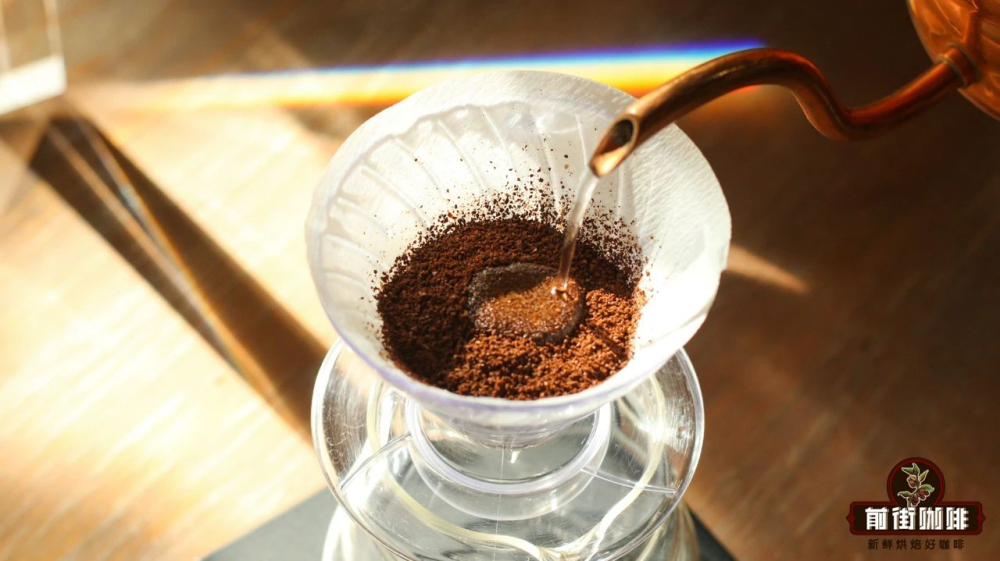
- Medium-fine: Suitable for pour over with light to medium roast beans, such as popular V60, Kono, and similar filter cones. The particle size is like fine sugar, with a sieve pass rate of about 75–80%, highlighting acidic and sweet tones.
- Medium: Suitable for pour over with medium to dark roast beans. The particle size resembles coarse sugar, with a sieve pass rate of 70–75%, to avoid over-extraction.
- Coarse: Suitable for French press. Due to the large gaps in the metal filter, coarse particles are required to prevent fine grounds from seeping through, resulting in clearer brewed coffee.
The above content is compiled by CoffeeHunters, a coffee news website.

