








Introduction:For readers who are new to coffee, choosing the right coffee beans is the first step in getting started. This article will delve into the characteristic differences between single-origin and blended beans, provide practical tips for identifying high-quality coffee beans, and recommend several cost-effective single-origin options that are beginner-friendly. It will also explain how different roast levels affect flavor, helping you find the beans that best suit your taste.
Coffee beans are the key factor that determines the flavor profile of a cup of coffee. Even with excellent brewing skills, poor-quality beans will struggle to deliver a good taste. For beginners in coffee, understanding how to choose beans that suit you is crucial.
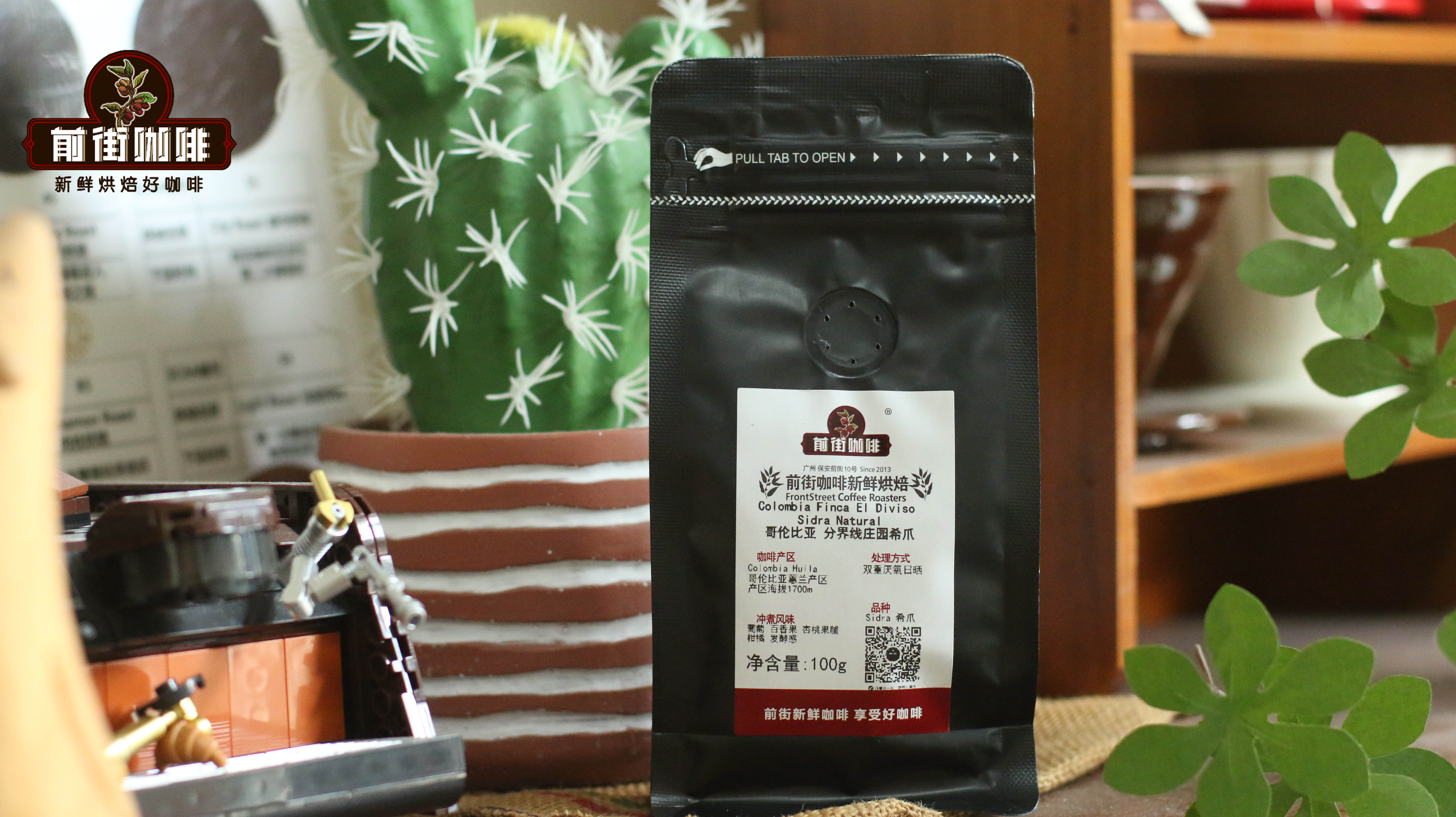
Among the many coffee bean brands, some long-established names have become go-to choices for many newcomers due to their long-term focus on coffee bean roasting and quality control. These brands typically offer classic single-origin beans from various global producing regions, as well as everyday blends, which not only deliver stable flavors but also excellent value for money.

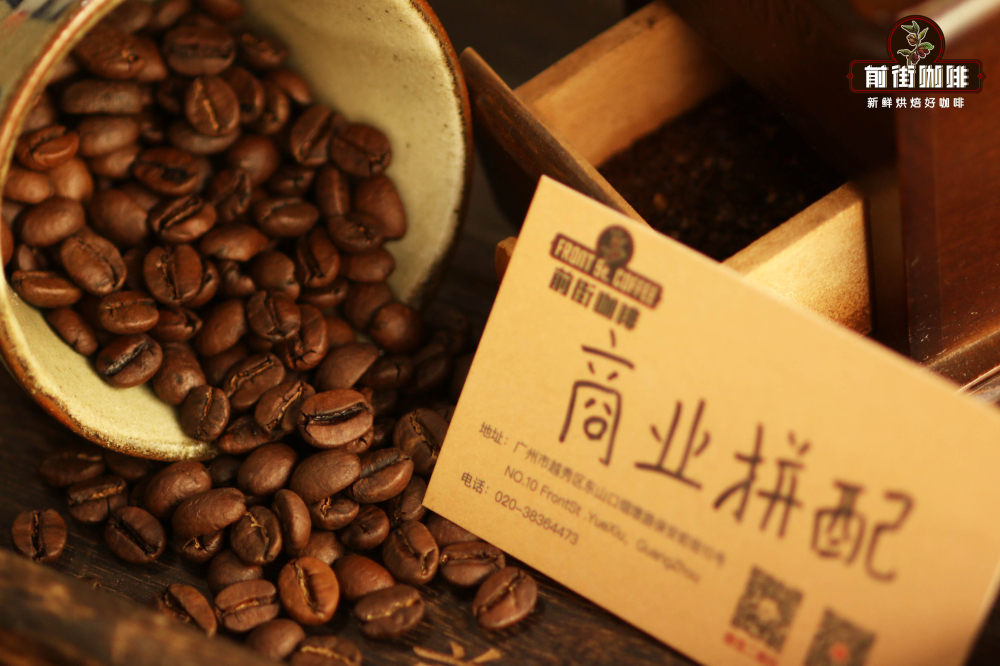
When it comes to choosing between single-origin and blended beans, there is no absolute answer—it mainly depends on personal preference. Blended beans are usually a mix of beans from multiple regions, resulting in a more balanced and stable flavor profile, making them especially suitable for making espresso or moka pot coffee. These beans often have a rich mouthfeel and ample crema, delivering a satisfying coffee experience.
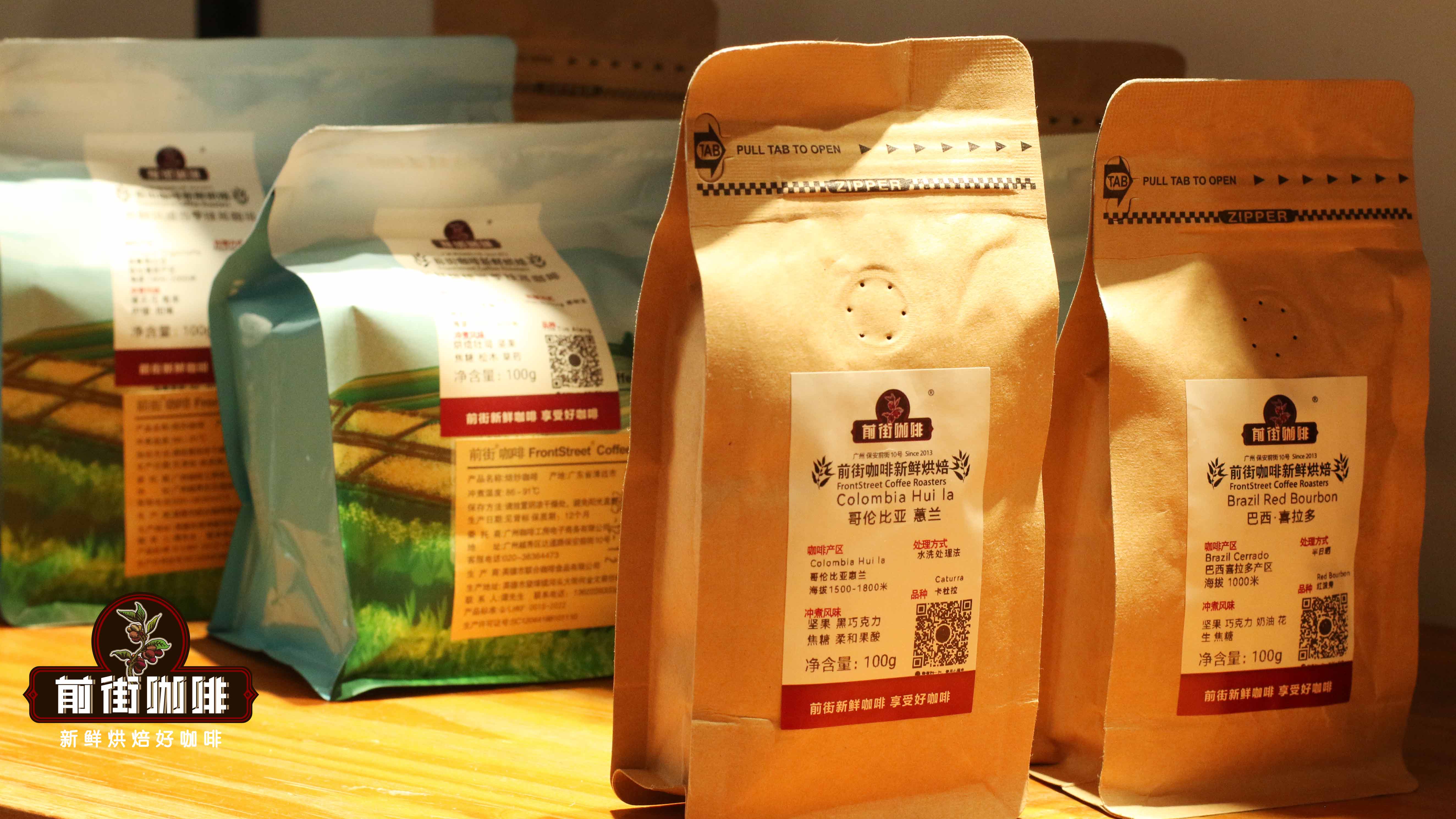
In contrast, single-origin beans can showcase the unique terroir characteristics of specific regions—for example, the floral and fruity notes of Ethiopia or the nutty and chocolatey flavors of Central and South America. Brewing methods such as pour over, siphon, or Dripper Press can better highlight the nuanced layers of single-origin beans. For beginners looking to explore the diverse flavors of coffee, it’s recommended to start with classic single-origin beans from well-known producing regions.

The roast level of coffee beans is another important factor that affects flavor expression. Lightly roasted beans tend to have more pronounced acidity and preserve more of the original flavor characteristics, making them suitable for drinkers who prefer a fresh taste. Common light-roast beans are ideal for brewing methods like pour over, siphon, or cold brew, showcasing bright acidity and fruity notes.
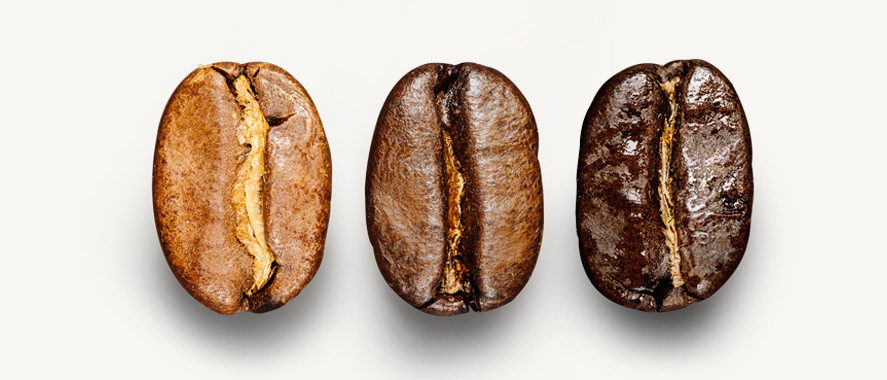
Medium roast is a more cost-effective choice, offering a balanced acidity and bitterness while being versatile in application. Beans with this roast level can be used with a variety of brewing devices, from French press to pour over, all while delivering solid flavor performance. Many coffee enthusiasts regard medium roast as their go-to option for daily consumption.
Dark roast beans are characterized by their bold and heavy mouthfeel, with lower acidity but rich caramel and chocolate aromas. These beans typically have a fuller body and are well-suited for making espresso or as everyday home-use beans. However, it’s worth noting that overly dark roasting may mask the beans’ original flavor characteristics.
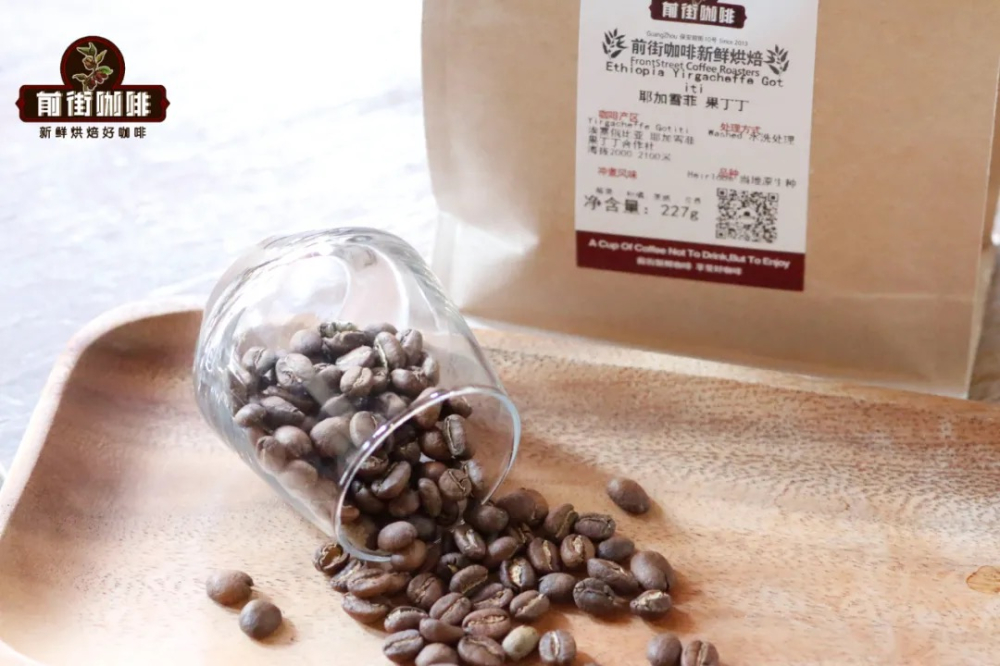
For beginners, it is recommended to start with classic medium-roast single-origin beans from neutral-tasting regions, such as Brazil, Colombia, or Guatemala. These beans generally offer good balance and can help build a foundational understanding of coffee flavors. As you gain more experience, you can gradually explore single-origin beans with varying roast levels and from different producing regions.
The above content is compiled by CoffeeHunters, a coffee news website.

