







Introduction:Many people love drinking coffee for a boost of energy, yet they also worry that too much caffeine may affect their sleep. So how much caffeine is in a cup of pour over coffee? What are the key factors that influence caffeine content? And what is the recommended daily intake? This article delves into the differences in caffeine content across various types of coffee drinks, debunks common myths, and helps you choose the right coffee to suit your needs—so you can enjoy great flavor while maintaining a healthy balance.
"Is this coffee the one with the least caffeine?" or "I'm afraid I won't be able to sleep at night if I drink it, but I still want some coffee..." Among many coffee lovers, there are plenty who are sensitive to caffeine yet find it hard to resist the aroma of coffee. So how is the caffeine content in a cup of coffee determined? What factors affect its final release? Let's take a closer look.
Key Factors Affecting Caffeine Content: Variety and Altitude
The caffeine content in coffee beans is primarily related to the variety. Among the two most common varieties,Robusta contains about 2% to 4% caffeine, whileArabica only has 0.9% to 1.4%—about half as much. Most freshly ground coffee on the market uses Arabica beans, and only a small number of espresso blends aimed at creating richer crema will include a small amount of Robusta.

In addition,the higher the altitude at which the beans are grown, the lower the caffeine content tends to be. High-altitude regions have lower temperatures and fewer pests, so coffee trees do not need to produce as much caffeine for defense. As a result, Arabica grown at high altitudes generally has lower caffeine levels. It’s worth noting that this pattern mainly applies to Arabica, as Robusta is mostly grown at lower altitudes and inherently has a higher caffeine content.
Brewing Method and Time: The Key to Caffeine Release
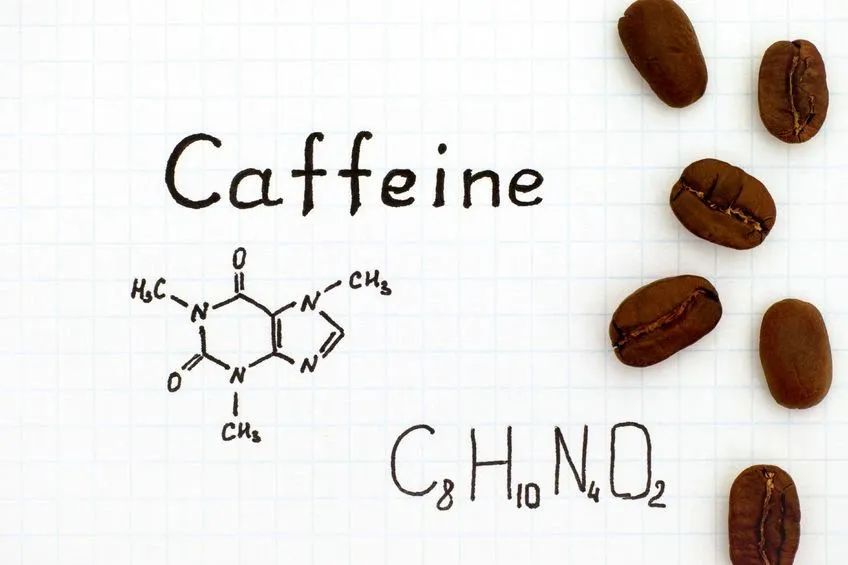
Caffeine (chemical formula C8H10N4O2) is a relatively large molecule, and its release rate is closely related to brewing time.The longer the brewing time, the more caffeine is typically released. Therefore, brewing methods like pour over and French press, which are drip or immersion methods, generally release more caffeine than espresso, which uses short-time high-pressure extraction.
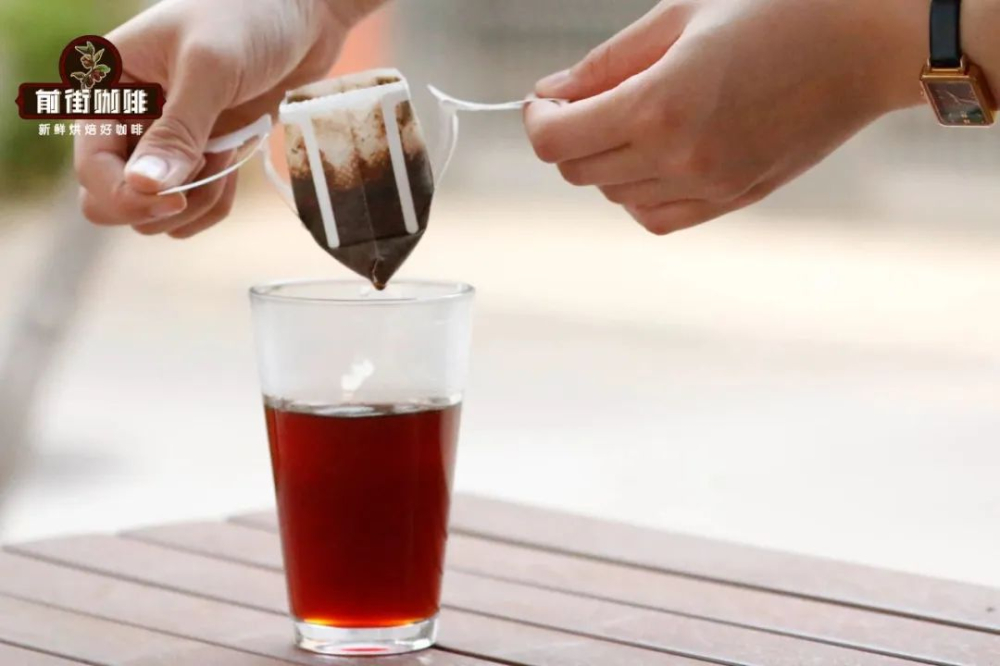
Interestingly, although cold brew and ice drip are low-temperature brewing methods, their total brewing time can last several hours, and the final caffeine content may even be higher than that of pour over. Generally speaking, the approximate caffeine content in common coffee drinks (based on standard brewing conditions) is as follows: espresso (20g coffee grounds / 40g extracted liquid) ~100mg; pour over (15g coffee grounds / 195ml / 2 minutes) ~90mg; French press (20g coffee grounds / 4 minutes) ~135mg; ice drip (20g coffee grounds / 200ml / 8 hours) ~135mg; cold brew (20g coffee grounds / 200ml / 12 hours) ~140mg; drip bag coffee (10g coffee grounds / 120ml) ~50mg; instant coffee (one packet) ~50mg.
Actual caffeine content is influenced by multiple variables
The above figures are for reference only. The actual caffeine content in each cup of coffee is also significantly affected byparameters such as grind size, water temperature, coffee-to-water ratio, and brewing technique. For example, using a fine grind usually releases more substances from the coffee grounds (including caffeine) than a coarse grind, resulting in a stronger flavor and potentially a greater pick-me-up effect. Therefore, even with the same type of beans and the same amount of coffee grounds, adjusting the parameters can lead to very different actual caffeine release levels.
Debunking Common Myth #1: Is 400mg the Absolute Daily Limit?
There’s a common belief that adults should not consume more than 400mg of caffeine per day to avoid health risks. But in reality, this is just a general guideline and doesn’t apply to everyone. Individual tolerance to caffeine varies greatly—some people may experience sleep disturbances even with small amounts, while others can handle much higher doses. It’s best to adjust according to your own situation rather than sticking rigidly to a fixed number.
Debunking Common Myth #2: Does Roast Level Affect Caffeine Content?
Some people think that dark roast coffee has higher caffeine content because the beans lose weight during roasting, so more beans may be used for the same weight, releasing more caffeine. However, studies showthat roast level does not actually change the true caffeine content. The reason why some people feel more “energized” after drinking dark roast may be due to its bitter taste and bold flavor, which create the impression of greater effectiveness—not because the caffeine content is truly higher.
Want to Avoid Caffeine? Choose Decaf Coffee
For those who are sensitive to caffeine or wish to avoid its impact on sleep but still want to enjoy the flavor of coffee, it’s recommended to choose coffee beans that have been decaffeinated through artificial processes. These coffees have had most of their caffeine removed via special techniques and contain almost no stimulating components, allowing you to enjoy them with peace of mind and no worries.


The above content is compiled by CoffeeHunters, a coffee news website.

