








Introduction:As an important member of the Arabica family, Bourbon coffee boasts numerous varieties, among which Yellow Bourbon and Red Bourbon have garnered significant attention due to their unique flavor profiles and suitability for pour over brewing. This article delves into the historical origins and varietal characteristics of both, analyzing their performance in different growing regions—with a particular focus on Brazilian Yellow Bourbon and Rwandan Red Bourbon. It also provides practical flavor profiles and pour over parameter recommendations to help you more precisely appreciate and choose between them.
In recent years, an increasing number of coffee enthusiasts have been specifying “Yellow Bourbon” or “Red Bourbon” when purchasing coffee beans, with some even buying both at once to personally experience the differences between these two well-known Bourbon varieties. However, due to variations in growing conditions, processing methods, and roast levels, it’s easy to overlook their subtle flavor nuances without a deeper understanding of their background. This article will start with the origins of the Bourbon variety, guiding you through the historical context of Yellow and Red Bourbon, and analyzing their actual performance and pour over suggestions in renowned regions such as Brazil and Rwanda.
The Origins of Bourbon
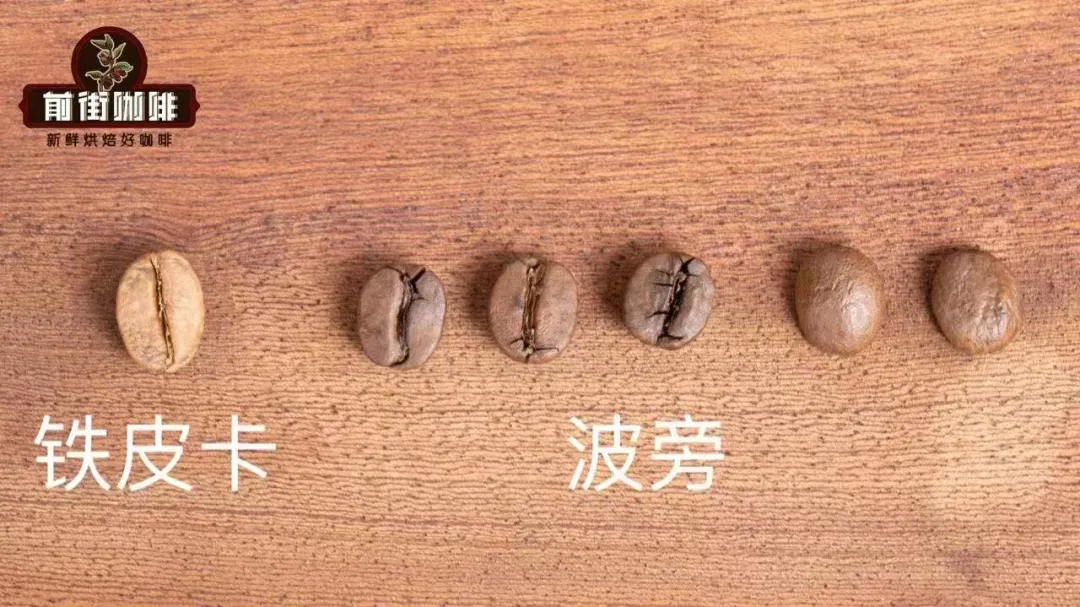
The name “Bourbon” originates from the French “Île Bourbon” (now Réunion Island) and is one of the most representative varieties within the Arabica species. It is a mutation derived from the ancient Typica variety and shares the distinction of being among the oldest surviving coffee varieties. Not only does it have a long history, but Bourbon is also the “ancestor” of many modern popular coffee varieties—for instance, SL28 and Caturra are both derived from Bourbon or its further mutations.

The birth of Bourbon can be traced back to the early 18th century, when Europe’s demand for coffee surged, but supply was almost monopolized by Yemen, resulting in high prices and seeds unsuitable for direct cultivation. The French then initiated a “seed-smuggling” operation, importing coffee seedlings from Yemen and successfully planting them in what is now Réunion Island (then called Île Bourbon) in 1715 and 1718. Under the influence of the local environment and mutations, these coffee trees gradually evolved into a new variety distinct in fruit and plant appearance from Typica—later known as “Bourbon.”
The Global Spread and Characteristics of the Bourbon Family
Entering the 19th century, the Bourbon variety spread to Africa and South America through French missionaries. Influenced by varying altitudes, climates, and soils, Bourbon gradually produced more mutations and hybrid varieties, forming a diverse Bourbon family. Compared to Typica, Bourbon typically offers a richer flavor profile while also achieving slightly higher yields. Although it remains susceptible to coffee leaf rust, its overall performance has made it a staple variety in many coffee-growing regions.
Red Bourbon: The Representative of Rwandan Washed Flavors
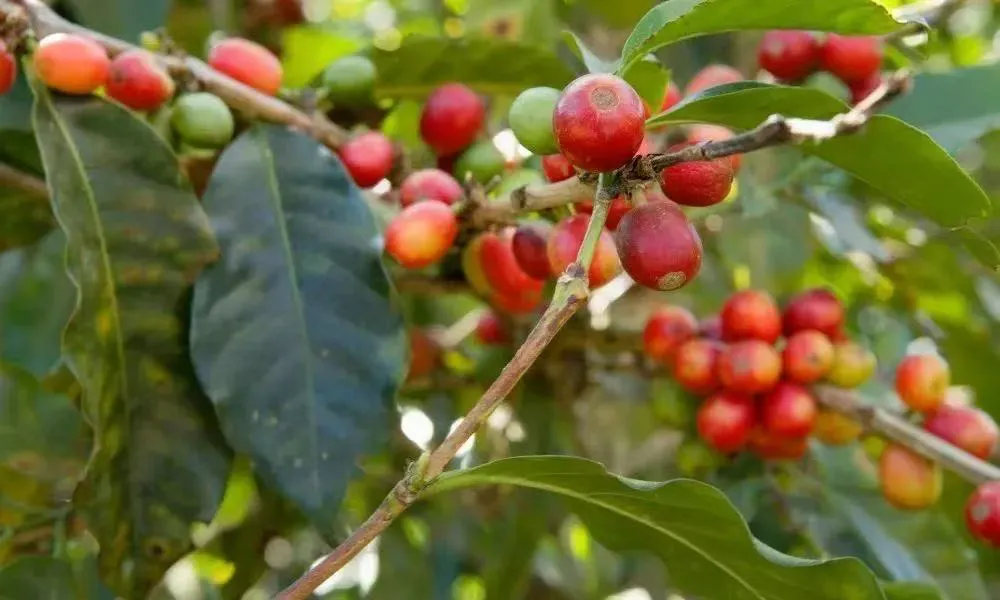
Among the Bourbon family, “Red Bourbon” is one of the most frequently mentioned varieties. Its name primarily serves to distinguish it from the later-emerging “Yellow Bourbon.” Rwandan washed Red Bourbon is grown in the country’s southern Nyamasheke District at elevations between 1500 and 1700 meters. It is a medium-light roasted washed coffee bean. The washed process helps preserve more of the terroir and intrinsic characteristics of the original variety, showcasing bright fruit acidity and elegant aromatic layers.
Recommended pour over parameters for this Red Bourbon: medium-fine grind (similar to granulated sugar), water temperature around 90–92°C, using a V60 or Kalita Wave, with a 1:15 coffee-to-water ratio. Brew in three pours to highlight layers of berries, apple, green tea, and apricot.
Yellow Bourbon: The Sweetness Star from Brazil’s High Altitudes
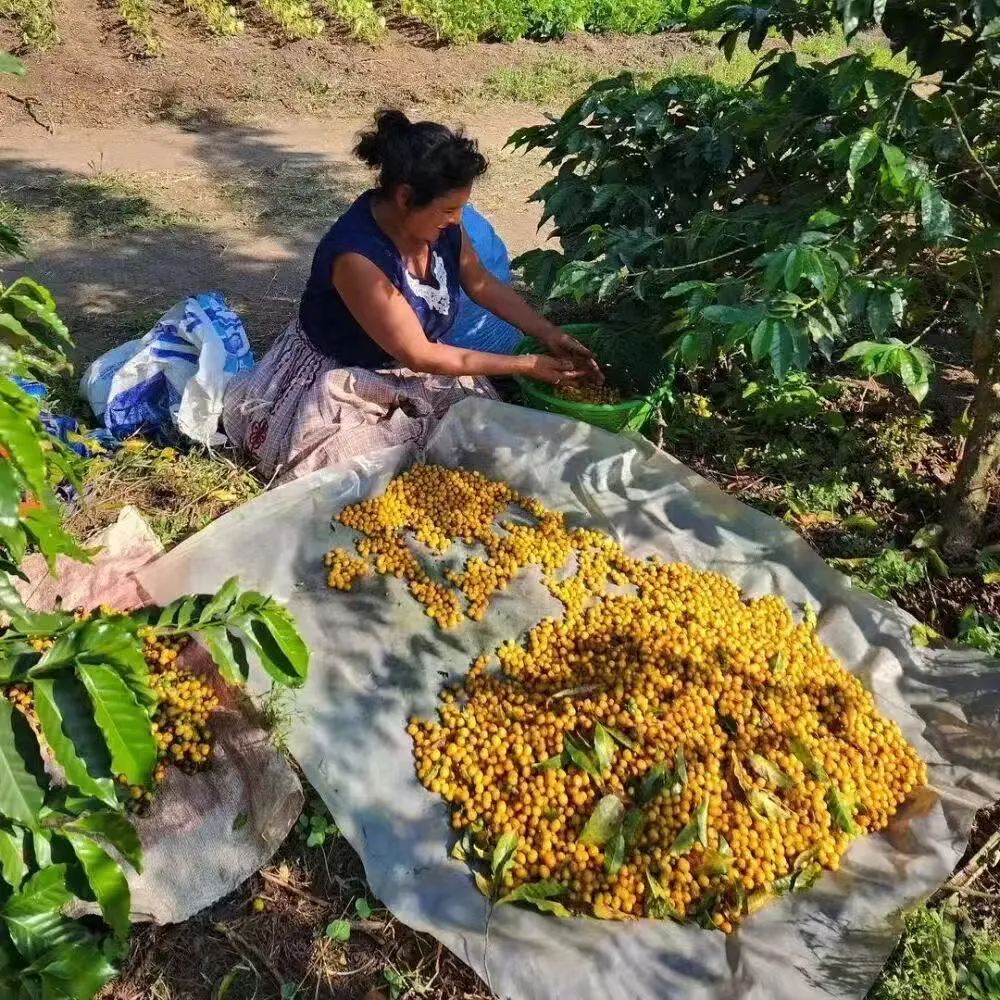
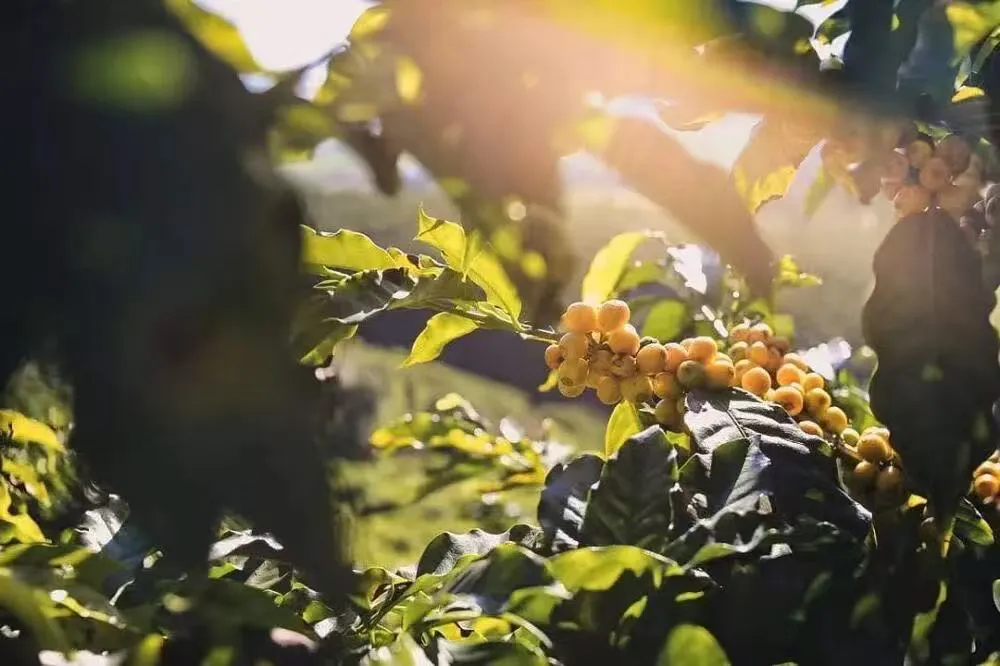
Compared to Red Bourbon, Yellow Bourbon may be slightly less well-known, yet its flavor characteristics are truly memorable. The history of Yellow Bourbon dates back to the 1930s in Brazil, where it was first discovered near Pedranas in the northeastern part of São Paulo State. It is said that this coffee tree, which bore yellow fruit, might be the result of a cross between Bourbon and another local variety—hence the name “Yellow Bourbon.”
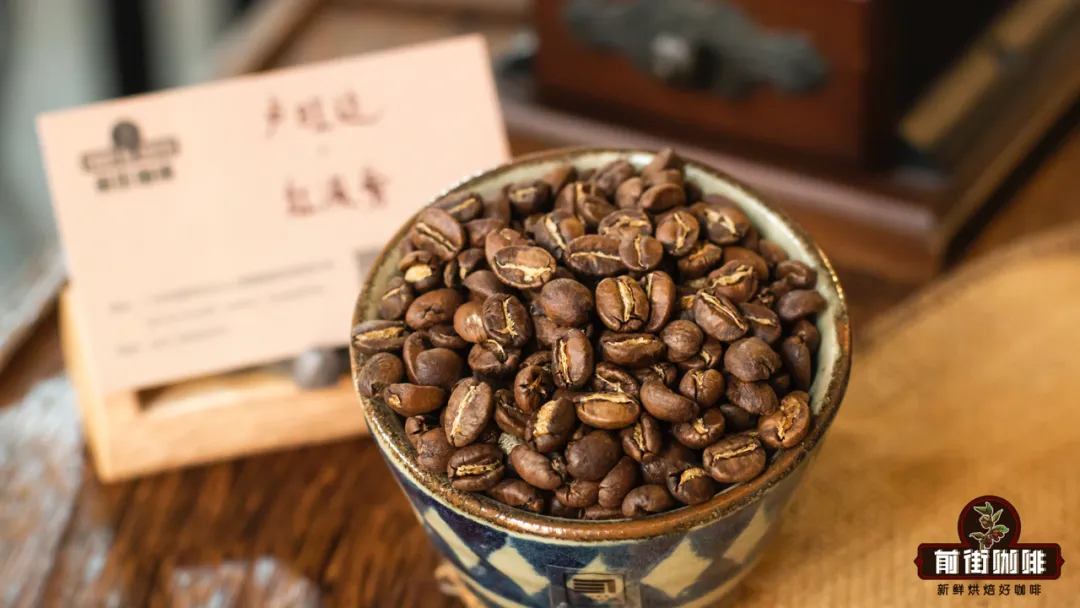
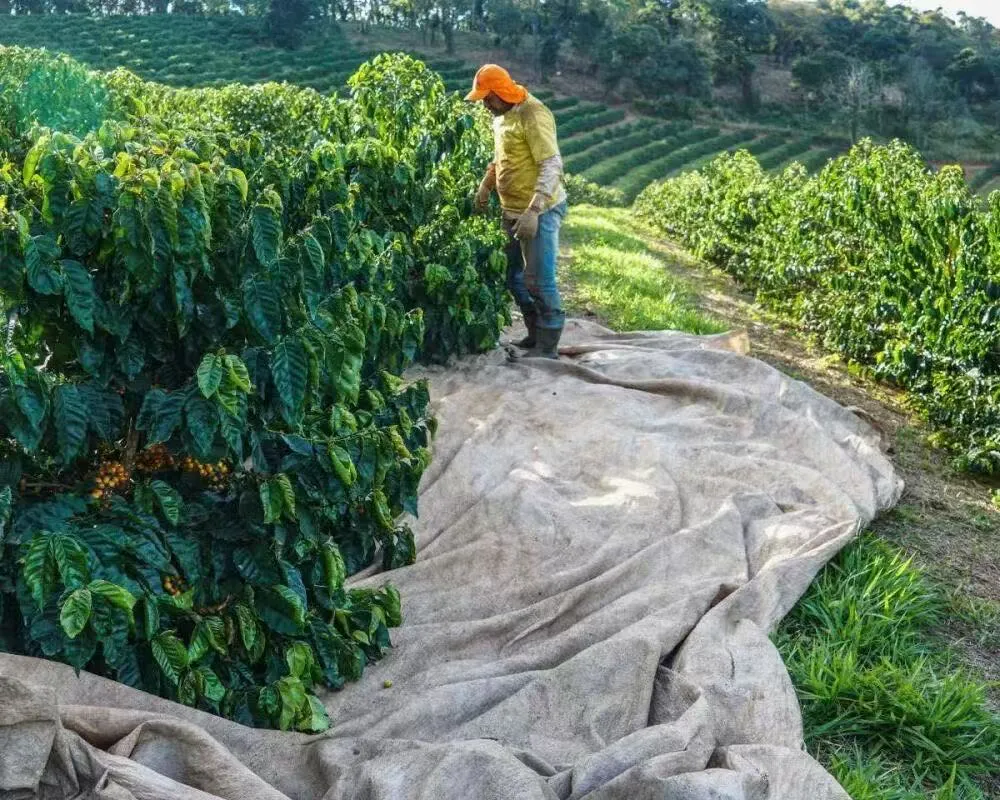
Yellow Bourbon has a higher cultivation threshold and is quite particular about its environment. It is not only weak in disease resistance but also yields less, making it less widespread than Red Bourbon. However, when grown at high altitudes, it can exhibit exceptional sweetness and a rich body. Brazilian Queen Estate Yellow Bourbon is grown in the Mogiana region at elevations of 1400 to 1950 meters and is processed using a semi-washed (pulped natural) method. With a medium-to-dark roast, its nutty, chocolatey, and caramel notes are enhanced, while the finish carries hints of berries and subtle fermented aromas.
Pour over recommendation: medium-coarse grind (close to sea salt), water temperature 88–90°C, using a French press or siphon brewer, with a 1:16 coffee-to-water ratio. Steep for about 3–4 minutes to fully release its rich sweetness and full-bodied texture.

In summary, although originating from the same lineage, Red and Yellow Bourbon from the Bourbon family present markedly different flavor directions due to variations in origin, processing methods, and roast strategies. Red Bourbon, with its bright acidity and fresh aromas, suits those who prefer a vibrant cup; whereas Yellow Bourbon, with its intense sweetness and full body, is often the top choice for avid coffee lovers. If you wish to explore the diversity of Bourbon, start with classic beans from these two regions and pair them with appropriate brewing methods to appreciate their subtle differences.

The above content is compiled by CoffeeHunters, a coffee news website.

