







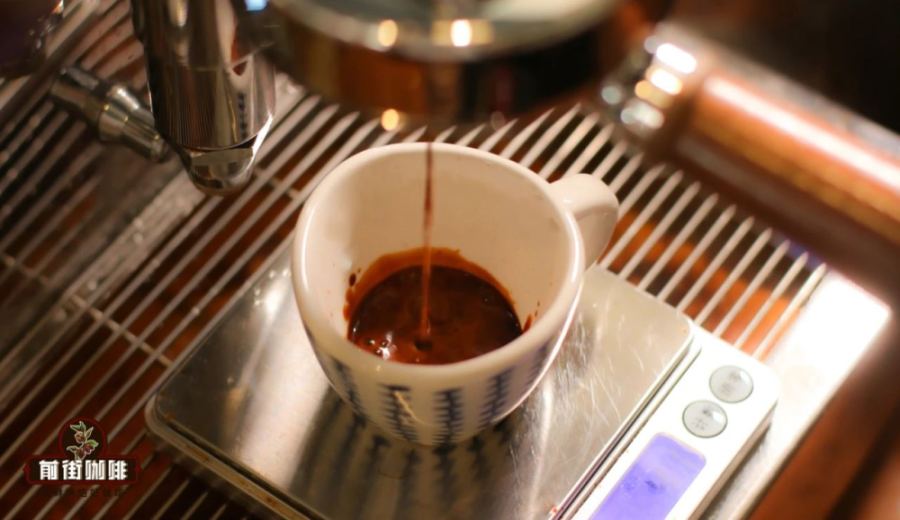
Introduction:The reason coffee can help boost alertness lies primarily in its caffeine content. But do you know how much the type of coffee bean and brewing method can affect caffeine levels? This article will delve into the differences between Robusta and Arabica beans, how common brewing methods influence caffeine release, and provide practical data to help you choose the most suitable type of coffee based on your needs, while also understanding the daily safe intake limit.
Since its inception, coffee’s primary function has been to invigorate the mind. Whether it’s a quick takeout espresso (espresso), the Americano commonly seen in offices, or the flavor-focused pour over single-origin, all offer a certain level of stimulation—it’s just that people choose different forms of coffee based on context and taste preferences. So among all these types, which one is the most effective at helping you stay awake?
The answer is closely tied to caffeine content. Caffeine helps ward off drowsiness mainly by blocking adenosine—a substance that induces fatigue—from binding with neurons in the brain, making the brain think you’re still awake, thereby maintaining focus and vitality. Therefore, the higher the caffeine content in a drink, the more noticeable its awakening effect theoretically is.
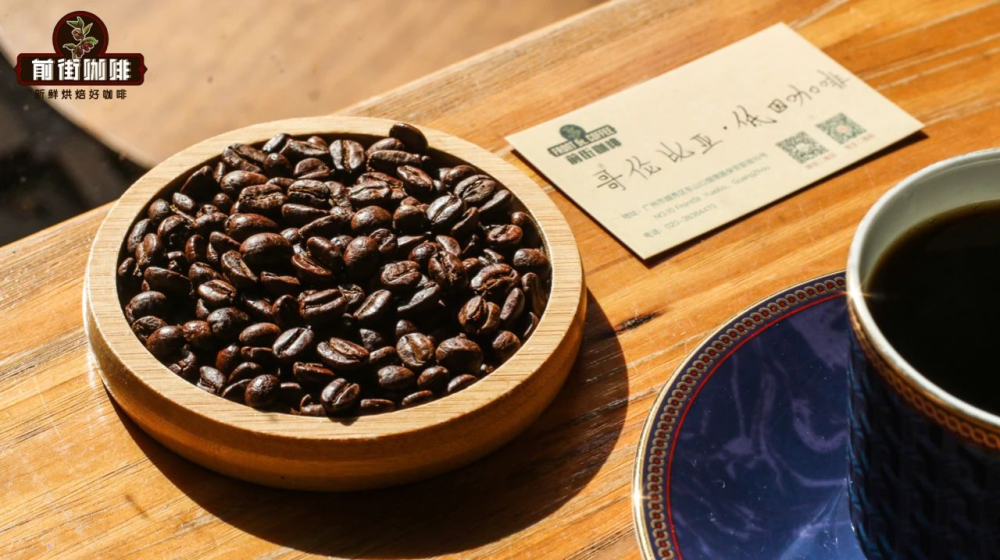
The variety of the coffee bean itself is the primary factor determining caffeine content. Currently, the most common types of coffee beans on the market fall into two main categories: Robusta (commonly referred to as “luodou”) and Arabica. Among them, Robusta has a significantly higher caffeine content, accounting for about2% to 4%of the bean’s total weight, mostly concentrated around3%that level; whereas Arabica typically contains about0.9% to 1.4%caffeine, mostly around1.2%that range. Therefore, if you’re seeking the strongest possible pick-me-up, Robusta is the more direct choice. Conversely, if you prefer a finer flavor and want to control your caffeine intake, Arabica is more suitable.
In addition, there is also what is known as “naturally low-caffeine coffee.” While these beans are still of the Arabica variety, their caffeine content is only abouthalf that of regular Arabica (approximately 0.6%), which may still be too high for some sensitive individuals. If you want to avoid caffeine entirely, it is recommended to opt for beans that have undergone artificial decaffeination—these products contain almost zero caffeine.
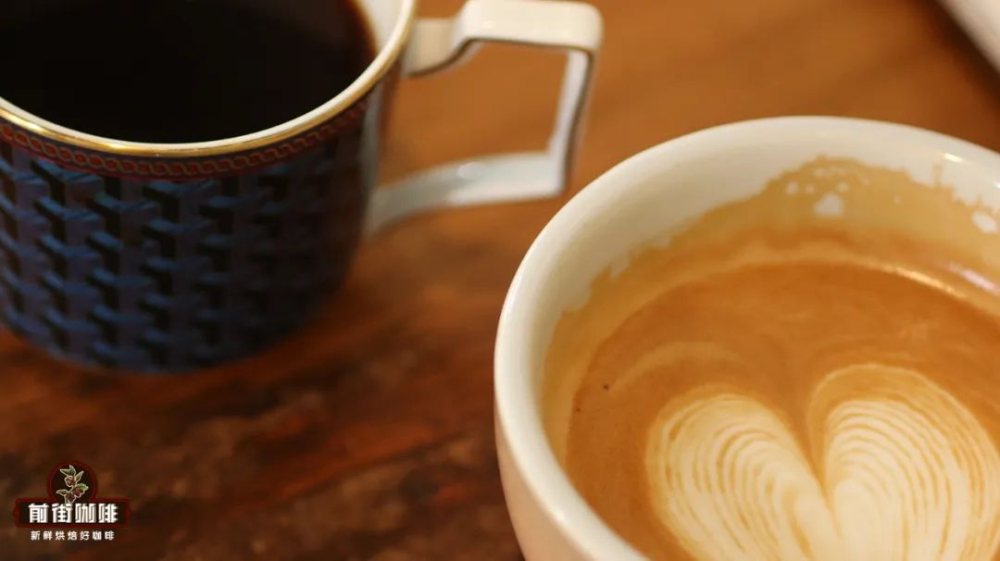
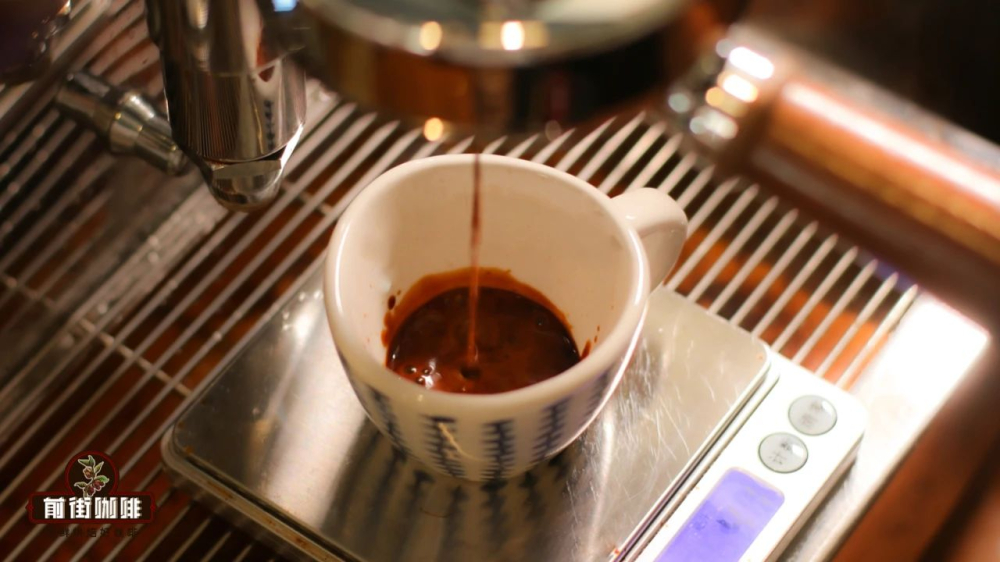
Besides the beans themselves, different brewing methods can also significantly affect the final caffeine content of the beverage. Many people, when checking the nutritional labels of drinks, often see caffeine content expressed as “how many milligrams per 100 milliliters,” but for the average consumer, evaluating based on “the actual amount of coffee grounds used per cup” is closer to reality. For example, beverages based on a single shot of espresso (usually around 20 grams of coffee grounds)—whether made into a latte, Americano, or cappuccino—will have roughly the same total caffeine content.
It’s worth noting that if the same shot of espresso is added to different volumes of water—for example, 200 milliliters vs. 300 milliliters—although the former has a higher caffeine concentration (calculated per 100 milliliters), the total caffeine intake remains the same as long as you finish the entire drink. Therefore, concentration level and total intake should not be confused.
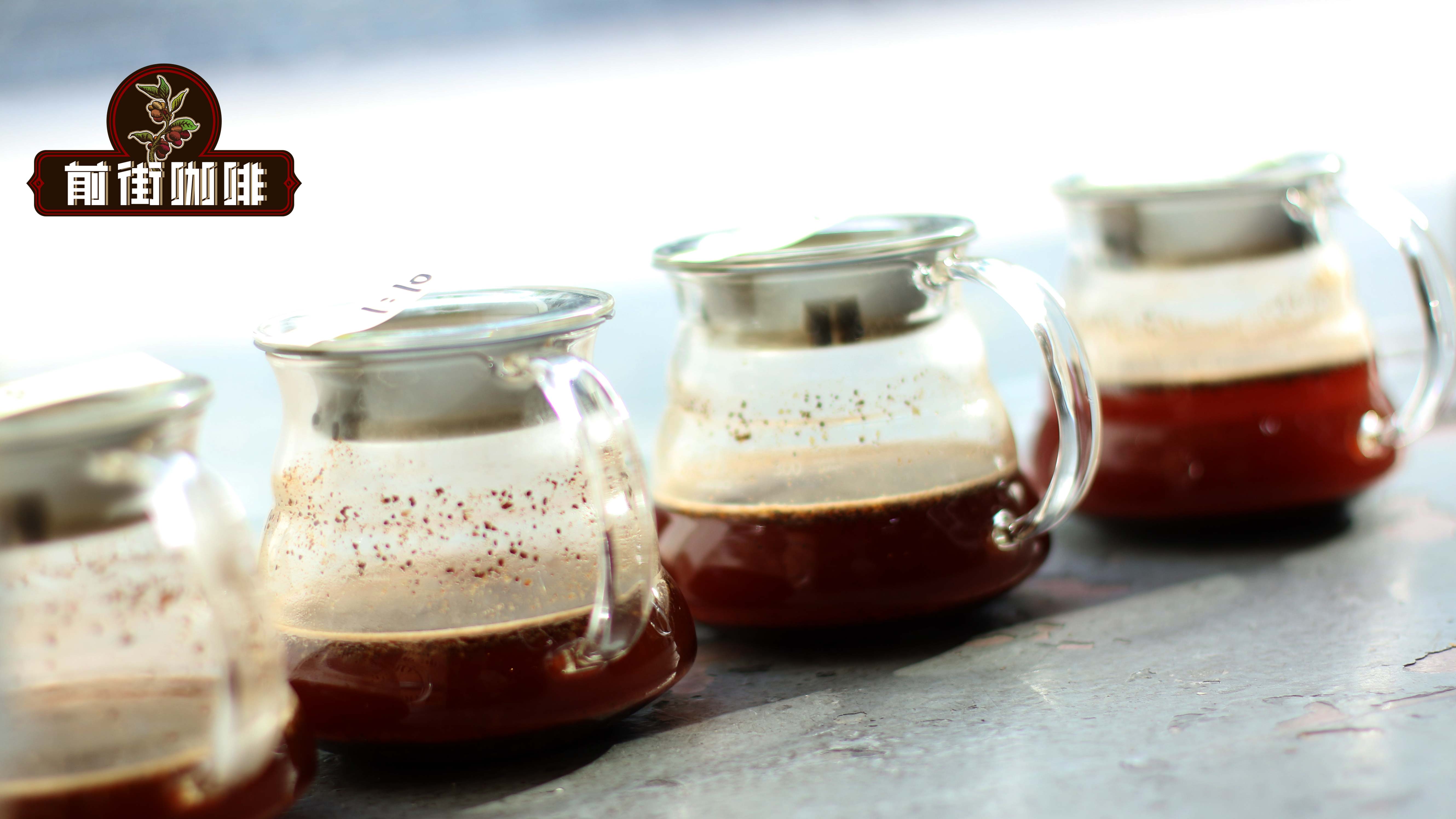
Additionally, factors such as time and temperature during the extraction process also affect how much caffeine is released. Under high-temperature conditions, the longer the extraction time, the more caffeine is generally released. Interestingly, espresso, often thought to have “extremely high caffeine content,” is not necessarily the type with the most caffeine. On the contrary, drip coffee mainly made via pour over, as well as immersion brewing using a French press, due to their longer overall extraction times, tend to release more caffeine. Meanwhile, cold brew and ice drip coffee, although brewed in a low-temperature environment, can end up with high caffeine content due to their lengthy extraction times of several hours.

Below are reference data for the caffeine content per cup (based on common capacities and coffee grounds used) of common coffee beverages (all using Arabica beans, with cold brew and ice drip based on 12-hour and 8-hour extraction times respectively):
- Espresso (20 grams of grounds, approximately 40 grams of extracted liquid):Approximately 100 milligrams
- Latte, Americano, Cappuccino (using the same espresso base):Approximately 100 milligrams
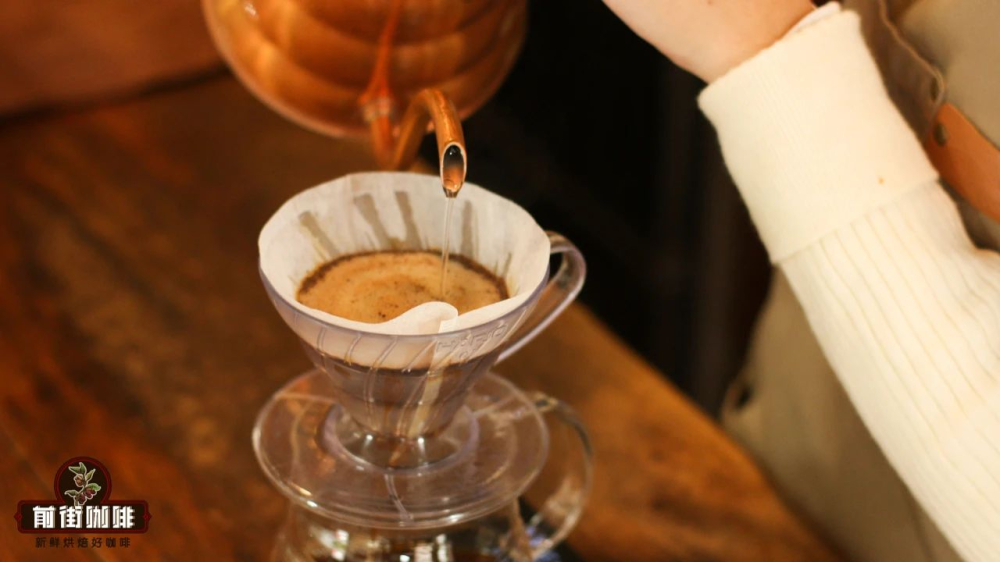
- Pour over coffee (15 grams of grounds / 195 milliliters):Approximately 90 milligrams
- Pour over coffee (20 grams of grounds / 260 milliliters):Approximately 120 milligrams
Reference data for other brewing methods:
- French press (20 grams of grounds / 4 minutes):Approximately 135 milligrams
- Ice drip coffee (20 grams of grounds / 200 milliliters):Approximately 135 milligrams
- Cold brew coffee (20 grams of grounds / 200 milliliters):Approximately 140 milligrams
- Drip bag coffee (10 grams of grounds / 120 milliliters):Approximately 50 milligrams
- Instant coffee (one packet):Approximately 50 milligrams
Overall, if you’re looking to gain a significant stimulating effect from coffee, you might prioritize Robusta beans or choose brewing methods with longer extraction times such as French press, cold brew, or ice drip. If you prefer a milder stimulation, Arabica pour over or a single shot of espresso offers a more balanced option. At the same time, it’s also advisable to pay attention to your daily caffeine intake—the general upper limit for healthy adults is about400 milligrams, while pregnant individuals or those sensitive to caffeine should aim even lower, around200 milligramsor less.
Quick tip: Sometimes, even if you don’t actually drink that cup of coffee—just by smelling its aroma or watching your colleagues enjoy it—you might feel an inexplicable sense of wakefulness. Of course, that’s just a joke. To truly feel alert, you still need to actually consume an appropriate amount of caffeine. But understanding the science and data behind it will give you more direction every time you have a cup of coffee!
The above content is compiled by CoffeeHunters, a coffee news website.


