







Introduction:Cold drip coffee is beloved for its uniquely clean flavor and delicate layers, but achieving a quality close to that of specialty shops at home is no easy feat. This article delves into the characteristics of coffee beans suitable for cold drip, the key factors in grind size, techniques for controlling drip rate, and provides tested-effective powder-to-water ratios and time recommendations. It also retains original diagrams to illustrate each step in detail, helping you avoid common mistakes and brew a rich cold drip with fruity or fermented notes.
To produce cold drip coffee with elegant flavors, three core elements are key: the selection of coffee beans, the adjustment of grind size, and the precise control of the dripping process. These three factors directly affect the balance and aroma expression of the final extraction.
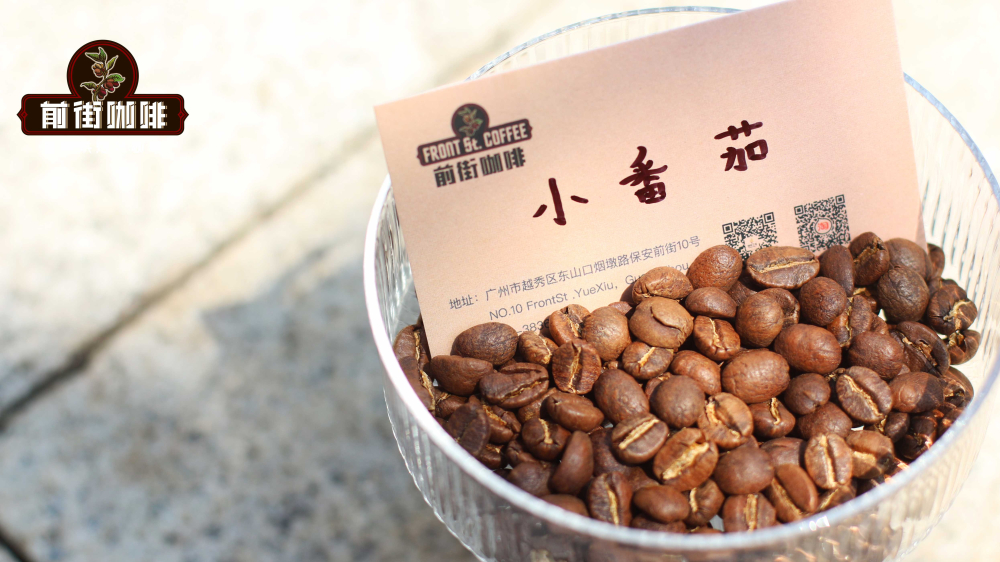
The foremost priority is choosingcoffee beans with prominent fruity and floral notes. Since cold drip is a low-temperature, long-duration extraction method, small-molecule flavor compounds such as floral and fruity acidity are more easily released, while larger-molecule bitter substances like tannins are harder to dissolve.As shown in 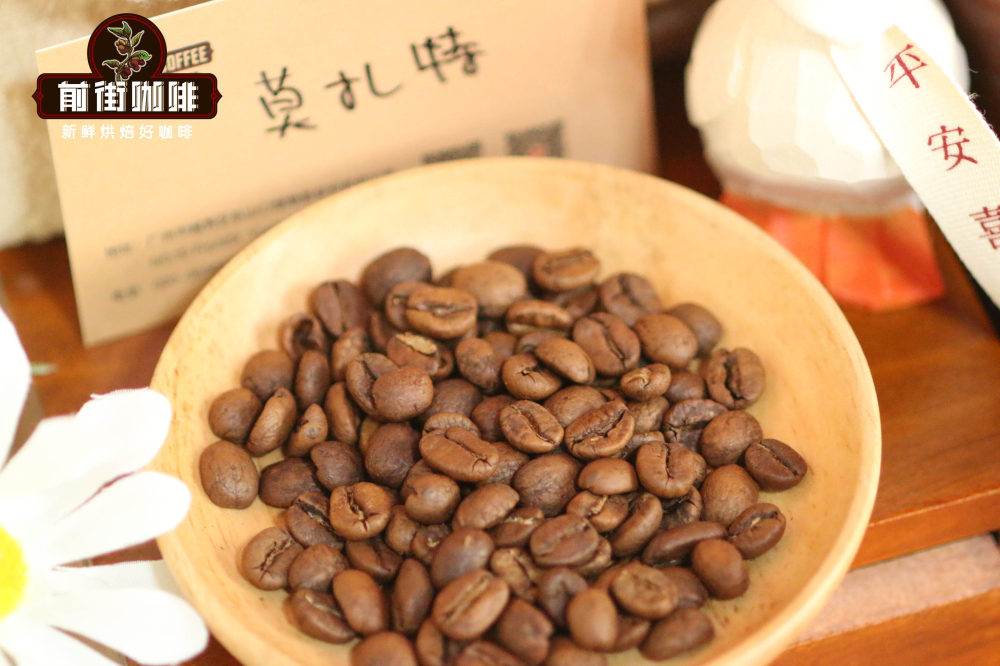 the image, it is recommended to prioritize beans with distinct fruitiness or fermentation characteristics—for example, those with notes of raisin, pineapple, and orange; or those exuding the sweet aromas of passionfruit, grape, and apricot; alternatively, beans that present the juice-like character of black plum, snow pear, and plum can also be selected.
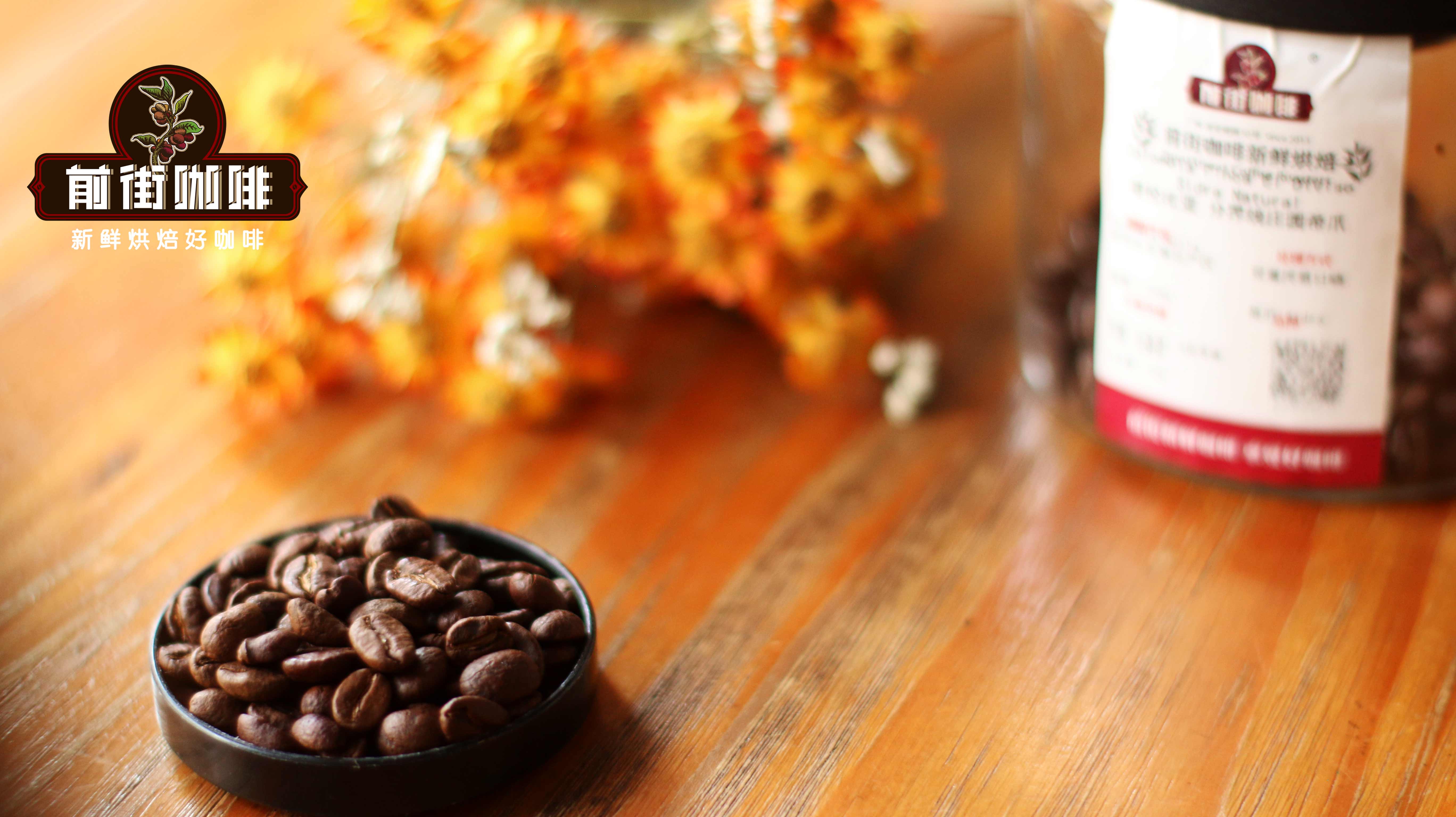
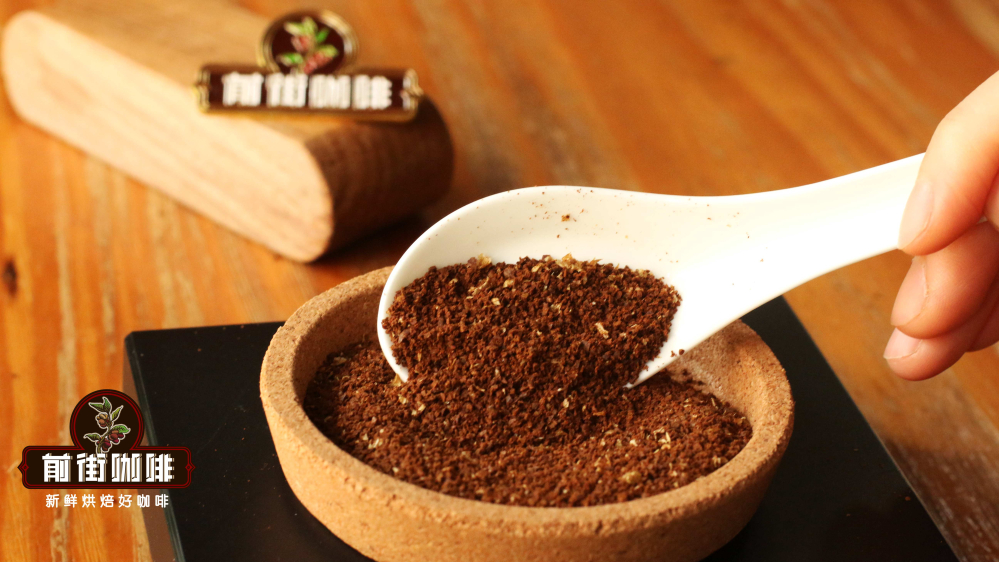
Grind size is equally crucial. Because cold drip uses low water temperature, the rate of material exchange slows significantly. In addition to extending the extraction time, the coffee beans need to be groundfinerto increase the contact area between water and coffee particles, fully extracting the desired flavors. However, balance is key—if ground too fine, it may release excessive bitter and impure substances; if too coarse, the flavor profile becomes blurred and the mouthfeel thin. Testing has proven thata grind size with an 85% passage rate through a Chinese standard No. 20 sieve(as illustrated in the image 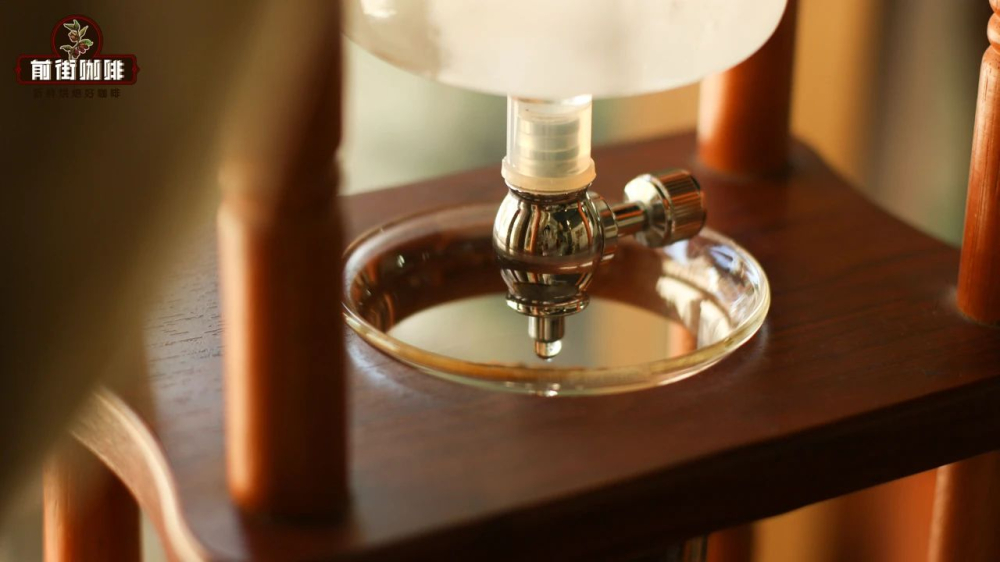 Description) achieves better extraction results.
The dripping speed also needs to be strictly controlled. It is recommended to calculate the powder-to-liquid ratio in advance (commonly 1:10, i.e., 60 grams of coffee powder to 600 grams of coffee liquid), and maintain the ice-to-water mixture ratio at 1:1. The valve flow rate is advised to be adjusted to7 drips per 10 seconds(original test showed completion in approximately 6–8 hours,as shown in the image 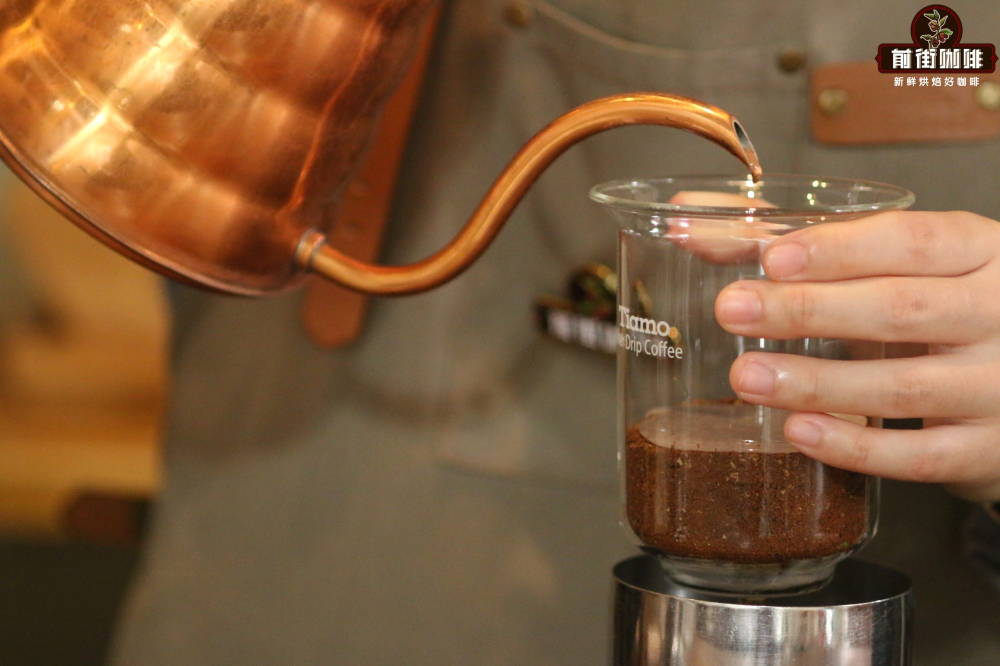 Illustration), as this parameter range ensures stable and even extraction. Generally, the cold drip ratio flexibility ranges from 1:10 to 1:12, which can be slightly adjusted according to personal taste.
In terms of actual operation steps, first prepare 60 grams of coffee powder and thoroughly wet the bottom of the powder cup before laying down a tightly fitted filter paper (the image 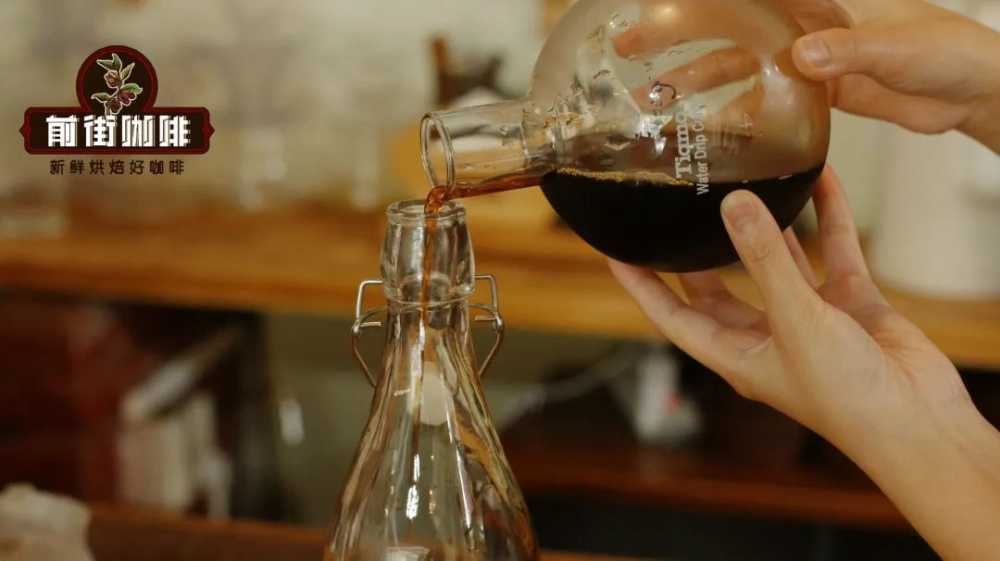 Displayshows this). Then pour the ground coffee into the powder cup, gently shake the surface to level it, and cover with a round filter paper. Next, pour a small amount of ice water or room-temperature water to wet the coffee powder and initiate the pre-soaking process. Afterward, add an appropriate amount of ice water mixture to the water reservoir and adjust the regulating valve to an initial speed of about 5 drips per 10 seconds (can be fine-tuned to 7 drips based on actual flow rate). Once extraction is complete, transfer the coffee liquid to a sealable container, place it in the refrigerator’s chilling compartment, and let it ferment for at least one night—the flavor will become more rounded.
Overall, the success of cold drip coffee depends on mastering the details: from selecting the flavor characteristics of the bean variety to the precise adjustment of grind size and drip rate—each step influences the final cup’s performance. Follow the suggestions above and pay attention to variations during actual operation, and you can brew a clear, rich cold drip with near-professional quality at home.
The above content is compiled by CoffeeHunters, a coffee news website.


