







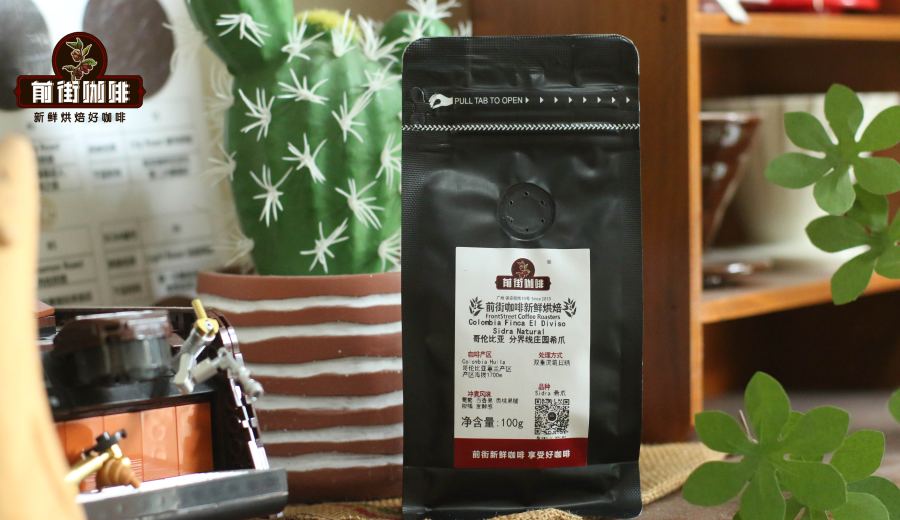
Introduction:Want to learn how to use the cold drip method to extract coffee with delicate flavors and rich layers? This article provides an in-depth analysis of the principles behind cold drip coffee, covering everything from the structure of the equipment, grind size, coffee-to-water ratio, to dripping speed. It offers detailed parameter references. Additionally, based on different flavor profiles, it recommends five major types of coffee beans, including tropical fruit fermentation, bright citrus notes, sweet chocolate tones, and creative blends, helping you find the most suitable cold drip beans and brewing method.
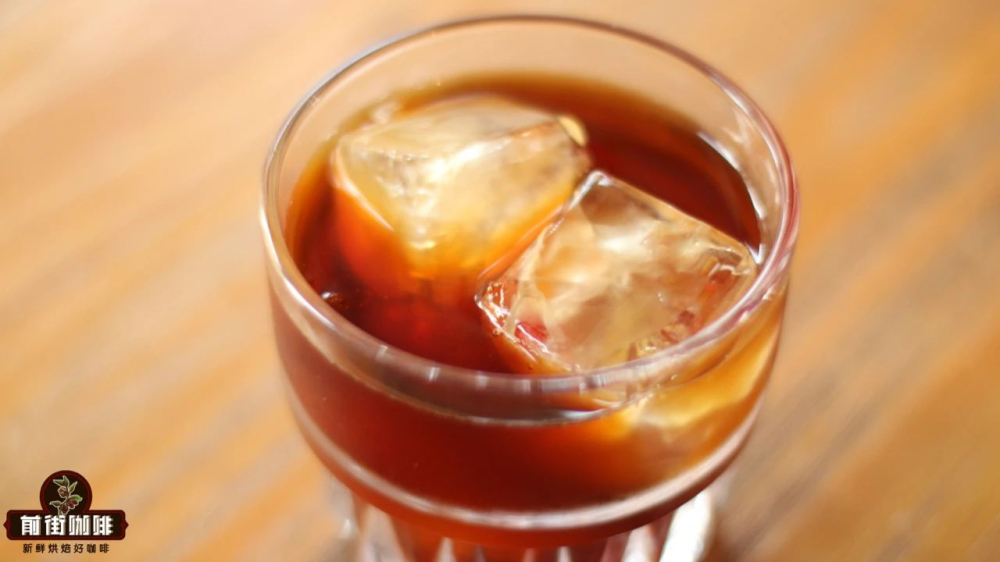
Cold drip coffee is a brewing method that slowly drips ice water through coffee grounds under normal atmospheric pressure to extract coffee flavors. Since the extraction process takes place in a low-temperature environment, it not only effectively suppresses the release of bitter substances but also improves overall extraction efficiency, resulting in a rich yet non-harsh taste. If you choose coffee beans with pronounced fruity acidity or fermentation characteristics, the unique layers brought out by the cold drip process can be even more highlighted—making it especially enjoyable in hot summer weather, especially when served over ice for a refreshing experience.

Cold drip coffee actually originates from what is known as Dutch coffee, which is one of the cold brew techniques involving long-term soaking of coffee grounds in cold water. Cold drip coffee (Cold Drip Coffee), on the other hand, is an improved version of this method that achieves precise extraction by controlling the dripping speed, and is considered a form of Dutch coffee. In addition, cold brew coffee (Cold Brew Coffee), which also falls under the category of low-temperature extraction, involves mixing coffee grounds with ice water and letting it sit for 12 to 24 hours before filtering. It has a slight alcohol-like sensation and a balanced sweet and sour profile, and is also part of the Dutch coffee family.
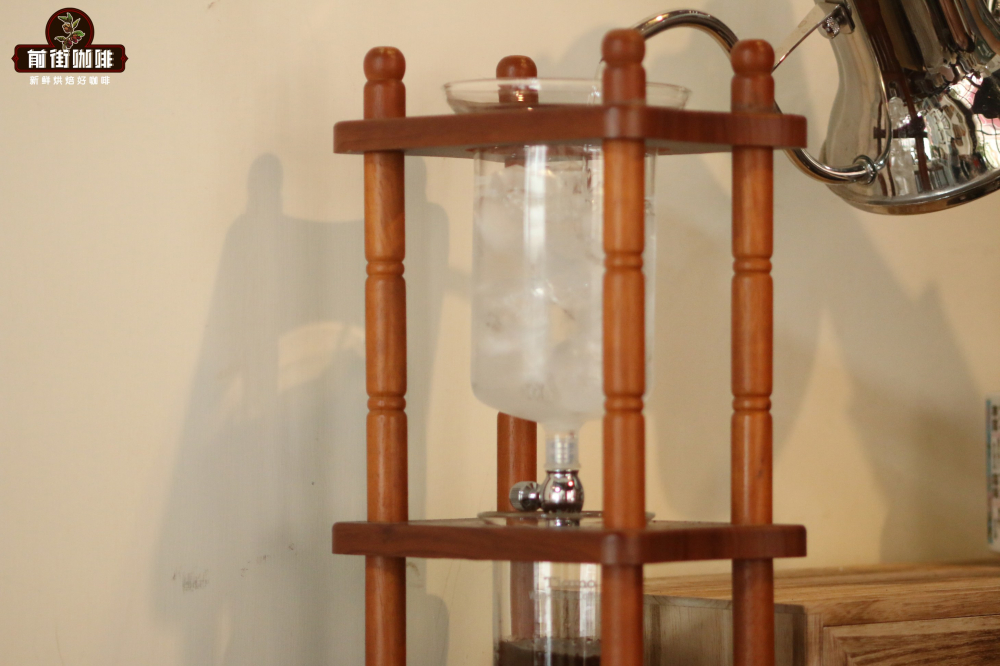
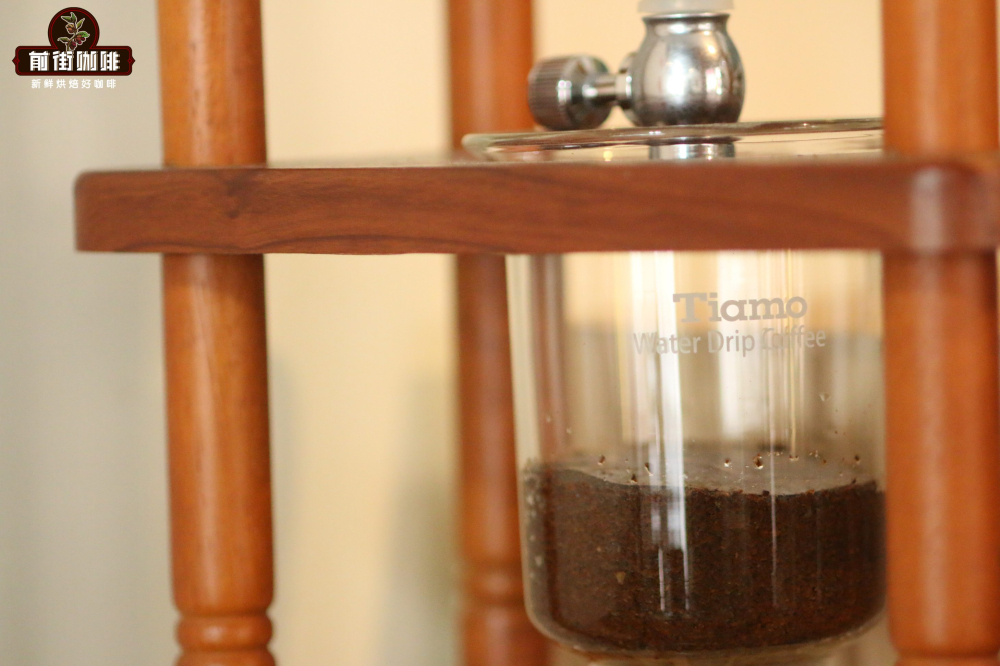
The equipment for cold drip coffee can generally be divided into four main structures: the top chamber, the valve, the coffee chamber, and the bottom chamber. The top chamber is used to hold ice and water, and in the middle, an adjustable valve controls the dripping speed to ensure that the ice water drips evenly into the coffee grounds in the middle chamber. The middle chamber is usually made of glass and is used to hold the ground coffee, with a filter at the bottom allowing the extracted liquid to flow into the bottom chamber for collection. This simple yet precise design allows you to easily achieve professional-grade cold drip coffee at home.
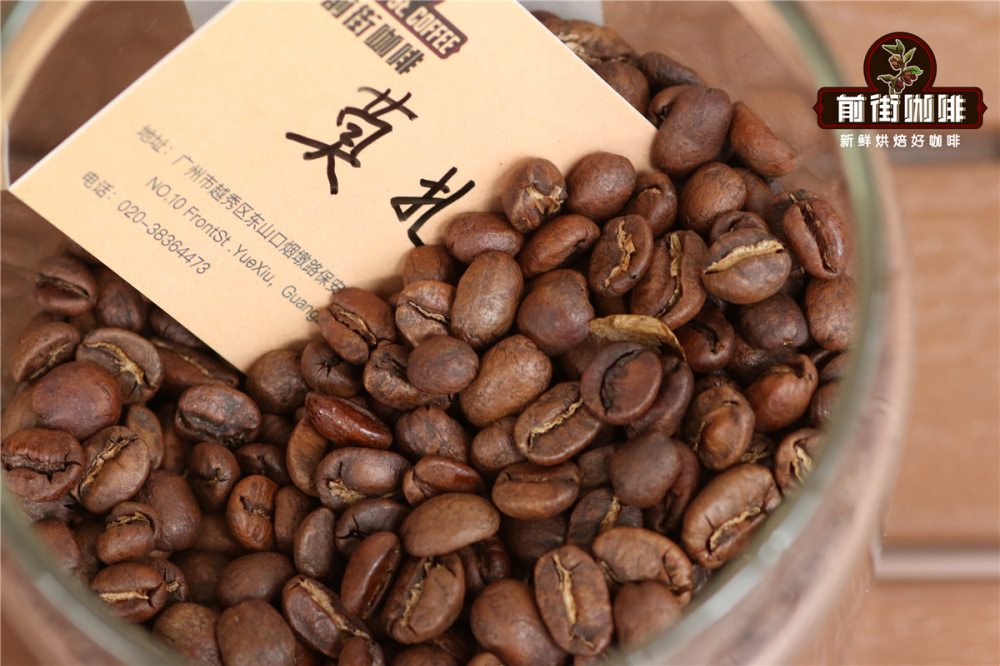
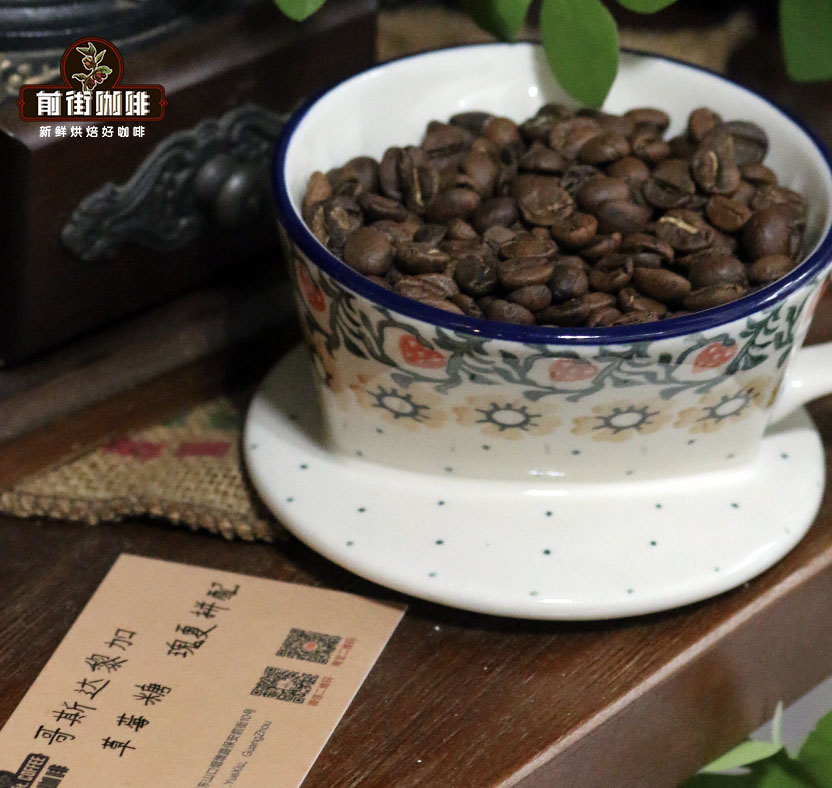
In practice, you can take the representative Costa Rican Mozart coffee as an example. This bean uses a raisin anaerobic honey process, with flavors showcasing intense raisin, osmanthus, and fruity fermented sweetness. The cold drip method can make these characteristics even more pronounced.The recommended grind size is similar to that for iced pour over, using an 85% passing rate through a Chinese No. 20 standard sieve, or a setting of 9 on the ek-43s grinder. A moderately fine grind helps improve extraction efficiency in a low-temperature environment.
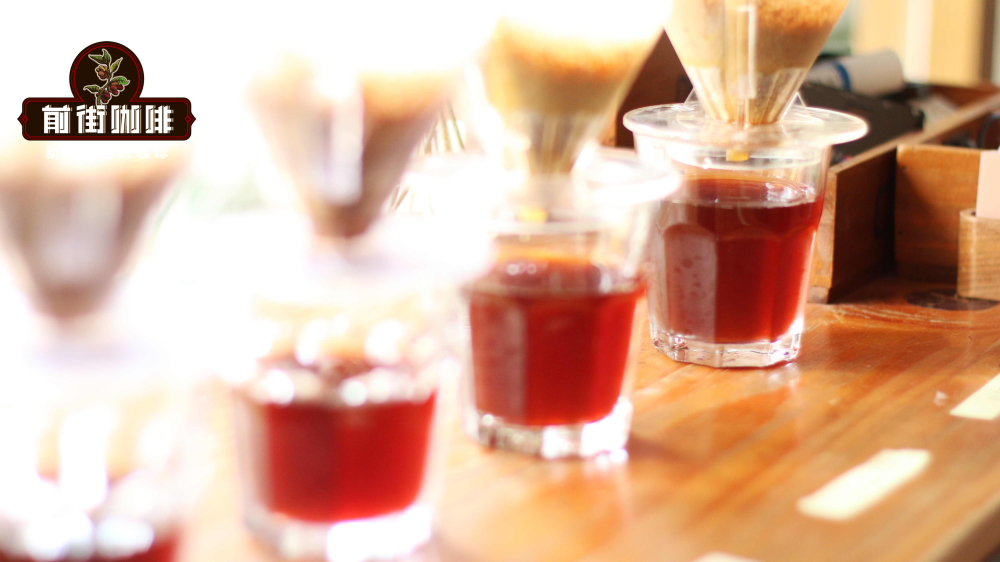
The standard extraction parameters suggest using a coffee-to-water ratio of 1:10—for example, 60 grams of coffee grounds to extract 600 grams of coffee liquid, with a 1:1 ice-to-water ratio. Adjust the valve to 7 drops every 10 seconds, with the total dripping time generally falling between 6 to 8 hours. The coffee-to-water ratio can also be adjusted to 1:10 to 1:12 according to personal taste.Pre-wetting the coffee bed helps achieve even extraction and shortens the overall extraction time.
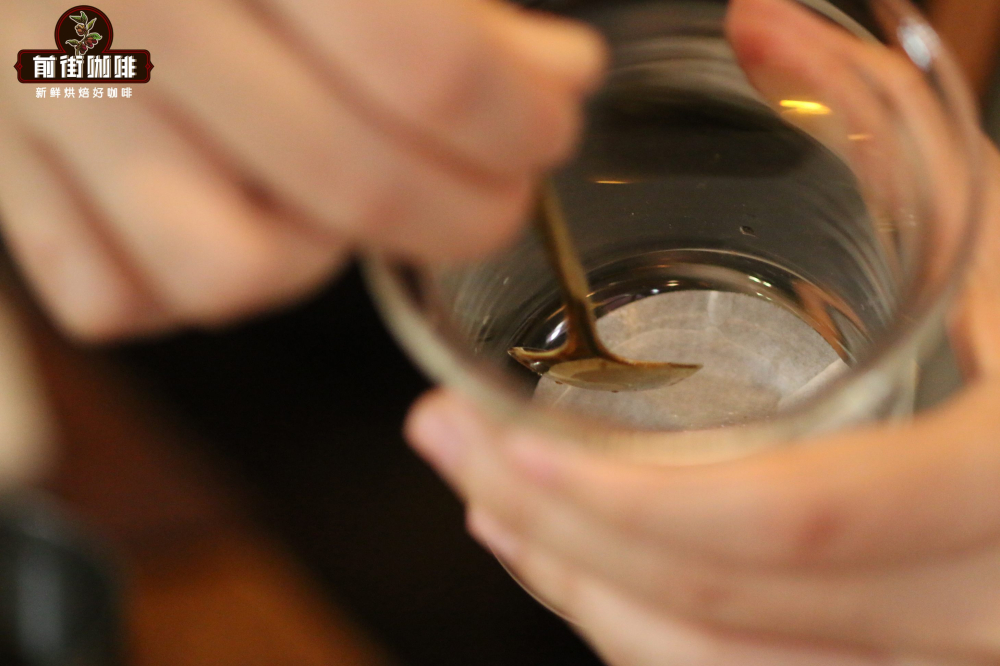
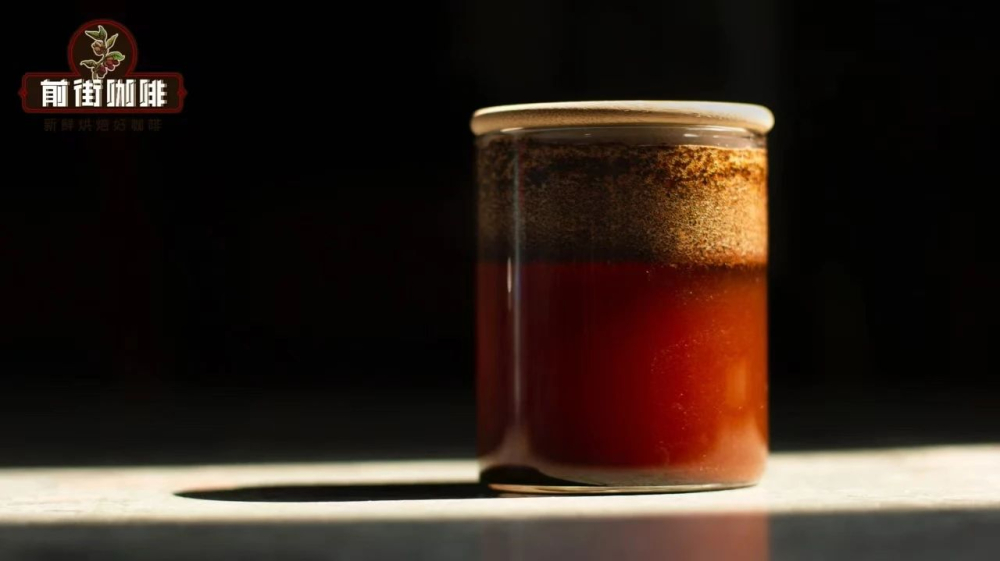
Place a round filter paper at the bottom of the middle chamber, evenly add the coffee grounds, then cover with another filter paper to ensure the water drips uniformly without disturbing the coffee bed. When filling with an ice-water mixture, it’s recommended to use a half-and-half ratio of ice to water, and adjust the valve so that the dripping point aligns with the coffee liquid outlet. After dripping is complete, pour the coffee liquid into a sealed container such as a glass bottle. It is recommended to refrigerate and ferment for at least 12 hours; the flavor becomes rounder the next day, with a fermentation layer reminiscent of fruit wine.
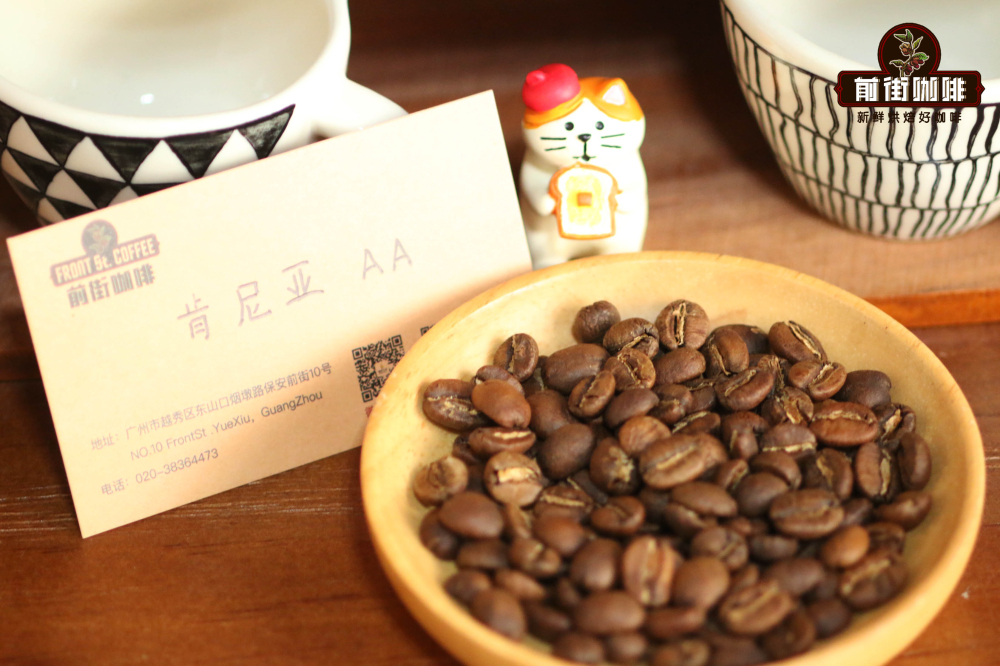
When selecting coffee beans suitable for cold drip, prioritize those with distinct flavor profiles. For example, tropical fruit and fermented wine types, represented by Mozart, showcase deep berry sweetness and wine-like finishes. Similar types also include Xiazha, Dabutou, Strawberry Candy, and Blackberry, which are also suitable for iced pour over or cold brew. These beans can enhance fruity and fermented characteristics during the cold drip process, with clear layers and long-lasting aftertastes.
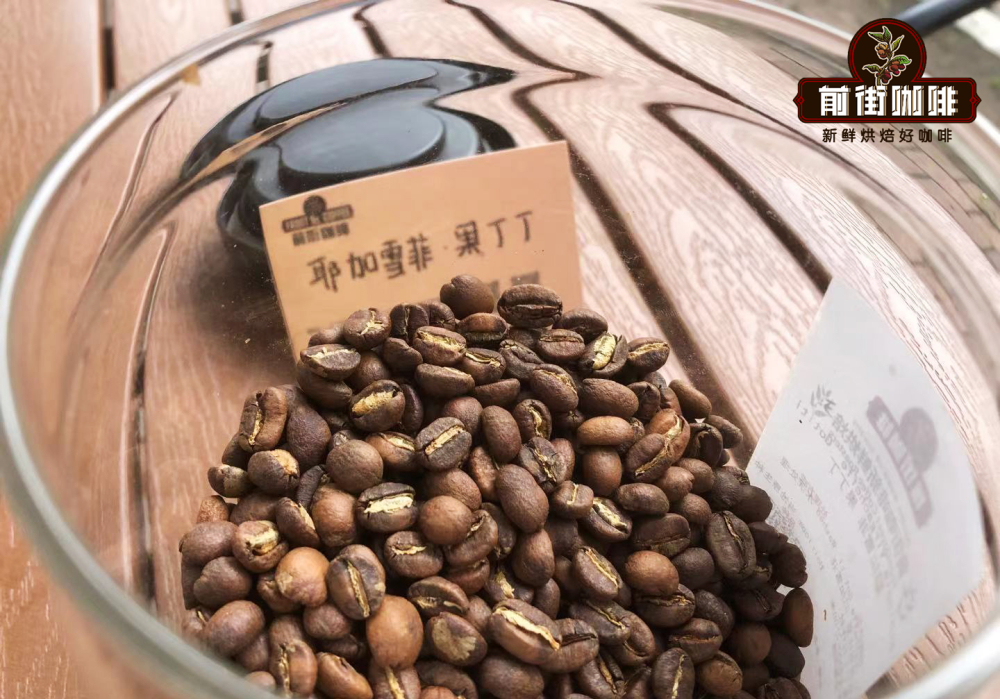
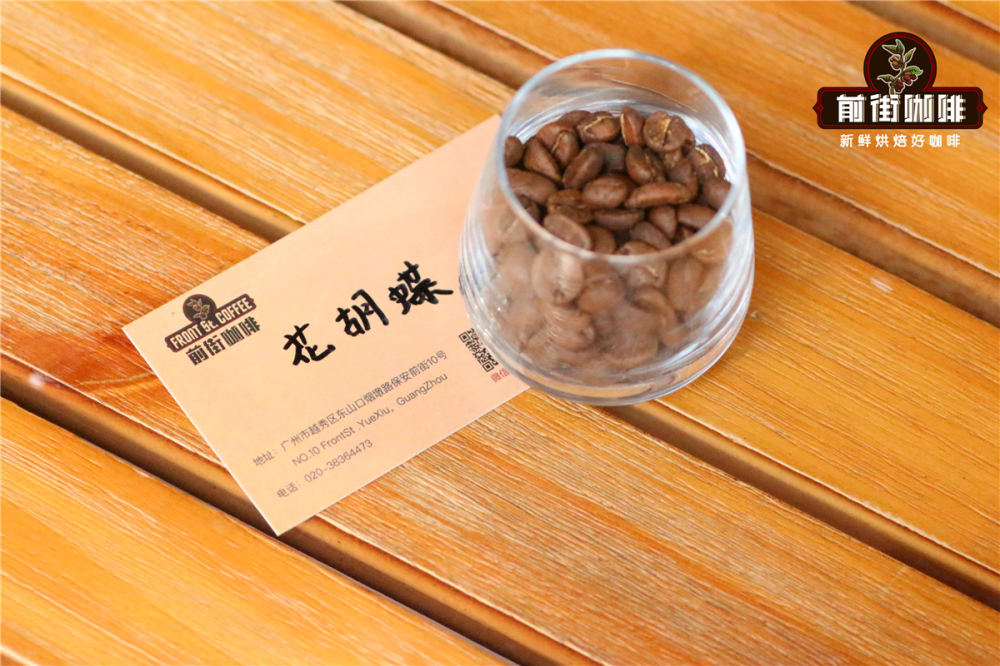
If you prefer a clean and refreshing taste, you can choose washed-process beans with bright acidity, such as Kenyan Little Tomatoes, Ethiopian Guji Dingding, or Panamanian Flower Butterfly. These beans present clear and bright acidic notes akin to cherry tomatoes and grapefruit after cold drip, making them especially suitable for summer drinking. They offer a pure and vibrant taste, delivering a juice-like refreshing experience.
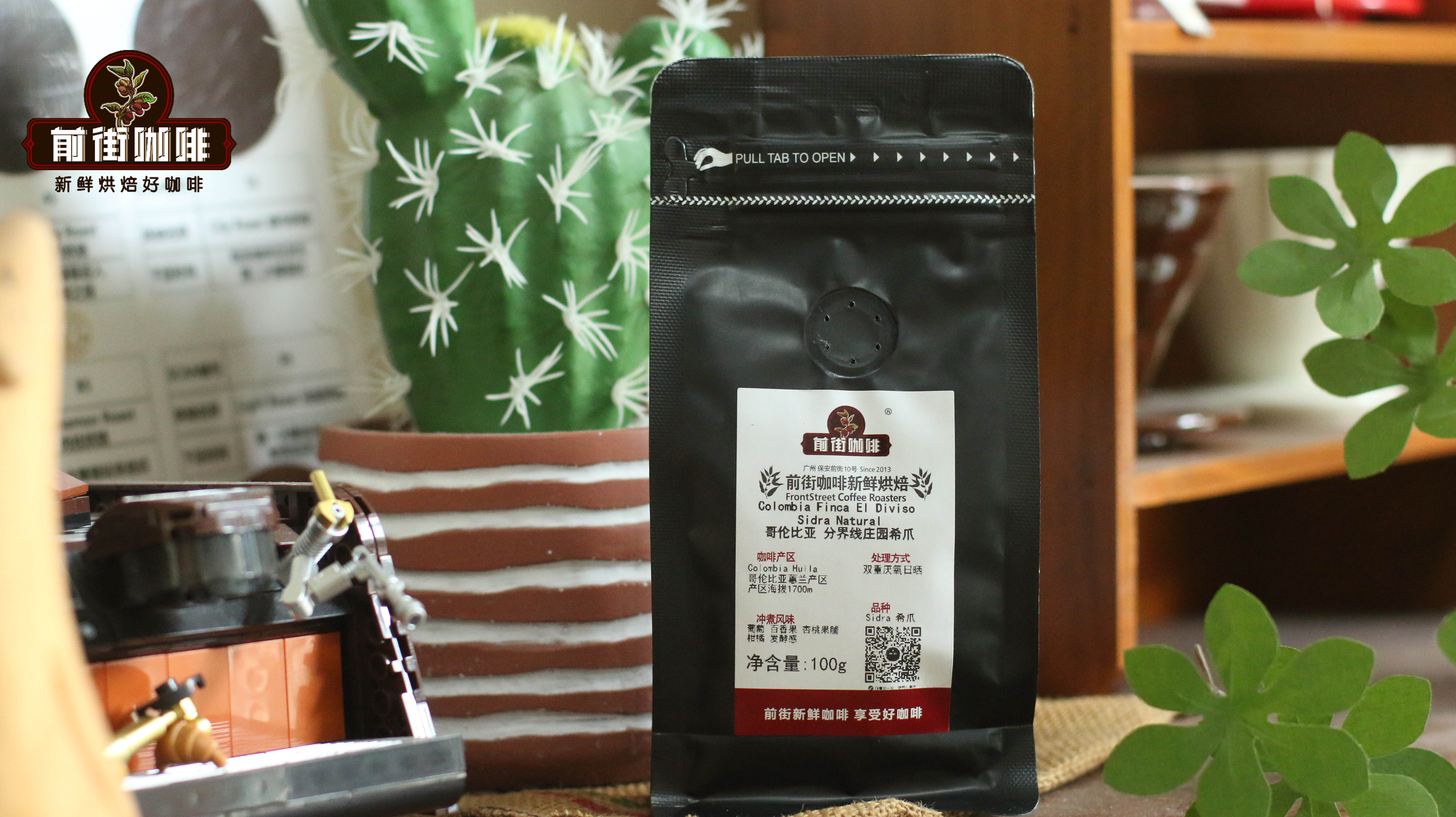
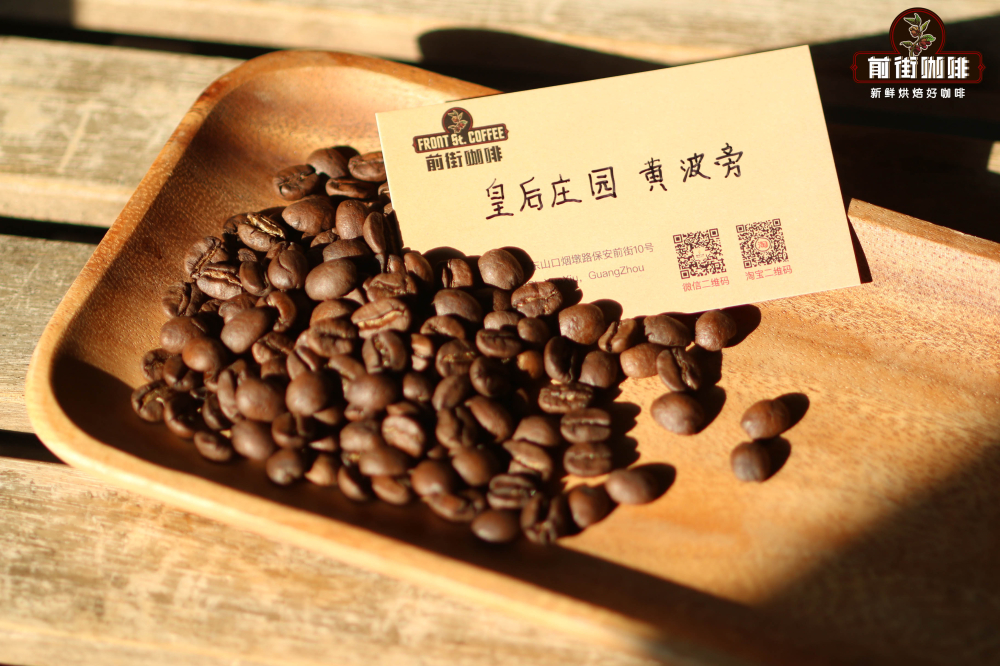
For those who enjoy sweet flavors, deeply roasted Indonesian Golden Mandheling is also a good choice. After cold drip, it shows rich chocolate and fermented aromas without any bitterness. If you prefer a smoother taste, Brazilian Queen Estate beans bring nutty and buttery textures that become even more silky and sweet after being diluted with ice.
Additionally, cold drip coffee is well-suited for blending different beans to create more complex and layered flavors. For instance, combining Xiazha with Kenyan beans, Mozart with Red Cherry, or Dabutou with Flower Butterfly can highlight each other's complementary traits. It is recommended to adjust the blending ratios according to personal preference to explore your own unique flavor combinations.
In summary, cold drip coffee is highly versatile. Whether you prefer fruity notes, clean acidity, or rich sweetness, as long as you master key parameters such as grind size, coffee-to-water ratio, and dripping speed, you can achieve surprisingly excellent results. It is recommended to use freshly roasted coffee beans—the best-tasting beans within their prime can fully express various flavor characteristics, leading to better extraction performance.
The above content is compiled by CoffeeHunters, a coffee news website.

