







Introduction:Both cold drip and cold brew coffee have gained widespread popularity among coffee enthusiasts in recent years, thanks to their unique cold extraction processes. This article delves into the differences in the principles behind these two low-temperature brewing methods, the types of coffee beans best suited for each, recommended DIY equipment, and how to extend their peak flavor period. We also share creative flavoring ideas and safe storage timelines so you can brew richly layered, refreshing cold-brewed coffee at home.
In recent years, more and more coffee lovers have started making cold drip and cold brew coffee at home. These low-temperature brewed coffees, known for their refreshing acidity and sweetness, have gradually become popular choices for summer or at-home beverages. Compared to traditional hot water brewing, cold drip and cold brew slow down the extraction process by using a low-temperature environment (typically between 0 to 7°C), effectively reducing the release of bitter substances and allowing the coffee to showcase more pronounced fruit acidity and sweetness.
Although both cold drip and cold brew fall under the category of low-temperature extraction, their brewing principles differ. Cold brew generally uses an immersion method, where coarsely ground coffee is combined with cold water and left to steep in a container for several hours; whereas cold drip involves slowly dripping ice water through a filter, extracting the coffee drop by drop in a manner similar to pour over. The former tends to have a more uniform taste, while the latter offers a more distinct layering with a finer expression of flavors.
The biggest advantage of low-temperature extraction lies in the reduction of large-molecule bitter compounds typically released at high temperatures. As a result, cold drip and cold brew coffee often feature a fresher fruit acidity and sweetness, along with a smoother and gentler flavor profile, making them ideal for drinkers who prefer a delicate taste.
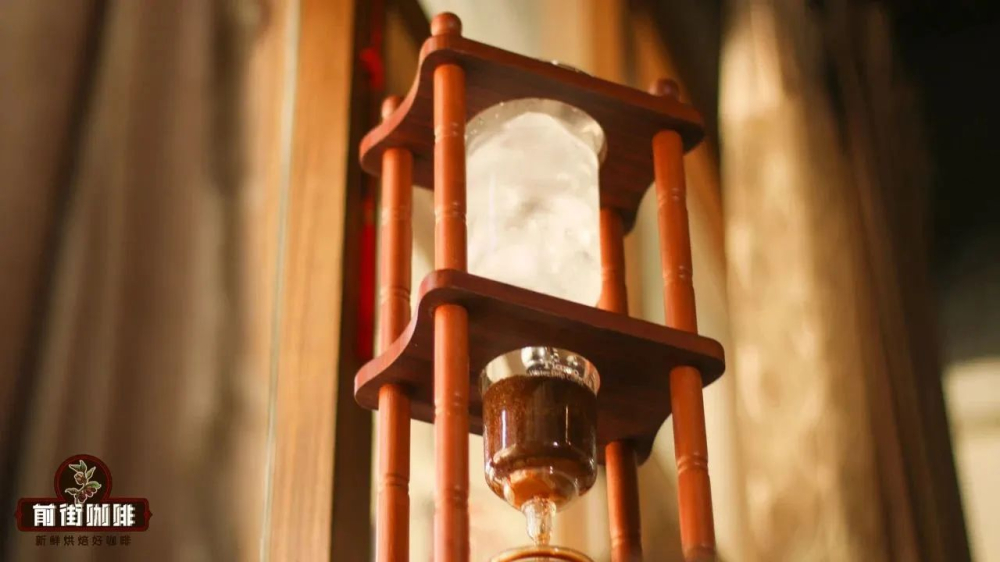
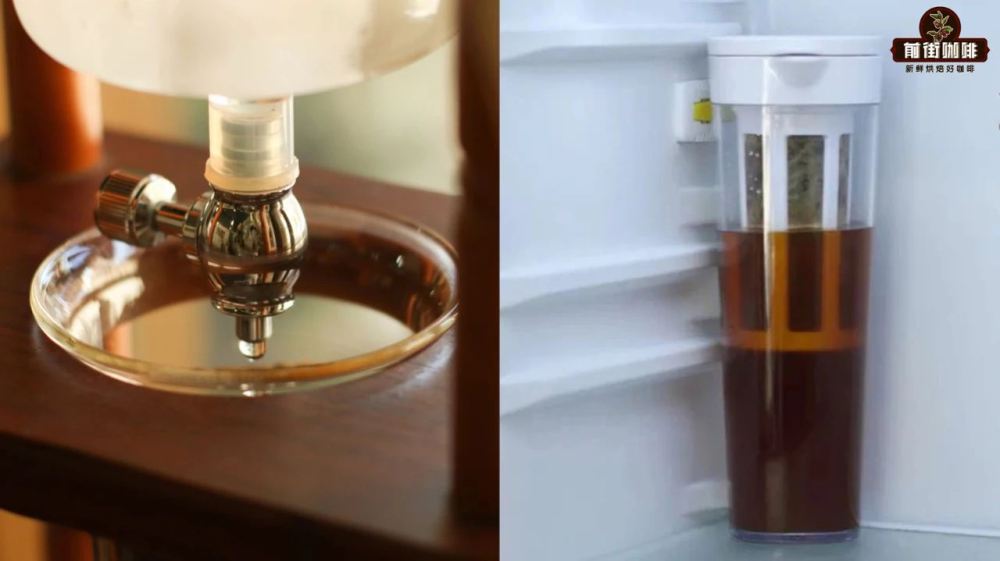
If you want to make these at home, selecting the right equipment is key. Cold brew is relatively simple—just a clean, sealable container is enough to get the job done, requiring minimal equipment and helping to save costs. Cold drip, on the other hand, requires precise control over the dripping rate and a stable supply of ice, so it’s recommended to use a professional cold drip maker to ensure a smooth and even extraction process.
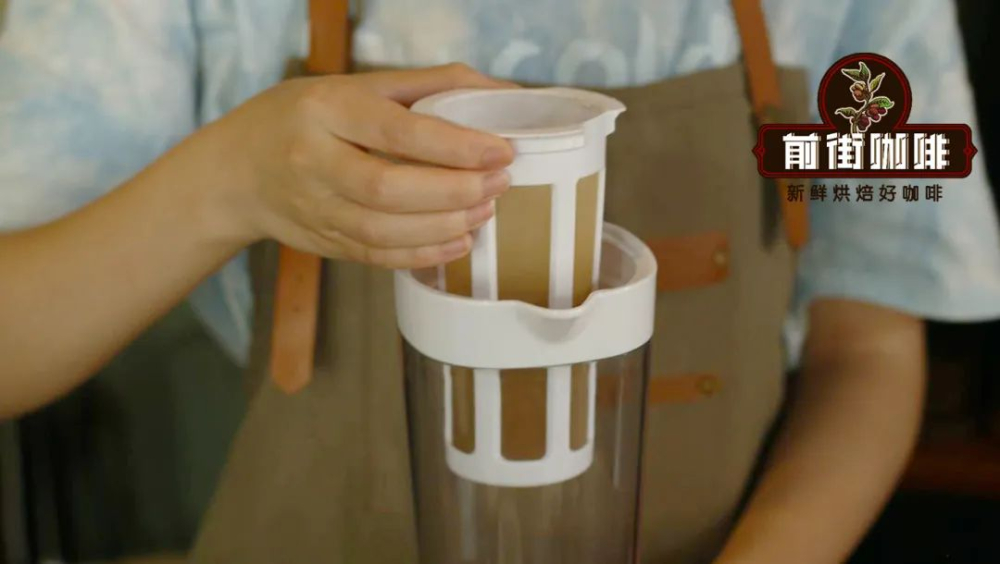
The choice of coffee beans also significantly affects the final flavor. For those who prefer a sweet and acidic taste, opt for medium to light roasted beans with prominent fruity notes—such as those with distinct berry characteristics—which can showcase fine layers of acidity and sweetness under low-temperature extraction. If you enjoy a balanced flavor, go for a blend that combines acidity, sweetness, bitterness, and body. For drinkers who prefer a rich and bold style, dark roasted beans such as Mandheling or classic aromatic varieties from golden-producing regions are recommended.
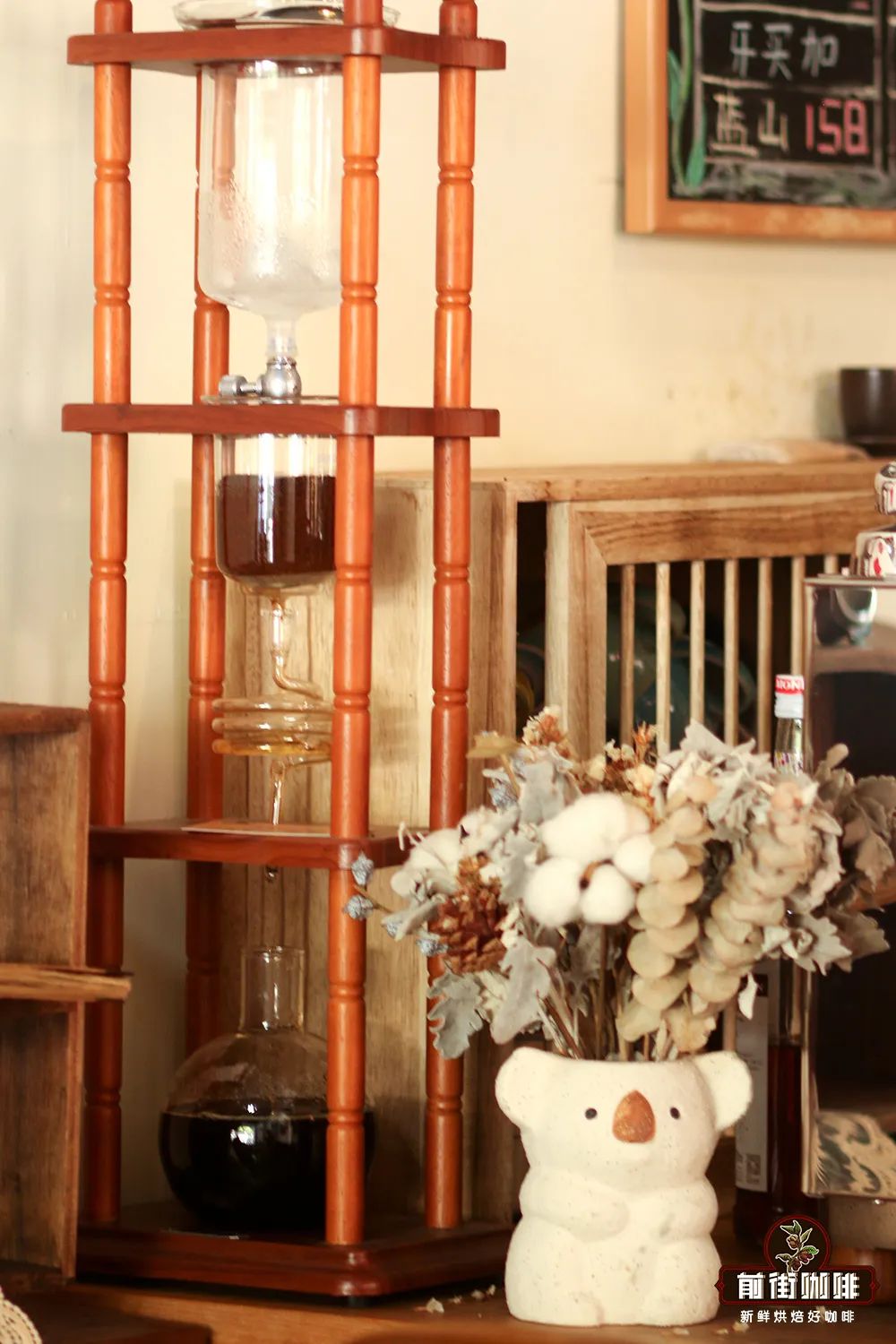
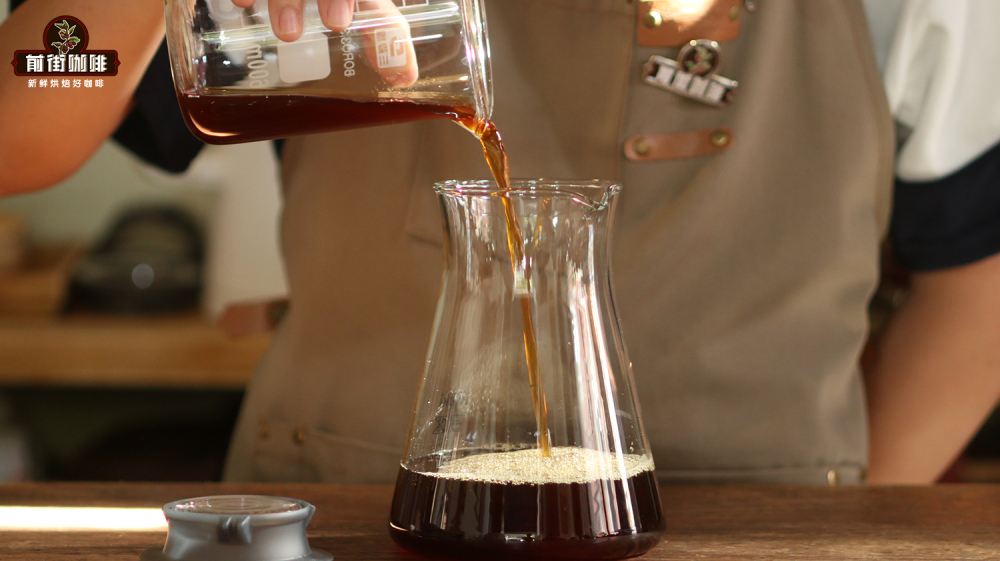
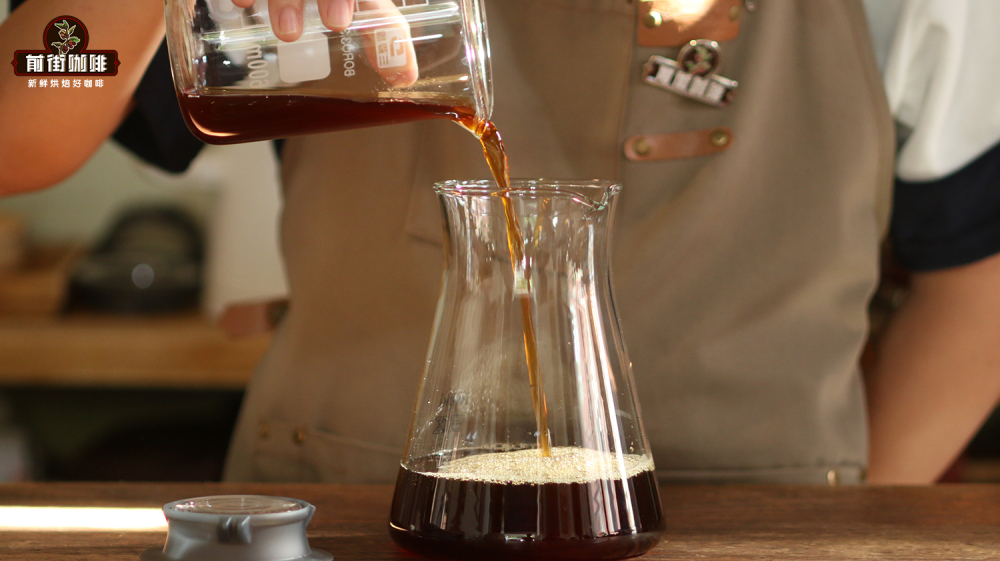
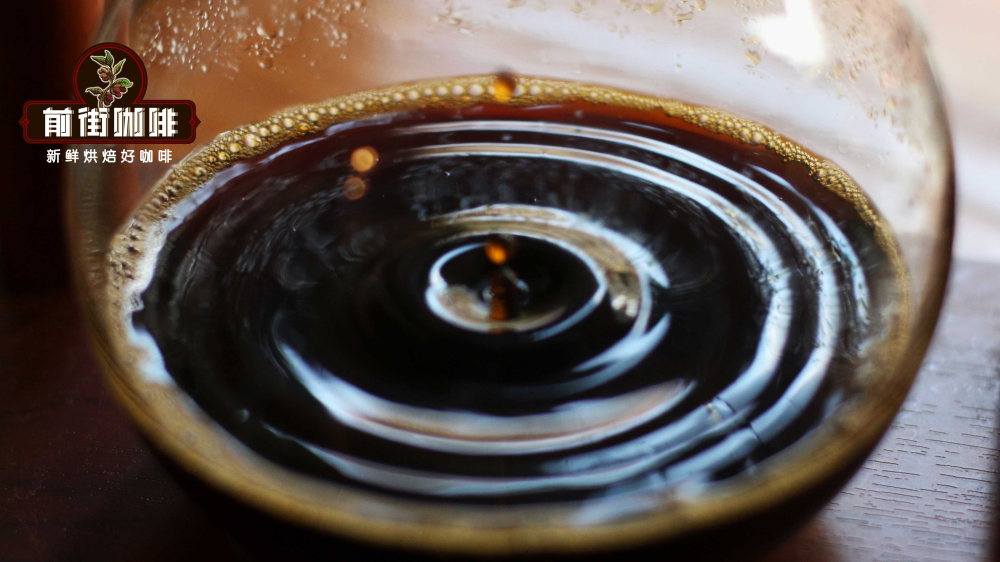
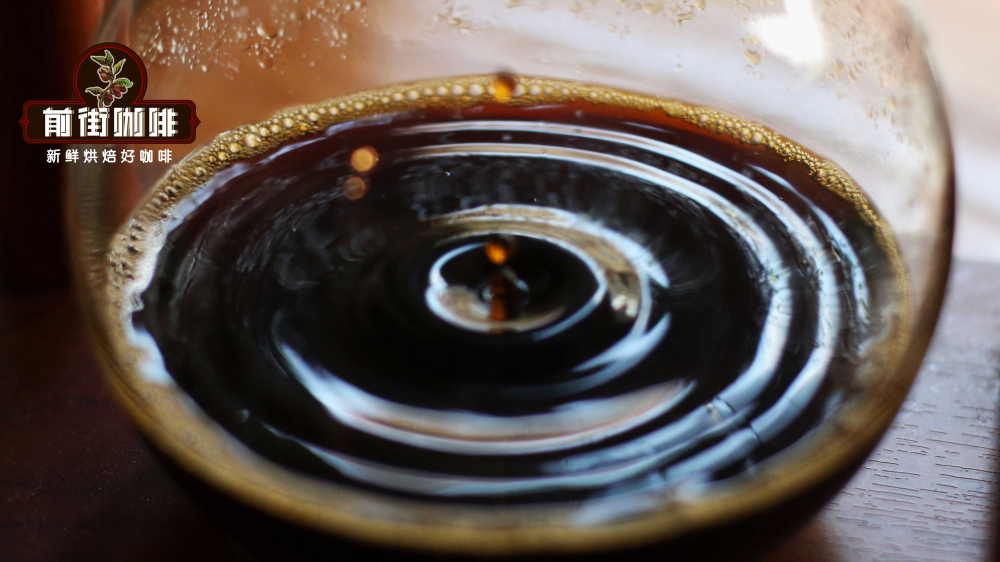
Once the cold drip coffee is brewed, it is recommended to store it in a sealed container and refrigerate for about 10 to 12 hours to achieve better flavor. Since the cold drip process is usually completed at room temperature over a period of about 6 to 8 hours, the finished coffee liquid is often cool and may show noticeable layering—with the bottom being darker and the top lighter—this is due to more substances being released during the early stages of extraction.
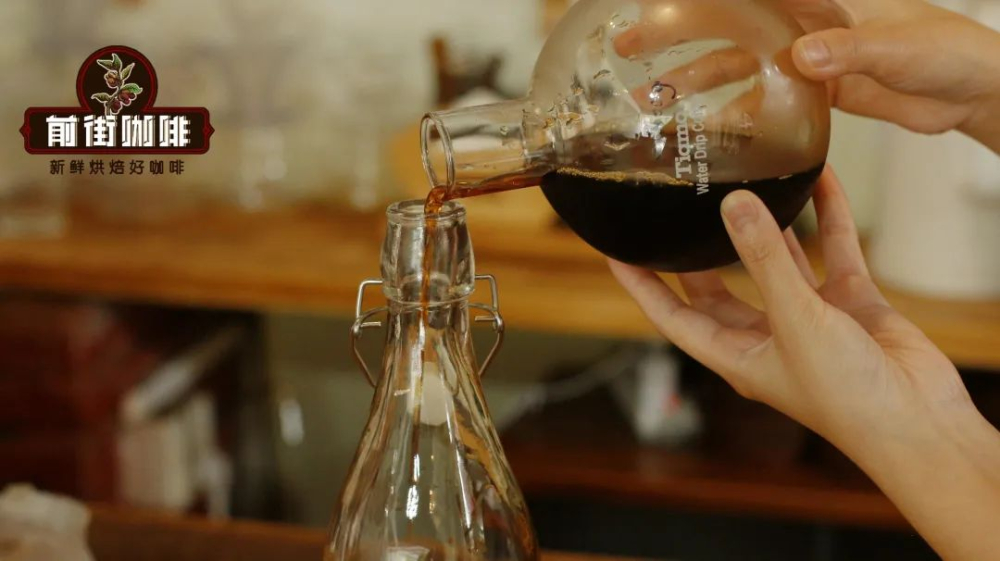
At this stage, the coffee’s flavor has not yet fully developed, only showcasing the middle-to-front characteristics. Pouring the cold drip liquid into a glass container with a sealing gasket and letting it rest in the refrigerator for 12 hours helps with flavor integration and the development of fermented aromas. The low-temperature environment inhibits the growth of miscellaneous bacteria while promoting the transformation of flavor compounds, allowing the coffee to exhibit a richer profile with subtle fermented notes.
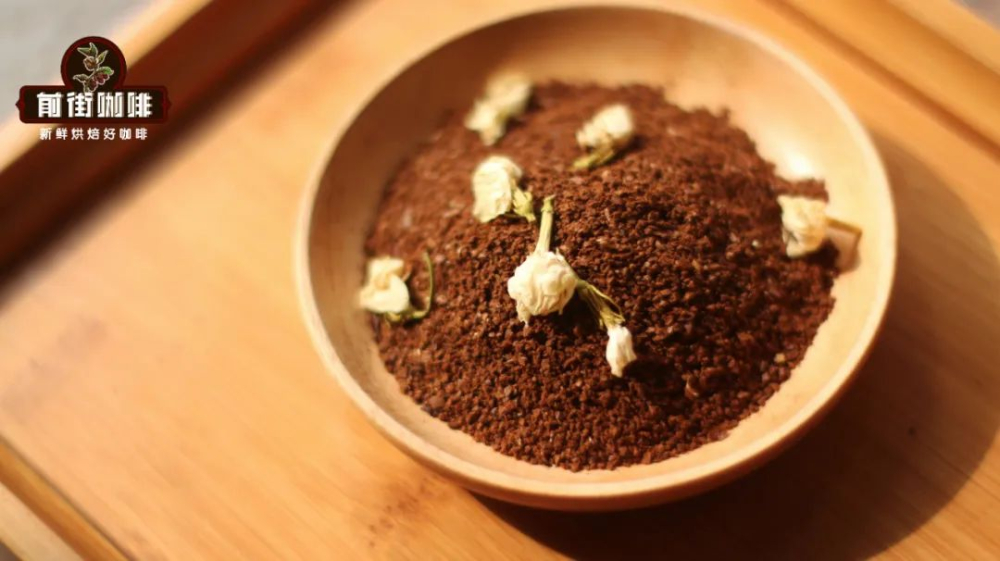
To add a unique twist to your cold drip or cold brew coffee, consider incorporating natural dried flower petals such as osmanthus, jasmine, or rose. These floral ingredients are not only easy to obtain, but their aromas can also create a harmonious and refreshing tone when paired with coffee. It’s recommended to pair them with medium to light roasted beans that have floral and fruity profiles—such as those with red cherry or citrus notes—to better highlight the elegant qualities of the floral aroma.
Regarding shelf life, cold drip coffee tastes best after refrigerating for 12 hours, but it is recommended to consume it within 5 days of brewing to avoid excessive fermentation flavors or spoilage risks. Cold brew coffee is best consumed 4 hours after filtering and can be stored in the fridge for about 7 days, though it is still advisable to enjoy it within 5 days to maintain optimal taste and drinking safety.
In summary, cold drip and cold brew coffee offer great flexibility in preparation and allow you to choose different coffee beans and flavoring methods based on personal preference. Mastering the correct extraction parameters, bean selection strategies, and storage methods will enable you to easily enjoy a delicately flavored, refreshing low-temperature coffee during hot summer days or cozy home moments.
The above content is compiled by CoffeeHunters, a coffee news website.


