







Introduction:Want to learn how a moka pot brews rich, intense espresso-style coffee? This article dives deep into the structure and working principles of the moka pot, as well as how to achieve the best extraction flavor through proper coffee bean selection and grind size settings. Whether you’re using it for the first time or aiming to refine your brewing technique, this beginner-to-advanced moka pot guide will help you master the key skills and elevate your coffee taste.
As a classic Italian espresso-making tool,the moka pot is widely loved for its simplicity and suitability for both outdoor and home use. Especially during camping, it can be used with a portable gas stove to enjoy a steaming cup of coffee, paired with the outdoor scenery—it’s incredibly relaxing. With just a pot of water, the right amount of coffee grounds, and a heat source, you can easily make an espresso-like coffee that resembles those from Italian cafés.
Many people wonder: is the coffee brewed with a moka pot the same as “mocha coffee”? Actually, no. Mocha coffee usually refers to milk coffee with added chocolate or coffee beans originating from the Yemeni port of Mocha. The coffee made by a moka pot, however, is actually a concentrated coffee extracted under pressure, offering a rich and layered flavor.
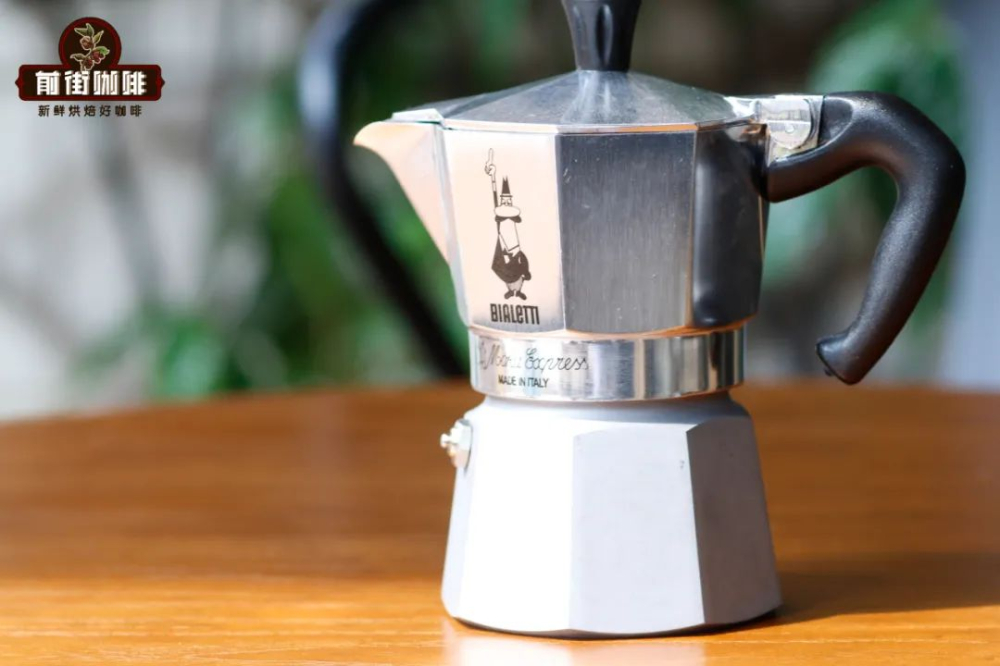
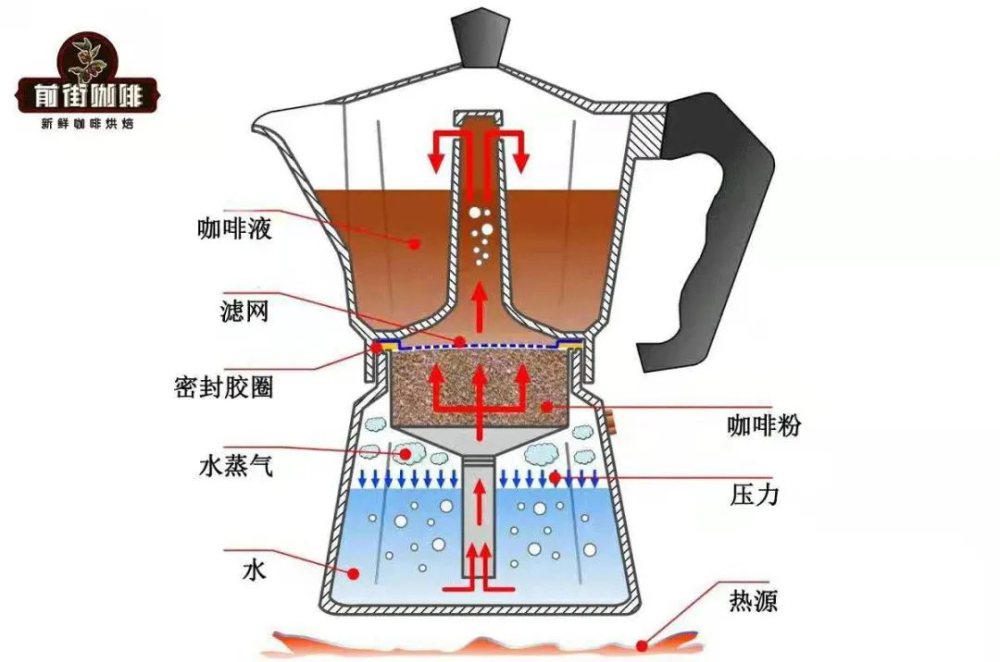
The moka pot mainly consists of three parts:The upper chamber serves as the collector for the brewed coffee.The middle section contains the channel through which heated water rises, andthe lower chamber is where water is placed and heated.The slender central column is responsible for pushing the heated water upward through the filter filled with coffee grounds. Additionally,the filter plate and gasket are designed to effectively prevent coffee grounds from entering the upper chamber,ensuring the purity of the coffee liquid. The lower chamber is also equipped with a safety valve near the bottom, which is an important protective mechanism to prevent excessive internal pressure—make sure to check that it functions properly when using.
When choosing a moka pot, prioritize quality and safety, and avoid purchasing cheap imitation products from unknown sources.It is recommended to choose well-known brands, such as historically established Italian-made moka pots—though they may be slightly more expensive, typically above 499 yuan, their quality and safety are more assured. In addition, purchasing through official channels can also avoid the risk of counterfeits, ensuring stable performance and safety during use.
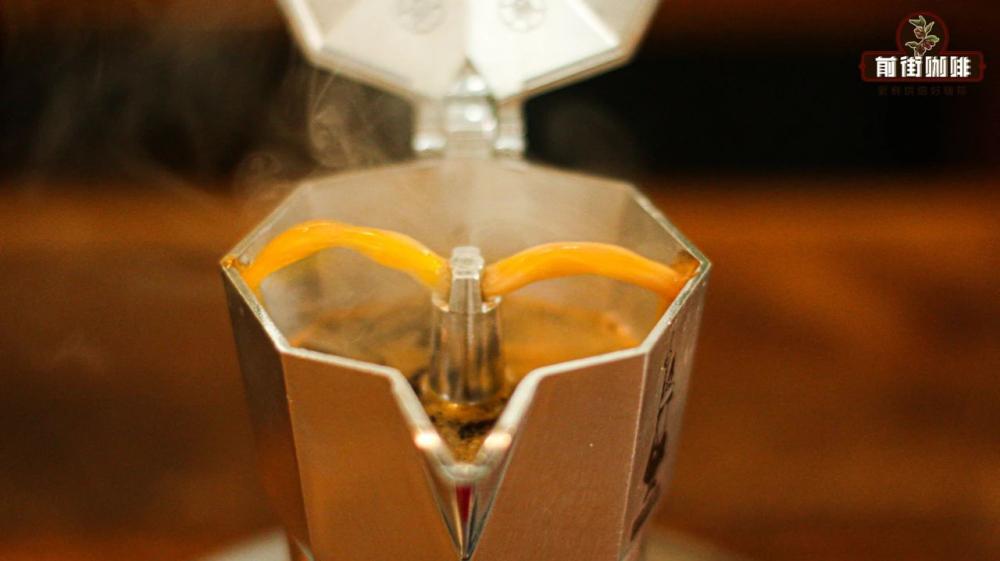
Regarding coffee bean selection, since the moka pot brews at nearly 100°C with pressure,light roast beans can easily extract overly sharp acidity in high-pressure environmentsand struggle to form attractive coffee crema due to insufficient carbon dioxide release. Therefore,it is recommended to use medium-dark to dark roast coffee beans,such as Brazilian beans with nutty and cocoa flavors, Indonesian Mandheling with herbal and spicy notes, or blends that combine rose, cream, and raisin aromas—all of which can showcase the unique boldness of moka pot brewing.
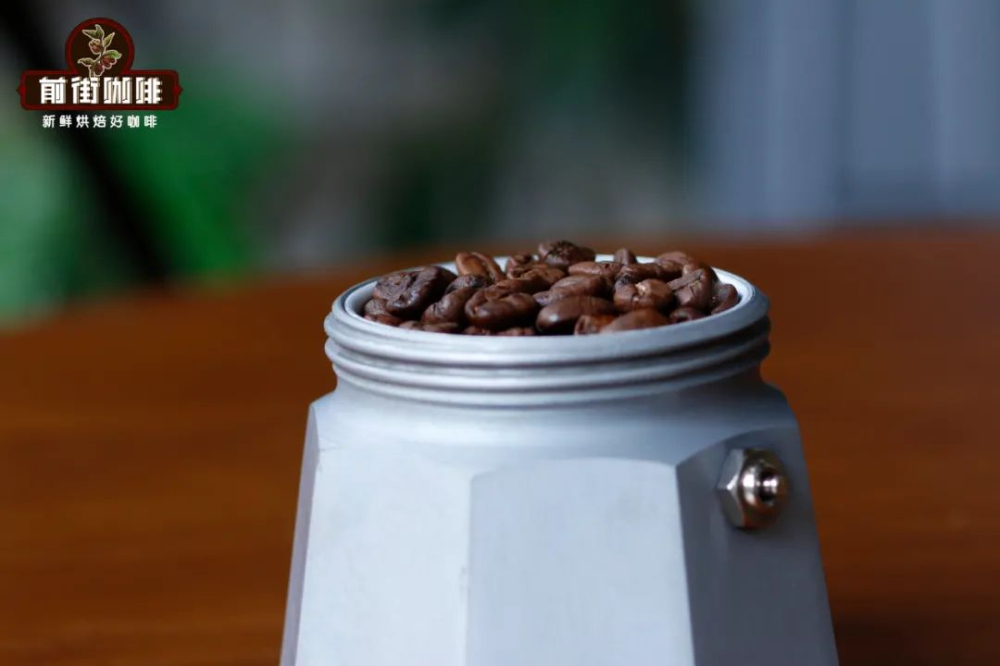
In terms of grind size, the coffee grounds needed for a moka potare roughly equivalent to a medium-fine grind used in pour over brewing.If you prefer a stronger flavor, you can adjust the grind slightly finer, but avoid going too fine to prevent over-extraction or blockage. When filling the coffee, it’s recommended to spread the grounds evenly and you may place a filter paper if desired for hygiene and filtration.
During actual operation,first pour water into the lower chamber, making sure the water level does not exceed the safety valve position.Then add the coffee grounds into the middle filter, press them down lightly to level, and assemble the upper and lower chambers. Once heating begins, the heated water vapor pushes upward through the coffee layer, eventually forming concentrated coffee in the upper chamber. When you hear a hissing sound, it means the extraction is nearing its end—turn off the heat at this point. The whole process takes about 5 minutes, and then you can enjoy a hot, richly flavored moka pot coffee.
The above content is compiled by CoffeeHunters, a coffee news website.


