








Introduction:As the world’s largest coffee-producing country, Brazil is renowned for its coffee beans’ stable flavor profile and balanced acidity and sweetness, making them particularly well-suited for espresso blends. This article will delve into the characteristics of Brazilian coffee, explore why it is often the first choice for blends, and recommend several representative single-origin beans to help you understand how to select the right Brazilian beans based on roast style and origin.
Brazil is the world’s top coffee producer, and its beans generally feature mild acidity and a well-balanced bitterness and sweetness. After roasting, they exude rich nutty aromas, with a full-bodied mouthfeel and a hint of fruit acidity. They are enjoyable as single-origin coffees and also blend exceptionally well into various coffee blends.

When selecting Brazilian coffee beans, it’s recommended to choose beans from reputable roasters to ensure freshness and proper processing. These roasters typically adjust the roast level according to different brewing methods—for example, medium-dark roasts are ideal for highlighting their nutty and caramel notes, and this is also the roast style commonly used in espresso blends.
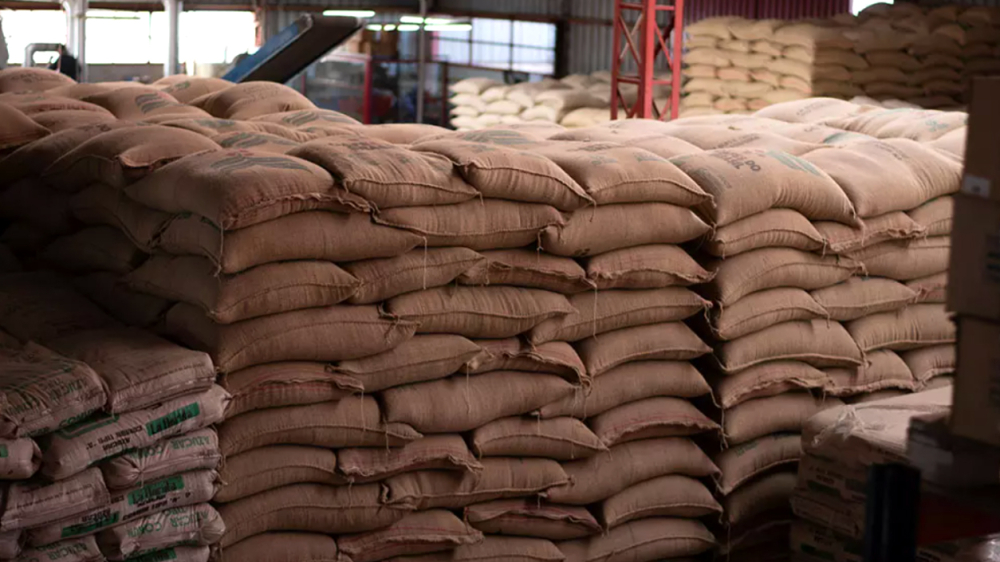
Many coffee shops prefer using Brazilian beans as the base for blends because of their relatively mild flavor and strong compatibility. Unlike the intense citrus acidity of Yemeni Yirgacheffe or the heavy, spicy profile of Indonesian Mandheling, Brazilian beans offer a smooth and balanced tone that pairs well with beans from various origins without overpowering them.
In common Brazilian coffee blend applications, the pulped natural (semi-washed) processing method is often used. This method retains more fruity and sweet notes, resulting in a cup that features layers of nuts, dark chocolate, and caramel. Whether you prefer a bold flavor or a high-value option, there’s a blend to suit your taste.

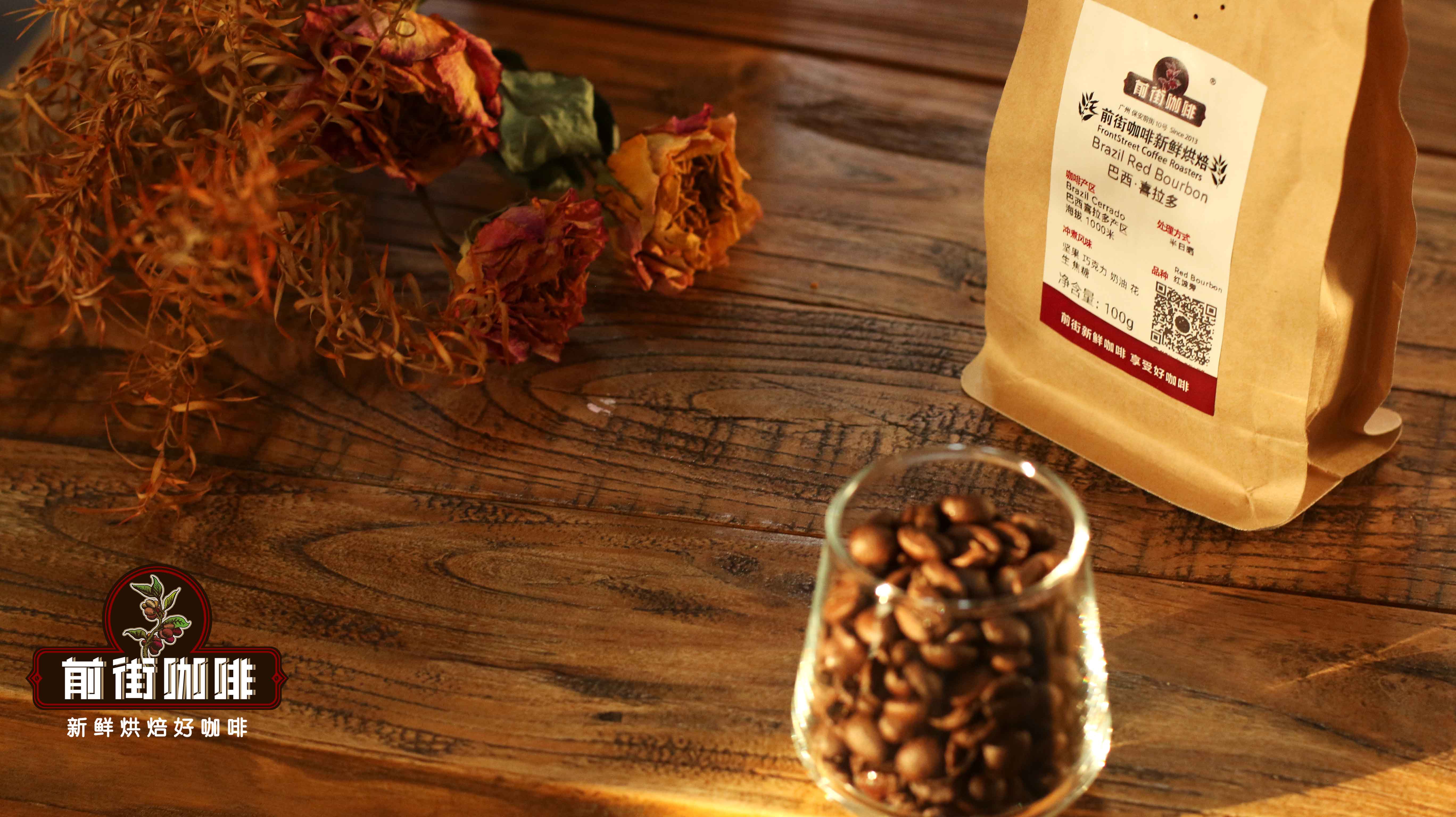
For single-origin enthusiasts, it’s recommended to try red Bourbon beans from Brazil’s Cerrado region. Grown at an altitude of about 1,000 meters and processed using the pulped natural method, these beans offer a complex flavor profile of nuts, chocolate, cream, peanuts, and caramel. They are excellent for pour over or French press brewing and serve as an ideal choice for many coffee beginners.
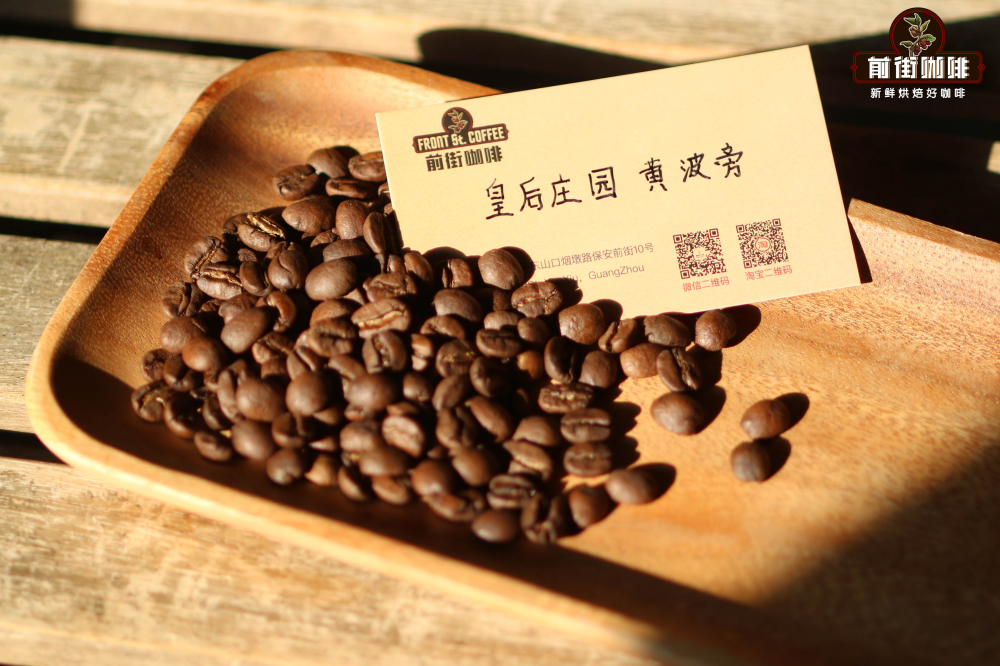
Another noteworthy option is the yellow Bourbon beans produced by Fazenda Rainha in Brazil, cultivated in the high-altitude Mogiana region (1,400–1,950 meters), an area known for its delicate flavors. Processed using the pulped natural method, these beans highlight layers of chocolate, nuts, caramel, sugarcane, and tropical fruit aromas, making them perfect for savoring their complexity and balance.

For actual brewing, it’s suggested to use medium-light to medium-roasted Brazilian beans for pour over at a water temperature of 90–93°C, with a medium-fine grind size and a brew time of around 2–3 minutes. This effectively brings out their nutty and sweet characteristics. For espresso machine extraction, medium-dark roasts are recommended, with grind fineness adjusted according to puck tamping pressure to achieve rich crema and a balanced crema expression.
In summary, Brazilian coffee beans, with their stable growing conditions, diverse processing methods, and approachable yet layered flavors, whether as everyday drinking beans or the foundation for professional blends, showcase their unique charm. They are one of the essential origins every coffee lover should try.
The above content is compiled by CoffeeHunters, a coffee news website.

