








Introduction:Facing a dazzling array of Arabica coffee beans, beginners often don’t know where to start. This article systematically analyzes classic beans from seven renowned origins such as Brazil and Ethiopia, covering regional characteristics, processing flavors, and roast levels, and provides practical advice on selection and storage for newcomers, helping you find your own flavor preference.
Arabica coffee is known for its diverse flavor profiles, ranging from bright acidity to rich chocolate notes, all stemming from subtle differences in origin altitude, climate, and post-harvest processing. For beginners, understanding the typical characteristics of each origin is the key first step in choosing beans that suit your taste.
Brazil CerradoThis coffee bean is recommended to be placed at the top of your shopping list (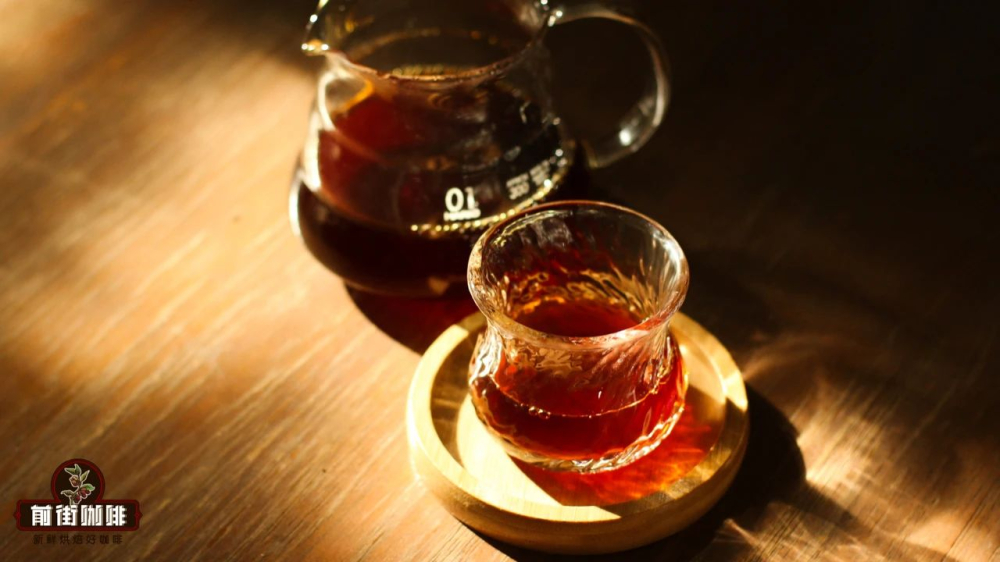 ). Coming from South America’s largest coffee-producing region, these beans are known for their round mouthfeel and moderate acidity, with a distinctly sweet aftertaste. Their smooth flavor makes them a base bean for espresso blends, yet they also deliver a mellow texture when brewed as a single origin.
Turning to Central America,Colombia Huila(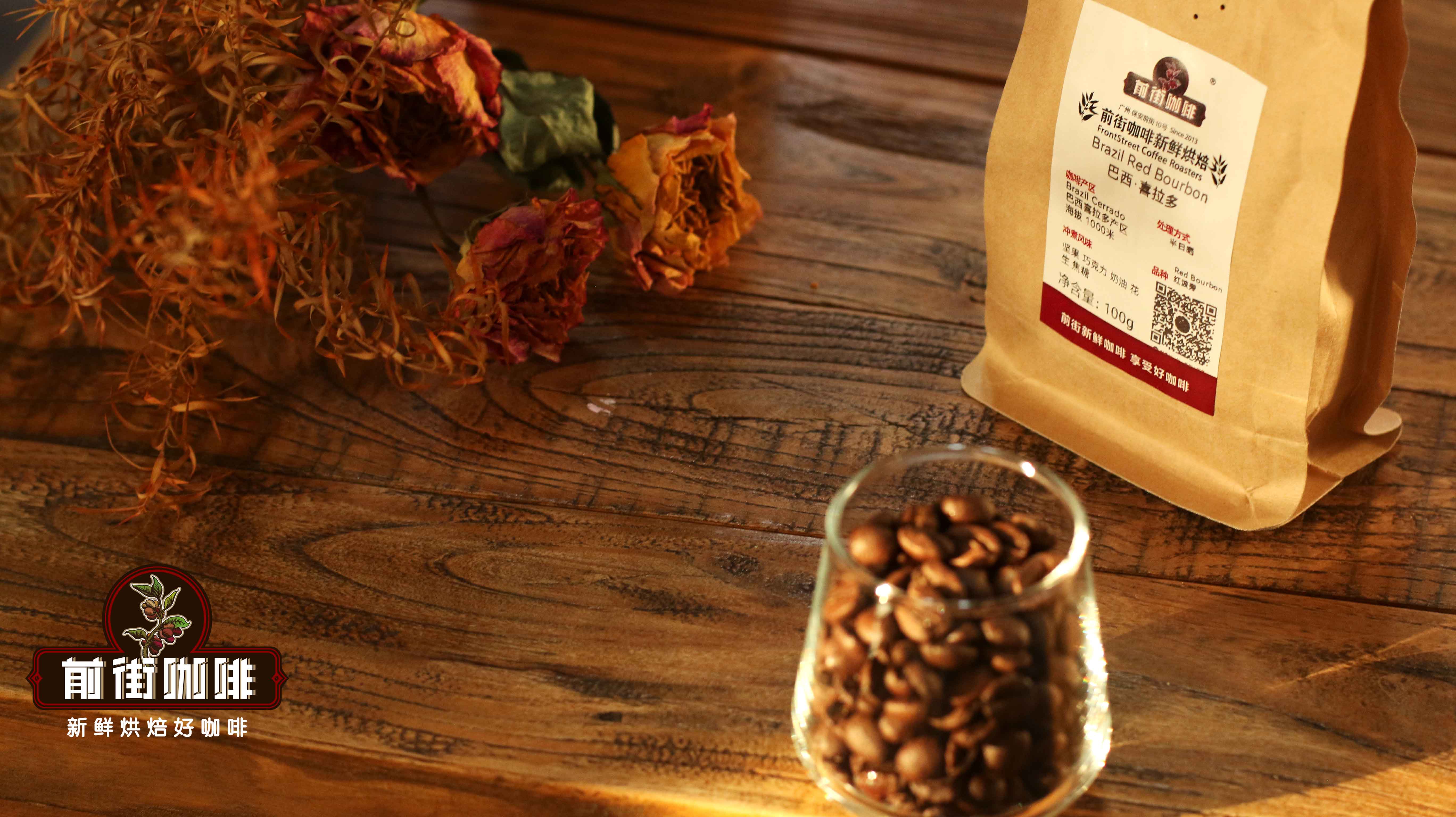 ) showcases a unique full-bodied character. This origin strictly controls quality, and the beans exude a rich aroma, with a well-balanced acidity and bitterness. Depending on the roast level, it can reveal multiple layers of fruitiness and nuttiness, making it an ideal choice for intermediate enthusiasts exploring flavor variations.
African beans are known for their vibrant fruity aromas, among whichEthiopia Huaca(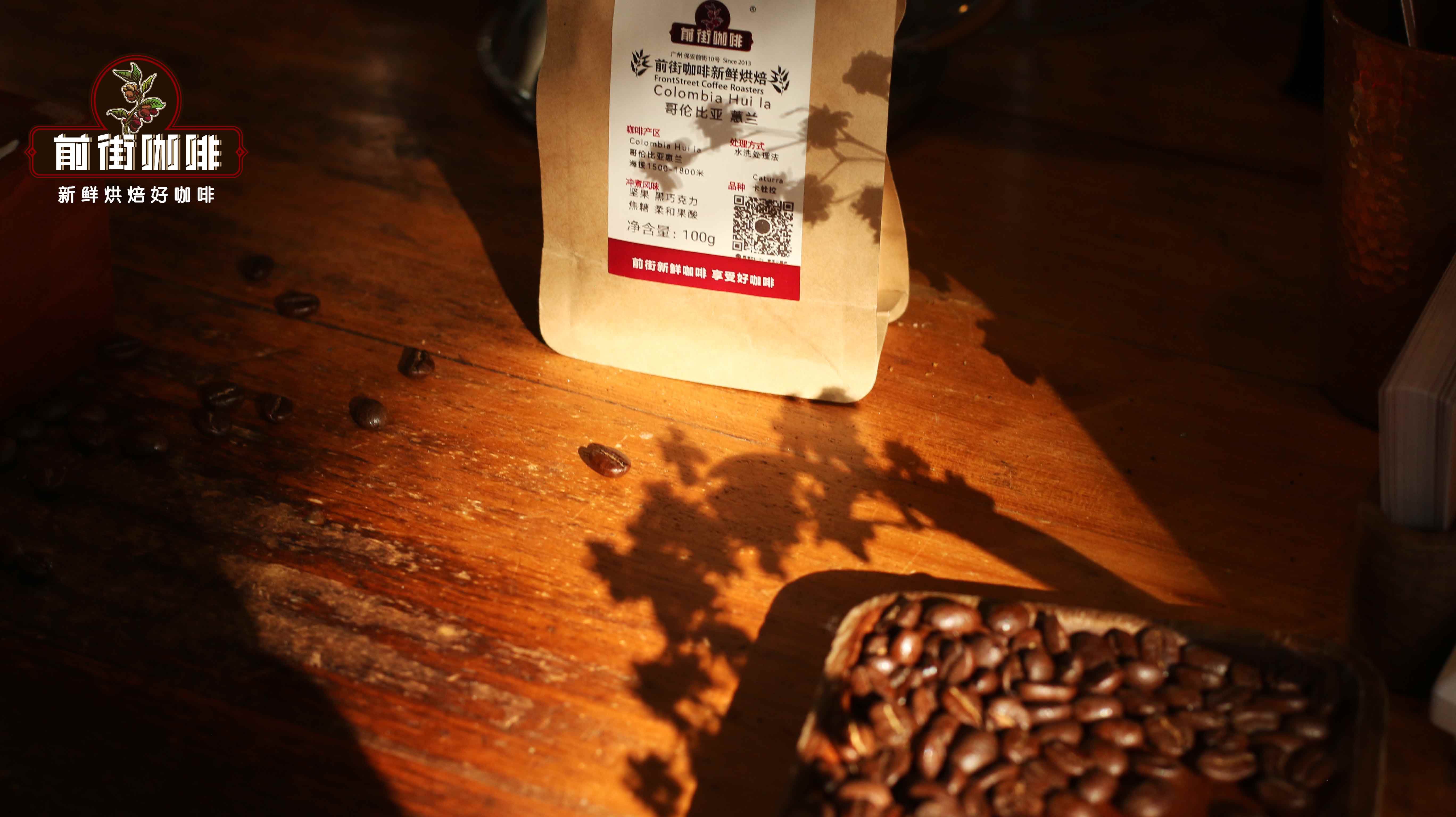 ) stands out particularly. This sun-dried bean is bursting with floral notes and bright, sweet acidity, with almost no bitter interference. Its clean profile is especially suitable for drinking straight, allowing you to fully experience the delicate layers of coffee’s original flavors.
Kenya Little Tomato(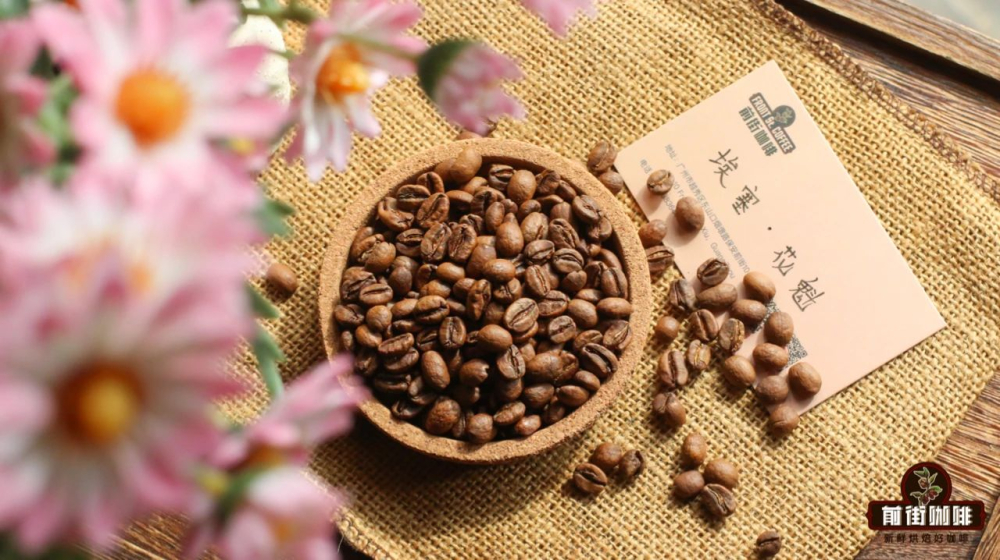 ) surprises the palate with its unique fruit combination. Its flavor profile blends the acidity and sweetness of black plum, pear, and cherry tomatoes, paired with high body and lively acidity, like sipping freshly squeezed juice. It is highly favored by coffee lovers who prefer an explosive fruitiness.
Roast level directly impacts the final flavor expression (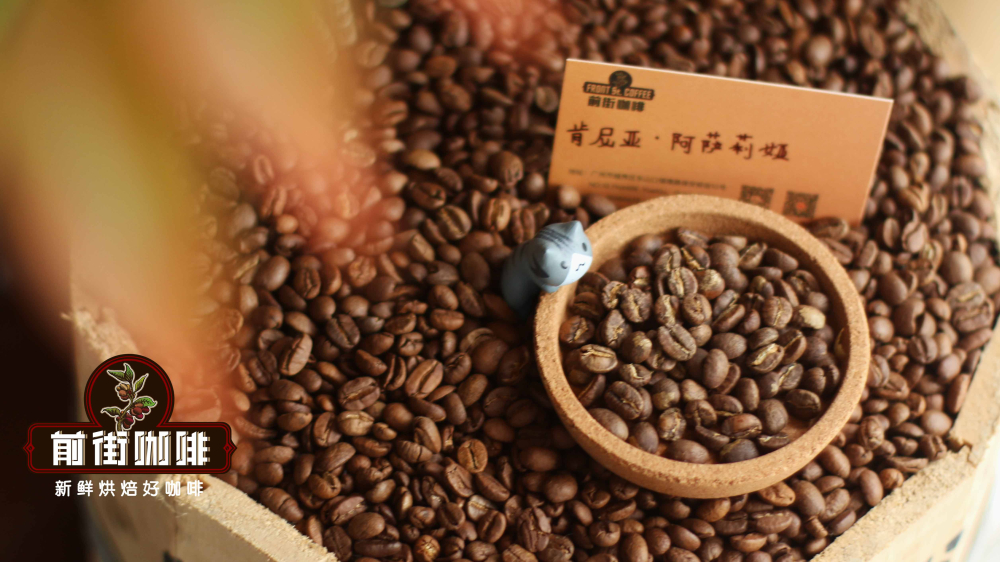 ). Dark roast (
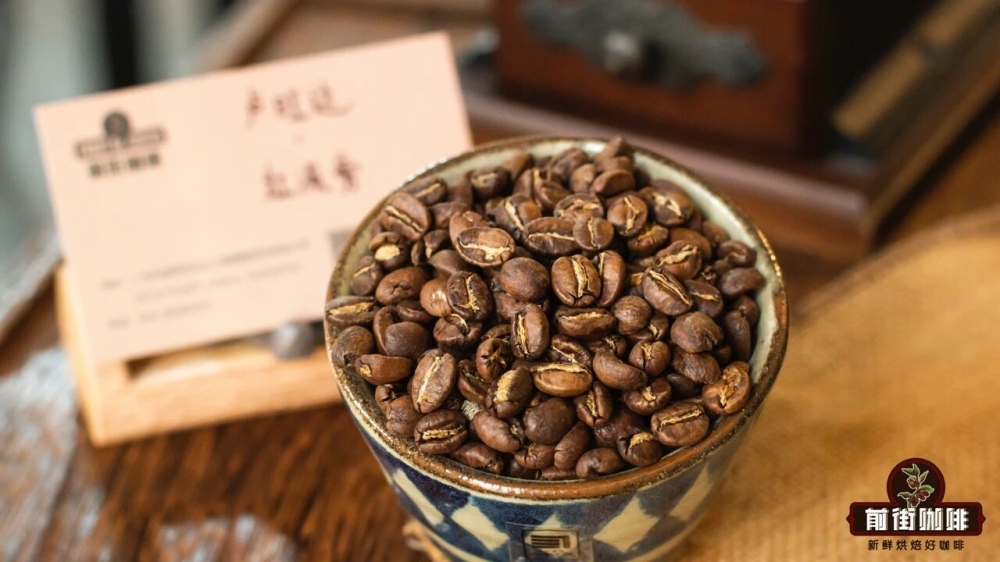 ) generally enhances traits like dark chocolate, nuts, and caramel, with a balanced bitter-sweet profile and a full body, suitable for strong extraction methods like espresso and French press. Light roast (
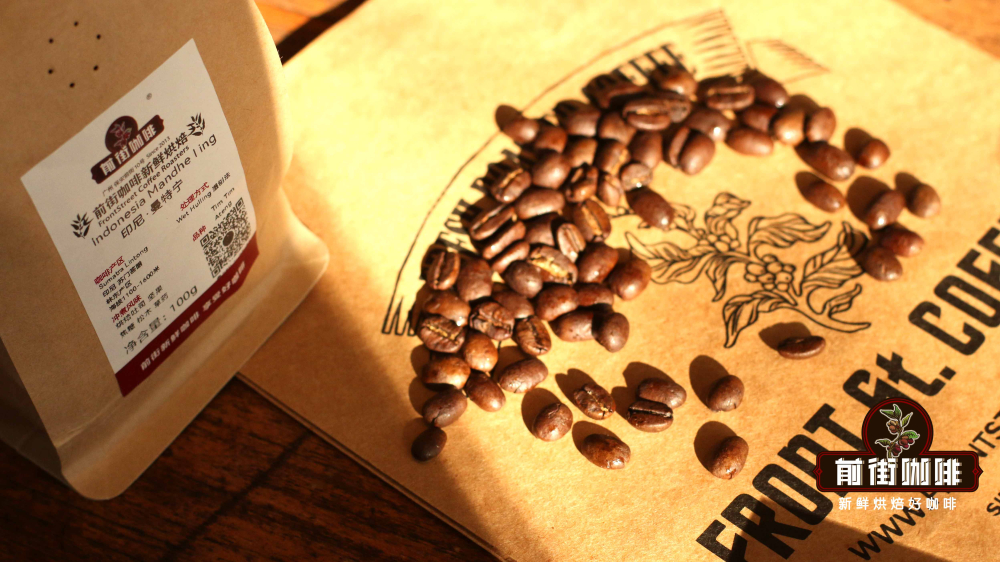 ) preserves more floral, fruity, and citrus notes, with pronounced acidity, and is recommended for pour over or cold brew to highlight its refreshing qualities.
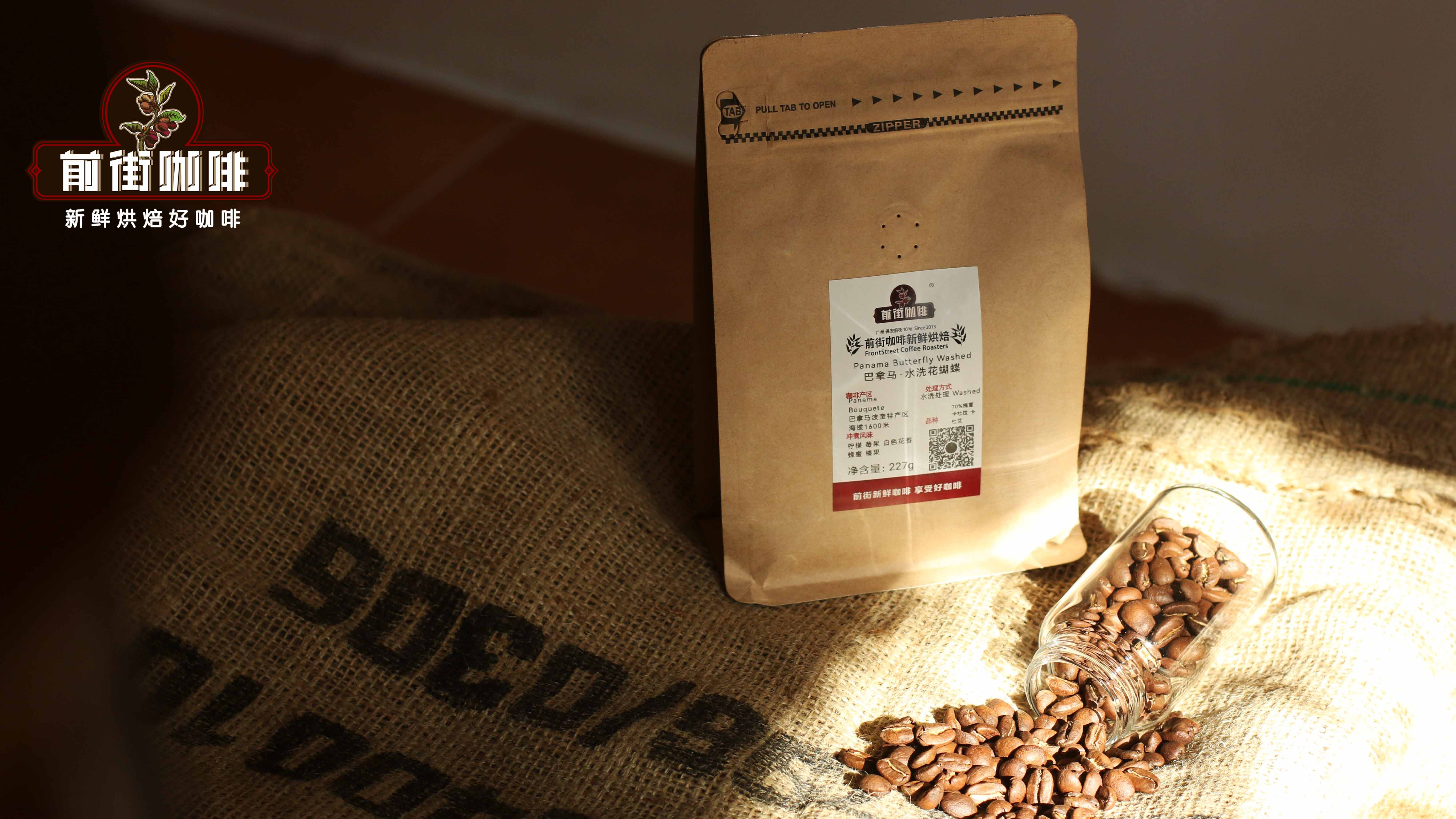
Medium roast (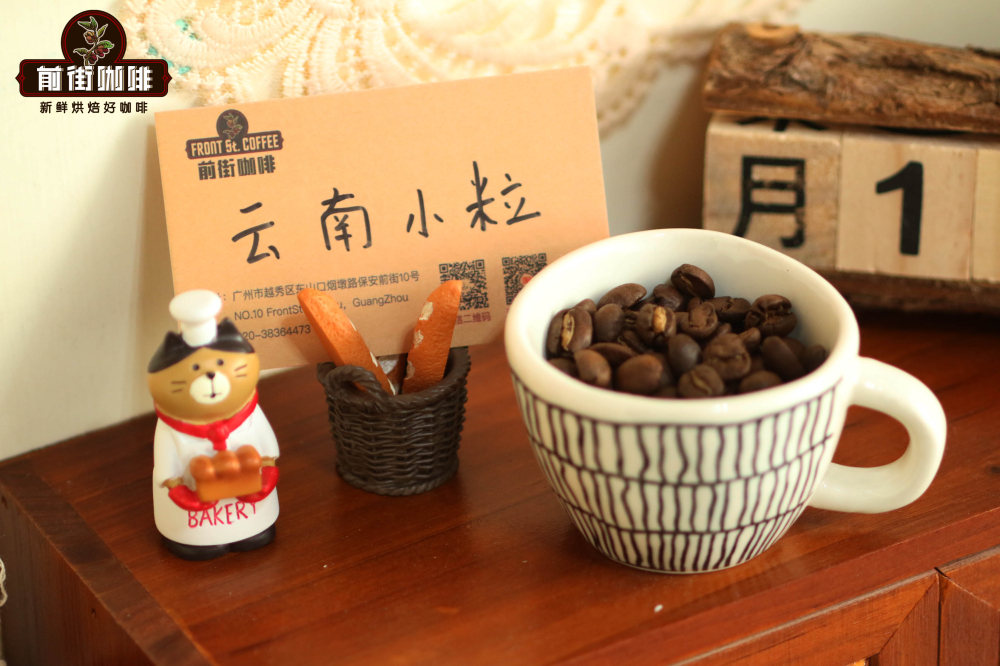 ) plays a role in harmonizing flavors, showcasing both fruitiness and a nutty base, and is compatible with various brewing devices. No matter which roast level you choose,freshnessis always key—the peak flavor period is within 45 days post-roast. When purchasing, make sure to check the roast date, and prioritize products roasted within 5 days for the best tasting experience (
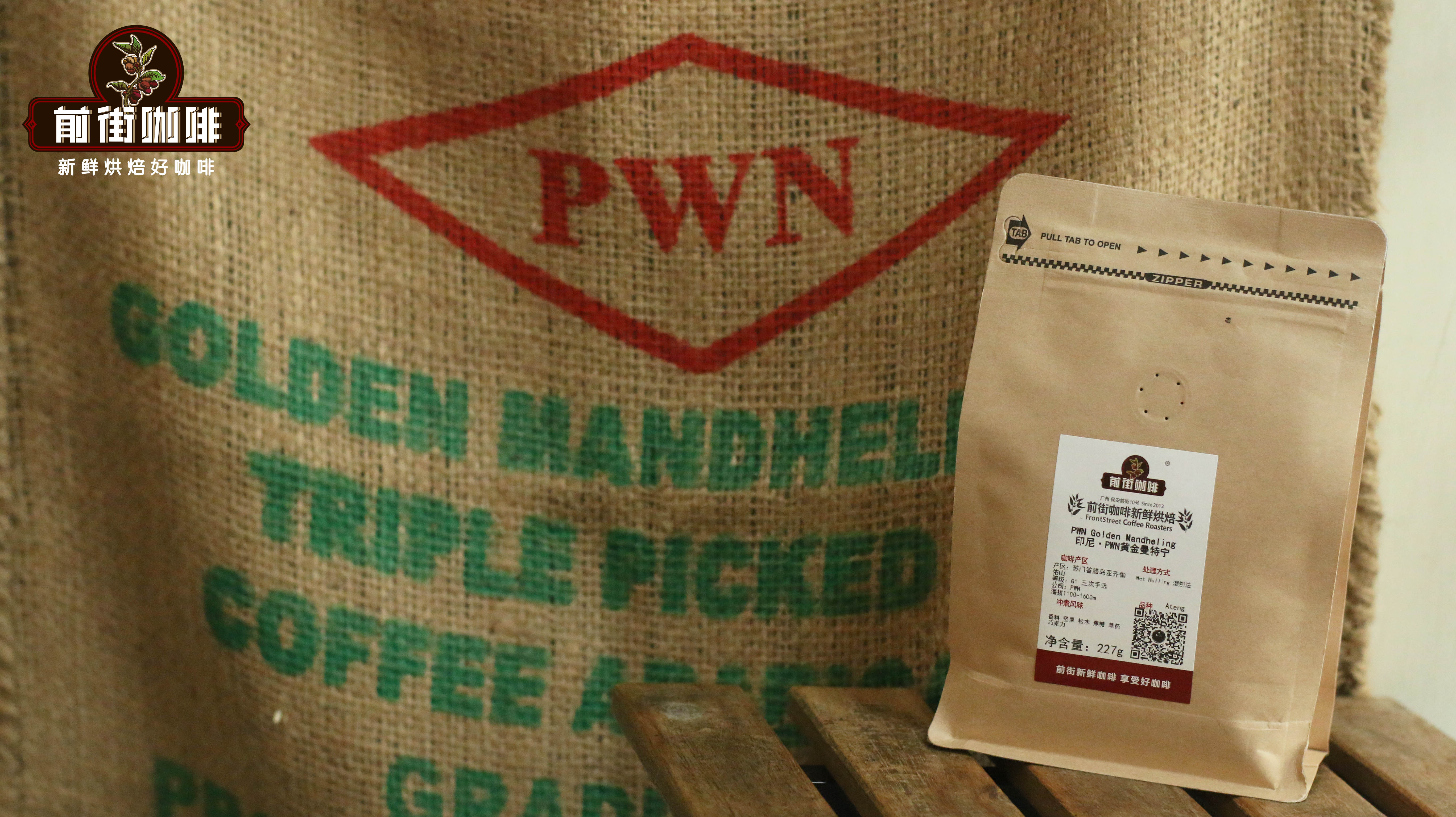 ).
Bonus practical tip: For storage, choose valve-sealed aluminum foil bags and keep them sealed away from light. Only open the bag before grinding to delay flavor loss. Different brewing methods require adjustments in grind size and water temperature—for example, pour over is recommended with medium-fine grind and 90–93°C water, while espresso requires a finer grind and high-pressure extraction.
The above content is compiled by CoffeeHunters, a coffee news website.

