







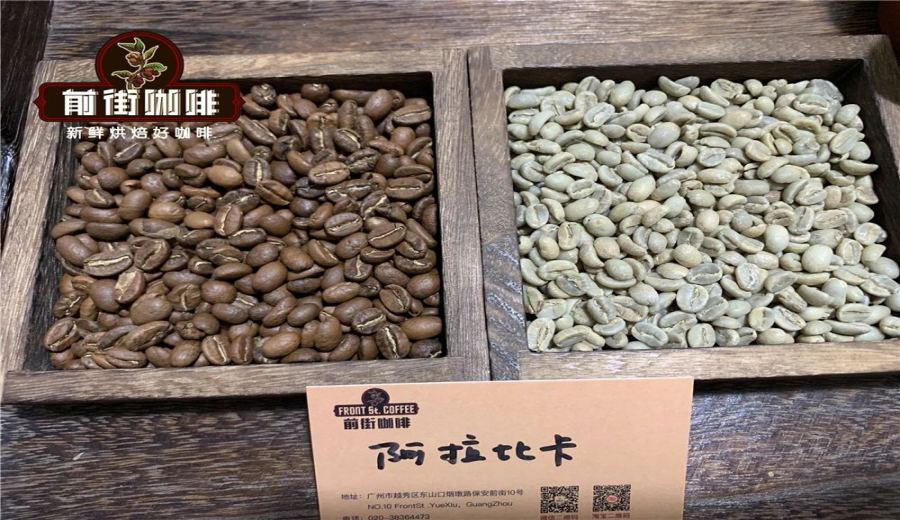
Introduction:Want to understand the characteristics of Arabica coffee beans and the scenarios they’re best suited for? This article delves into the differences between Arabica and Robusta, explains the definitions of specialty coffee and single origin coffee, and recommends classic beans from various growing regions that are well-suited for different brewing methods such as pour over and cold brew. It helps coffee beginners grasp key selection criteria and flavor profiles.
In the coffee market, labels like “100% pure Arabica coffee beans” are common, but what exactly is Arabica? How does it differ from other coffee species? This article will fully explain its characteristics, ideal usage scenarios, and offer practical bean selection advice.
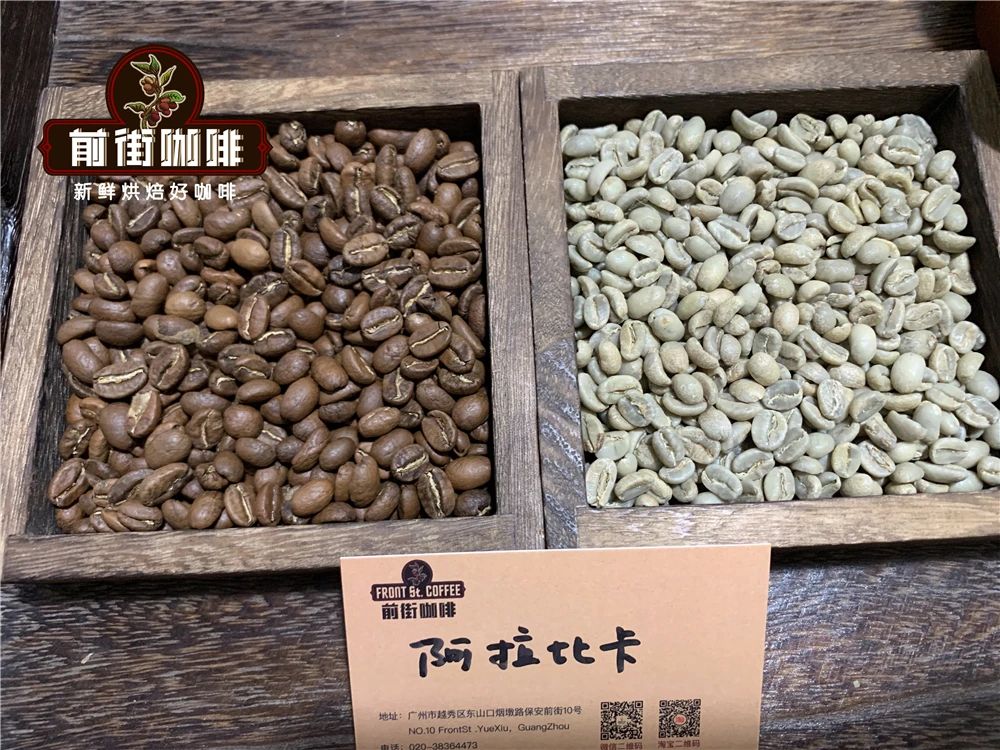
The world’s major commercial coffee varieties are primarily Arabica (ARABICA) and Robusta (ROBUSTA), with Arabica accounting for about 70–75% of global production. This variety originates from Ethiopia and is extremely particular about its growing environment, requiring cultivation at high altitudes between 800 and 2200 meters, while also avoiding frost damage. The large day-night temperature variation in high-altitude regions helps slow fruit ripening, allowing the coffee to accumulate richer flavor compounds and resulting in more layered aromas. In addition, variations in microclimates across different regions further contribute to the diverse flavor profiles of Arabica.
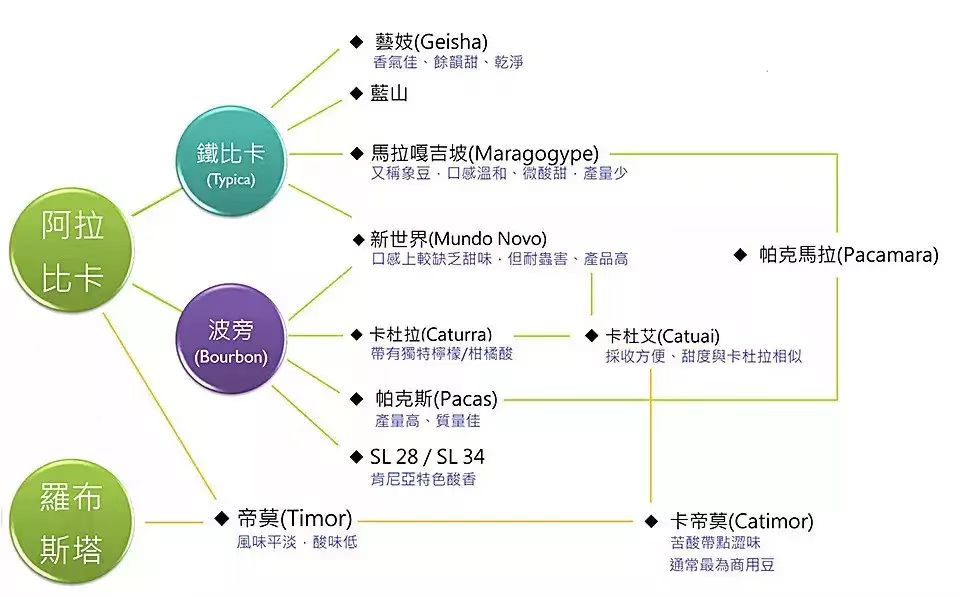
From a chemical composition perspective, Arabica contains only 0.9% to 1.2% caffeine, lower than Robusta; its fat content is about 60% higher, and sugar content is roughly double. These traits give it a taste that tends to be sweet and mild, with distinct fruity acidity. Thanks to these advantages, Arabica is widely used in various brewing methods such as espresso, pour over, and cold brew, making it the mainstream coffee bean on the market.
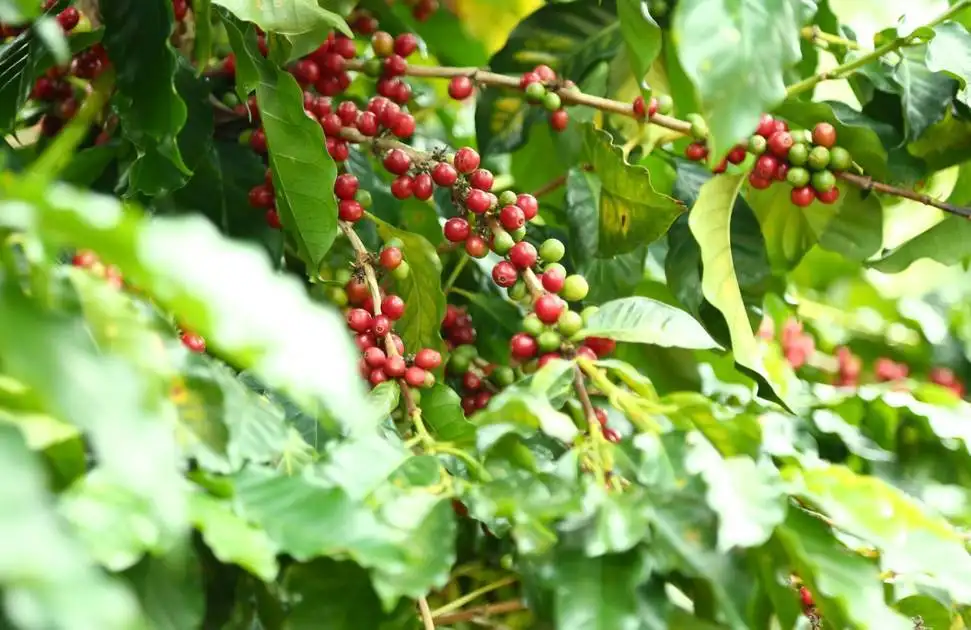
The definition of specialty coffee was first proposed by Ms. Erna Knutsen in 1974, referring to coffee beans cultivated under unique climatic and geographical conditions that possess distinctive flavors. This definition clearly distinguishes them from ordinary commercial beans. As the industry has evolved, specialty coffee has been further categorized based on traceability and strict grading, with an emphasis on light roasting to highlight flavor complexity. Many retailers label their products as “specialty” to underscore product quality.
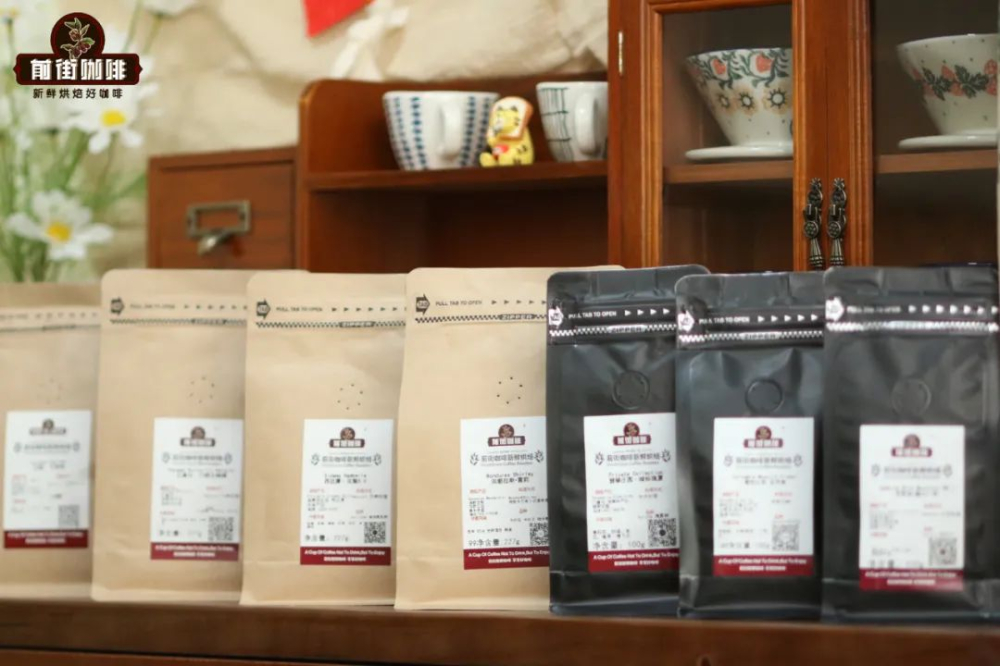
Single Origin Coffee refers to coffee beans sourced from a single producing region (such as a country, region, cooperative, or estate), and is a subset of specialty coffee. Its focus is on showcasing the unique flavors of that specific region. It is commonly brewed using pour over methods, and in recent years has also been increasingly used in espresso preparation. It’s important to note that Single Origin Coffee is not the same as Specialty Coffee — the former emphasizes regional traceability, while the latter focuses on high quality and positive flavor expression.

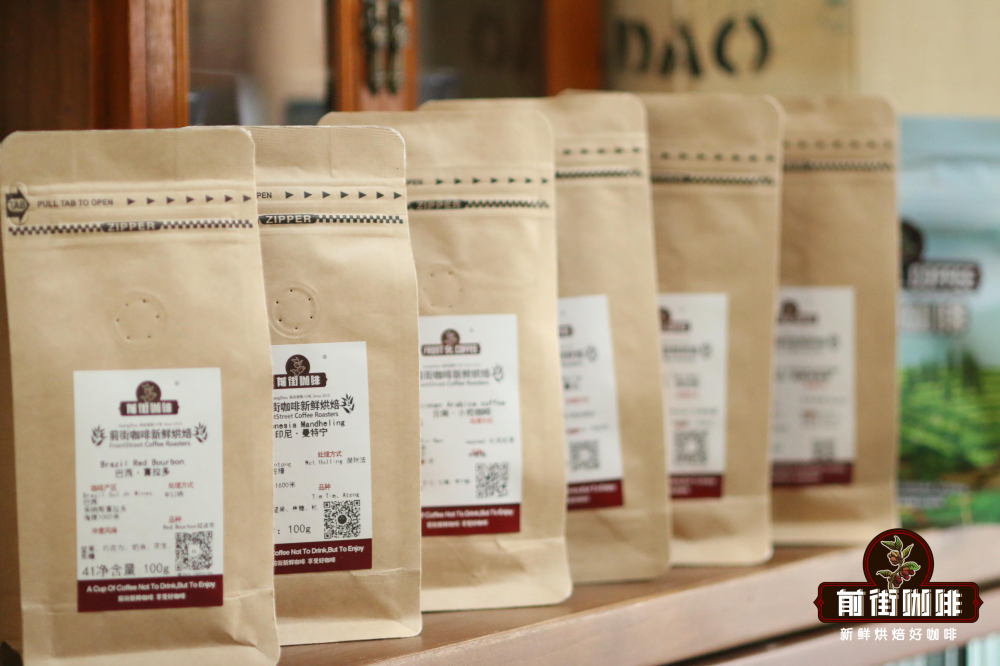
For beginners, it’s recommended to start exploring with classic regional everyday-drinking beans. These beans include Ethiopian washed Yirgacheffe, Guatemalan washed Huehuetenango, Colombian washed Huila, Brazilian natural Cerrado, Costa Rican washed Tarrazú, Indonesian wet-hulled Mandheling, and Chinese Yunnan washed Baoshan. Each offers the typical flavor characteristics of its region and is suitable for brewing methods such as pour over, cold brew, or French press. It’s suggested to enjoy them as black coffee to fully experience their original aromas.
Special attention should be paid to the freshness of coffee beans. After roasting, beans tend to lose their aroma noticeably if stored beyond two months, and even the most precise brewing techniques can’t make up for it. Ideally, choose freshly roasted beans within 5 days of roasting, so you can start brewing as soon as they arrive for the best flavor experience.
The above content is compiled by CoffeeHunters, a coffee news website.

