








Introduction:Want to learn about the origins and characteristics of Americano? This article delves into the relationship between Americano and espresso, covering historical background, brewing ratios, extraction parameters, and pairing suggestions with milk and sugar — giving you a comprehensive understanding of this classic black coffee. Whether you prefer bold flavors or milder tastes, you’ll find a brewing method that suits you.
What is Americano? Is it the same as black coffee? Why does coffee made at home often taste different from café-brewed coffee? And what exactly is espresso? This article will answer these common questions one by one, helping you better appreciate the charm of Americano.
Espresso, with its intense and layered flavor profile, is considered a key representative of the second wave of coffee.
Legend has it that coffee beans were introduced to Italy along with fruit and quickly won the locals’ favor. By the early 20th century, with the innovation of coffee extraction equipment, not only did the form of espresso gradually take shape, but it also became an indispensable part of daily life in Italy. Later, as espresso machine technology advanced, the art of making espresso spread from Italy across Europe and eventually captivated the world. In fact, the “es” in espresso originates from the English word “ex,” meaning fast. People used to drink it quickly to preserve the best flavor, which gave rise to the culture of standing while drinking coffee, and the price was relatively affordable.
Interestingly, Americano did not originate in the United States. Its creation is actually linked to American soldiers stationed in Europe during World War II. At the time, they found the strong bitterness and intense flavor of Italian espresso hard to adjust to, so they added hot water to dilute it. This adjusted beverage is what later became widely known as Americano.
Within the large family of espresso-based drinks, Americano is just one variation. Drinks like latte, cappuccino, flat white, and even Dirty are all derivatives of espresso. These beverages, with their diverse appearances and flavors resulting from different brewing methods and ratios, have become staples on many people’s tables.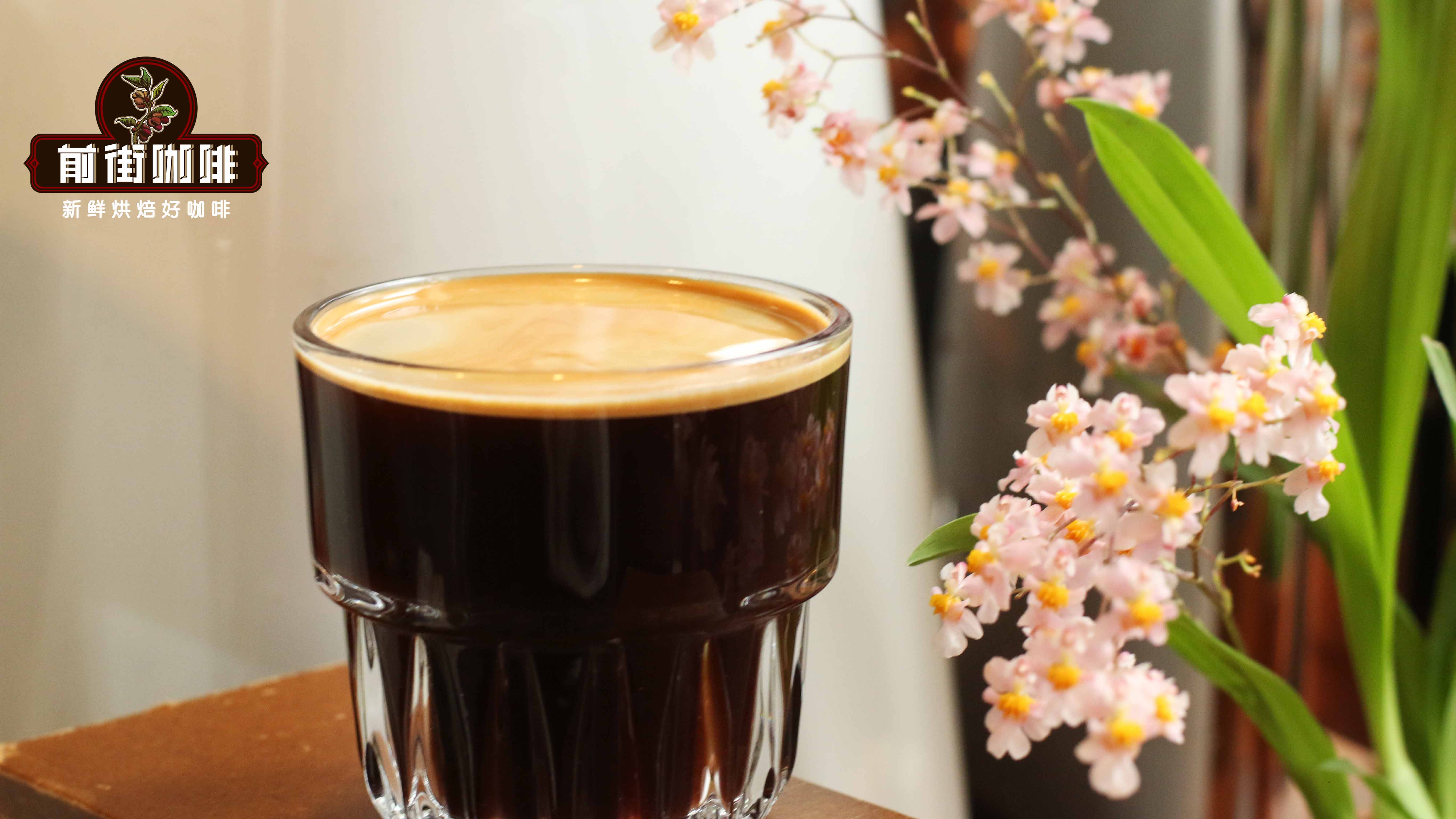
A standard Americano mainly consists of hot water and espresso. Espresso itself has a strong and intense flavor, while water serves to dilute it. Therefore, the flavor profile of Americano largely depends on the quality of the coffee beans used and whether the extraction method is appropriate.
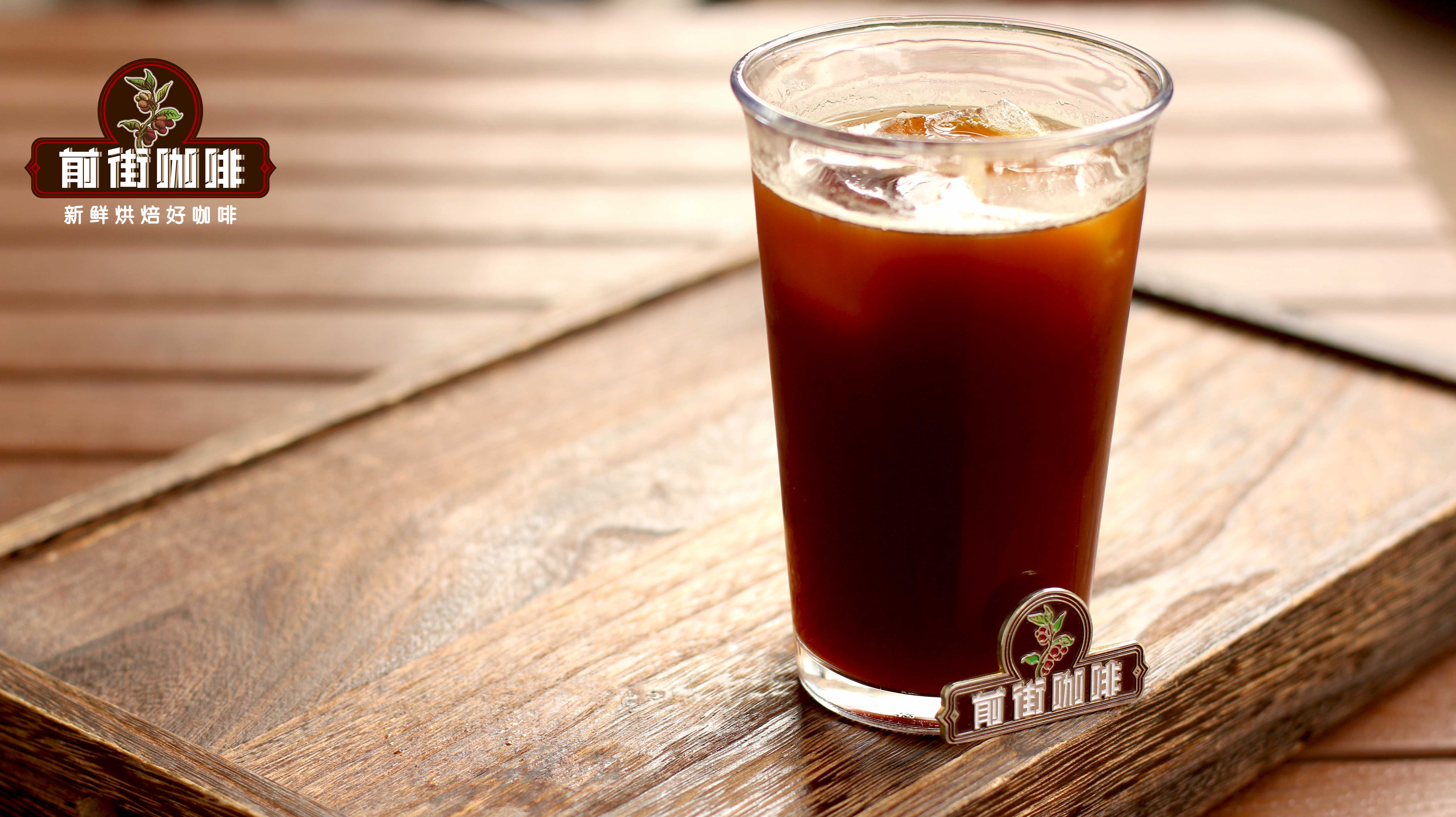 For example, if you use a well-roasted blend, under ideal extraction conditions, it can present complex flavors such as vanilla, cream, chocolate, berries, and caramel, even with a hint of fermentation aroma. Showcasing these flavors relies on stable control of extraction parameters.
In practice, if using a double shot of espresso (about 40 grams of coffee liquid), it is recommended to use 20 grams of coffee powder and complete the extraction in 30 seconds. Then, add about 180 grams of 80°C hot water to achieve a 1:4.5 ratio. At this ratio, hot Americano typically delivers a rich wine-like aroma with a balanced aftertaste.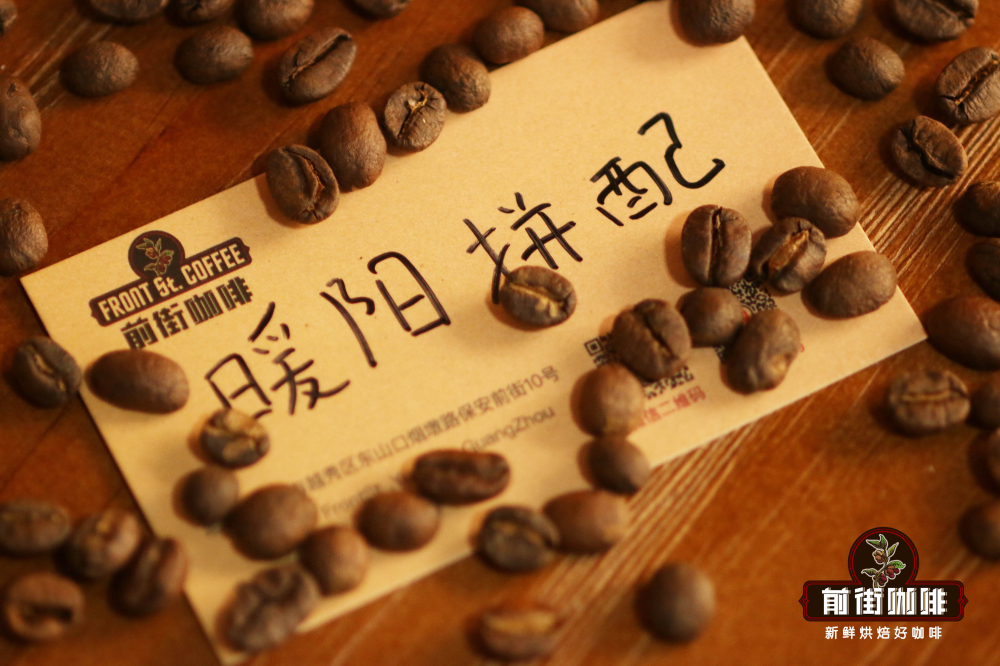
If making iced Americano, it is recommended to use 100 grams of large ice cubes along with 120 grams of cold water, keeping the ratio of coffee, ice, and water around 1:2.5:3. This formula allows the iced Americano to maintain a moderate strength, with a refreshing sweet and sour taste, especially suitable for hot summer days.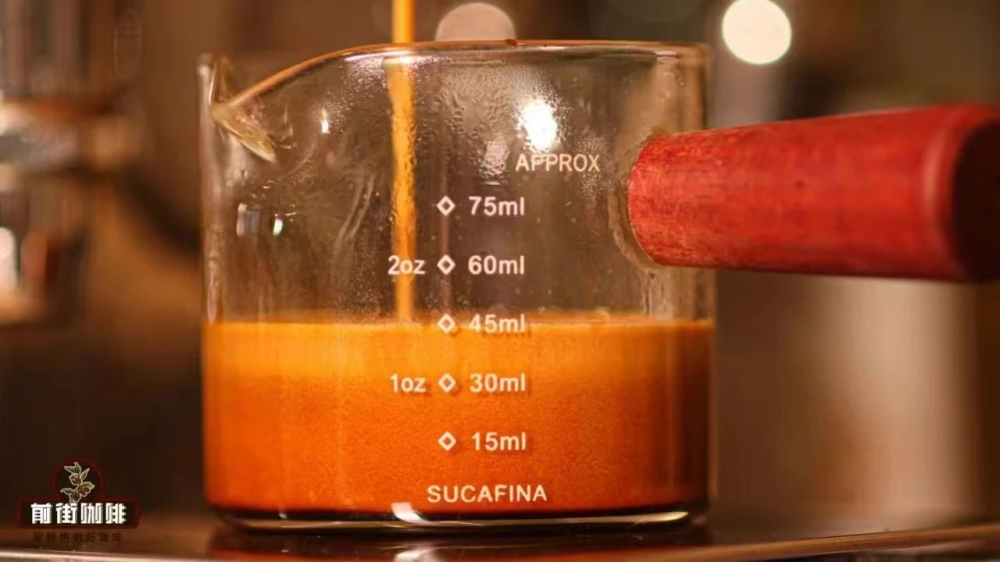
For those who are not accustomed to the bitterness of coffee, adding milk can be a good option. Milk not only reduces the bitter aftertaste, but its creamy texture also enhances the overall smoothness of the drink, further highlighting the caramel and chocolate notes in the coffee.
In actual preparation, it is suggested to first adjust the coffee-to-hot-water ratio to 1:4 — that is, pour 160 milliliters of hot water into the cup first, then add 40 milliliters of espresso. Then, for every 100 milliliters of black coffee, you can add about 15 milliliters of fresh milk. For example, a 30-milliliter fresh milk addition can balance concentration, mouthfeel, and aroma expression.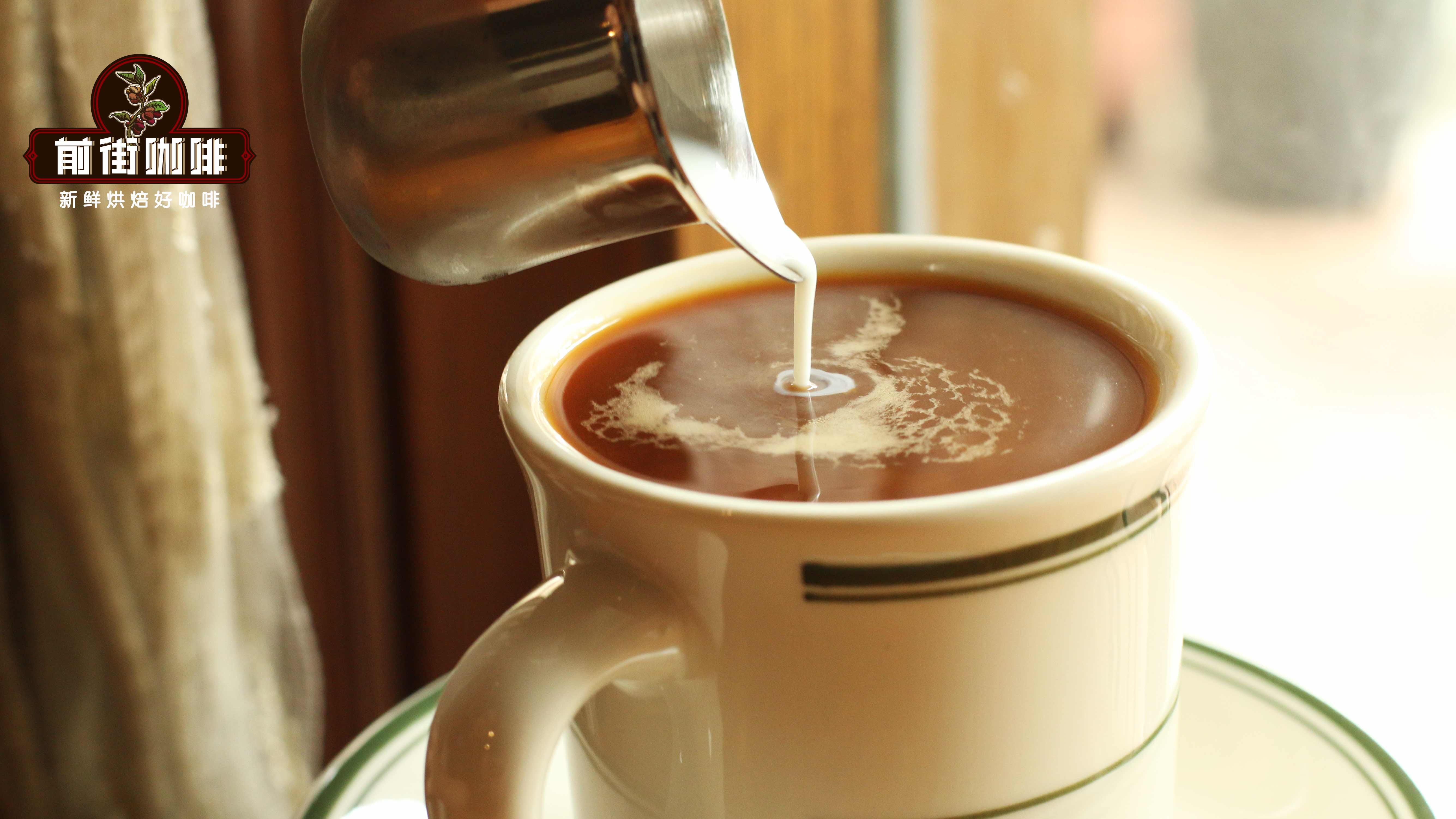
Additionally, if you prefer a milder and less bitter Americano, you can choose medium-roasted coffee beans. For instance, blending honey-processed Costa Rican Tarrazú and Ethiopian beans, along with some Colombian beans, can produce an espresso base that is rich in crema, has a smooth texture, and offers a sweet and sour flavor reminiscent of strawberry taffy — perfect for use in Americano blends.
The above content is compiled by CoffeeHunters, a coffee news website.


