







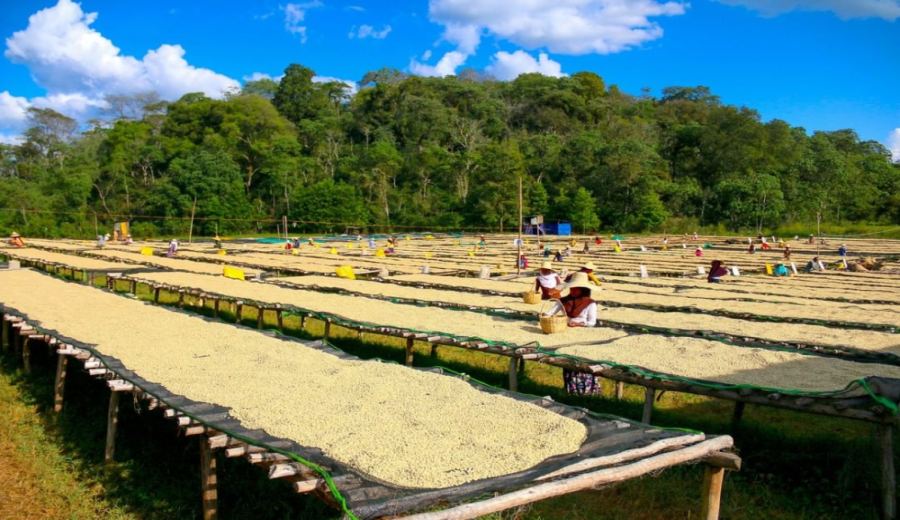
Introduction:Want to understand the actual flavor profile and best pour-over parameters of Ethiopian Yirgacheffe G1 washed beans? This article provides an in-depth analysis of the Guodingding G1 bean's regional background, processing characteristics, roast level options, along with detailed three-stage pour-over data and flavor progression. Whether you’re a beginner or a specialty coffee enthusiast seeking high cost-performance beans, you’ll gain insights on stable extraction techniques and optimal brewing recommendations.
The world of coffee is wonderfully diverse—some enjoy the bold intensity of hot brews, while others prefer the crisp refreshment of cold brews, with each temperature phase offering unique flavors. However, choosing the right coffee beans and suitable brewing method is key to truly appreciating coffee’s multi-layered charm. Today, we’re introducing a highly acclaimed G1 washed coffee bean from Ethiopia’s Yirgacheffe region—Guodingding—especially well-suited for pour-over enthusiasts to try.
Region and Processing Lay the Flavor FoundationThis bean comes from the Gedeo Zone of Yirgacheffe, grown at altitudes between 1,900 to 2,300 meters, placing it in a high-altitude cultivation environment. The variety is a native heirloom type, processed using the washed method, and graded as G1—the official high-quality classification by Ethiopian authorities. The combination of high altitude and washed processing helps this bean retain a clear acidity and delicate aromatic layers.
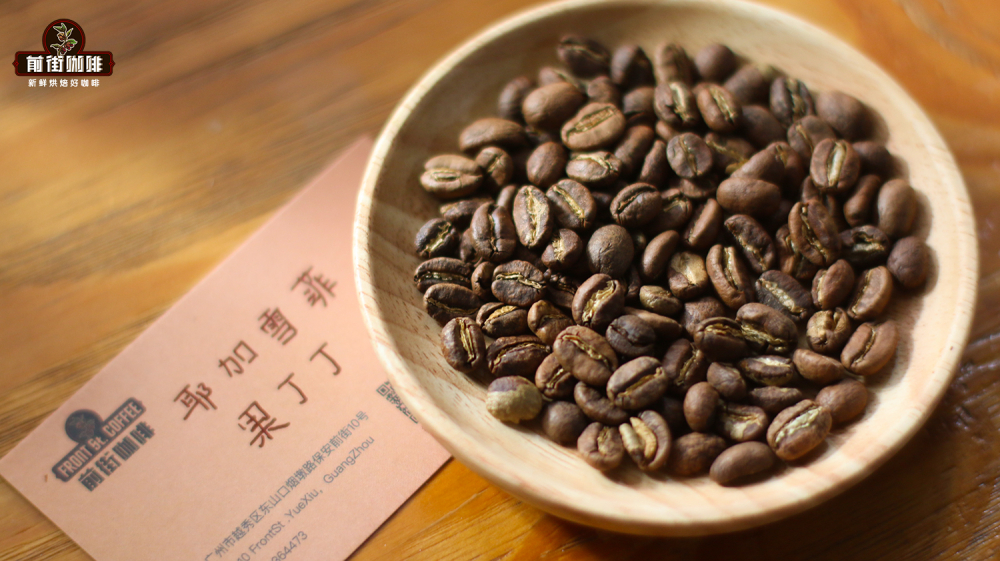
Yirgacheffe is an extremely renowned coffee town within Ethiopia. Although the overall administrative region sits at an altitude of around 1,700 to 2,100 meters, the core producing areas actually average over 1,800 meters. With significant day-night temperature variations, fertile soil, and native Arabica varieties, it creates a distinctive fruity flavor profile. Under the ECX system, the region is further subdivided into smaller sub-regions such as Yirgacheffe, Wolkite, Kochere, and Genlena Abay—each producing beans with their own unique traits.
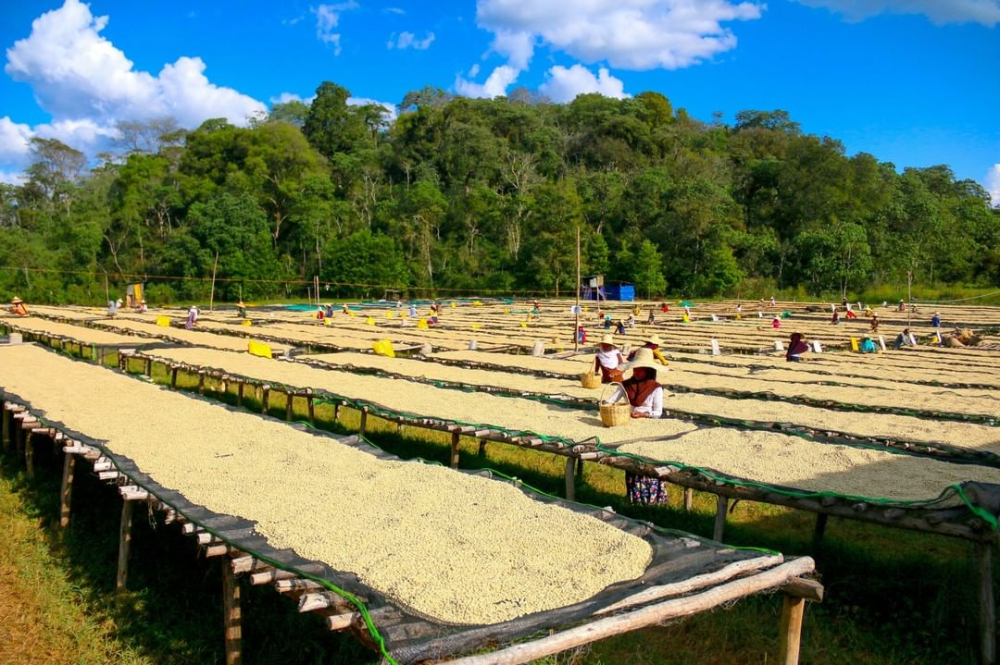
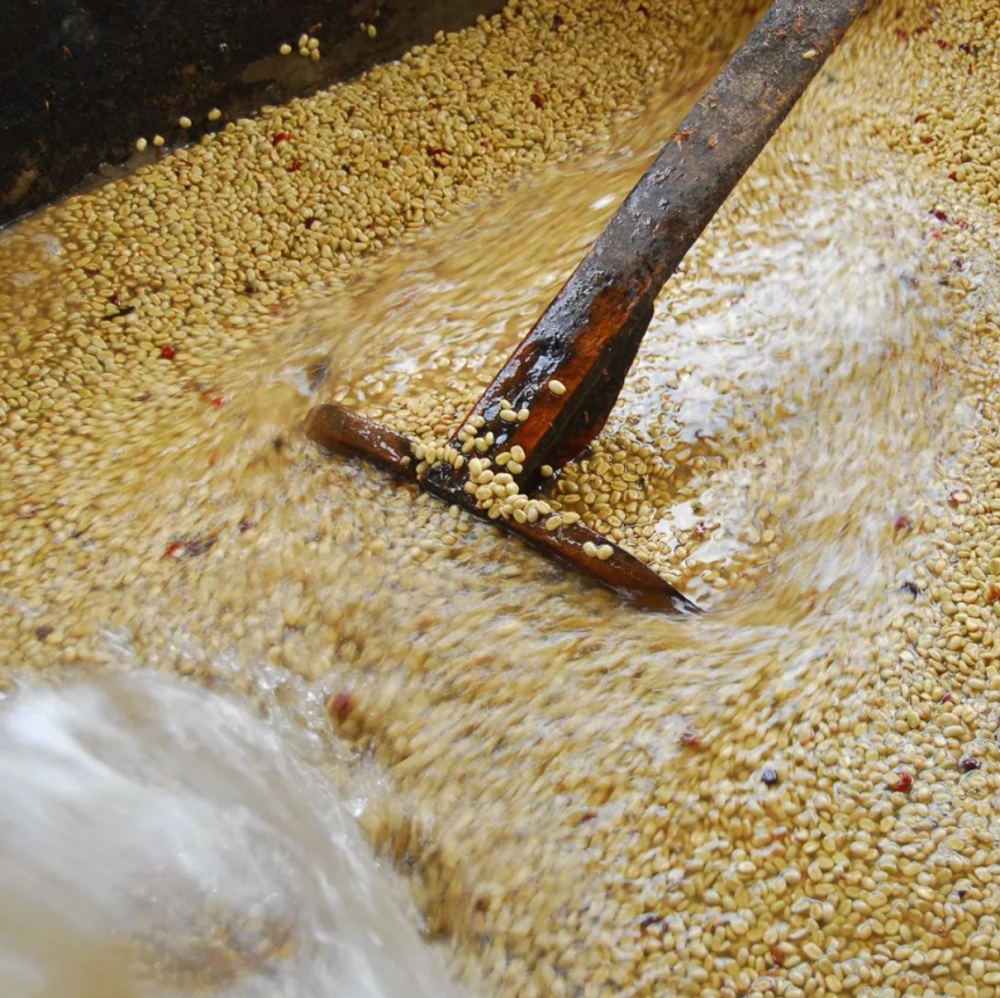
The washing process for these Guodingding beans is quite meticulous: harvested coffee cherries are first floated to remove unripe ones, then depulped to remove the skin and flesh, followed by an 18 to 36-hour fermentation process that allows the mucilage layer to fully break down. The fermented parchment beans are then thoroughly rinsed in long water channels, where water flow separates defective beans by density. Finally, the beans are evenly spread on African raised beds to dry. This method preserves a bright, clear citrus and floral character without any off-flavors.
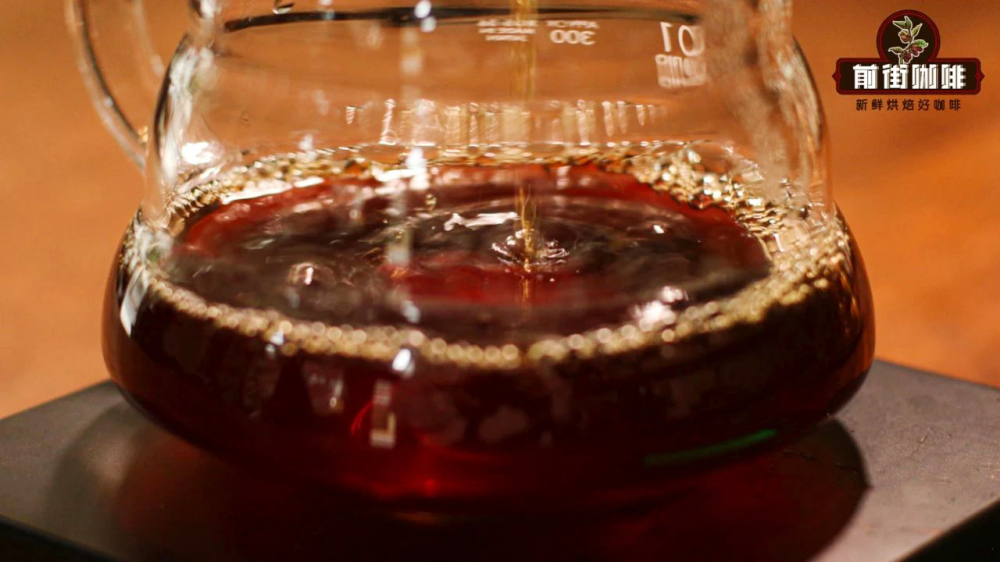
Before brewing, just take a sniff of the dry aroma, and you’ll be greeted by a refreshing citrus scent accompanied by white floral notes. During actual pour-over brewing, as temperature changes, so does the flavor profile: at higher temperatures (around 90°C and above), you can taste bright berry, citrus, honey, and a juicy creaminess with lively acidity; as the temperature slightly drops, the flavors shift to softer berries and creamy aromas, with a smoother mouthfeel and layered aftertaste.
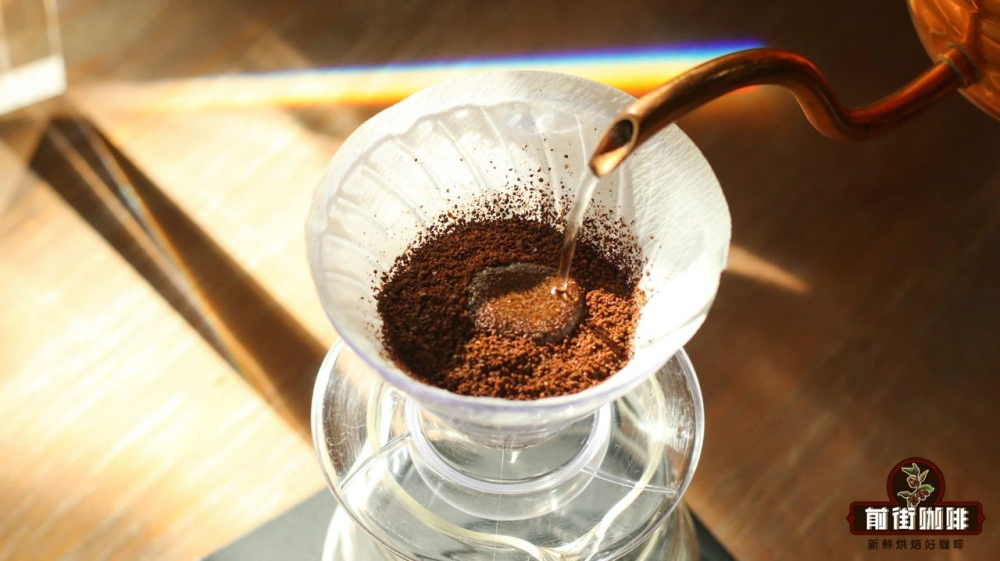
It is recommended to use a V60 #01 filter cone for a three-stage extraction, with the following specific parameters:Dose: 15 grams, coffee-to-water ratio: 1:15, grind size: EK43 grinder setting 10 (or equivalent to about 80% passing through a #20 sieve, i.e., medium-fine grind). Water temperature is advised to be controlled between 90 to 91°C—as going too high may over-extract and bring out astringency, while too low might make the acidity overly sharp.
Specific pour-over steps: First, pour 30 grams of water for a 30-second bloom to awaken the coffee grounds; then pour 95 grams of water (scale reading about 125 grams) within approximately 1 minute. When the water level drops to about two-thirds of the coffee bed, pour the remaining 100 grams of water (scale reading about 225 grams). Total extraction time should be controlled between 2 minutes 00 seconds and 2 minutes 10 seconds, then allow the coffee to fully drip through before removing the filter cone.
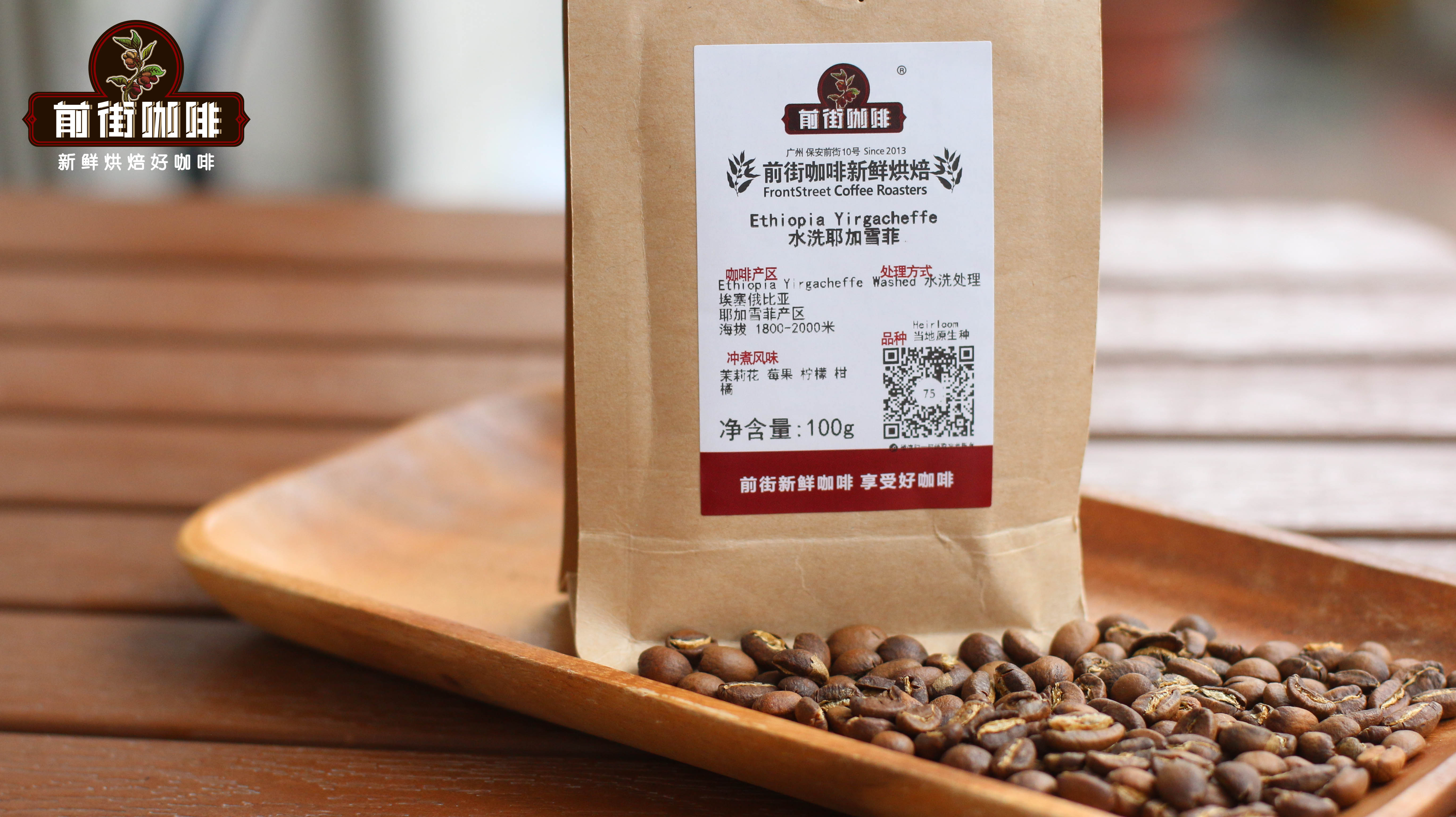
This Guodingding G1 coffee bean is roasted to a medium-light level, aiming to preserve floral and fruity aromas while also showcasing a honey-like sweetness and tea-like finish. Using an overly dark roast would easily mask its delicate citrus and lemon notes, as well as diminish the freshness brought by the washed process.
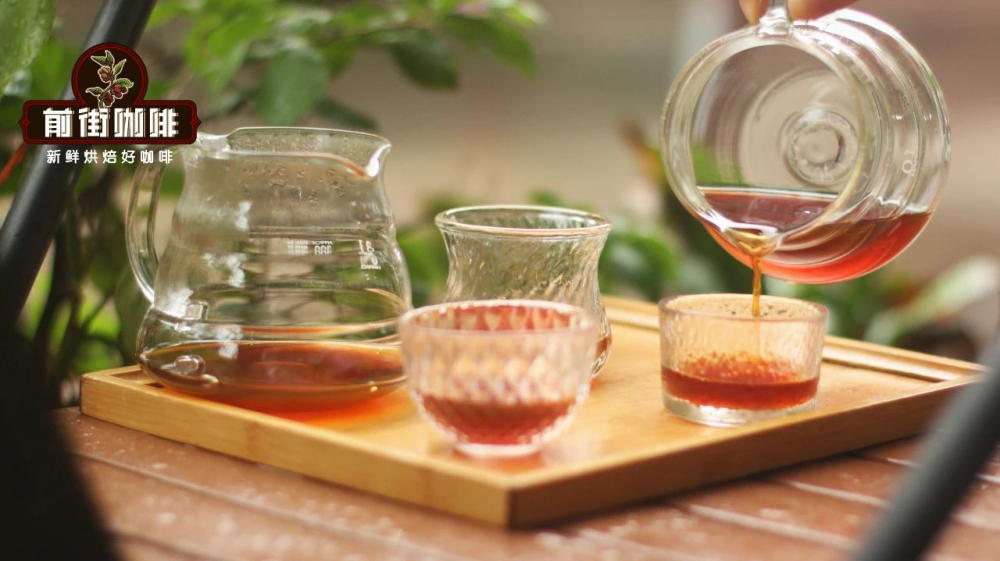
Upon tasting, you’ll first notice distinct citrus and black tea aromas. As the temperature lowers, lingering notes of cream, caramel, and almond gradually emerge. The overall mouthfeel is clean and refreshing, with a pronounced aftertaste. It’s very suitable for pour-over lovers who enjoy bright acidity and fruity profiles. Whether for everyday drinking or experimenting with different brewing styles, this bean offers a consistently stable and layered experience.
The above content is compiled by CoffeeHunters, a coffee news website.


