








Introduction:Do you think as long as the coffee tastes good, it doesn’t matter what cup you use? In fact, the shape of your coffee cup can quietly alter your perception of flavor. From wide-open, straight-sided to tapered cups, each shape affects how aroma disperses or concentrates, how the coffee flows upon entering your mouth, and ultimately how you experience its acidity, sweetness, and bitterness. Through practical testing, this article will guide you in understanding which cup shapes pair best with different types of pour over coffee, elevating your tasting experience.
You often hear that “good tea deserves a good teapot, and good coffee deserves the right cup.” While it may sound a bit particular, there’s actually scientific reasoning behind it. In the world of coffee tasting, the shape of the cup isn’t just about aesthetics — it directly impacts how the flavors present themselves. Many specialty coffee shops even prepare specific cup shapes for beans from different origins or roast levels, all to showcase the true essence of the coffee more vividly.
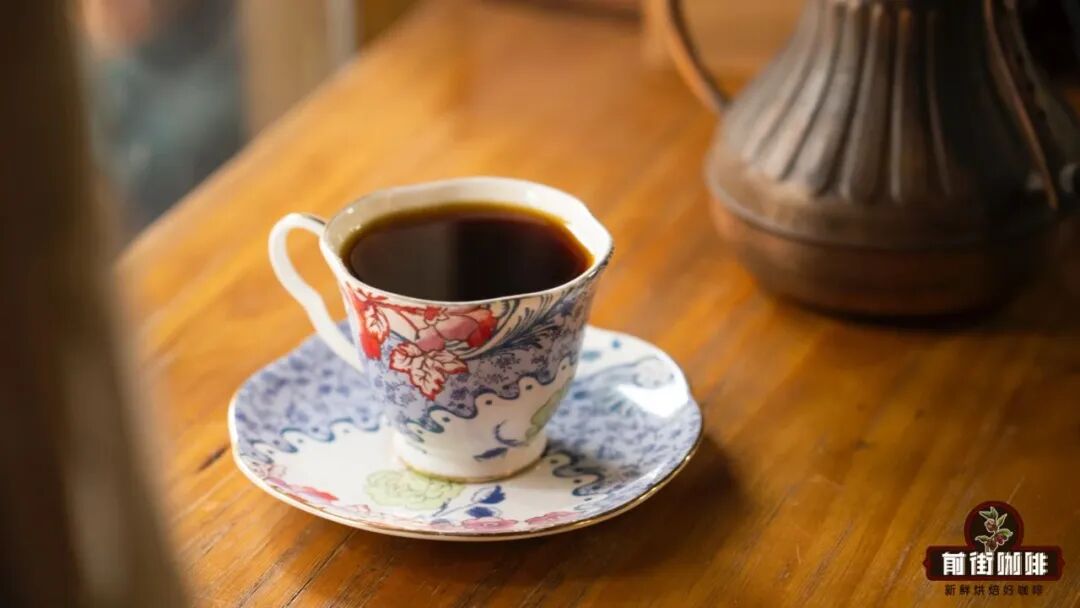 Just as wine tasting selects glasses with different rim designs based on the wine’s body, the same applies to coffee. Different rim designs influence how quickly and intensely aromas are released, affecting both your first olfactory impression and the taste you experience when drinking. So, does pouring the same pour over coffee into cups of varying shapes actually lead to noticeable differences? We conducted real tests, exploring from aroma to temperature variations, to uncover the fascinating details.
Before we begin, two basic concepts need clarification:
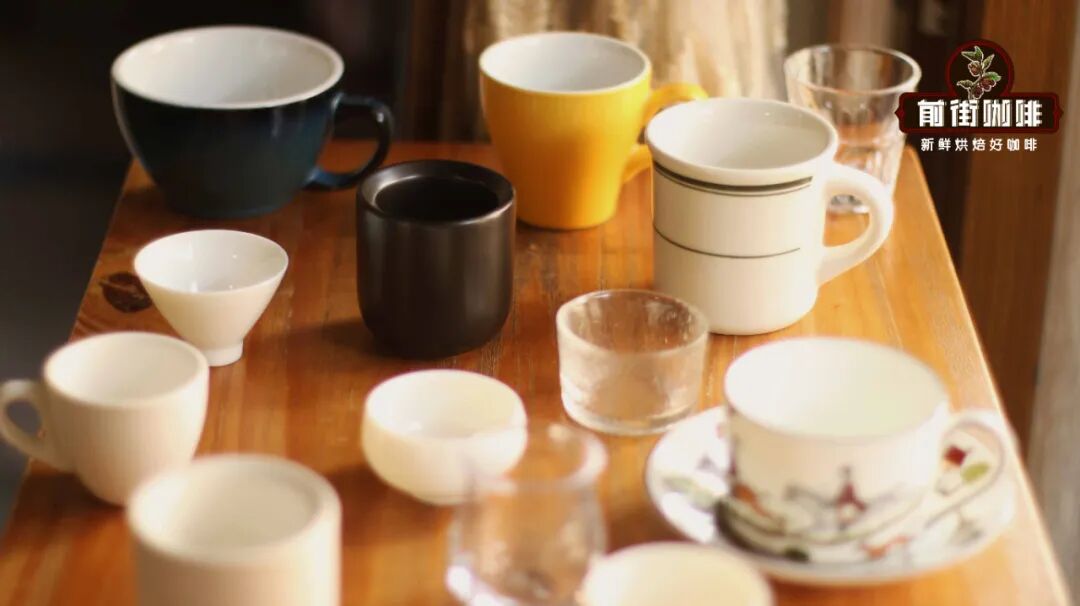
First, there’s no absolute standard for what constitutes a “coffee cup.” As long as it can steadily hold liquid — whether it’s a regular household mug or a specially designed tasting cup — it can be used for coffee. Therefore, no one type of cup is inherently “higher-end”; the key is whether it is “suitable” for the specific coffee flavor you’re enjoying.
Second, the quality of the coffee extraction itself is the most crucial factor. No matter how beautiful or uniquely designed the cup is, if the coffee is extracted improperly — either over-extracted or under-extracted — then even the most expensive cup won’t salvage a poor flavor. Thus, to enhance your tasting experience by changing the cup shape, the foundation must be stable coffee quality.
So let’s take a look at what kind of sensory experiences arise when the same extracted pour over coffee is poured into three common cup types: wide-open, straight-sided, and tapered.
For this experiment, we selected three representative coffee beans: a dark-roasted “Blue Mountain No. 1,” emphasizing richness and balance; a medium-roasted “Geisha,” highlighting floral-fruity notes and a layered acidity-sweetness profile; and a light-roasted “Gesha Village Red Label,” showcasing bright floral notes and delicate aftertaste. These three beans span the full roast spectrum from dark to light, representing what most coffee enthusiasts encounter in their daily lives.
We used three mainstream cup shapes for comparison: wide-open, straight-sided, and tapered. During the aroma, high-temperature, and low-temperature tasting stages, we recorded how each cup shape affected aroma intensity, flavor concentration, and aftertaste persistence.
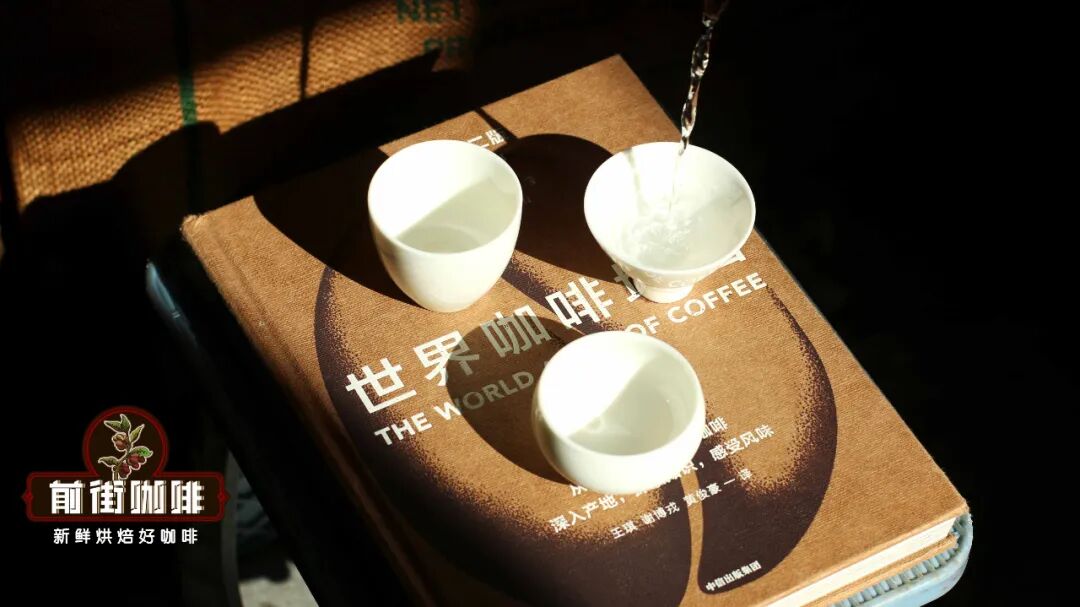
In the aroma stage, differences emerged immediately: the wide-open cup, due to its large opening and outward-flaring rim, allowed aroma to dissipate quickly, becoming faint the fastest; the straight-sided cup maintained a moderate aroma intensity with relatively small variation; the tapered cup, with its inward-curving rim, effectively concentrated the aroma, allowing each bean’s unique fragrance to be released more fully.
Next, for coffee beans of different roast levels, we also observed clear flavor differences. For example, the Blue Mountain No. 1 exhibited a rich body and full-bodied mouthfeel in the straight-sided cup, while the tapered cup enhanced the subtlety of its sweet aftertaste. The wide-open cup was comparatively bland, with acidity slightly pronounced but lacking overall layering.
The medium-roasted Geisha showed the most prominent sweetness in the tapered cup, almost like drinking freshly squeezed ripe grape juice. The straight-sided cup delivered the best balance, while the wide-open cup accentuated citrus and stone fruit acidity, accompanied by a slight tea-like note, making it ideal for those who prefer a refreshing taste.
The light-roasted Gesha Village Red Label presented bright fruity notes and a solid mouthfeel in the straight-sided cup, though the aftertaste had a slight tea-like astringency. The tapered cup highlighted a distinct caramel sweetness but with less expressive aroma. The wide-open cup showcased vibrant fruit acidity and fermented aromas, with clear layering, especially the citrus and black tea tones after cooling down, which were quite distinctive.
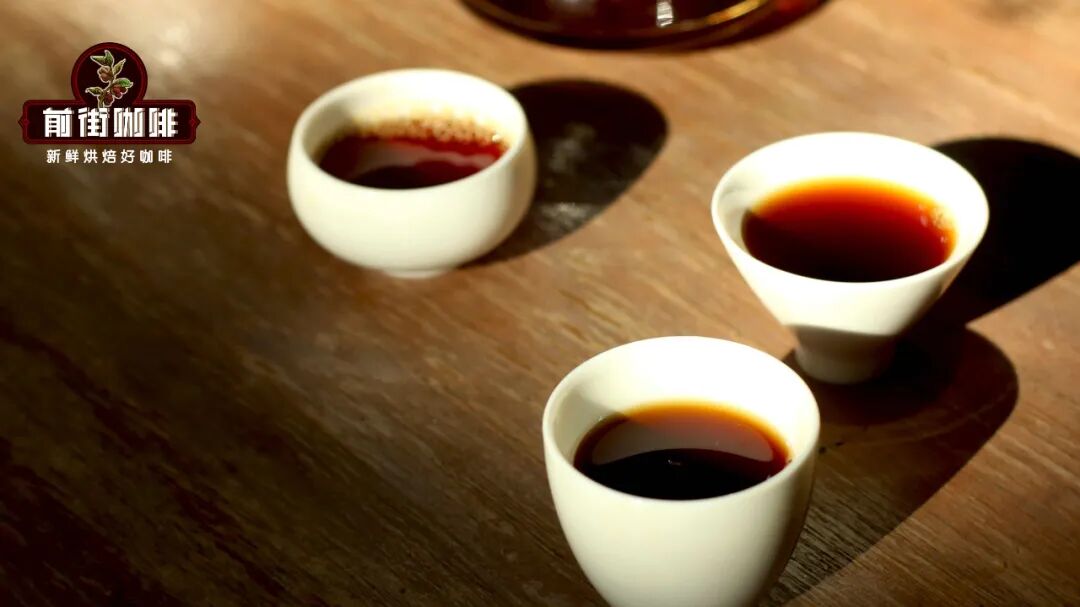
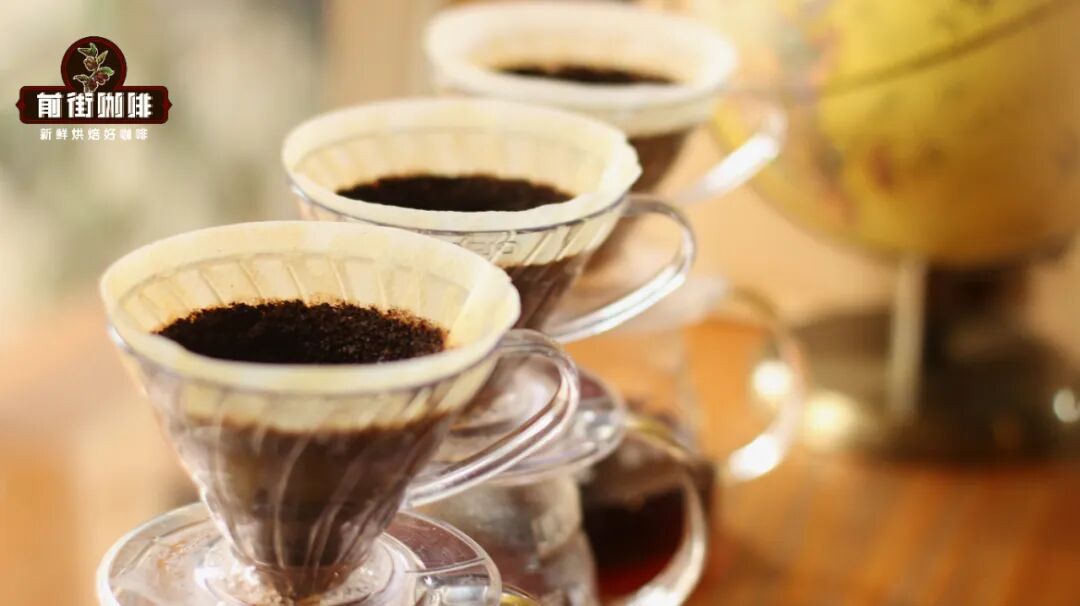
So why does cup shape affect how we perceive coffee flavor? The key lies in the distribution of our taste buds on the tongue and how the liquid enters the mouth.
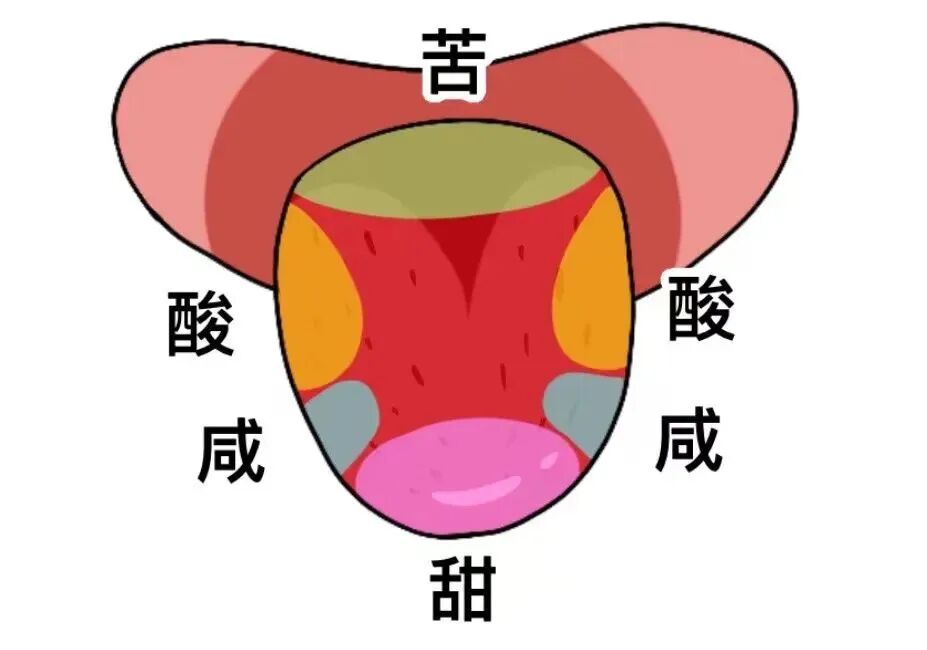
Generally, the tip of the tongue is sensitive to sweetness, the back to bitterness, and the sides to acidity. When using different cup shapes, the path and distribution of coffee as it enters the mouth change, thereby influencing the intensity and sequence of stimulation received by the taste buds.
For example, the wide-open cup, with its outward-flaring rim, allows liquid to flow easily toward the front and sides of the tongue, making it more responsive to acidity and subtle flavors. It suits African beans with prominent floral-fruit profiles, such as Huakui or Little Tomato series.
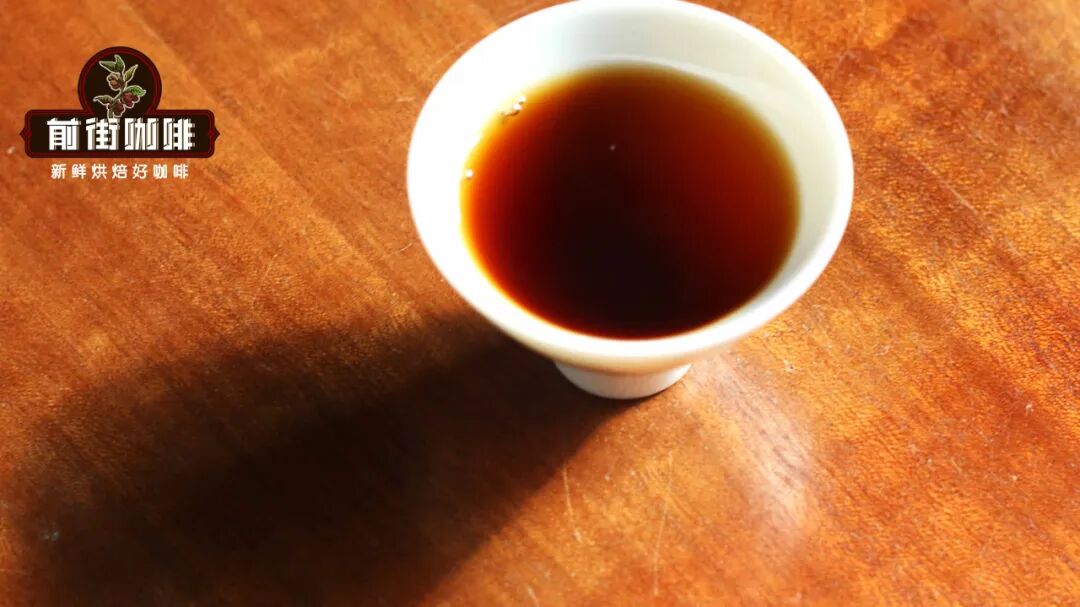
The straight-sided cup, with its vertical body and consistent diameter, directs coffee liquid centrally into the middle of the mouth, providing more balanced stimulation across the tongue surface. Especially at high temperatures, it better showcases the coffee’s body and caramel aroma, making it more suitable for medium-to-dark roasted coffees, like Mandheling or Huilan — beans with bold flavors.
As for the tapered cup, its inward-narrowing rim helps concentrate the aroma while allowing the coffee liquid to first contact the sweet-sensitive front part of the tongue, enhancing the perception of sweetness. It’s ideal for highlighting medium-roast beans with characteristics like caramel, candied fruit, and dried fruit — such as Geisha or Strawberry Candy series.
In summary, choosing the right cup shape can truly make the coffee in your hand taste even more delightful. Whether you’re new to pour over or have been enjoying coffee for a while, next time you taste, pay attention to the shape of the cup. You might discover that flavor differences aren’t just about the beans themselves.

The above content is compiled by CoffeeHunters, a coffee news website.


