







Introduction:Delve into the origins of the unique herbal character in Sumatran Mandheling coffee, analyzing the interplay of varietal genetics, high-altitude cultivation, and the wet-hulling process. Explore the evolution from traditional processing flaws to modern refining techniques, and how Golden Mandheling achieves cleaner, brighter chocolate and spice notes through strict selection standards. This article also provides practical tips for identifying authentic PWN-certified beans.
When mentioning Mandheling coffee, many immediately think of its rich body accompanied by deep smoky notes and a distinctive herbal tone. This complex flavor profile—hovering between herbal, earthy, and woody aromas—has contributed to Mandheling’s polarizing reputation: beloved by enthusiasts for its uniqueness, yet off-putting to others. In recent years, observations have noted a noticeable decline in herbal intensity in some producing regions, sparking discussions on the causes behind these flavor shifts.
The herbal aroma of Mandheling stems fundamentally from three key factors: the genetic makeup of the coffee varieties, the native growing environment, and the unique post-harvest processing method. It’s important to clarify that “Mandheling” is not a specific variety name but rather a regional term for Arabica coffee from the island of Sumatra. Due to historical misconceptions, Arabica beans produced in this region have been marketed uniformly under the Mandheling name since the 20th century, and this commercial designation has persisted to this day.
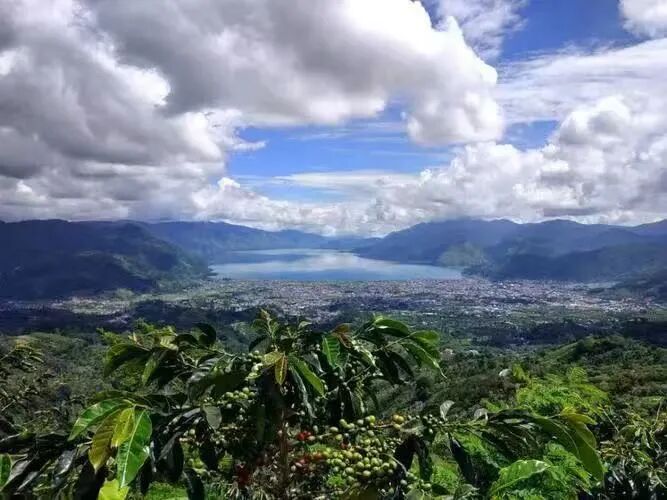
Coffee cultivation in Sumatra dates back to the Dutch colonial period in the 18th century, primarily concentrated around Lake Toba (the Lintong region) and Lake Tawar (the Gayo Mountains) at altitudes of 1100 to 1600 meters. Some supply chains select Lintong beans as their base everyday offering, while flagship-grade Golden Mandheling is exclusively sourced from the Gayo Mountain area.Altitude and volcanic soil characteristicsprovide ideal growing conditions for the coffee beans, forming the foundation for the region’s commonly bold and full-bodied profiles.
Early Dutch settlers introduced traditional varieties such as Typica and Bourbon, but the outbreak of coffee leaf rust led to dramatic changes in the varietal structure. To maintain yields, Indonesia gradually introduced disease-resistant hybrid varieties, creating a unique ecosystem with a diverse genetic pool including Ateng, TimTim, and Catimor. Today’s commonly available Mandheling beans mostly come from Ateng and TimTim—Indonesian-localized hybrid varieties with Robusta lineage, essentially localized variants of Catimor and Timor.
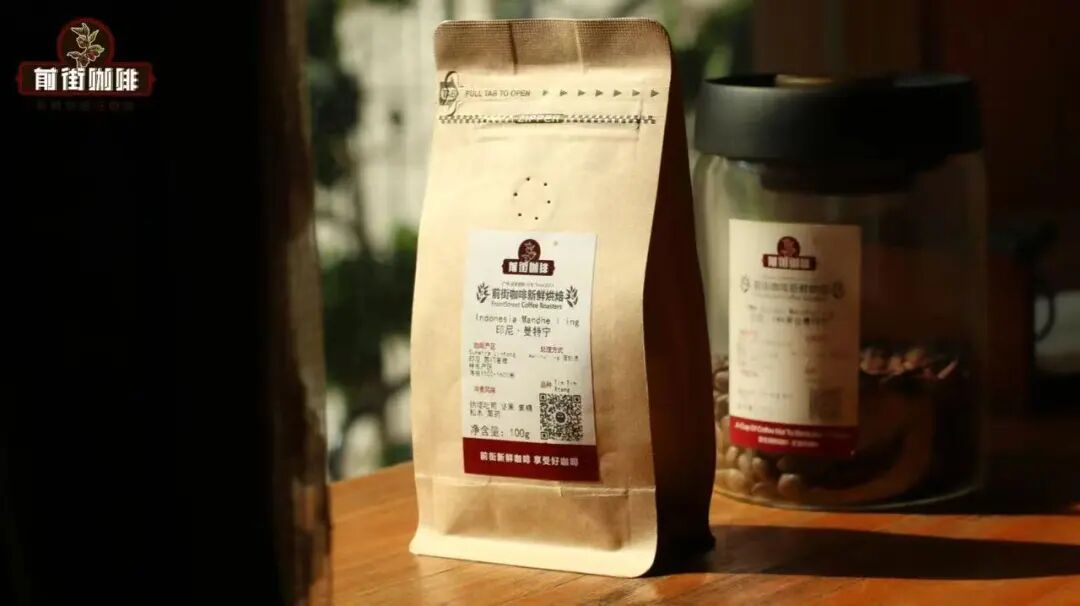
Varietal genetics determine the flavor framework: Ateng (the Indonesian version of Catimor) and TimTim (the Indonesian version of Timor), due to their Robusta genetic inheritance, inherently carry herbal and woody tones, though these are expressed more mildly than in pure Robusta. These foundational traits are amplified by subsequent processing methods, resulting in what consumers perceive as the “distinctive Mandheling flavor.”
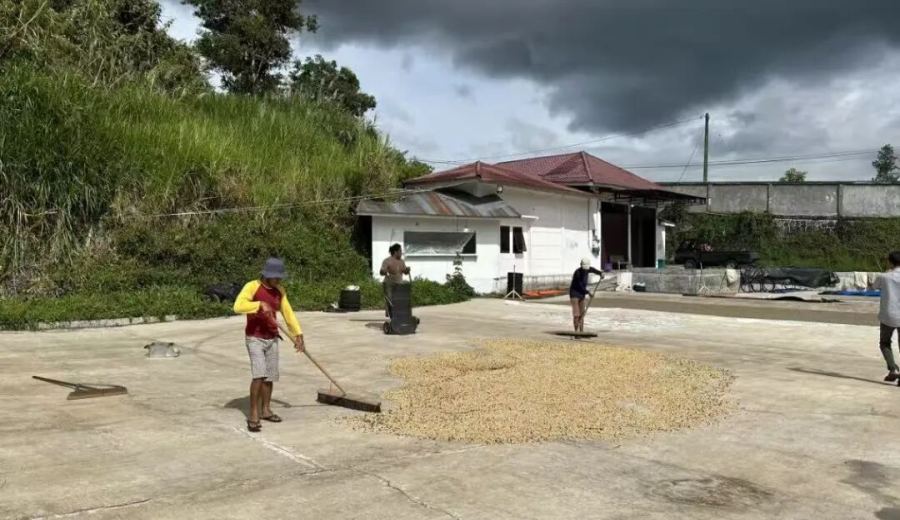
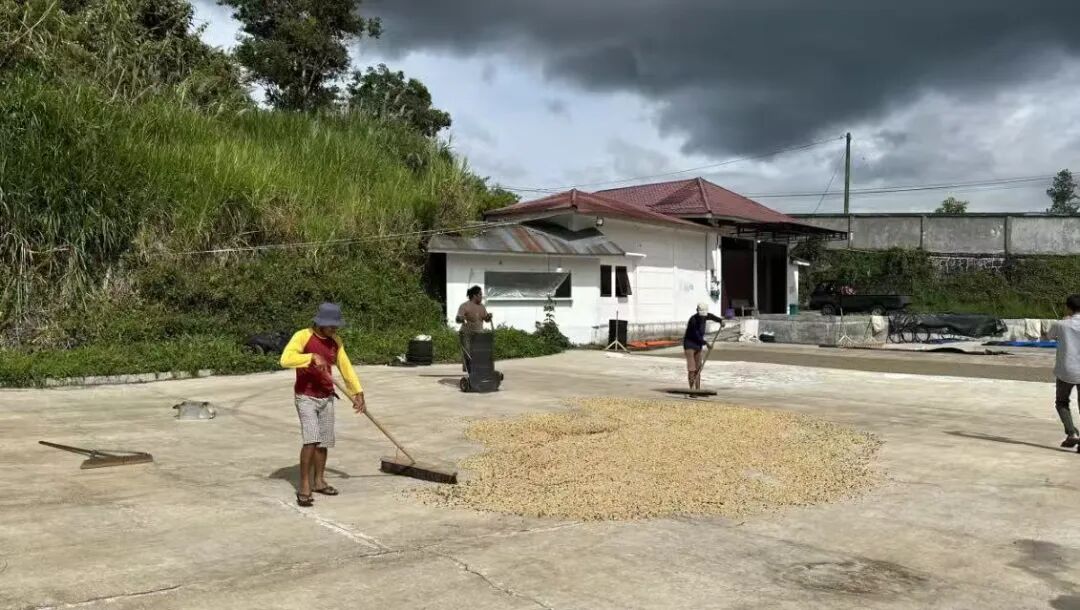
The true defining factor of Mandheling’s recognizability lies in Sumatra’s uniquewet-hulling process. Its standard procedure is as follows: first, the skin and pulp are mechanically removed and washed, then the mucilage-covered beans are left to rest in a cool place for 3–4 days until their moisture content drops to 30%–40%. Next, a specialized hulling machine removes the parchment layer from the semi-hardened beans, and finally, the beans are dried for several more days to reach the target moisture level of 12%–13%. The core advantage of this method is that it significantly shortens the overall processing time—compared to traditional sun-drying, which takes 10–14 days, wet-hulling usually completes in just 7–9 days.
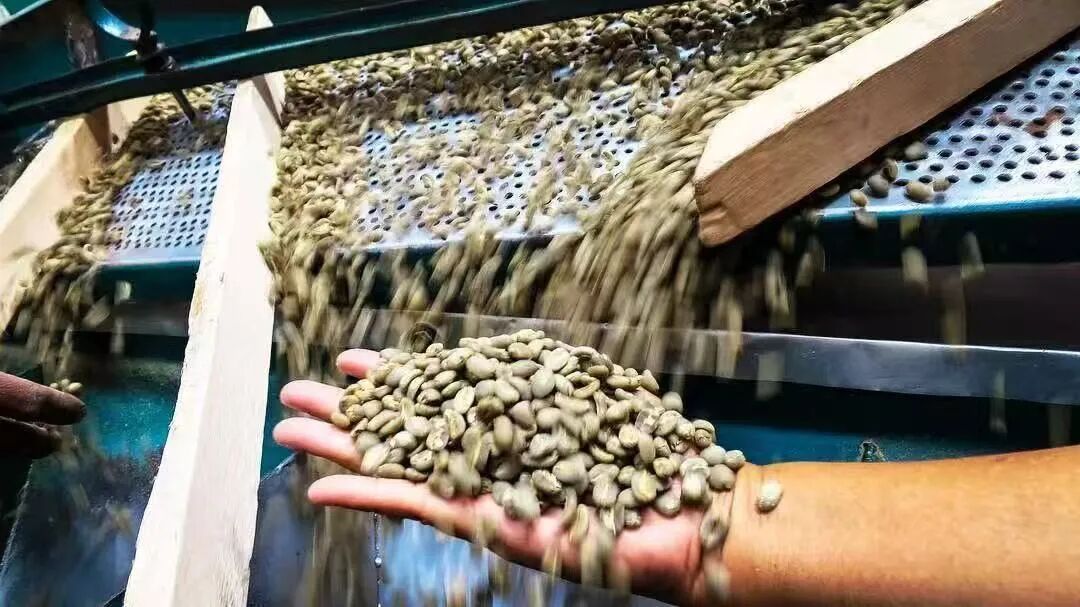
However, the potential risks of this process cannot be overlooked:Beans in a semi-dry, brittle state (with 30%–40% moisture content)are prone to cracking during mechanical hulling, and these micro-fractures become pathways for impurities to infiltrate. More critically, most Indonesian processing facilities habitually spread semi-hulled beans directly onto unprotected concrete or earthen floors for drying, exposing them to high humidity and ground dust.The premature removal of the parchment layer, leading to a lack of protection,combined with non-standard drying environments, collectively amplifies the herbal and impurity-related flavor effects.

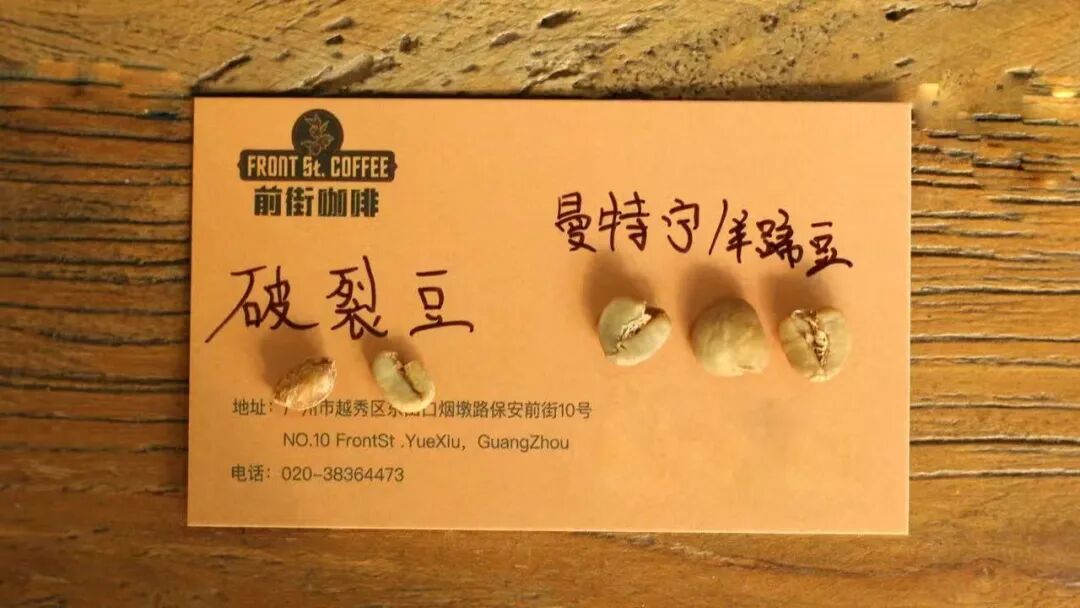
Observing recent market trends, the herbal intensity in high-quality Mandheling has noticeably diminished, largely thanks to standardized improvements in processing. Modern refining facilities have implemented optimizations such as elevated drying racks to avoid ground contact, hourly manual turning for even heat distribution, and the use of rain shelters to regulate microclimates. A more critical advancement lies inenhanced defect sorting—through optical sorters and multiple rounds of manual hand-picking, underdeveloped and contaminated beans are effectively removed, significantly improving overall flavor purity.
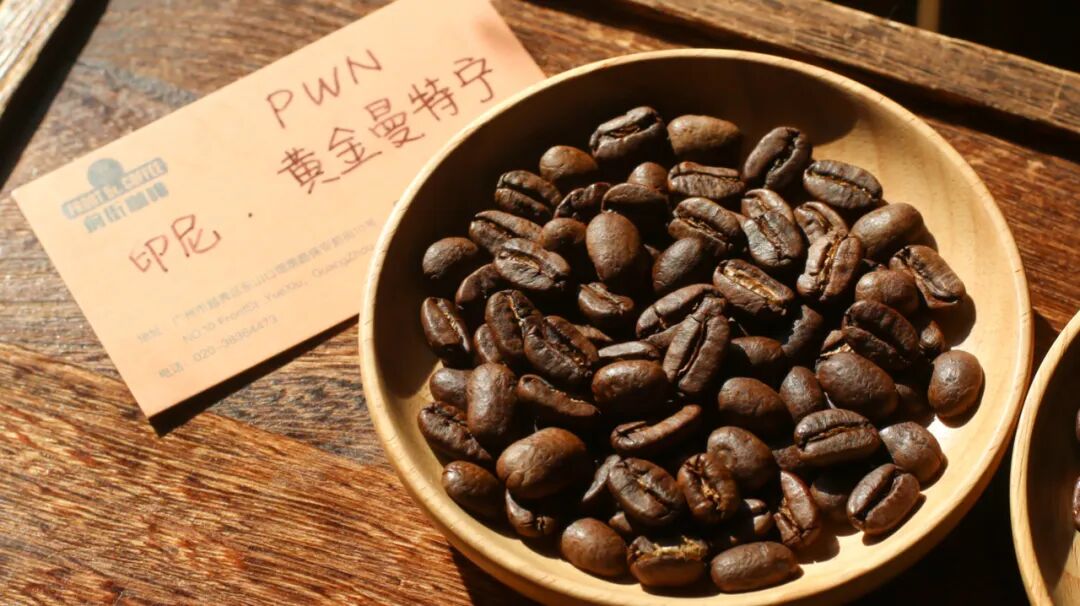
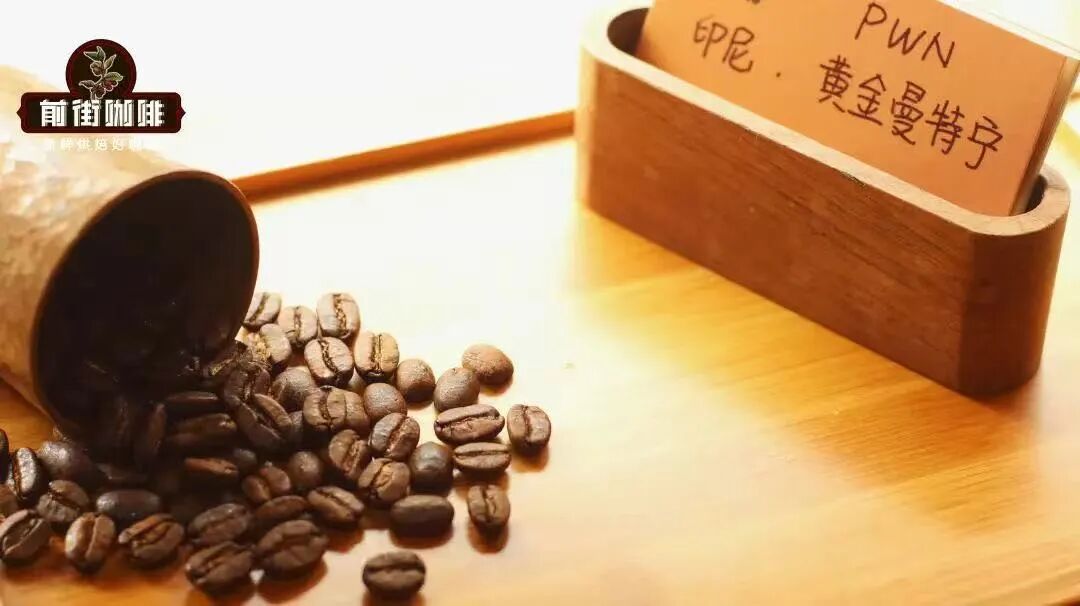
Take the market-recognized top-tier product “PWN Golden Mandheling” as an example; its success can be attributed to three key factors:varietal optimization (Ateng backcrossed lines with low Robusta genes), refined processing (moisture content curve control), and a triple screening mechanism(optical color sorting + shape grading + visual hand selection). The brand insists on using only plump, flawless beans, ultimately delivering a rich, mellow aroma that replaces the herbal notes, accompanied by distinct dark chocolate, caramel sweetness, and moderate spicy undertones.
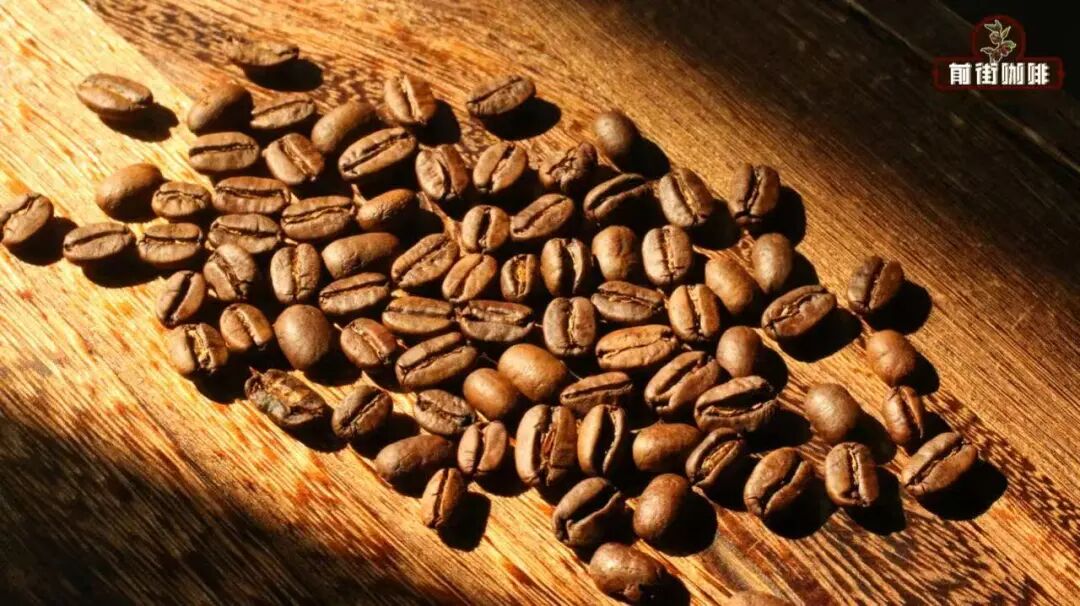
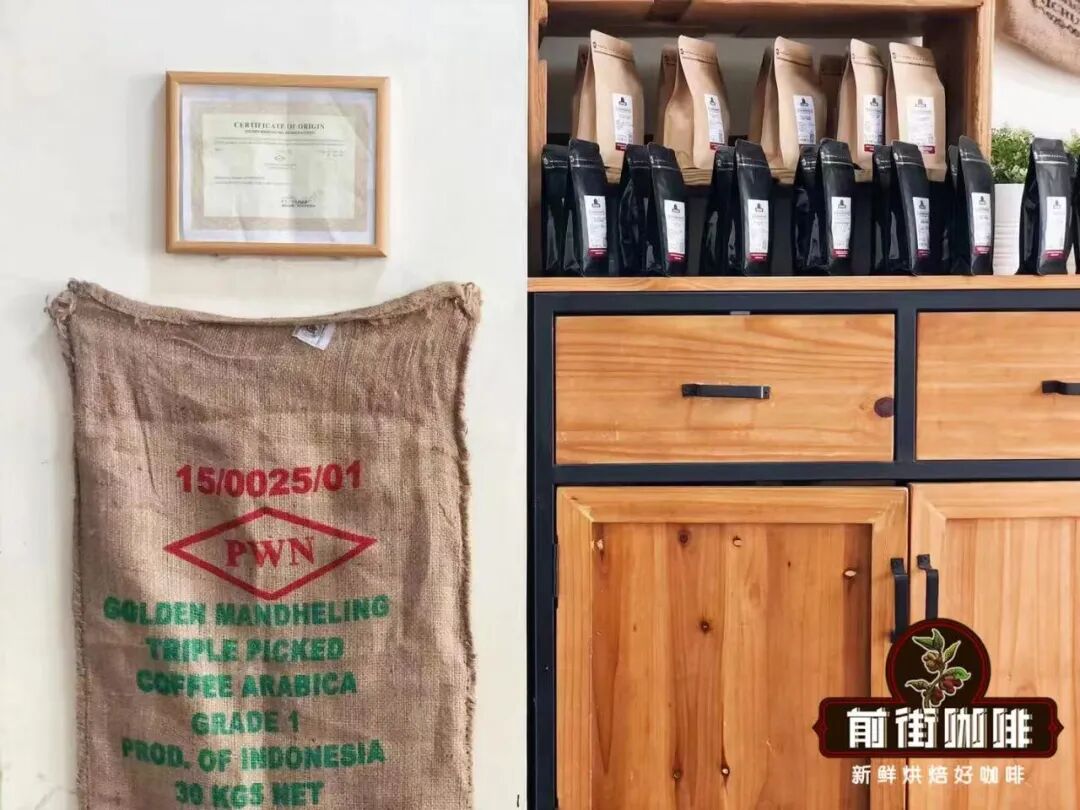
Consumers should pay special attention when purchasing:Authentic PWN Golden Mandheling is a patented product of the Puwani company, with trademark protection registered since 2003. To identify genuine products, check for the accompanying anti-counterfeit jute sack and official certification documents—these physical credentials are the most reliable means of distinguishing from various counterfeit versions on the market, such as “20-mesh Golden Mandheling” or “Dingshang Mandheling.” Observing the raw beans reveals: authentic beans have intact shapes, uniformly glossy surfaces, and show no significant cracks or uneven discoloration.
The above content is compiled by CoffeeHunters, a coffee news website.

