







Introduction:As an emerging star in Africa’s specialty coffee scene, Rwanda is not only the first African country to host the COE (Cup of Excellence) competition but has also, thanks to its high altitudes and washed processing methods, cultivated delicate Red Bourbon coffees. This article will delve into Rwanda’s major coffee-growing regions, the characteristics of its primary coffee varieties, and the unique flavor profile of its washed Red Bourbon—taking you on a journey to explore the coffee potential of the “Heart of Africa.”
When discussing major African coffee-producing nations, many people first think of Ethiopia, Kenya, or Tanzania. However, Rwanda, a relatively small country located in Central Africa, has made remarkable strides in the specialty coffee sector. Known as the “Heart of Africa,” this nation has, in recent years, secured its place in the global specialty coffee market through its excellent geographical conditions and washed processing techniques. It is also the first African country to host the COE (Cup of Excellence) competition.
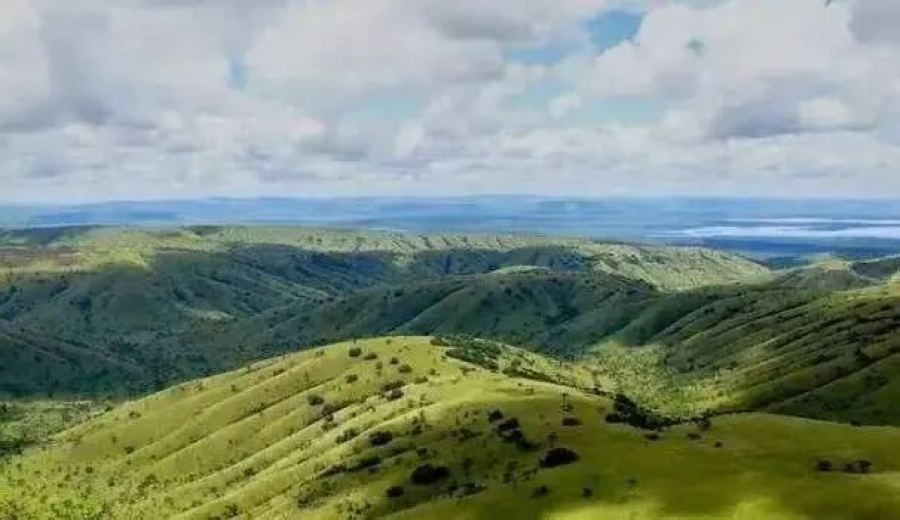
Rwanda is a landlocked country in Africa, bordered by other coffee-producing nations on all sides—Burundi to the south, Tanzania to the east, Uganda to the north, and the Democratic Republic of the Congo to the northwest. The terrain is predominantly mountainous, with over five volcanoes, earning it the nickname “Land of a Thousand Hills.” In addition, the country is dotted with 23 lakes and numerous rivers, offering abundant water resources that provide ideal conditions for coffee cultivation.
As a temperate and tropical highland region located south of the equator, Rwanda has an average annual temperature of about 24 to 27 degrees Celsius, slightly lower than that of typical equatorial countries. It also experiences two distinct rainy seasons each year, ensuring ample rainfall. These climatic features, combined with the high-altitude environment, extend the coffee growing cycle, allowing for more thorough sugar accumulation and contributing to greater flavor complexity.
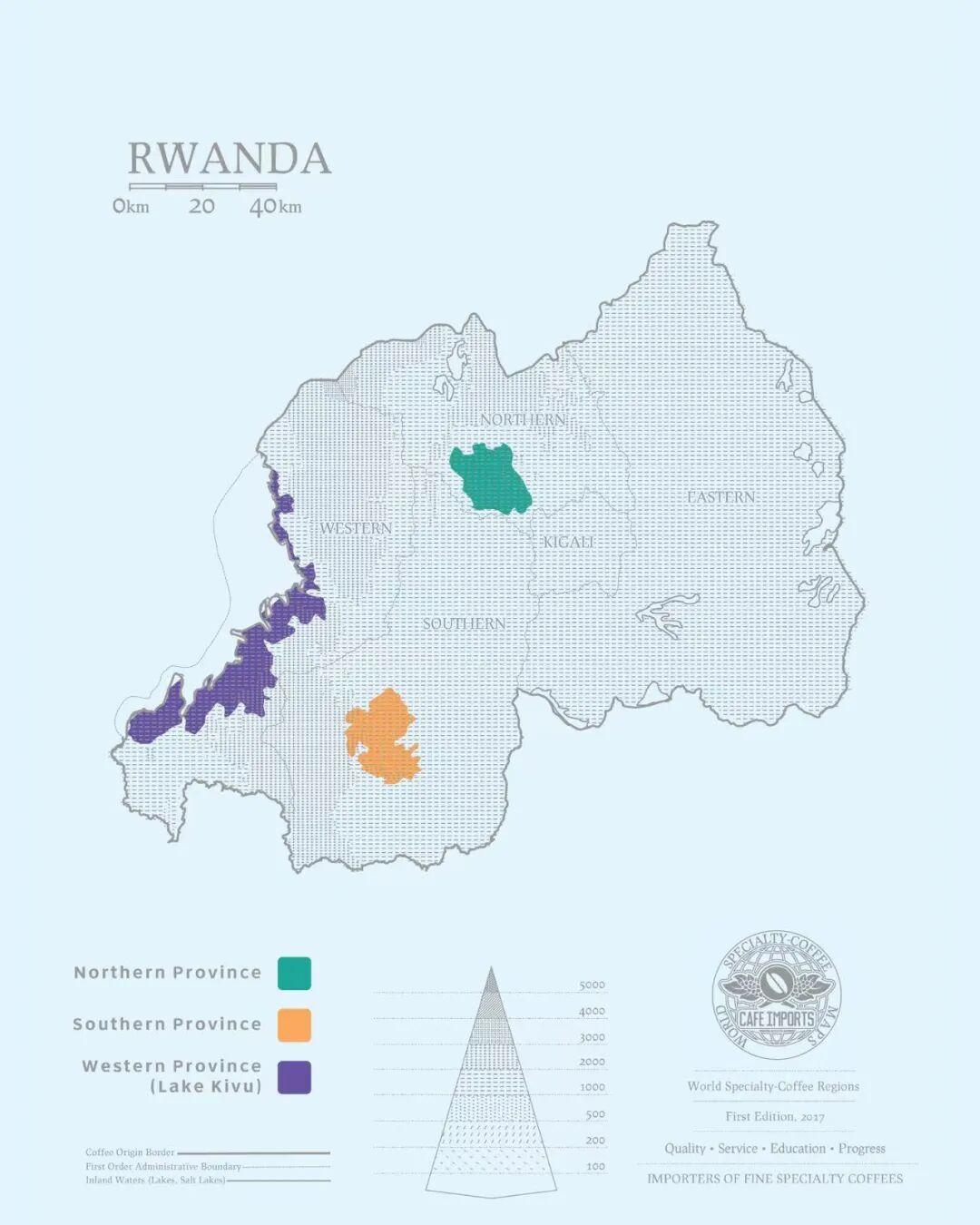
Rwanda’s coffee production is primarily concentrated in the southern and western regions, which feature higher altitudes and relatively cooler temperatures, along with significant diurnal temperature variations. These factors slow down the ripening process of coffee cherries, enabling the beans to accumulate richer sugars and flavor compounds. Additionally, the mineral-rich volcanic soils provide ample nutrients for coffee trees, laying a solid foundation for the quality of Rwandan coffee.
In terms of varieties, Rwanda mainly grows Red Bourbon, Caturra, and Catuai. Among these, Red Bourbon accounts for over 90% and is the dominant coffee variety in the region. Bourbon originated in Central America, later spread to Puerto Rico, entered the Congo in the 1930s, and was introduced to Rwanda about 20 years after that. As an important member of the Arabica family, Red Bourbon is known for its balanced acidity and sweetness, as well as its rich fruit notes. However, similar to Typica, it has relatively weak disease resistance and lower yields, which has led some producing countries to shift toward cultivating higher-yielding and more disease-resistant varieties such as Caturra and Catuai.
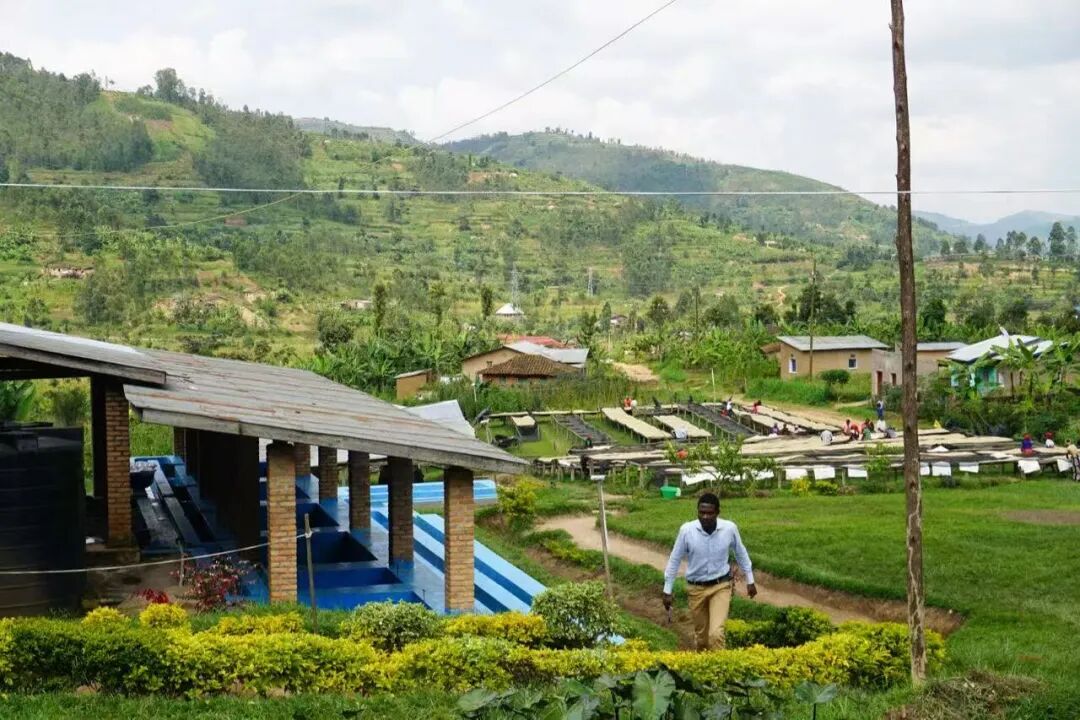
Coffee production in Rwanda is predominantly carried out by smallholder farmers. In the past, most farmers processed their own coffee, resulting in inconsistent quality. Starting in 2000, the government launched the PEARL project (Partnership for Enhancing Agriculture in Rwanda through Linkages Project), aimed at improving coffee quality and increasing farmers’ income. This initiative encouraged the delivery of coffee cherries to specialized washed processing stations, significantly enhancing both the consistency and flavor profile of the coffee. With the implementation of the project, Rwanda has built dozens of washed processing facilities, and today there are over 200 private washing stations operated by green coffee exporters or cooperatives, making it one of the countries with the highest density of washed coffee processing in the world.
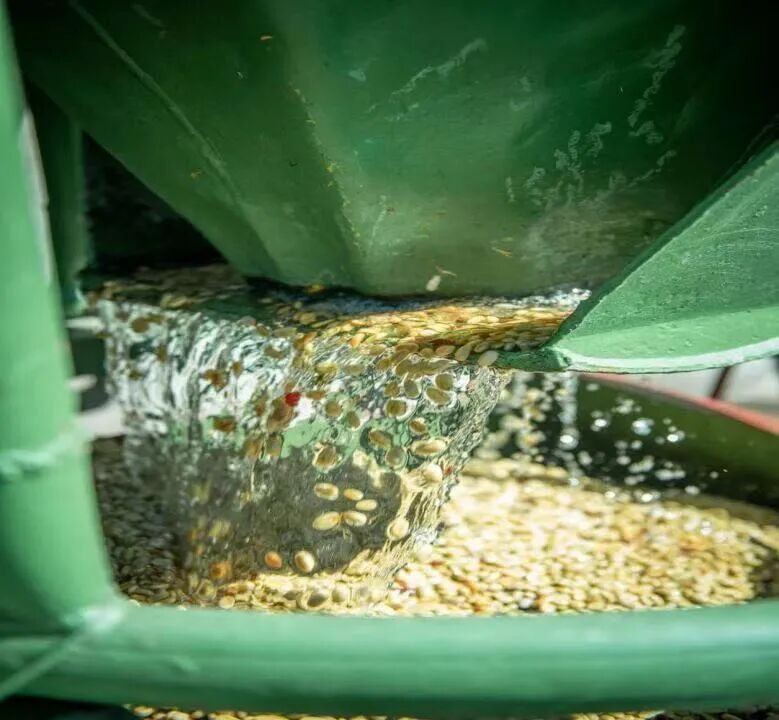
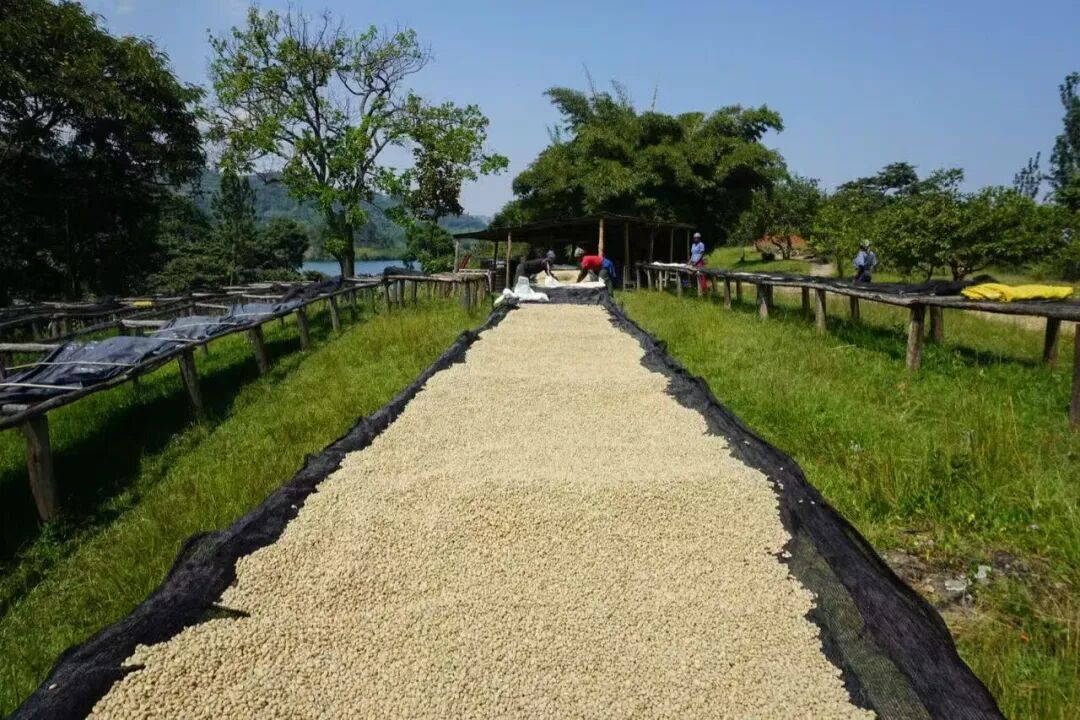
The key to the washed processing method lies in reducing fermentation levels to enhance flavor stability. The process includes: first using floatation to remove unripe and defective beans; then employing a pulper to remove the skin and pulp; subsequently fermenting the mucilage-covered coffee beans in water tanks for typically 12 to 36 hours, depending on ambient temperature; after fermentation, rinsing off the residual mucilage with clean water; finally spreading the parchment-covered beans on drying beds until they reach a moisture content of 11% to 13%, after which the parchment is removed and the beans are stored. This method highlights the pure flavors of the coffee itself while minimizing interference from impurities.
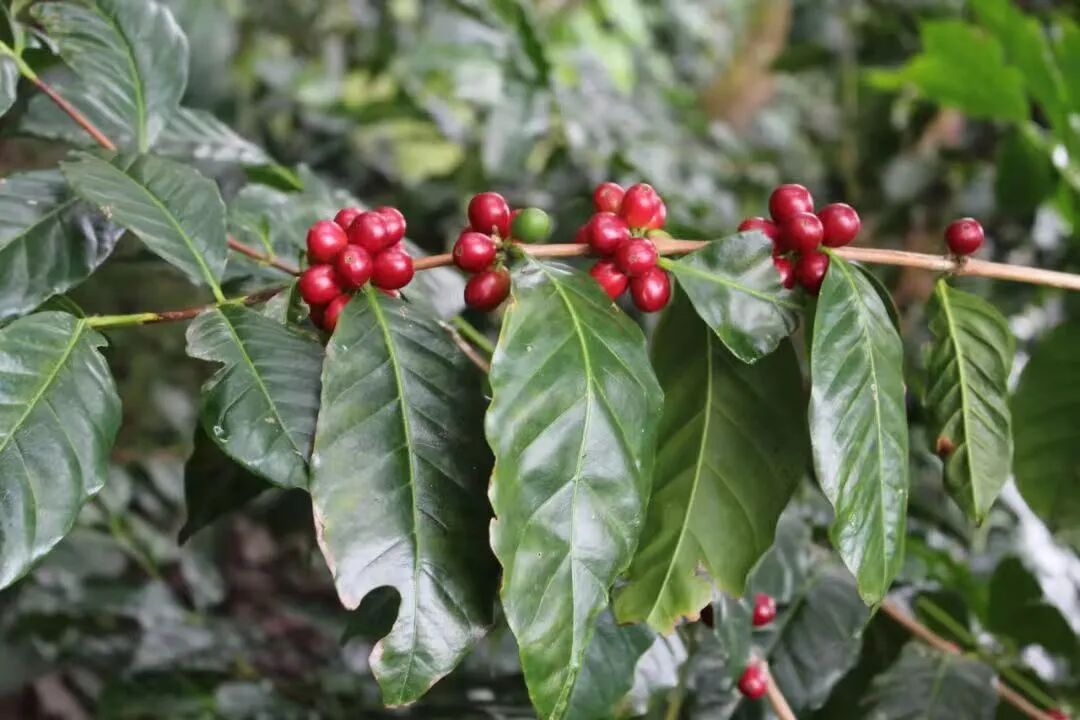
Rwanda’s high-quality coffee mostly comes from high-altitude regions in the south and west, such as the Huye Mountains and Nyamagabe area in the south, and the Nyamasheke region by Lake Kivu in the west. These areas not only feature elevations of 1,500 to 1,700 meters and abundant rainfall but also boast fertile volcanic soils, providing an ideal growing environment for Red Bourbon coffee.
A certain coffee brand selected a washed Red Bourbon from the Nyamasheke region as one of its flagship beans. This coffee is medium-light roasted, emphasizing the preservation of the bean’s inherent fruity acidity and floral notes. In cupping, the dry aroma presents fresh apple and green tea scents, accompanied by subtle floral notes; after hot water brewing, the berry and green tea aromas become even more pronounced. The first sip reveals a sweet-tart berry flavor, which then transitions into the bright sweetness of apple and apricot, with a lingering finish of green tea and apple freshness. The overall flavor is balanced and layered.
For brewing, it is recommended to follow a medium-light roast curve, with cupping conducted 8 hours post-roast to fully showcase its delicate flavors. For pour over enthusiasts, this bean is suitable for medium-fine grinding, with water temperature controlled at 90 to 92 degrees Celsius, to highlight its bright acidity and fruity characteristics.


The above content is compiled by CoffeeHunters, a coffee news website.

