







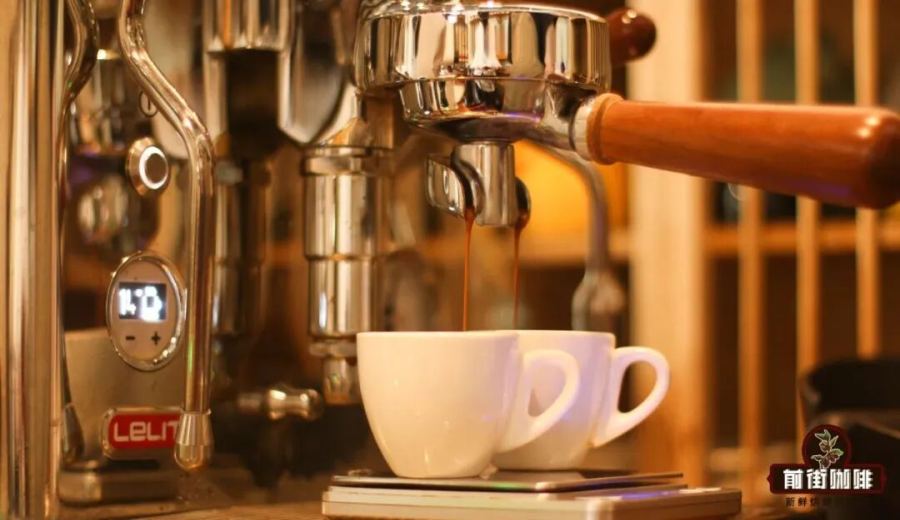
Introduction:In recent years, Single Origin Espresso (SOE) has gradually become a focal point for specialty coffee enthusiasts. Compared to traditional blends, SOE can showcase more distinct regional characteristics and processing method flavors. This article will introduce you to what SOE is, and from the perspectives of origin, roast level, and processing method, teach you how to select suitable SOE coffee beans, as well as adjust extraction parameters, so that you can brew outstandingly flavored SOE Americanos and lattes at home.
As specialty coffee culture continues to thrive globally, an increasing number of consumers are seeking more flavor-distinctive coffee experiences. On the menus of many cafes, not only can you find detailed information about origins and processing methods, but many shops also begin to offer espressos made from single-origin coffee beans — which is what we call SOE (Single Origin Espresso). From bright fruity acidity to rich sweet aromas, the options are diverse with varying flavors, catering to different palates.
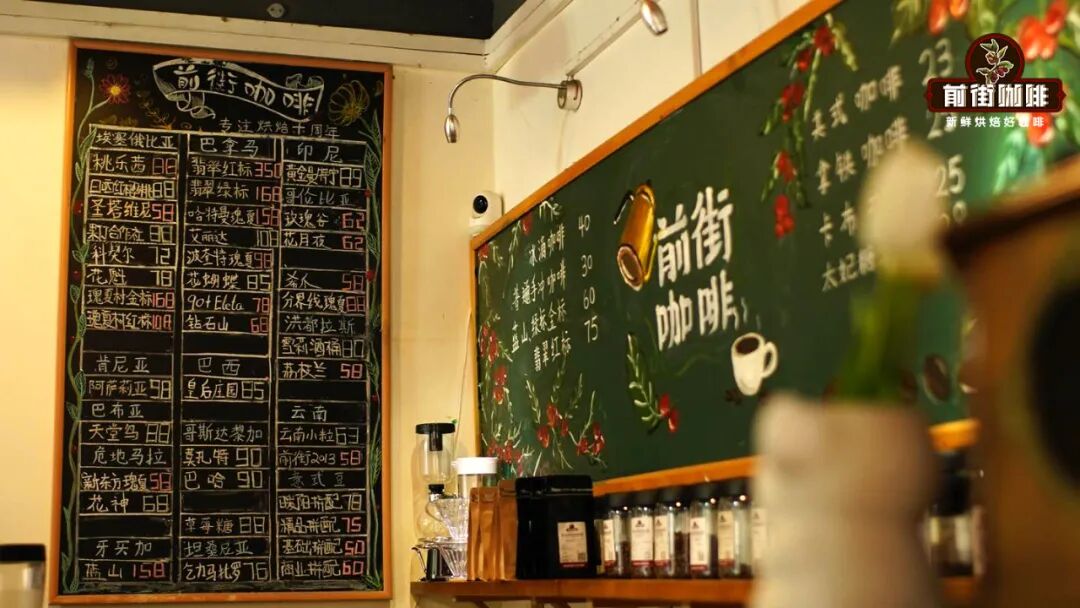
Looking back to the early days, espresso was mostly made with dark-roasted blends, typically leaning towards bitter, bold flavors with limited choices. However, as the variety of specialty coffee beans has grown richer, many coffee enthusiasts have started experimenting with making espresso using single-origin beans, hoping to highlight each bean’s unique regional character through SOE. So, what exactly is SOE? And how should one choose and brew satisfying SOE coffee?
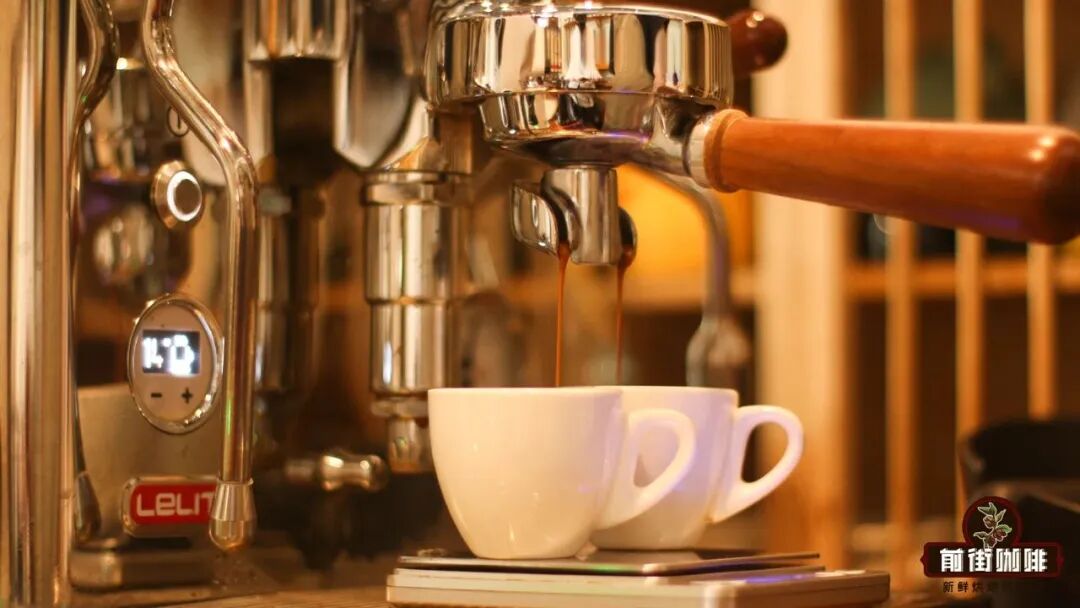
SOE stands for Single Origin Espresso, which directly translates to "single-origin espresso coffee." The key lies in "single origin" — meaning the use of coffee beans from the same origin, or even the same farm, to produce espresso. For example, if you use Ethiopian Yirgacheffe single-origin beans to make espresso, then this cup of coffee can be called "Yirgacheffe SOE"; if you use Blue Mountain No.1 beans to make an Americano, it becomes "Blue Mountain SOE Americano"; and high-priced Geisha beans, when used for making lattes, can also be named "Geisha SOE Latte."
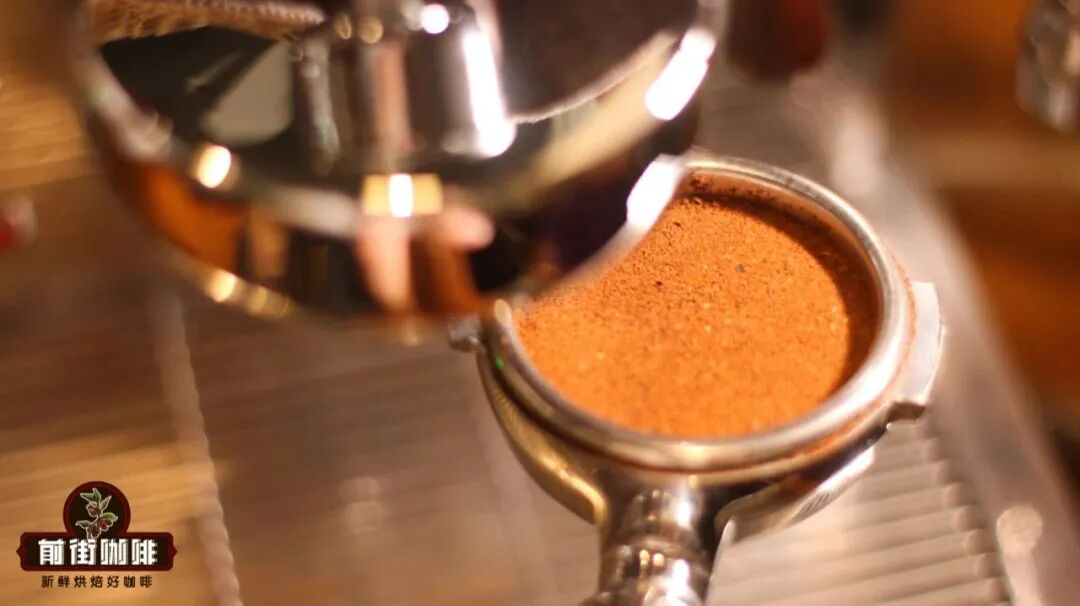
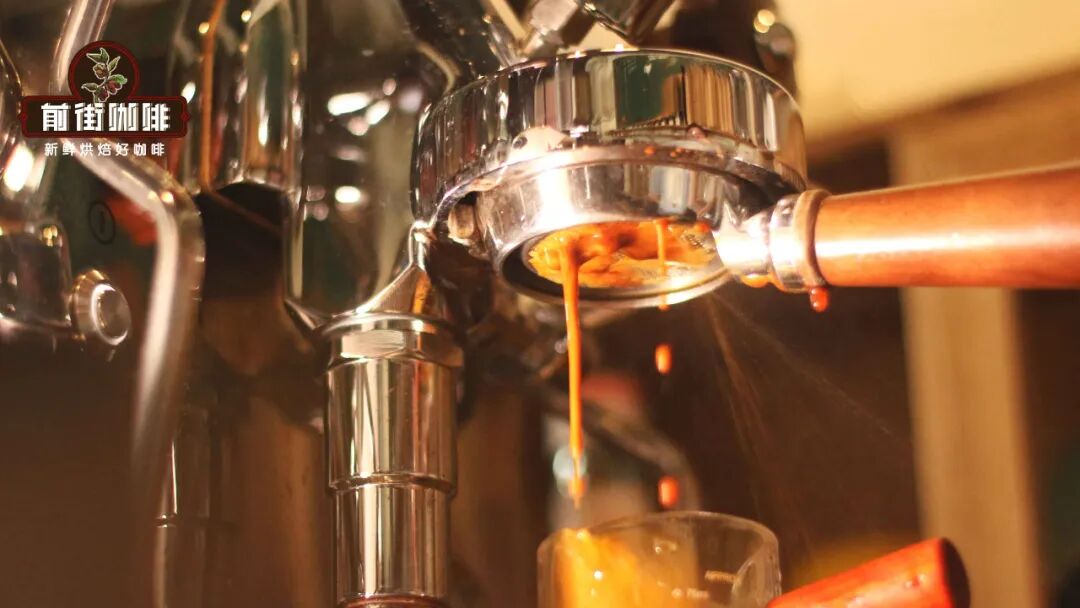
To produce a flavorful SOE, the first key is choosing the right coffee beans. Since espresso machines extract under high temperature and pressure within an extremely short time (about 25–30 seconds), the various flavor characteristics of the coffee beans are amplified, so bean selection and roast level pairing are crucial.
Generally speaking, under-roasted single-origin beans can lead to overly prominent acidity and insufficient aroma, while over-roasted beans may leave only bitterness and burnt notes, lacking depth. Therefore, it is recommended to choose your ideal SOE coffee beans by considering three aspects: origin characteristics, roast degree, and processing method.
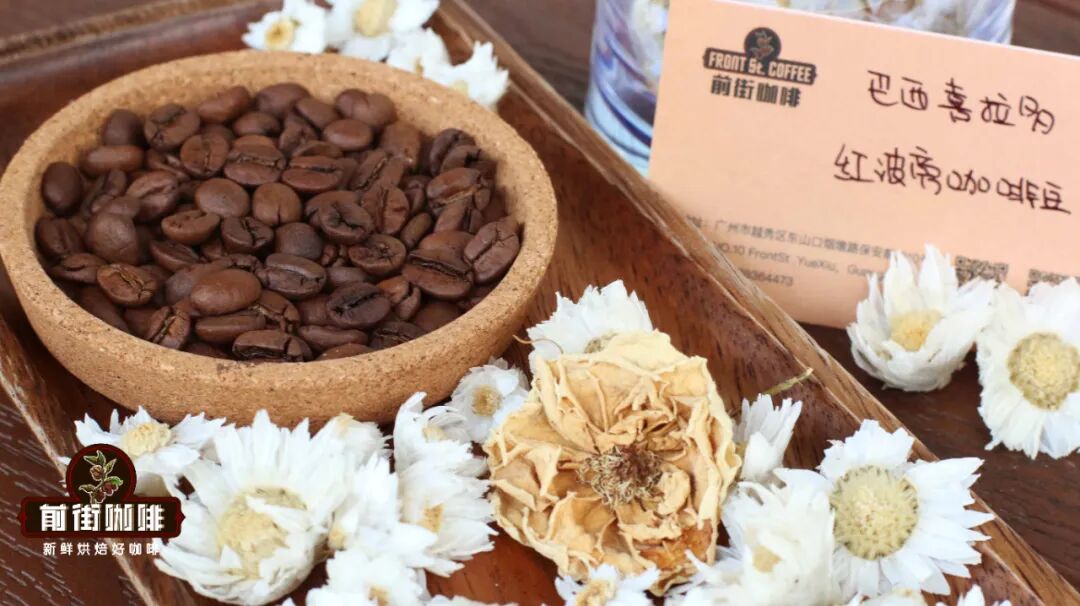
For coffee lovers who enjoy bright, acidic, and sweet flavors, African origin naturally processed beans are recommended first, such as those from Ethiopia's Sidamo, Yirgacheffe, and Guji regions. These origins often feature bright fruit acidity, rich floral and fruity notes, and higher sweetness. However, these beans are mostly designed for pour over or cold brew, with roast levels tending towards light or medium-light. If used directly for espresso, issues such as under-extraction, poor crema, or spraying may occur.
To address this, some roasters specifically adjust the roast profiles of these naturally processed beans from these origins, launching dedicated SOE versions tailored for espresso extraction needs. For example, for Ethiopian natural beans, there are specially adjusted medium roast versions that maintain fruity aroma while enhancing the stability of the espresso's mouthfeel.
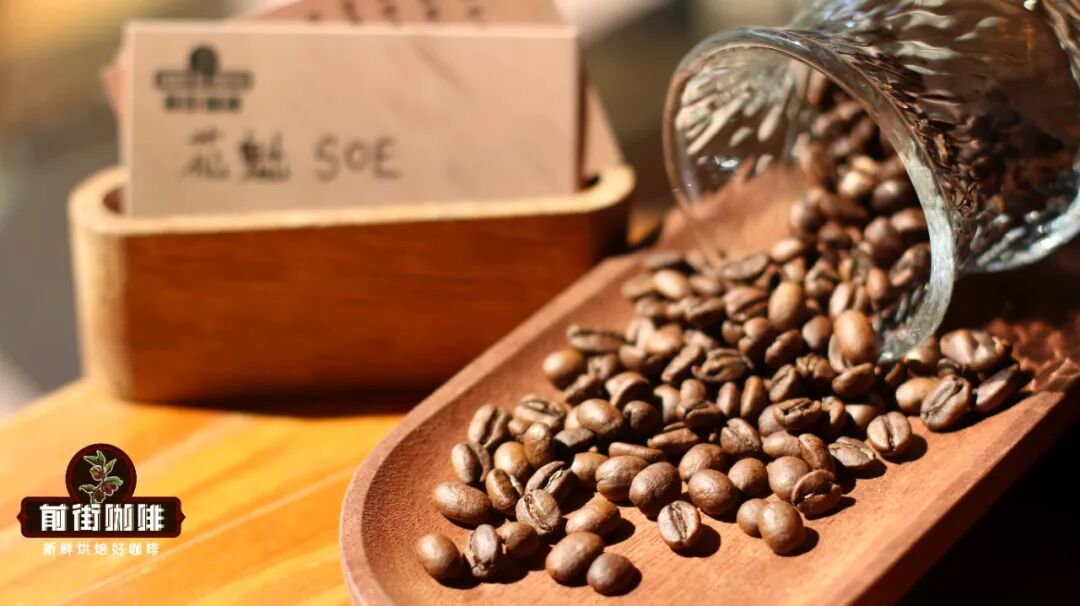
If you prefer coffee with intense fruitiness and rounded sweetness, beans from the high-altitude regions of Central and South America are a good choice. Coffees from places like Colombia, Panama, Costa Rica, Guatemala, and Peru are often medium roasted, capable of showcasing caramel-like sweetness and stable body, suitable for various brewing methods.
Additionally, if you want to further enhance fruitiness and fermentation notes, you can opt for single-origin beans with special processing methods such as natural, honey, or anaerobic natural. For example, some Colombian beans use double anaerobic natural processing, which may yield aromas of blueberries, passionfruit, or ripe grapes after brewing; while others may present a soft profile of oranges, nuts, and milk candy.
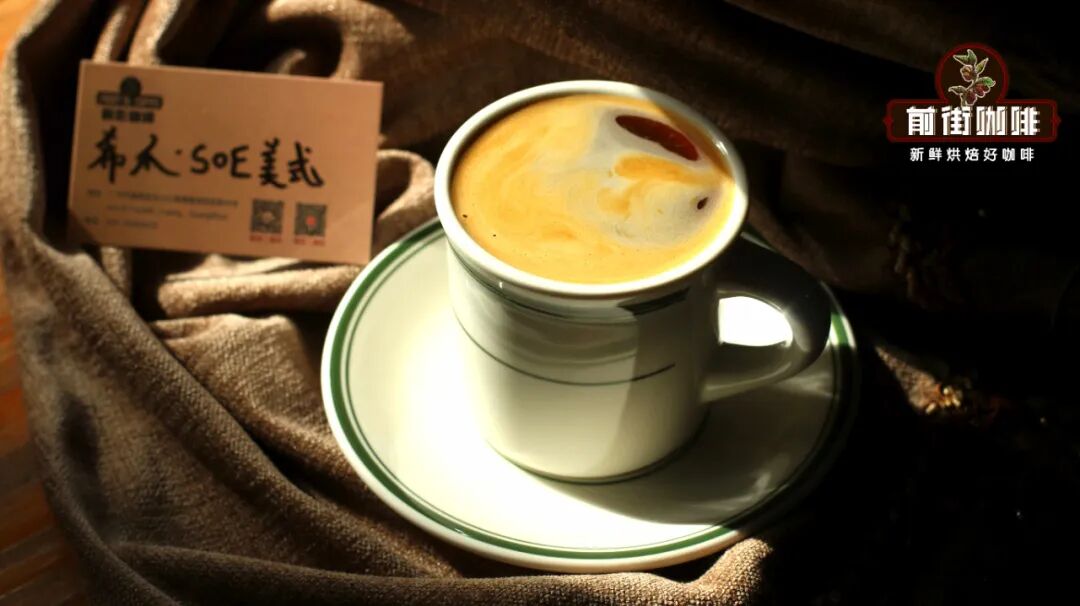
For those who do not like acidity or prefer a low-acid balanced taste, it is recommended to choose medium to dark roast single-origin beans from Asia or South America. For example, Brazil's Cerrado or Colombia's Queen Estate, these coffee beans usually feature low acidity, full body, and smooth aftertaste, suitable for making everyday SOE Americanos or lattes.
After understanding how to choose SOE coffee beans, the next step is the actual extraction process. Making a good-tasting SOE follows basic principles similar to regular espresso, but still requires fine-tuning based on the beans’ characteristics.
It is recommended to start with a "coffee-to-water ratio of 1:2", keeping the extraction time between 25–35 seconds, and adjusting the grind size according to flow rate. For example, using 20 grams of coffee grounds to extract 40 grams of coffee liquid — if the flow rate is too fast (extraction time is less than 25 seconds), it means the grind is too coarse and needs to be adjusted finer; if the extraction time is around 30 seconds, it usually indicates that the grind size is appropriate.
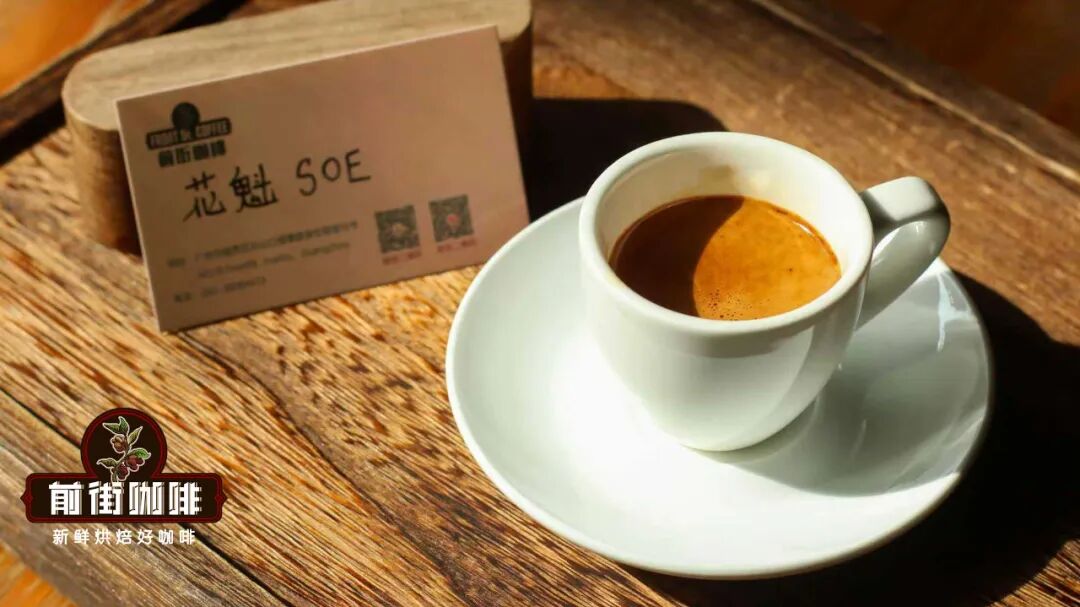
Since SOE is often used to make Americanos, lattes, or flat whites and other specialty drinks, during the blending stage after extraction, you can also further optimize based on the beans’ flavor characteristics. For example, for a medium-light roasted Ethiopian SOE, if the crema is thin, you can slightly increase the coffee dose (e.g., to 20.5 grams) to enhance aroma expression; the extraction time for 40 grams of liquid can be maintained around 31 seconds, allowing the Americano to present a refreshing sweet acidity, and the latte to highlight the integrated aroma of the espresso and milk.
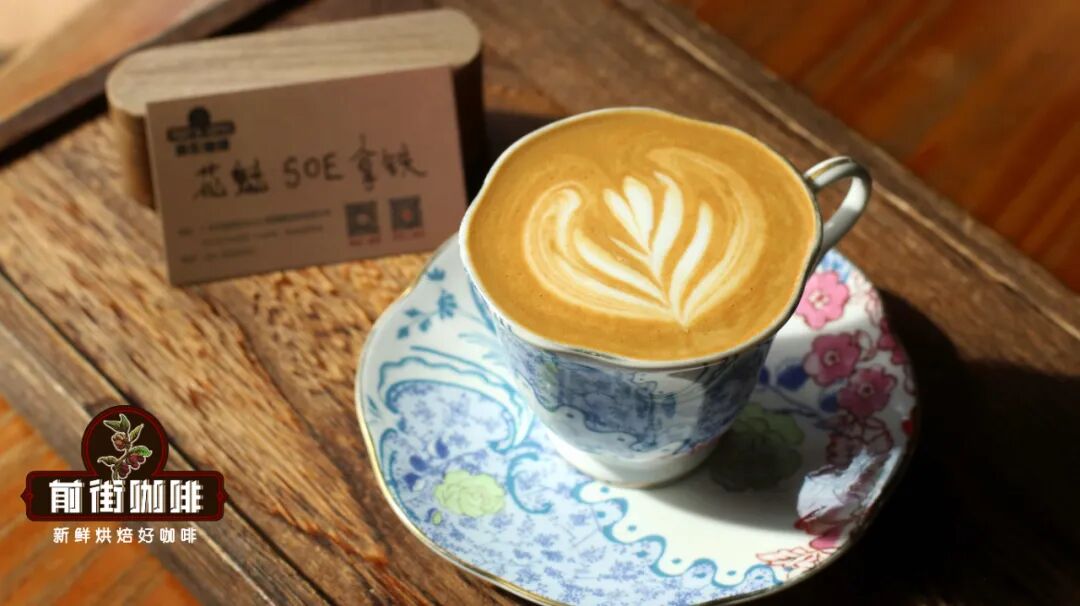
If you are using a bean with intense fruitiness and fermentation notes, you may consider increasing the extraction yield (e.g., extracting 3–5 grams more) to enhance sweetness and aftertaste; if making a latte, you can reduce the milk proportion (e.g., from 200 grams down to 160–180 grams) to make the coffee aroma more prominent.
Finally, if you are using a medium to dark roast bean, but find the espresso has unpleasant flavors like burnt, smoky, or hay notes, it may be over-extracted. In this case, you can reduce the extraction yield (e.g., extract 3–5 grams less) to improve the aftertaste. Conversely, if the coffee lacks aroma or the acidity is too pronounced, it may be under-extracted. It is recommended to adjust the grind finer and extend the extraction time by 2–3 seconds to achieve a more balanced taste.
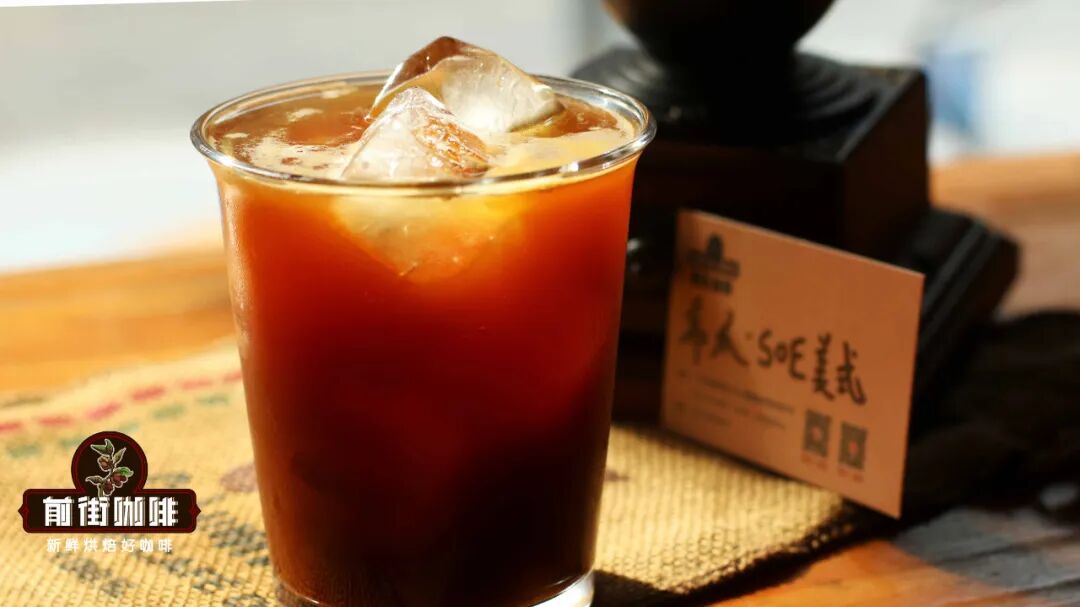
The above content is compiled by CoffeeHunters, a coffee news website.

