







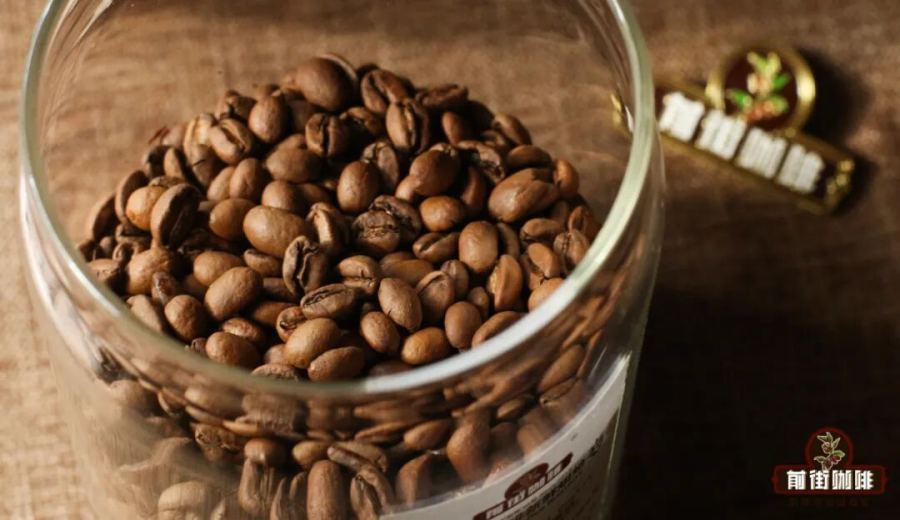
Introduction:Many beginner coffee enthusiasts often feel puzzled when selecting coffee beans because they can’t intuitively understand the roast level from the packaging. In fact, besides checking the product description, you can effectively determine the roast level by observing the color of the beans, the flavor descriptions, or even the taste after brewing. This article will guide you through several practical methods to understand the differences between light-medium and medium-dark roasts from a beginner’s perspective, and provide pour over parameter suggestions to help you more easily choose coffee beans that suit your taste.
Many consumers who buy coffee beans have had this experience: after receiving the beans, they find that the packaging does not clearly indicate the roast level, and they begin to wonder whether the beans are light, medium, or dark roast. In fact, although some products do not directly label the roast level, we can still infer the roast degree through various methods, and quickly identify it even without written descriptions.
Currently, the industry commonly adopts a scientific evaluation method, which is to use “Agtron color values” (also known as caramelization analysis values) to define roast levels. This system converts the color of coffee beans into numerical values—the higher the value, the lighter the roast; the lower the value, the darker the roast. For example, the Agtron color value chart established by the SCAA divides roast levels into eight grades, with clear distinctions from very light roast to very dark roast.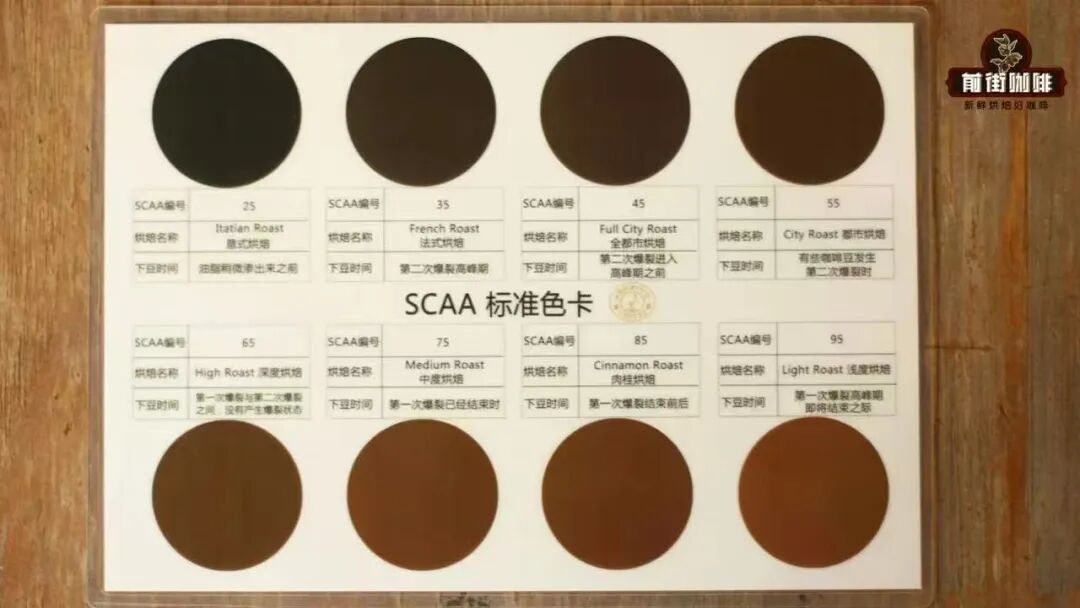
However, in daily life, consumers rarely use professional terms like “cinnamon roast” or “city roast” when communicating. The reasons are simple: first, it’s difficult to accurately judge the bean’s color value and exact roast level with the naked eye alone; second, current market roasting trends lean toward light-medium to medium roasts, and many consumers have not actually been exposed to all types of roasted beans; additionally, applying the entire industry standard directly to the consumer end can instead create learning barriers and confusion—for example, some may wonder, “Isn’t dark roast the darkest?” or “What are French and Italian roasts?” and so on.
If every coffee brand were to define roast levels on their own, it would lead to inconsistent standards. Therefore, rather than memorizing industry jargon, we recommend identifying roast levels based on something more tangible—namely, the flavor of the coffee.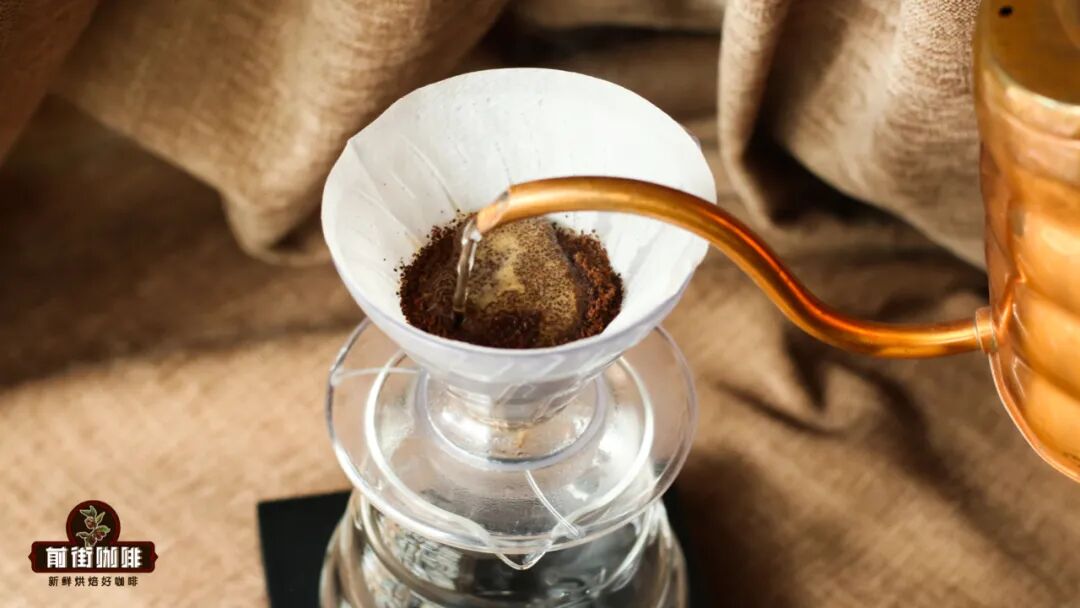
Simply put, if a coffee bean’s flavor is dominated by pronounced acidity, such as bright fruit acids like lemon, citrus, or berries, it can generally be classified as a light-medium roast; if the flavor is dominated by sweetness or rich caramelized notes, such as dark chocolate, caramel, or roasted nuts, it is often a medium-dark roast. For example, if the flavor description includes words like “lemon,” “citrus,” or “berries,” it is likely a relatively light light-medium roast bean, such as some washed beans from Ethiopian regions; whereas if it includes “grape,” “melon,” or “blueberry” and other sweeter fruit flavors, it may be a medium-light roast bean leaning toward the middle range.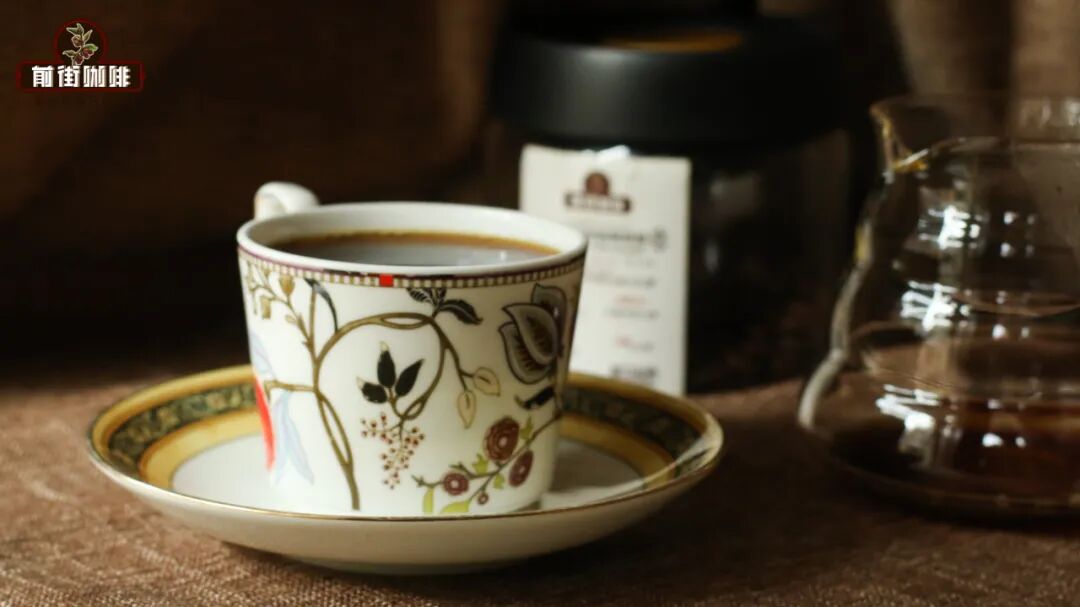
On the other hand, for medium-dark roast beans, if the flavors include relatively mild sweet notes like “cane sugar,” “maple syrup,” “cream,” or “chocolate,” they can generally be classified as medium-level medium-dark roasts; if the flavors are dominated by intense caramelized notes such as “roasted nuts,” “caramel,” or “dark chocolate,” they may be on the darker side of medium-dark roasts. Beans from certain regions in Brazil or Sumatra, for instance, often exhibit these characteristics.
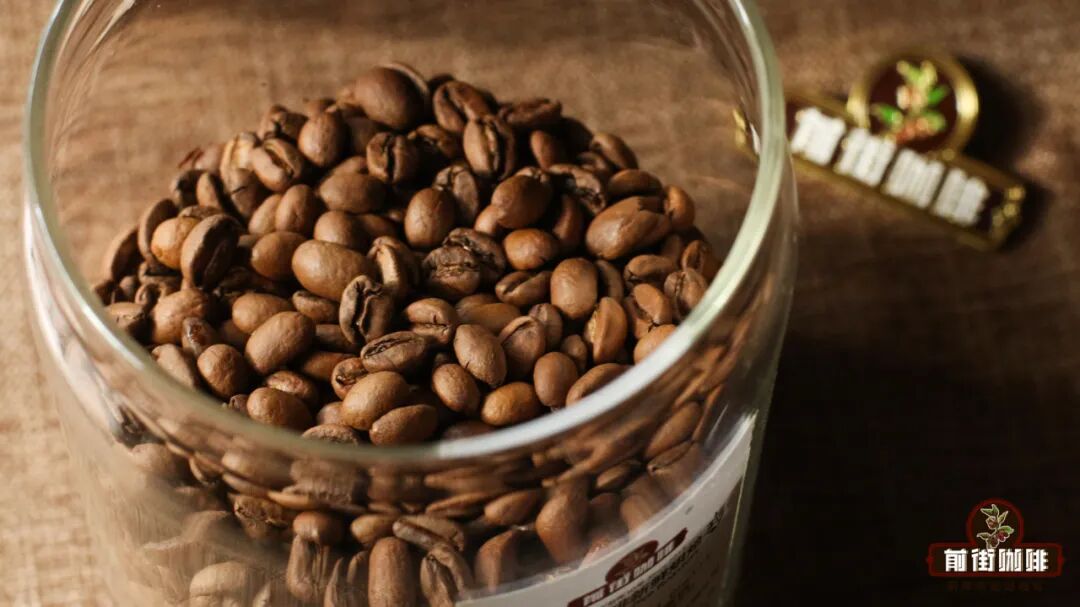
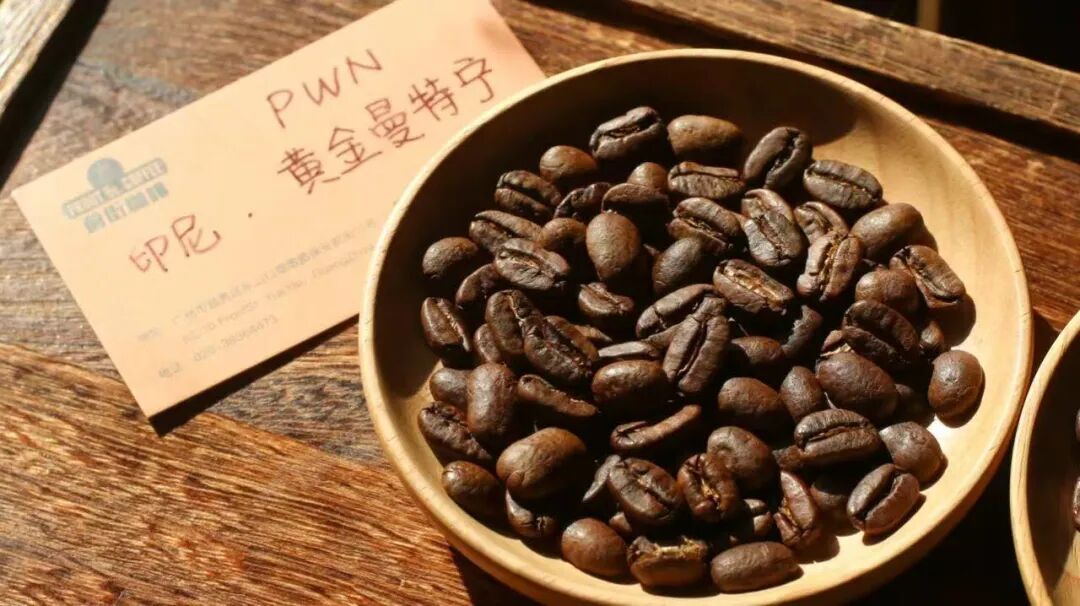
In addition to flavor, observing the appearance of coffee beans is also an auxiliary way to quickly judge the roast level. Generally speaking, beans that are lighter in color and drier in surface appearance are usually light-medium roasts; while beans that are darker in color and even have an oily sheen are mostly medium-dark roasts. But it’s important to note that appearance is not an absolutely reliable basis. For example, some beans may look very dark, like dark roasts, but after brewing they actually reveal fresh fruit aromas like blueberry or grape, belonging to a medium-light to medium roast level. Misjudging in this way and using overly deep brewing parameters could lead to under-extraction.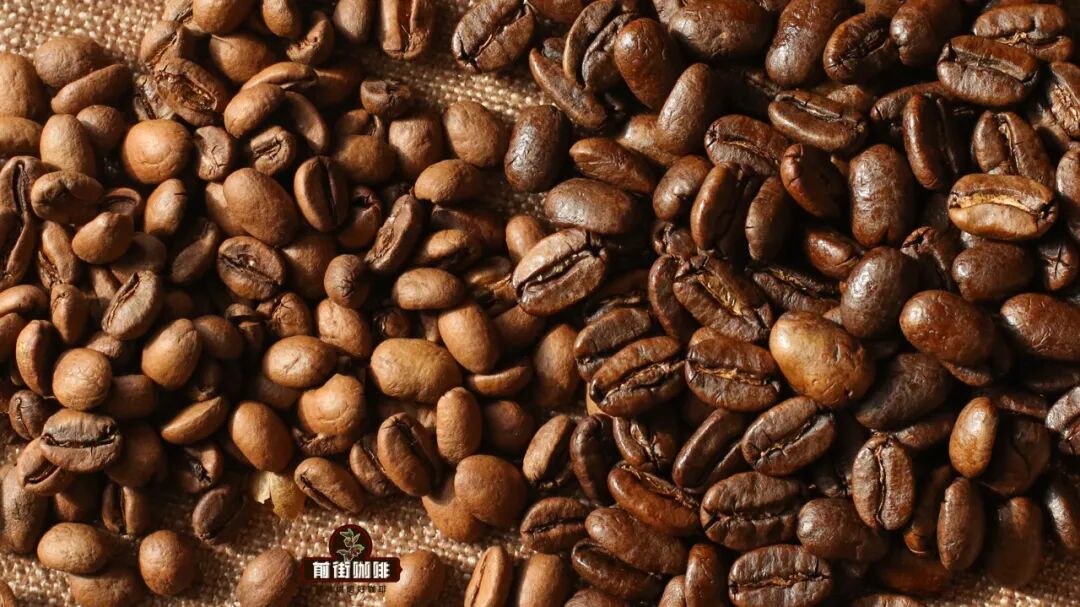
When actually brewing pour over, adjusting parameters according to different roast levels can better bring out the full potential of the beans. The following basic settings are recommended: for light-medium roast beans, the water temperature can be set at 90–93°C, the grind size is suggested to be 75%–80% passing through a #20 sieve, with a powder-to-water ratio of 1:15, and a brewing time of about 2 minutes; for medium-dark roast beans, the water temperature can be lowered to 86–89°C, the grind size slightly coarser, while maintaining a similar powder-to-water ratio and brewing time.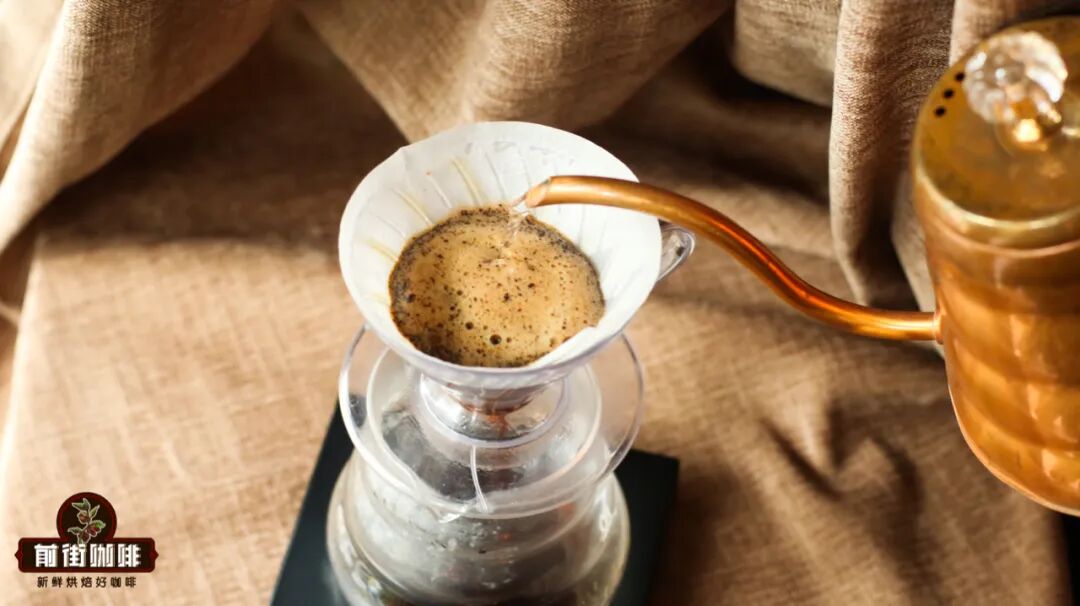
In summary, whether through flavor descriptions, external color appearance, or actual brewing performance, we can quickly distinguish the roast level of coffee beans. Each method has its pros and cons, and it is recommended to flexibly apply them according to the actual situation to find the most suitable judgment method for yourself, and enjoy a coffee experience that is closer to your personal taste.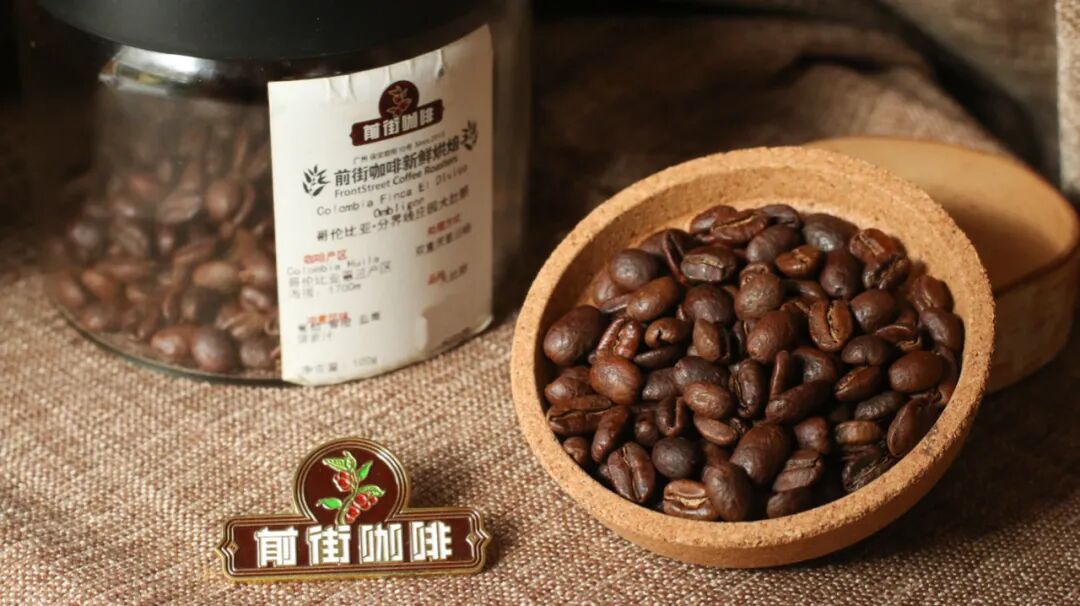

The above content is compiled by CoffeeHunters, a coffee news website.

