







Introduction:Many coffee enthusiasts habitually store leftover coffee beans in the fridge or freezer to extend their shelf life. However, if not done properly, this method can actually cause the coffee to lose its original aroma and complexity. This article delves into the correct ways to refrigerate or freeze coffee beans, analyzes why some people find the flavor of their brewed coffee bland when using frozen beans, and provides detailed storage and brewing recommendations to help you maintain the optimal quality of your coffee.
In recent years, more and more coffee lovers have chosen to store surplus coffee beans in the refrigerator or freezer, hoping to slow down flavor loss and keep the beans fresher for longer. This approach can indeed slow down the oxidation and evaporation of coffee aromas to a certain extent — especially when purchasing large quantities of beans, such as during store promotions — making freezer storage seem like a good option for extending freshness.
However, some users have found that even when they seal their coffee beans properly and store them in a frozen environment, the brewed coffee lacks the expected aroma and richness, sometimes even tasting thin. This has led many to wonder: is freezing really effective? Or is there a mistake somewhere in the process?
In fact, freezing does offer a certain level of “preservation” benefit. The low temperature effectively reduces molecular activity, thereby slowing down the release of internal gases (primarily carbon dioxide) from the coffee beans — what we call a “reduced degassing rate.” It’s worth noting that the degree of slowdown can vary depending on the actual temperature of the freezer; generally speaking, the lower the temperature, the slower the changes in the beans, which helps prolong the period during which they retain their peak flavor.
Since freezing does have preservation benefits, why do some people still fail to achieve the desired extraction results in practice? The key often lies in two aspects: improper freezing methods and failure to adjust brewing parameters to suit the characteristics of frozen beans.
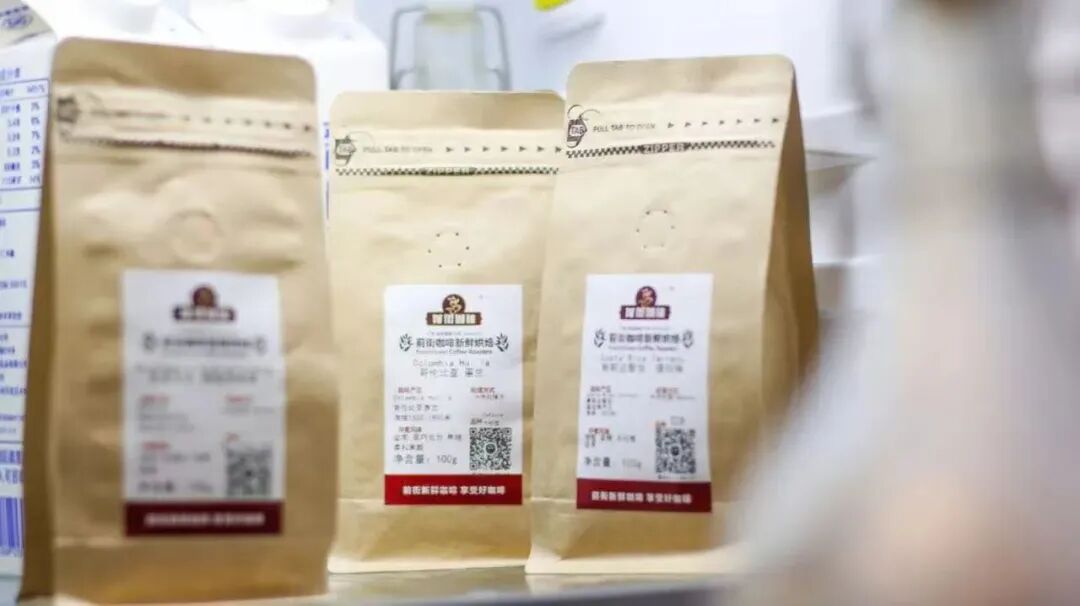
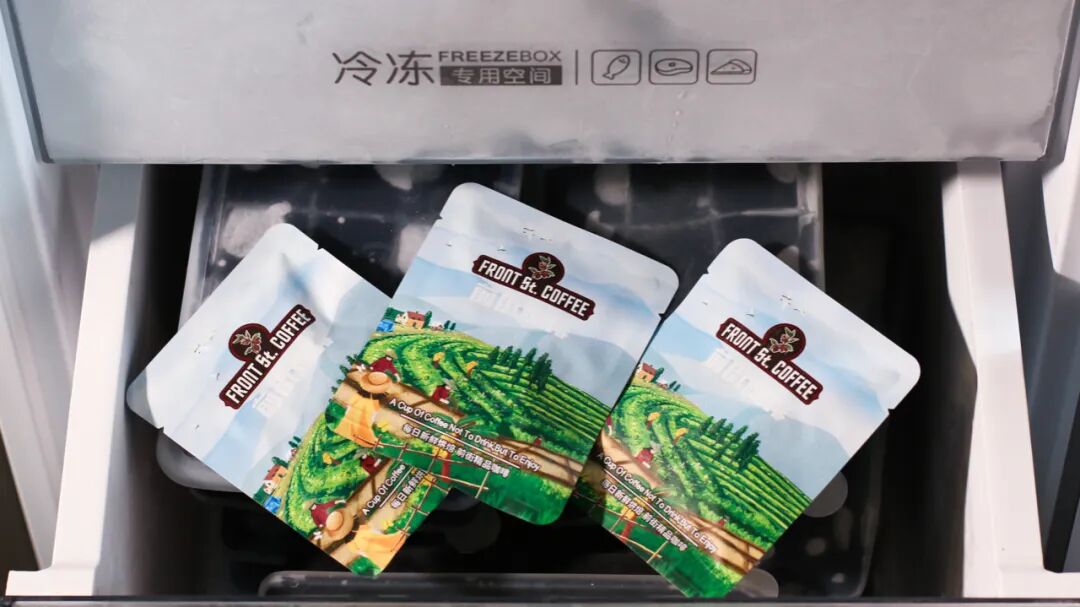
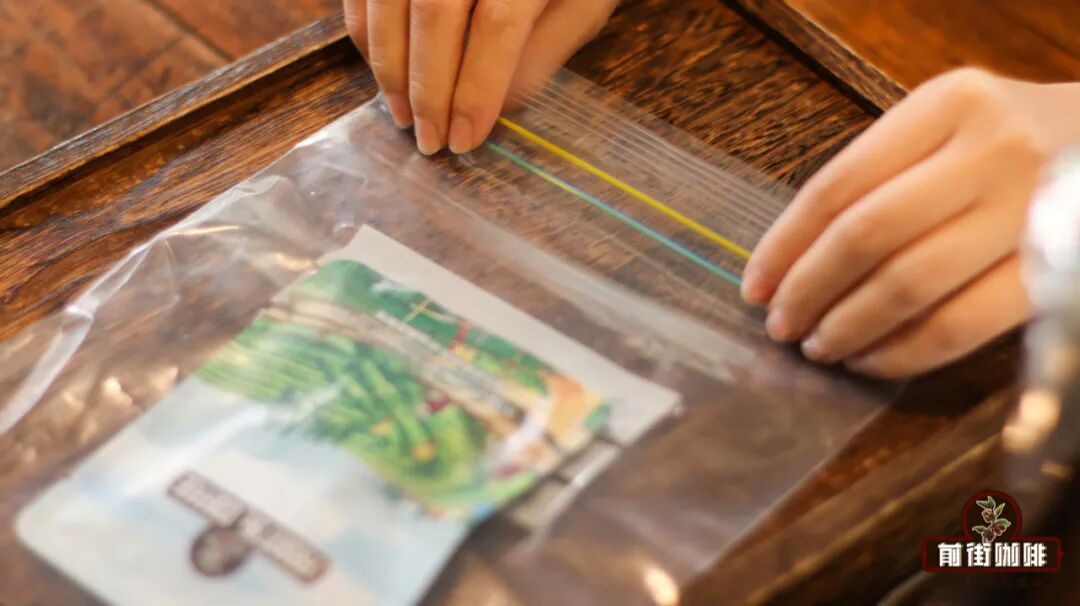
Let’s first discuss the correct way to freeze coffee beans. Many people, upon receiving freshly roasted coffee beans, put the whole bag directly into the freezer without any additional treatment. However, this approach can lead to two issues: first, the beans may absorb odors from other foods in the freezer, resulting in unwanted flavor contamination; second, if not sealed well, the beans can easily absorb moisture, accelerating aroma loss. Especially for bags with a degassing valve, it’s recommended to cover the valve with tape to prevent air exchange.

To further enhance preservation, it’s advisable to practice “portioned storage.” This means dividing a large bag of coffee beans into several smaller portions, each containing an amount suitable for a single brew, and then sealing each portion individually. This way, you only need to take out one portion at a time, avoiding repeated opening of the entire bag and exposing the unused beans to room temperature and humidity, which increases the risk of condensation.
If you’re unable to portion the beans precisely, at the very least, make sure to return the beans to the freezer promptly after each use to prevent moisture absorption caused by temperature differences. Additionally, you can place the original packaging inside a sealed bag or switch to airtight jars for storage — these methods usually provide better airtightness than standard zip-lock bags and help preserve the aroma more effectively.
Next, let’s talk about why frozen beans, if not adjusted for during brewing, often result in a significant loss of flavor. Frozen coffee beans have noticeably different physical properties compared to those at room temperature — including lower temperature and greater brittleness — all of which directly impact grinding and extraction performance. If no adjustments are made and you apply your usual brewing settings directly, you’re likely to end up with a brew that lacks aroma and has a thin body.
For example, we conducted a comparative test using the same Yirgacheffe · GuDingDing coffee beans. At room temperature, using standard pour over parameters (such as medium-fine grind, 93°C water temperature, 30-second bloom, etc.), the extraction yield of the beans was about 19.46%, exhibiting rich floral, lemon, berry, and oolong tea notes, with a smooth mouthfeel and long aftertaste. However, when using the same parameters to brew the same beans after freezing, the extraction yield dropped to 18.06%. While the flavors were broadly similar, the overall performance was noticeably weaker, and the mouthfeel was thinner.
So, how should we adjust our approach when using frozen beans to restore their intended flavor profile? There are two main strategies: adjusting brewing parameters to improve extraction efficiency, or thawing the beans first and then brewing them using the standard process.
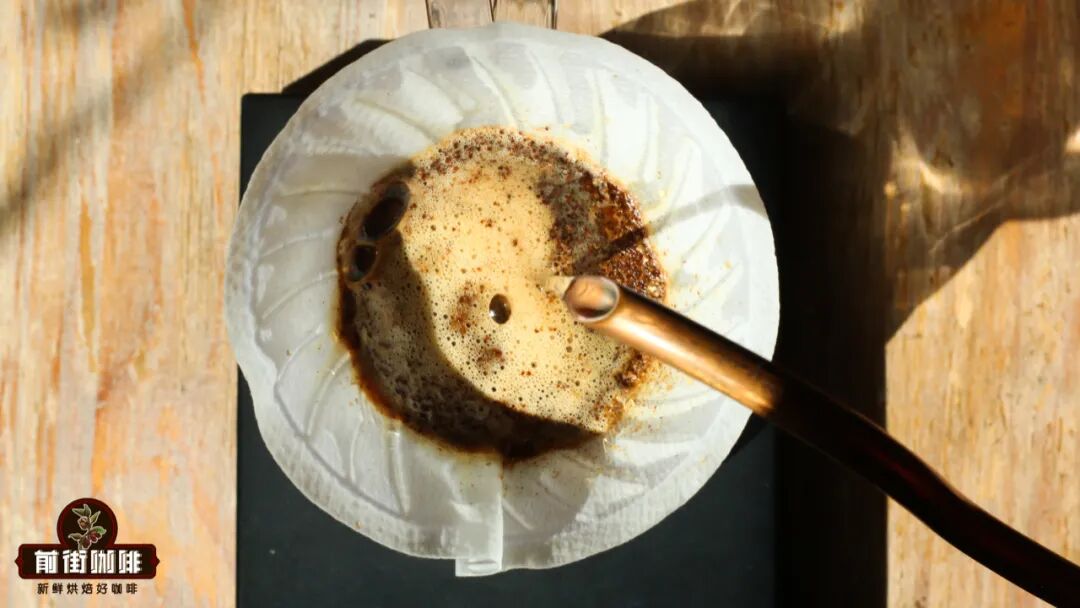
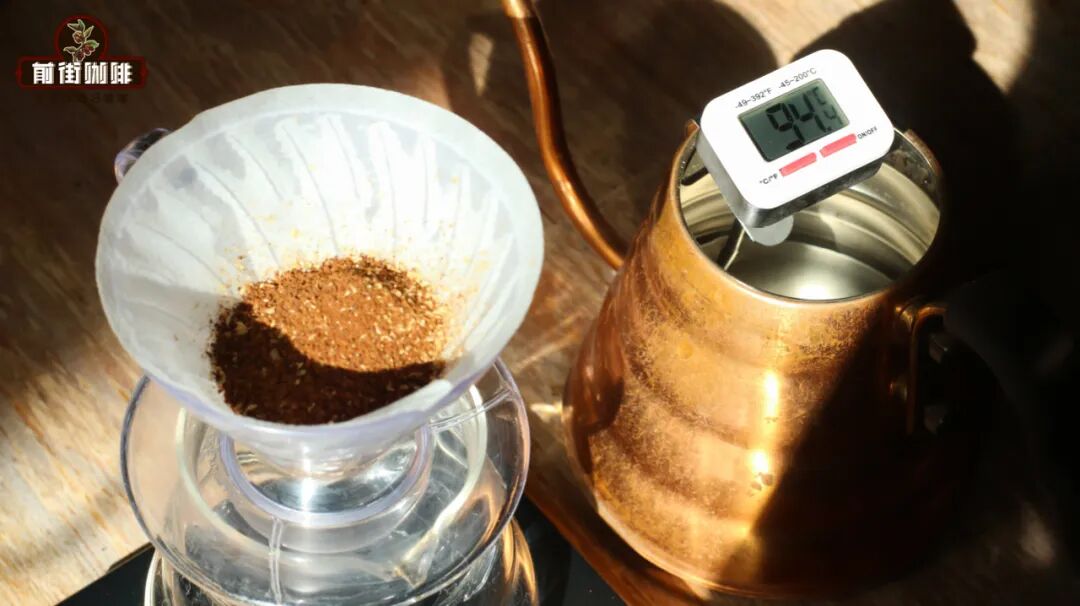
If you choose not to thaw the beans beforehand and brew them directly while frozen, it’s recommended to focus on improving extraction efficiency. For instance, you could slightly increase the water temperature (e.g., 94–95°C), extend the bloom time (e.g., 40–45 seconds), or grind the beans finer. These adjustments help compensate for the reduced heat transfer and extraction issues caused by the lower bean temperature, thereby improving the final cup quality.
Another simpler method is to take the beans out in advance and allow them to thaw naturally at room temperature for at least 30 minutes before brewing. By this point, the beans will have returned to near-room temperature, allowing you to use your familiar brewing parameters without additional adjustments. But be sure not to open the sealed packaging during the thawing process. Once you break the seal prematurely, the temperature difference between the inside and outside can cause condensation to form quickly on the bean surface, which not only risks moisture absorption but may also affect the uniformity of the grind and the consistency of extraction.


In summary, freezing can indeed serve as a supplementary method for extending the shelf life of coffee beans, but every step of the storage and brewing process requires careful attention. For beginners or those not yet familiar with pour over techniques, it’s recommended to first master room-temperature storage and basic brewing parameters before attempting frozen storage strategies, in order to avoid compromising the final flavor due to improper handling. Only when every detail is handled correctly can you truly enjoy the pure, unadulterated flavor charm of your coffee beans.
The above content is compiled by CoffeeHunters, a coffee news website.

