







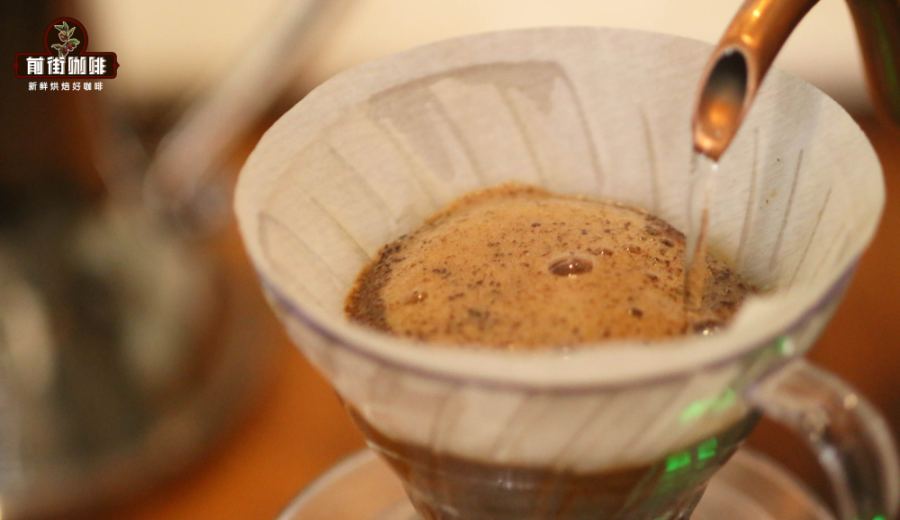
Introduction:One of the key factors in the flavor performance of pour over coffee lies in mastering the coffee-to-water ratio. Many people mistakenly believe that the more water, the better—but in fact, the coffee-to-water ratio directly affects the strength, flavor complexity, and extraction efficiency. This article delves into the differences between common ratios such as 1:15, 1:16, and 1:18, helping you understand how to adjust to your ideal golden ratio based on coffee bean characteristics, grind size, and brewing techniques, thereby elevating your pour over experience.
In the world of pour over coffee, the coffee-to-water ratio is arguably the first step that influences coffee flavor. The so-called “brew ratio” refers to the proportion of the weight of coffee grounds to the total volume of water used. A commonly mentioned “golden ratio” among beginners is 1:18, a figure originating from early research by the Specialty Coffee Association of America, primarily tailored to the general coffee bean quality and brewing conditions at the time. However, with advancements in coffee cultivation and processing techniques, we now have more flexibility to adjust the ratio according to beans from different regions and roast levels, extracting their optimal flavors.
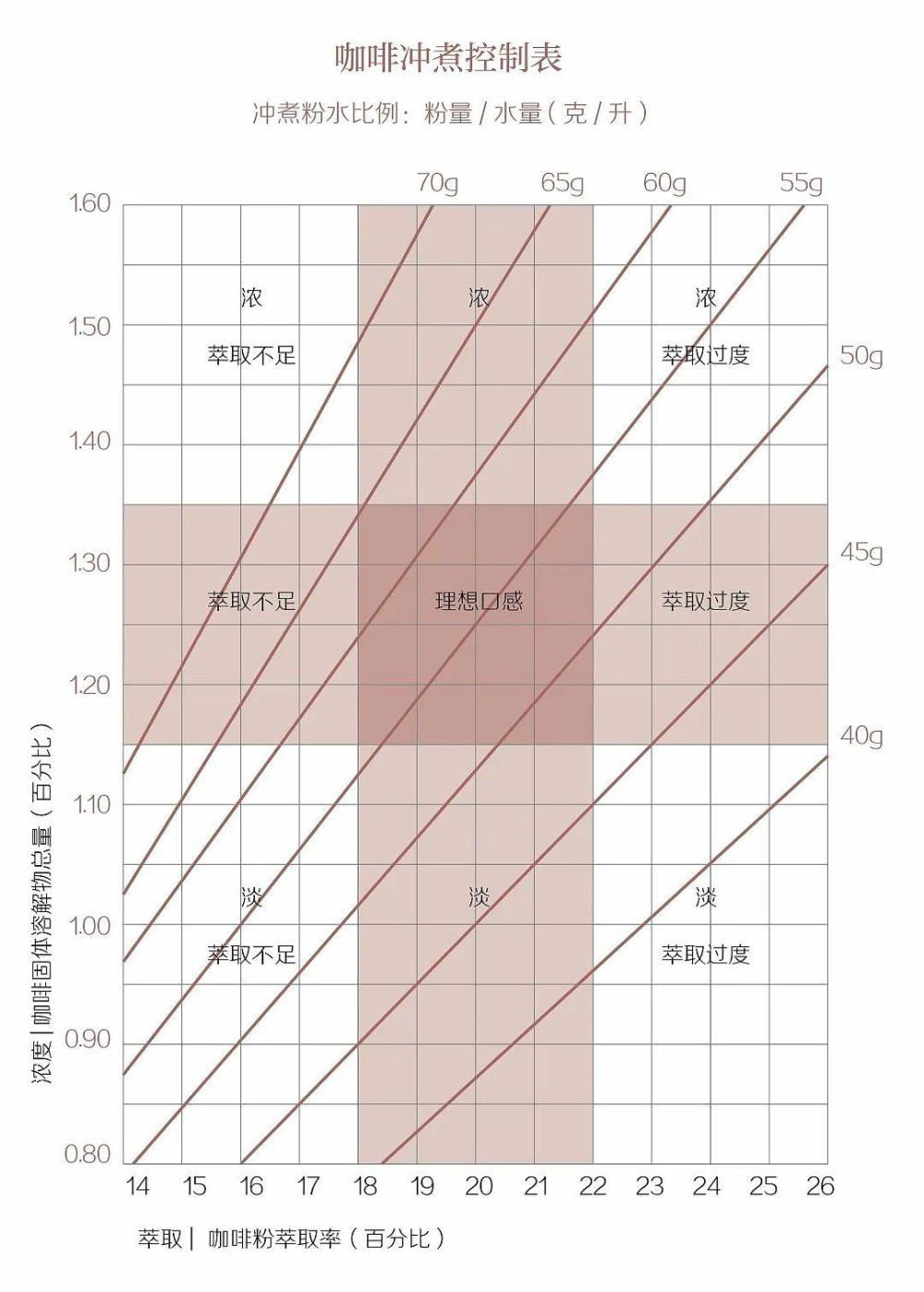
For example, common pour over ratios such as 1:15, 1:16, and 1:18 each yield distinctly different taste profiles. Taking 15 grams of coffee grounds as an example, 1:15 means using 225 milliliters of water, 1:16 uses 240 milliliters, and 1:18 uses 270 milliliters. These ratios not only determine the strength of the coffee but also influence the extraction yield—that is, the proportion of soluble flavor compounds released from the coffee. When more water is used, the overall coffee tends to be lighter and the flavors more dispersed; conversely, if too little water is used, although the concentration is higher, it can easily lead to over-extraction, resulting in bitterness and even suppressing the delicate aromatic layers.
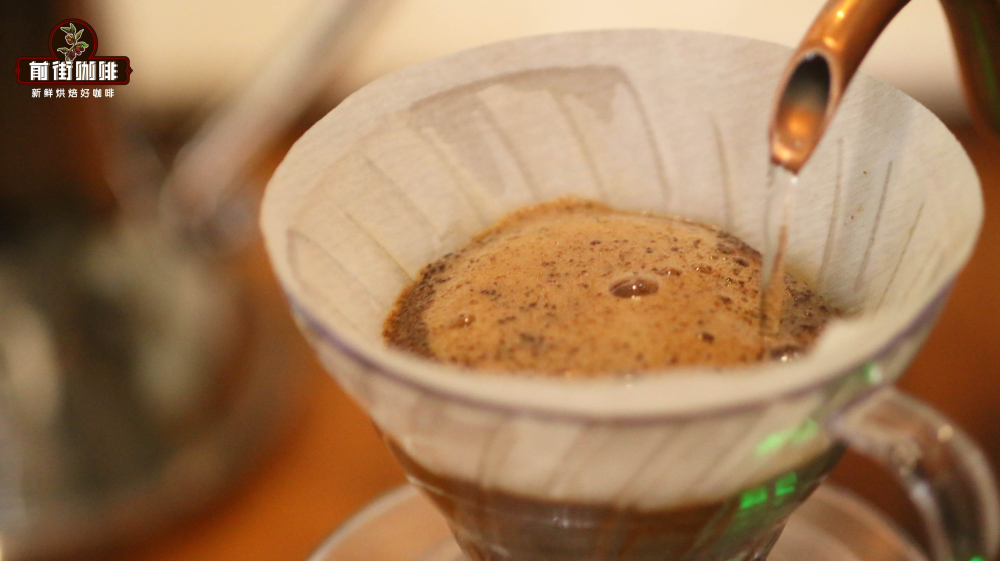
It’s important to note that the coffee-to-water ratio is not a fixed rule, but rather a reference guide that allows for flexible adjustments based on variables such as bean variety, roast degree, grind coarseness, and brewing technique. For instance, for bright and acidic beans like Ethiopian Yirgacheffe or Costa Rican natural processed beans, many roasters and baristas opt for a 1:15 or 1:16 ratio to enhance the clarity of fruity and floral notes and the vibrancy of acidity. Meanwhile, for fuller-bodied, low-acidity beans from Indonesia or Brazil, a 1:17 or even 1:18 ratio can better showcase their sweetness and body. Therefore, it’s recommended that beginners start within the range of 1:15 to 1:18, and make gradual fine-tuning adjustments based on personal taste preferences.
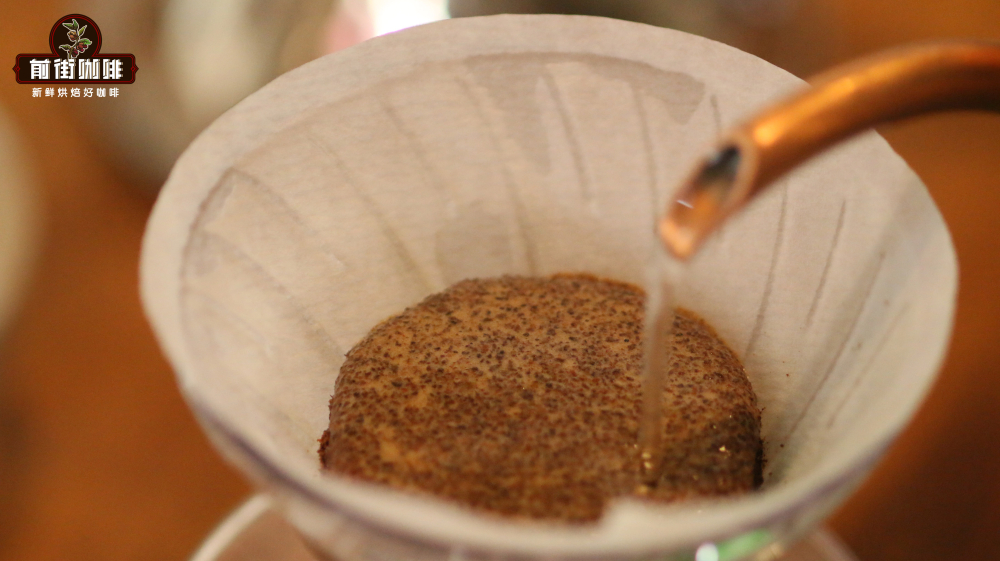
Additionally, many assume that “the more water poured, the more thorough the extraction”—but in reality, excessive water often leads to diminished extraction efficiency in the later stages, and may even release undesirable impurities and overly bitter substances. Ideal extraction should aim for balance—fully highlighting the desirable flavors in the coffee while avoiding over-extraction or under-extraction. Therefore, when setting the coffee-to-water ratio, it’s also essential to pay attention to parameters such as water temperature, grind size, pouring technique, and brew time, all of which directly impact the final cup.

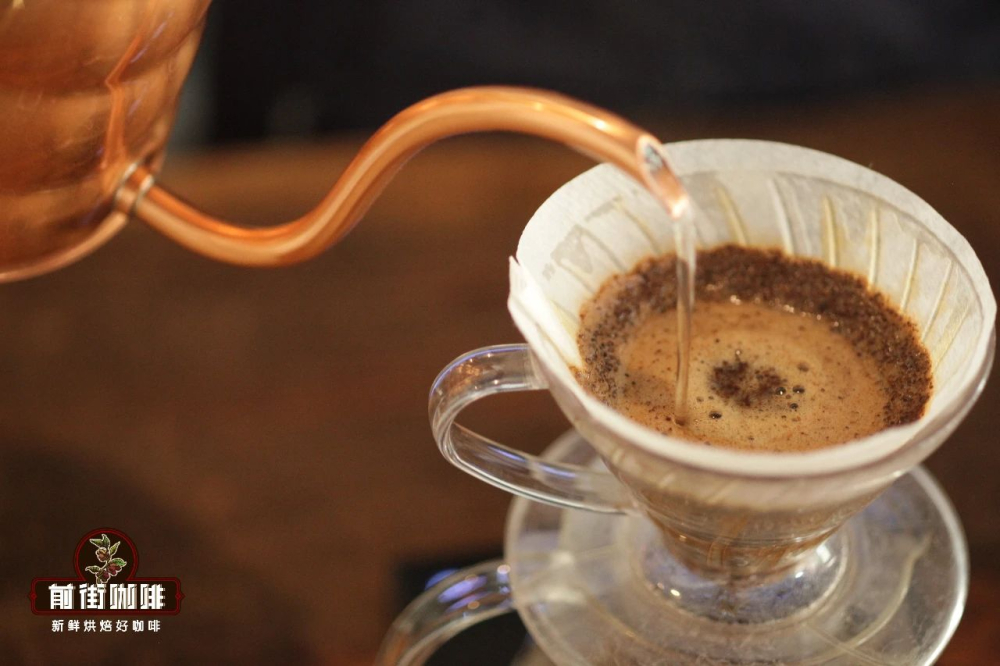
For those just starting out with pour over, it’s recommended to use the three-pour method, which helps achieve even extraction, enhances flavor complexity, and reduces the risk of over-extraction. For example, when using 15 grams of coffee grounds with a 1:15 ratio, the total water volume is 225 milliliters, which can be divided into three pours: the first pour of 30 milliliters for a 30-second bloom to awaken the coffee grounds; the second pour of about 95 milliliters to steadily raise the coffee bed; and the final pour of 100 milliliters to complete the extraction. This method not only controls the pace of extraction but also helps observe flavor changes after each pour, cultivating a keener sensitivity to the coffee.
In summary, one of the charms of pour over coffee is the ability to highlight the unique personality of each coffee bean by adjusting the coffee-to-water ratio and other parameters. Whether you prefer a rich and full-bodied cup or a bright and refreshing one, as long as you grasp the fundamental logic of the coffee-to-water ratio and continuously experiment and fine-tune through hands-on practice, you’ll gradually find your own golden ratio and enjoy the endless pleasures of pour over coffee.
The above content is compiled by CoffeeHunters, a coffee news website.


