







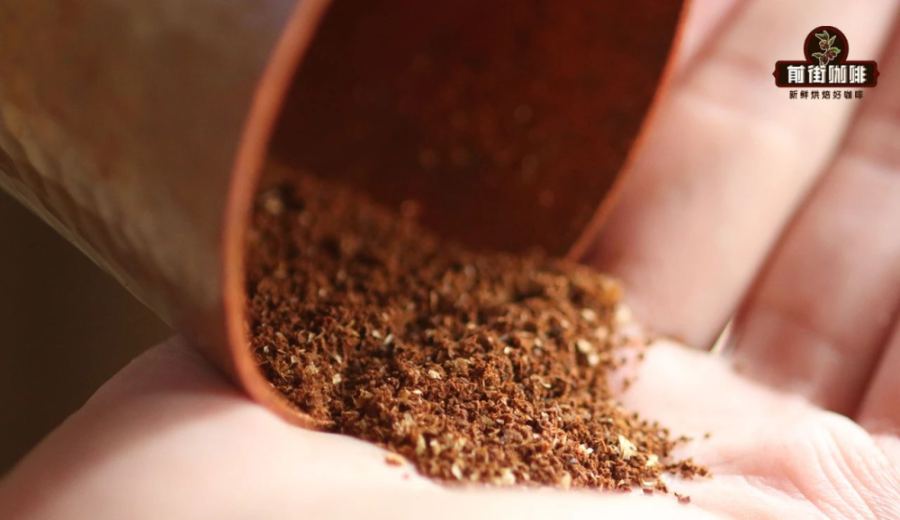
Introduction:The flavor profile of pour over coffee is significantly influenced by grind size—one of the key variables. The appropriate fineness or coarseness of coffee grounds not only affects extraction efficiency but also directly determines the coffee’s strength, body, and aroma expression. This article will delve into the grind size standards for pour over beans, covering everything from 20-mesh sieve passing rates to recommended ranges for different brewing devices, helping you master grind details precisely to brew coffee with your desired flavors.
For pour over enthusiasts, in order to brew a cup of coffee with balanced flavors and rich layers,the grind size of coffee beansis an equally crucial factor that should not be overlooked. The size and uniformity of coffee particles determine the contact area and time between water and coffee grounds, thereby affecting the extraction rate and the final flavor characteristics.
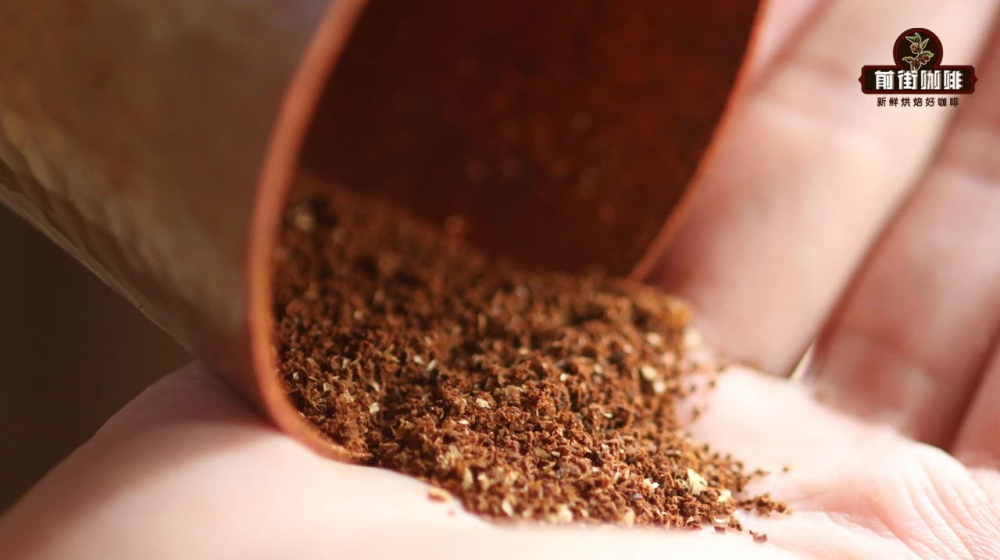
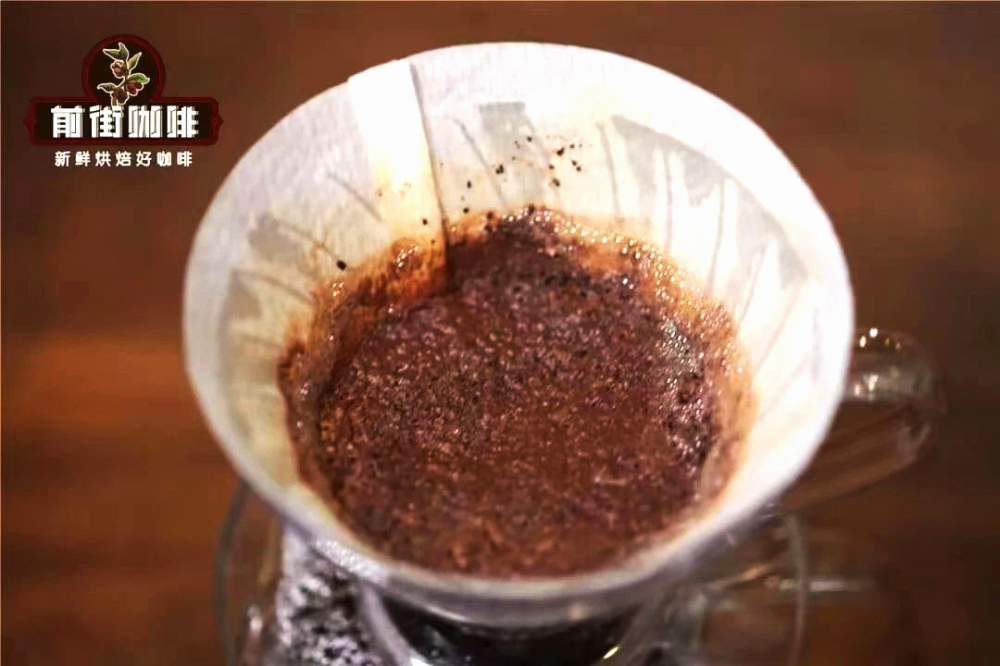
Simply put, when all other conditions remain constant, the finer the coffee is ground, the greater the contact surface area with water, the more flavor compounds are extracted, and the higher the extraction rate—resulting in a typically richer-tasting coffee. Conversely, if the grind is too coarse, the contact area is smaller, leading to under-extraction and a coffee that may taste thin and bland. Additionally, the density of the coffee bed also impacts water flow rate: overly fine grinds can cause clogging, prolonging extraction time, while overly coarse grinds allow water to pass through too quickly, resulting in incomplete extraction.
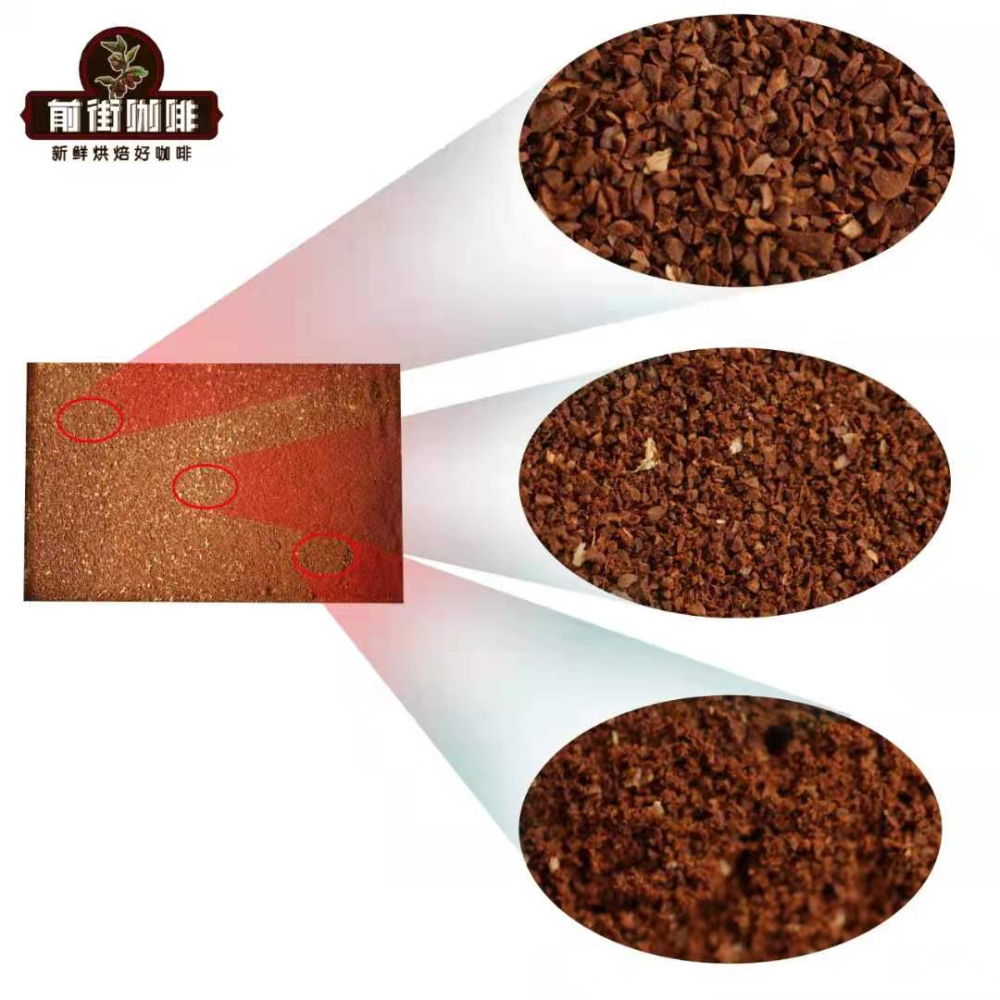
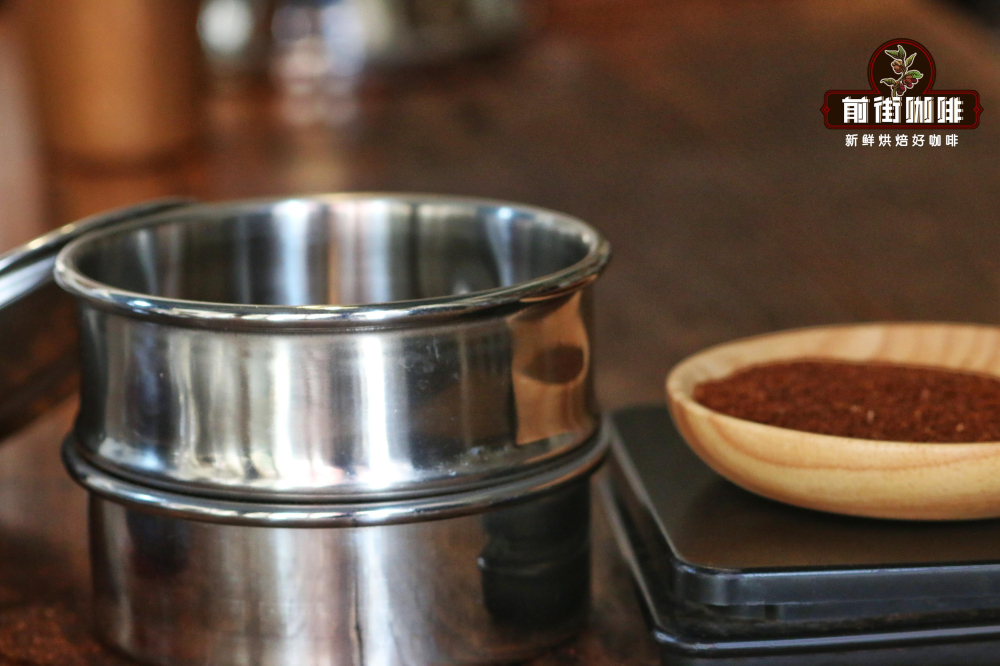
So, how fine should the coffee grounds be for pour over? The industry often refers tothe 20-mesh sieve passing rateas a reference standard for grind size. Generally, a passing rate of 70% to 80% is recommended for pour over coffee, striking a balance between extraction efficiency and flavor clarity. However, the optimal grind size can vary slightly depending on the roast level: for medium-light roasted beans, a passing rate of 75% to 80% is suggested to fully highlight fruity notes and acidity; for medium-dark roasts, a rate of 70% to 75% is advised to avoid excessive bitterness from over-extraction.
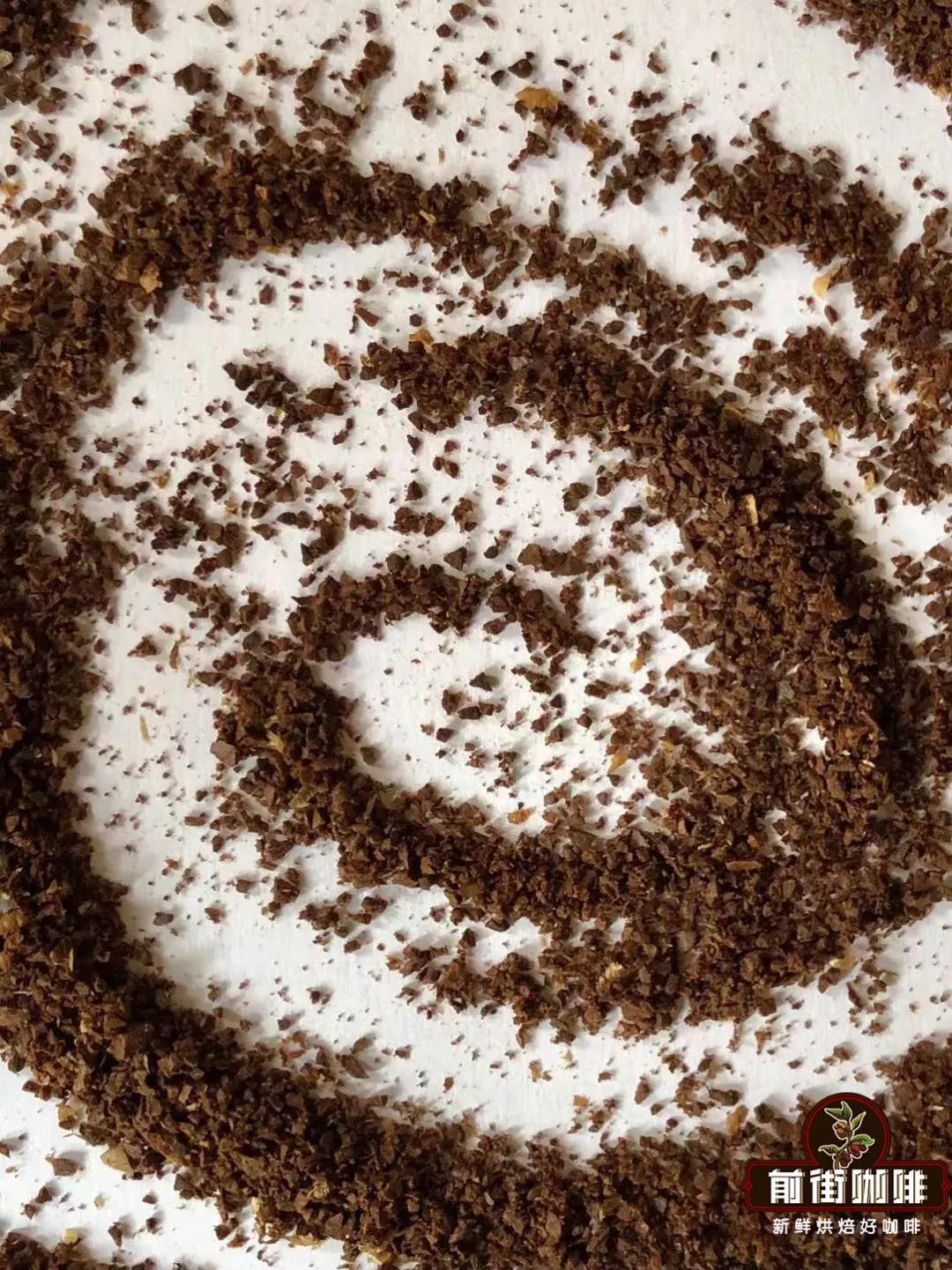
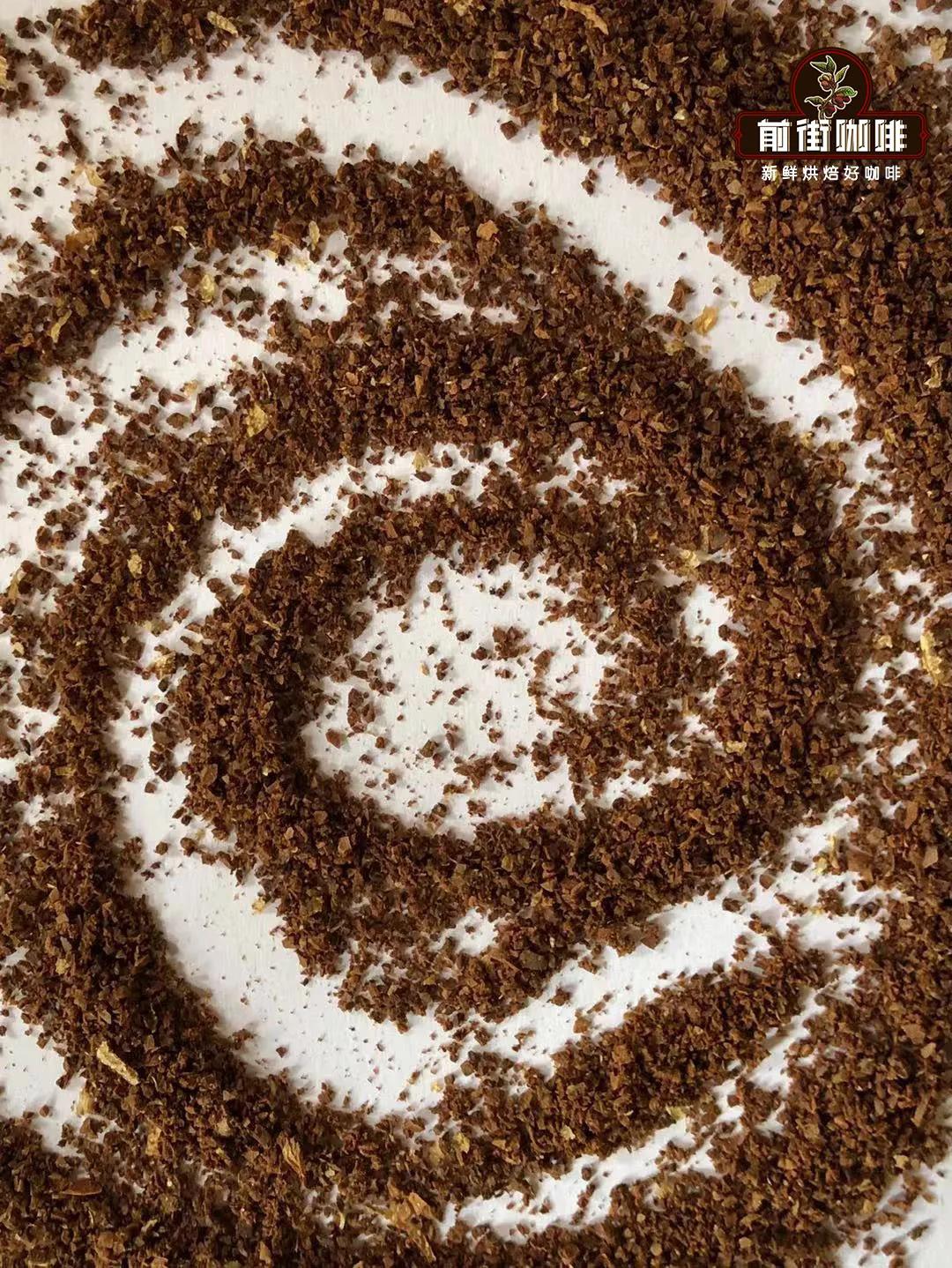
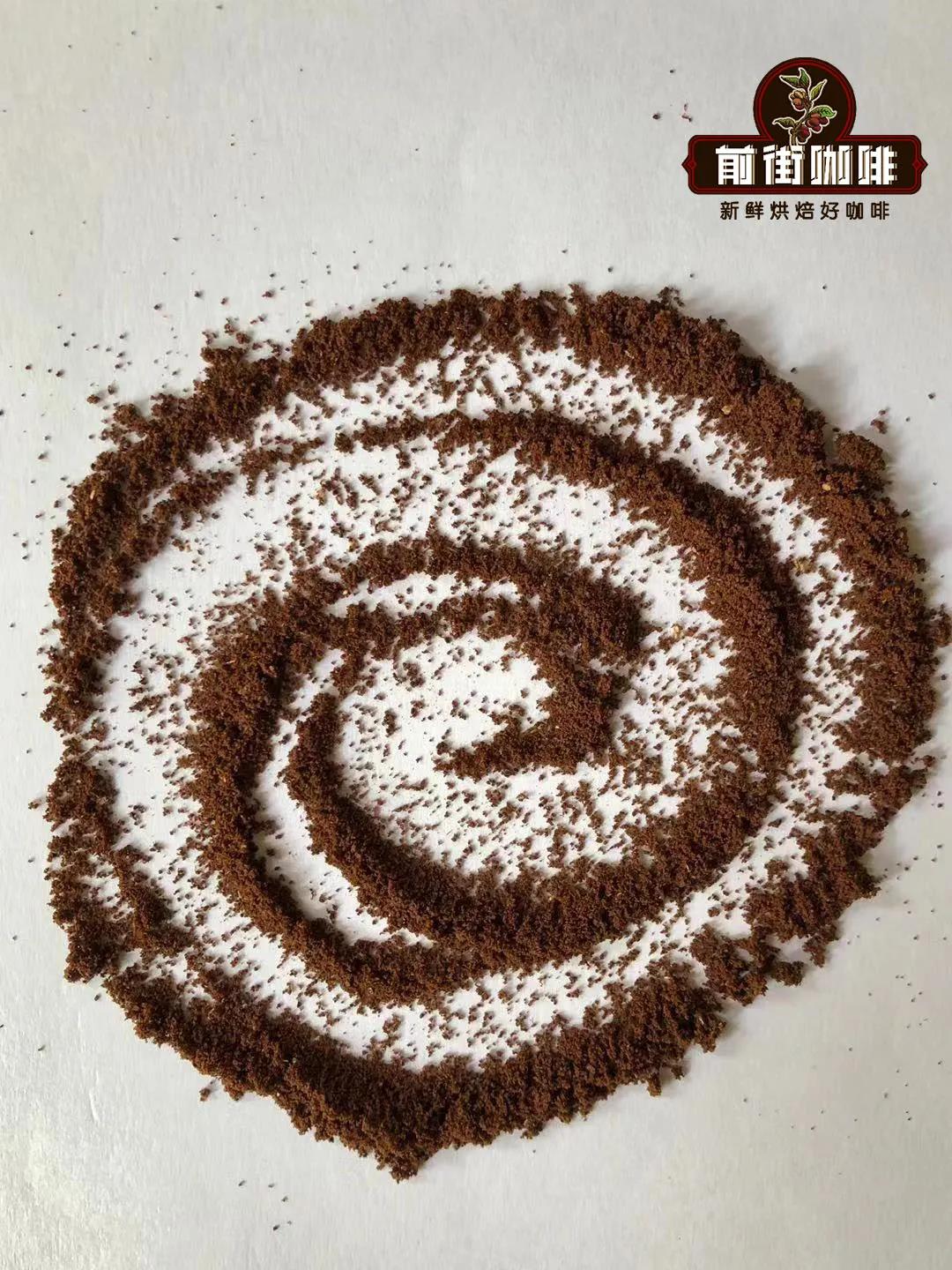
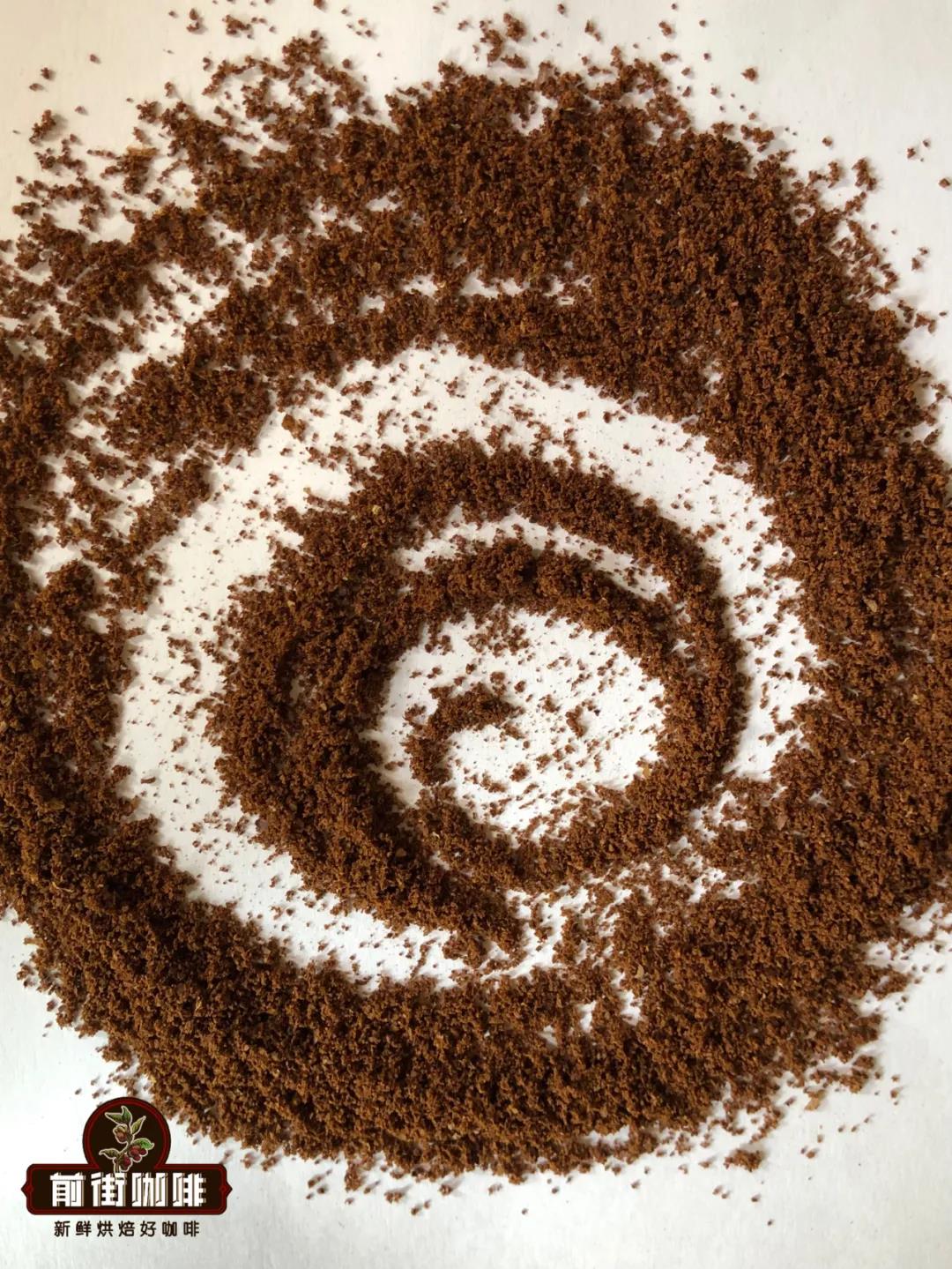
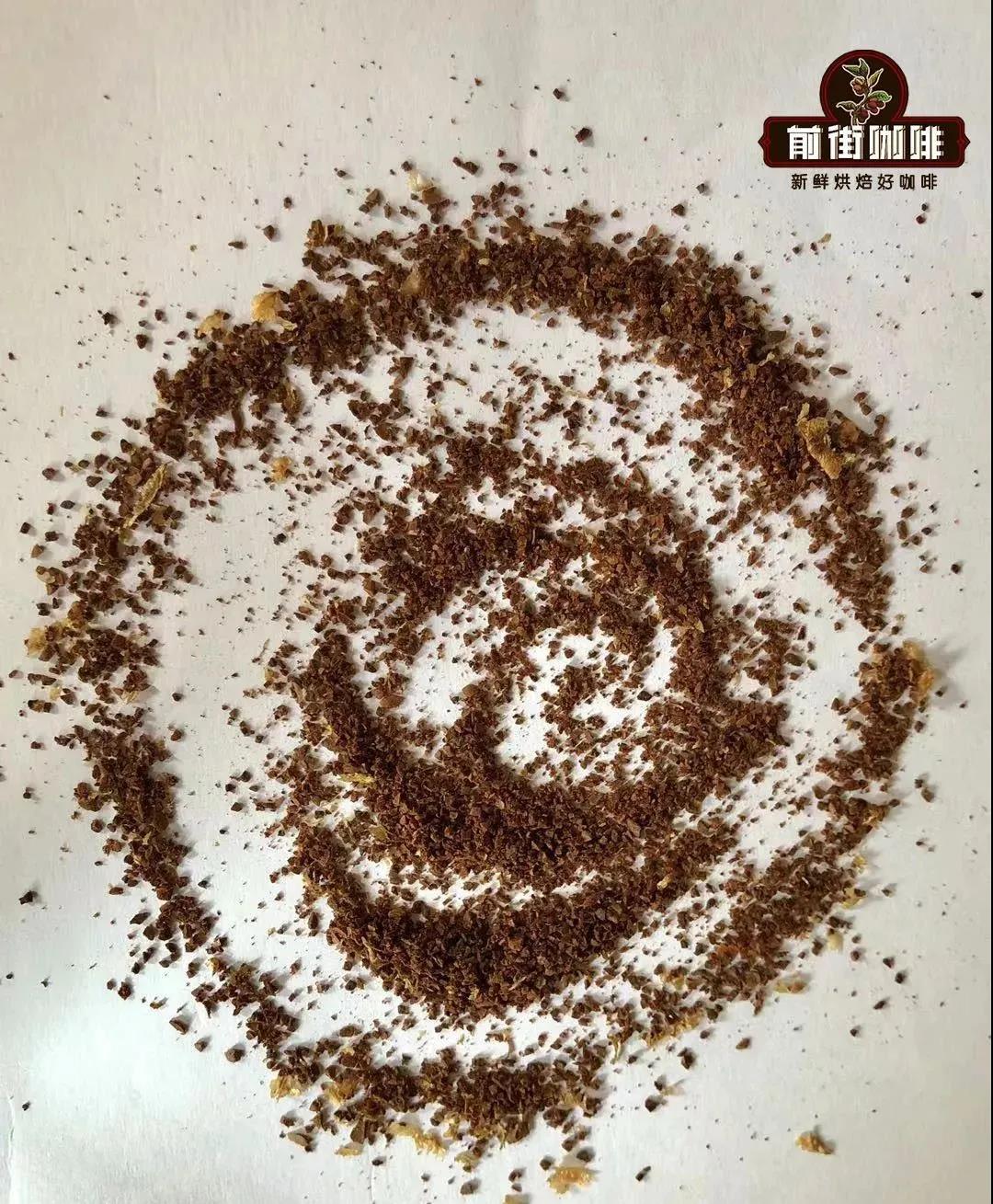
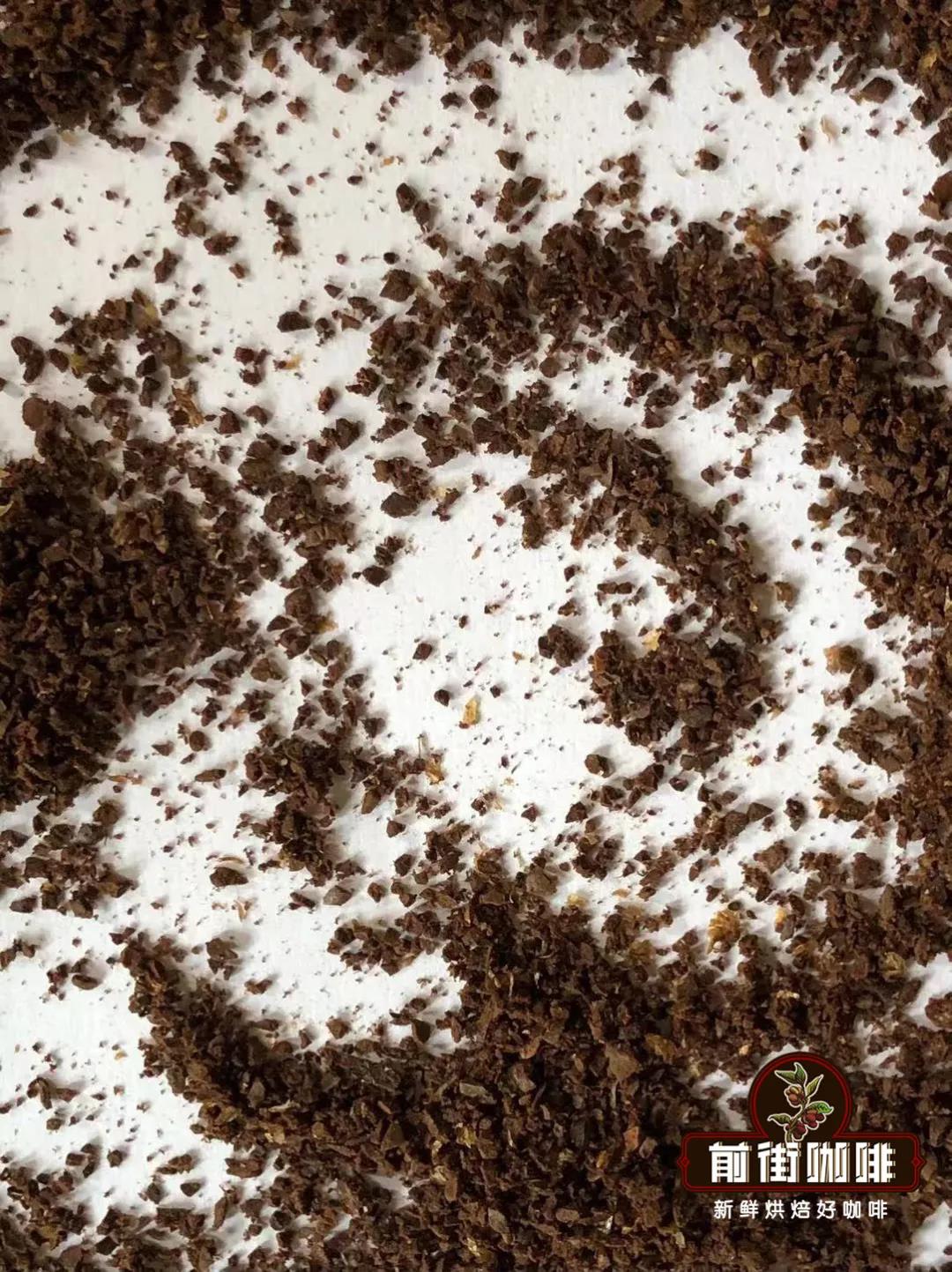
To better visualize grind coarseness, you can refer to a comparison chart of sieve passing rates. Coffee grounds with a passing rate of 70% to 75% are slightly coarser and are suitable for those who prefer lighter-bodied cups or use certain types of filters (such as V60-style or cone-shaped paper filters); a passing rate of 75% to 80% results in finer particles, yielding a fuller flavor and richer body—making it the preferred range for many pour over enthusiasts.
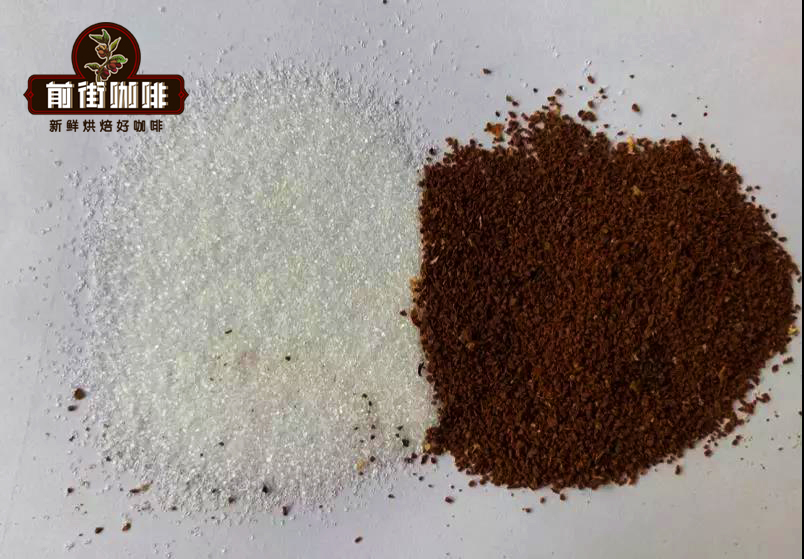
It’s worth noting that even when using the same grinder and settings, actual grind particle size may still vary depending on the origin or density of the coffee beans. For instance, certain African and Central/South American beans may yield different passing rates even at the same grind setting. Therefore, it’s recommended that brewers conduct sieve tests with their specific beans to confirm the most suitable grind coarseness.
If the coffee is ground too fine, the reduced space between particles restricts water flow, prolonging extraction time and easily leading to over-extraction. This can result in bitter or astringent tastes, masking other delicate flavors, and the coffee bed may become muddy, making it difficult to observe the extraction process. On the other hand, if the grind is too coarse, water flows through too quickly, leading to short extraction time and insufficient extraction of flavor compounds, resulting in a thin, dull cup lacking depth and aroma.
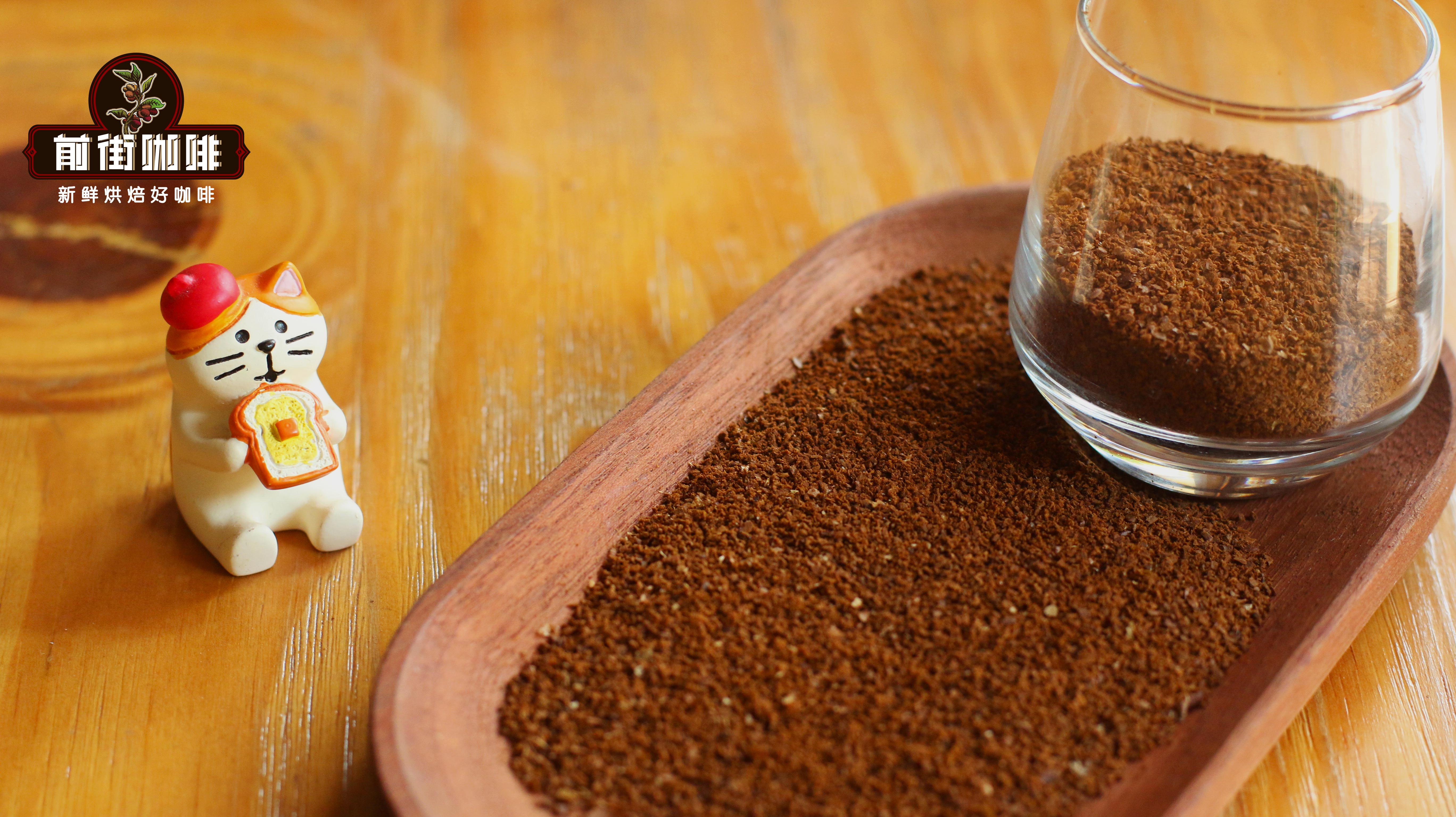
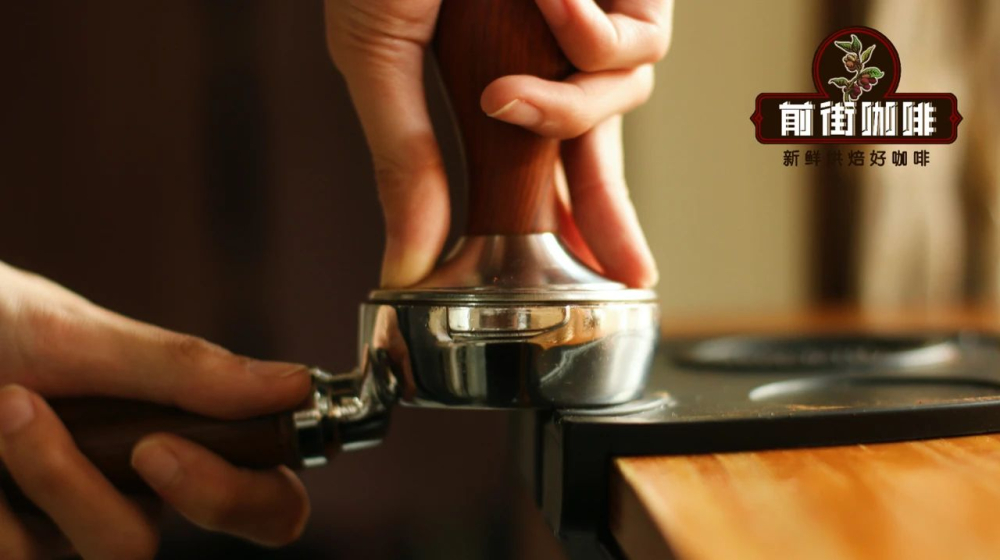
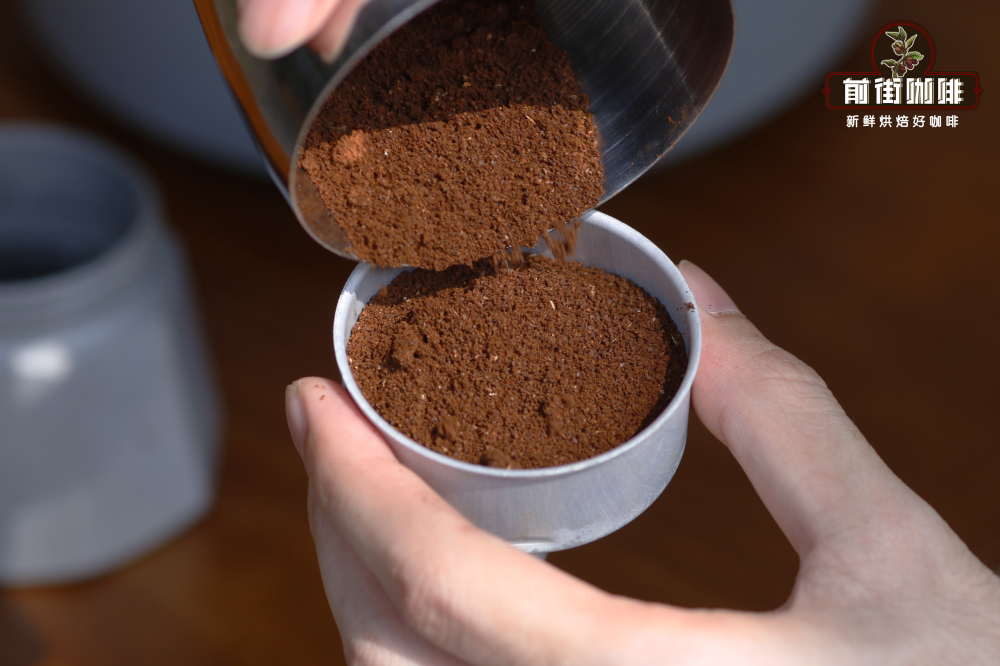
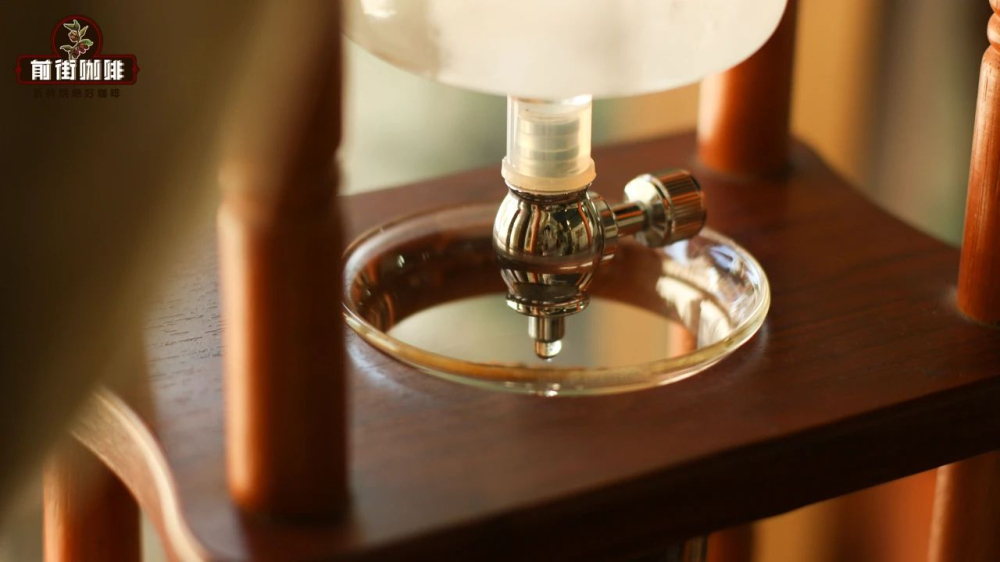
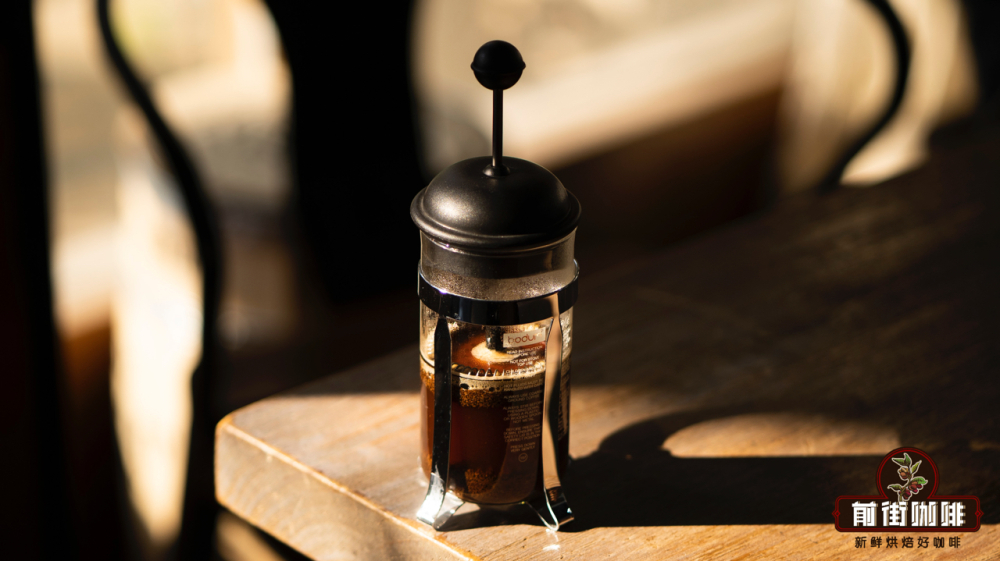
Beyond pour over, different brewing methods also require varying grind sizes. Generally speaking, the order from coarsest to finest is: French press > pour over > cold brew / cold drip > espresso machine. French press, which uses immersion and has a coarser filter, requires a coarser grind—typically a 20-mesh sieve passing rate of 65% to 70%, and slightly coarser for medium-dark roasts. Cold brew and cold drip, due to their low-temperature and slow extraction environments, suit a slightly finer grind, with a recommended passing rate of 80% to 85%, adjustable based on personal taste. Espresso machines, on the other hand, require an extremely fine grind that cannot be measured by the 20-mesh sieve, and the ideal grind must be determined through actual extraction testing and flavor adjustments.
In summary, mastering the grind size for pour over is a fundamental step in enhancing the stability and expressiveness of coffee flavors. It is recommended that brewers familiarize themselves with the use of a 20-mesh sieve, regularly test the passing rate of their coffee grounds, and flexibly adjust grind parameters according to bean roast level, personal taste, and the brewing device used, gradually identifying the most suitable grind settings for their individual preferences.
The above content is compiled by CoffeeHunters, a coffee news website.


