








Introduction:Want to understand the fundamental differences between espresso and Americano? This article delves into the flavor profiles of both, guiding you through the key factors in selecting high-quality espresso beans—from the science behind crema formation to blend ratios—helping you find the coffee experience that suits your taste.
The Unique Charm of Espresso
Espresso is renowned for its rich and intense flavor. At first sip, it may seem strong, but once you get used to it, you can appreciate its layered complexity. This type of coffee not only serves as a benchmark for evaluating coffee bean quality, but also showcases the barista’s skill.
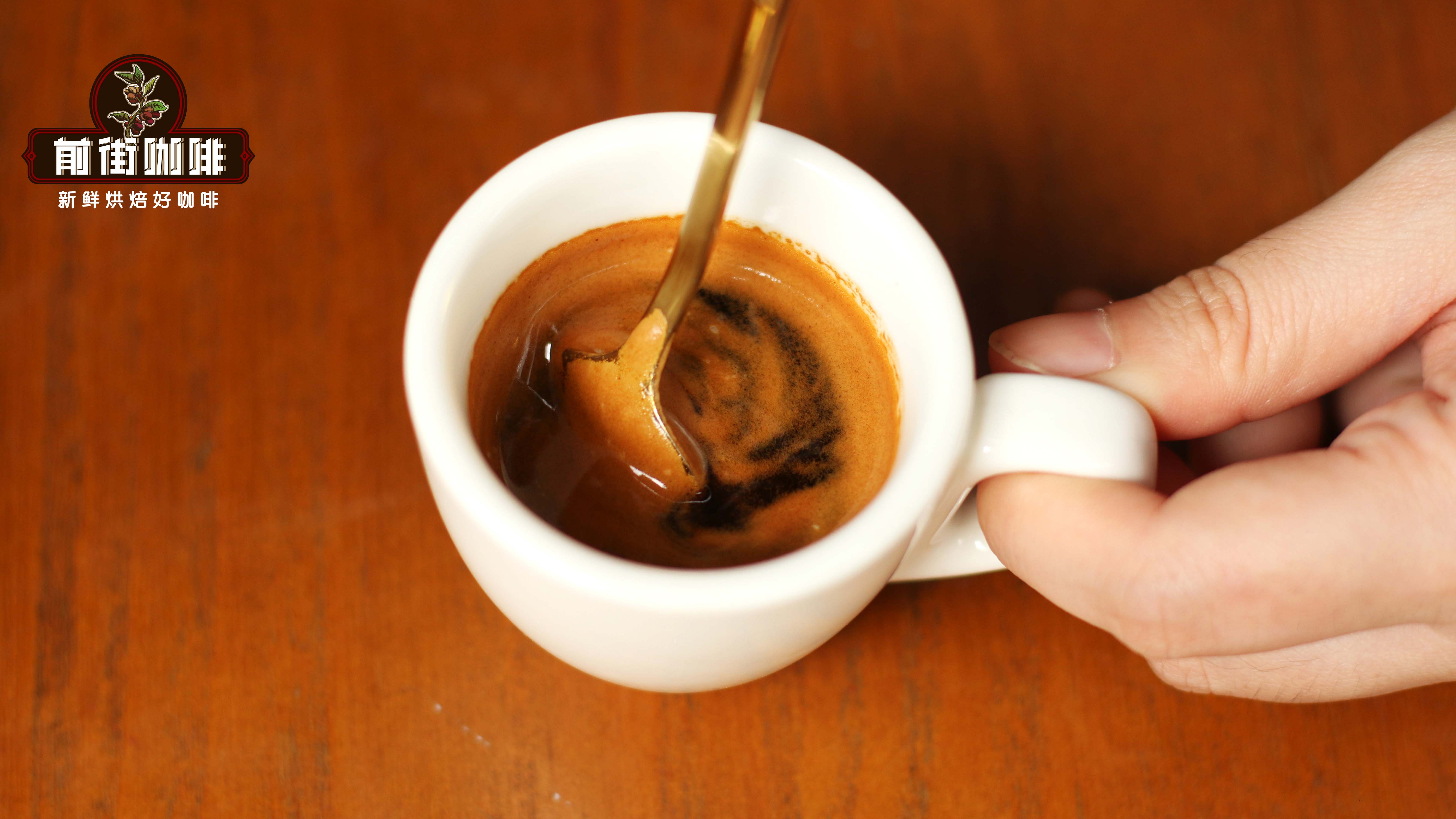
The Mechanism Behind Crema Formation
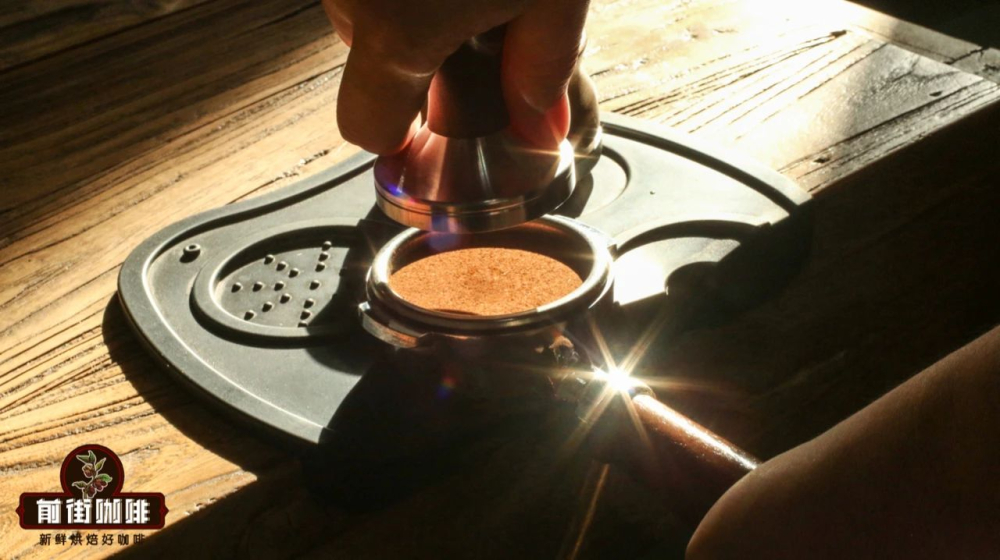
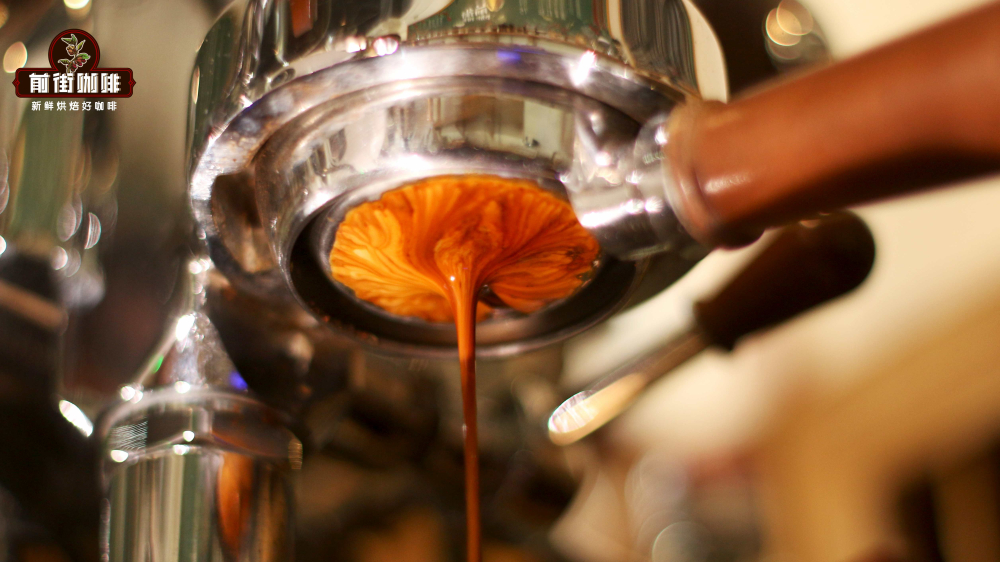
When freshly extracted, a layer of golden crema forms on the surface of espresso. This famous crema is produced thanks to the high-pressure extraction environment of 9 bar. Under this pressure, the combination of water temperature and pressure emulsifies the natural oils in the coffee while releasing the carbon dioxide trapped in the coffee grounds, forming this signature foamy layer.
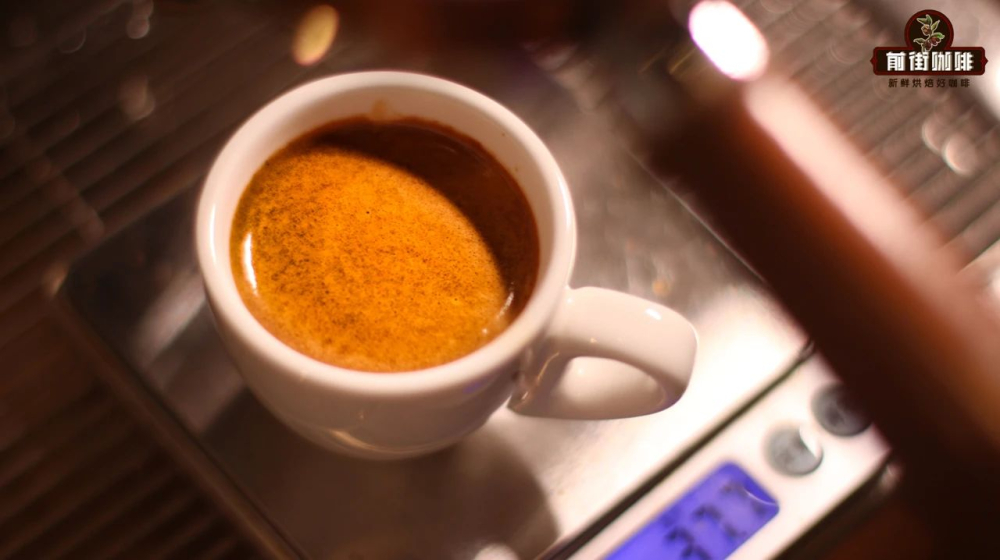
The Fundamental Difference Between Espresso and Americano
The origin of Americano can be traced back to World War II when American soldiers, unaccustomed to Europe’s very strong espresso, diluted it with water. This method gradually evolved into what we now call Americano. Its core characteristic is controlling concentration by adjusting the ratio of espresso to water, typically using a 1:6 coffee-to-water ratio (e.g., 40g of coffee liquid to 240g of water).


The Key to Americano Flavor
The flavor of a good Americano entirely depends on the quality of the espresso used. Common flavor flaws include bitterness from over-extraction, sourness from under-extraction, and a watered-down taste due to improper water proportions. The ideal state should be balanced and mellow, with no noticeable off-flavors.

The Art of Blending Beans
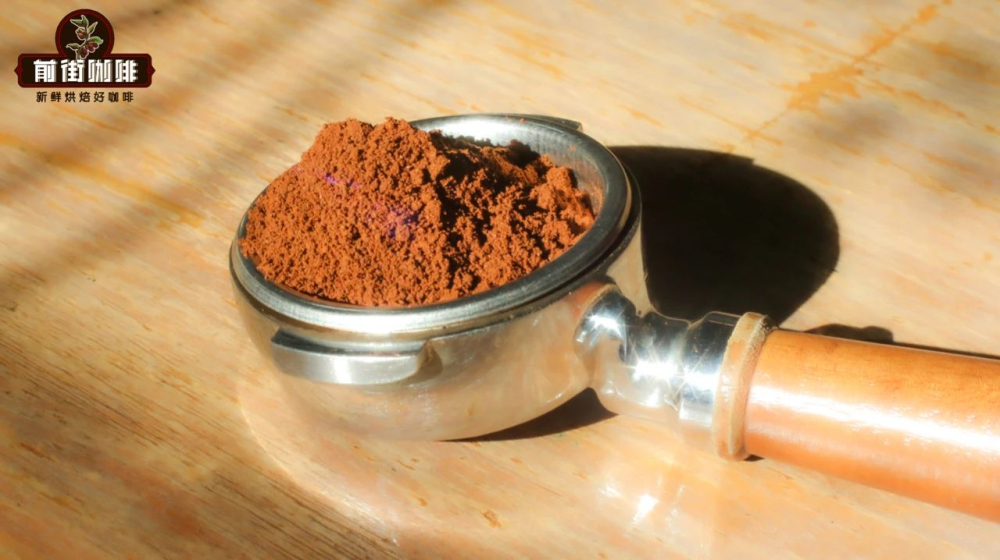
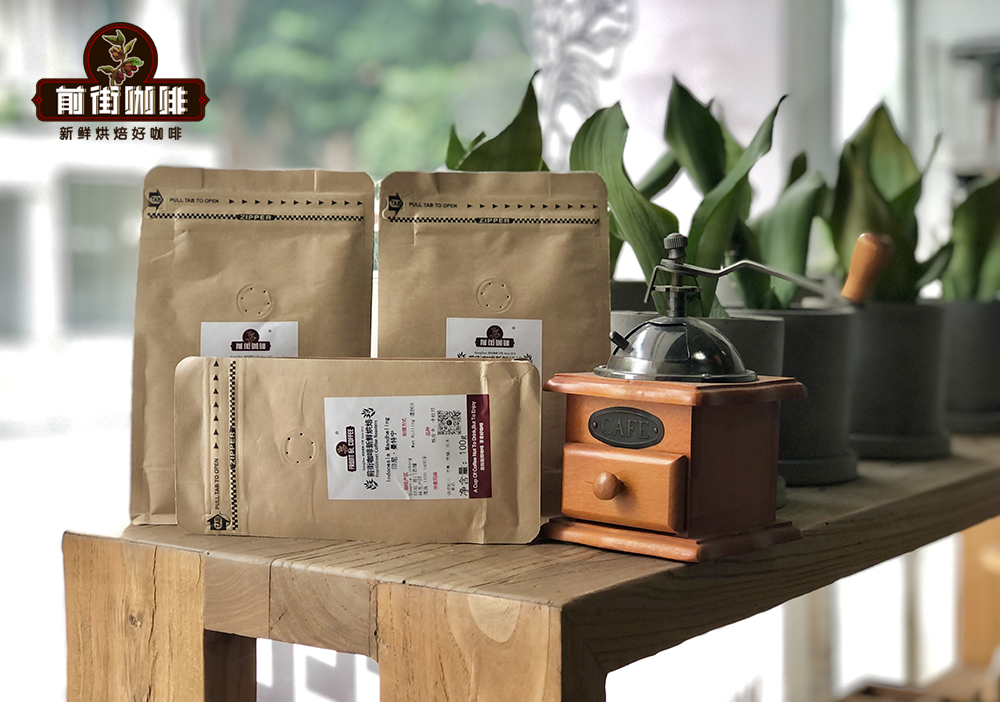
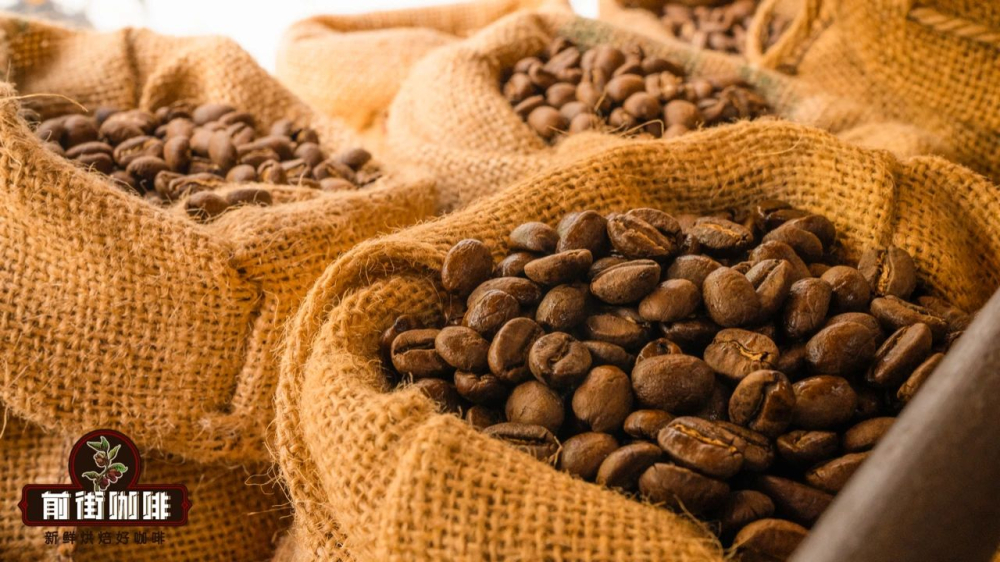
Espresso often uses blended beans to achieve a balanced flavor. Blending involves mixing coffee beans from different origins in specific proportions to complement each other’s strengths. For example, beans with prominent aromas can be paired with those offering smooth body to create a richer taste experience. Professional blending requires consideration of each bean variety’s origin characteristics, roast level, and flavor profile.

Analysis of Classic Blending Formulas
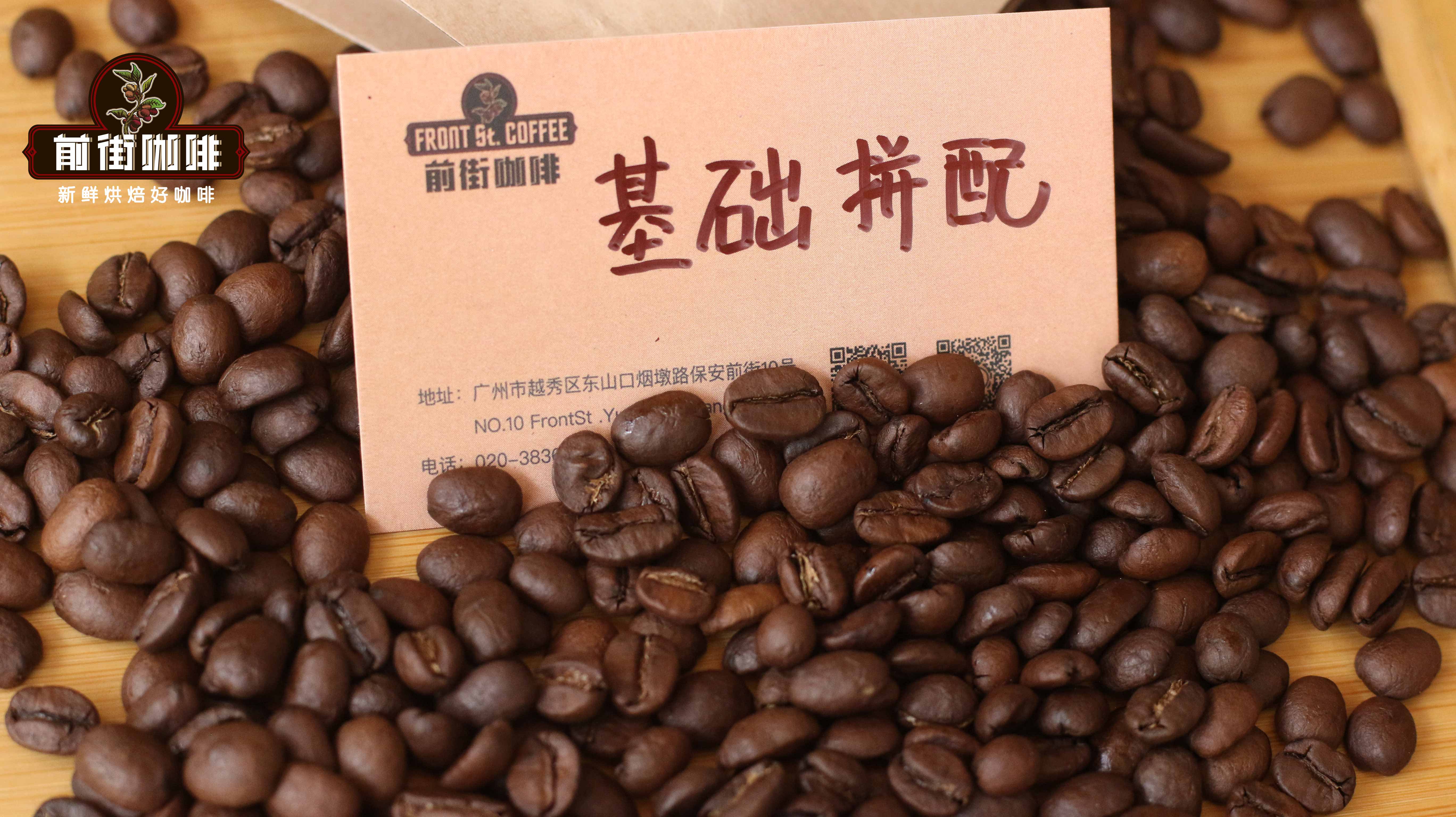
Commonly seen espresso blends in the market include: balanced blends (e.g., 30% Guatemala, 30% Colombia, 20% Brazil), bitter-dominant blends (e.g., 30% Colombia, 60% Brazil, 10% Robusta), acidity-forward blends (e.g., 40% Tanzania, 20% Yirgacheffe), and winey-rich blends (e.g., 60% Honduras Sherry, 40% Yirgacheffe), among various other combinations. Each has its unique flavor traits and suitable usage scenarios.




Professional Extraction Parameters Reference
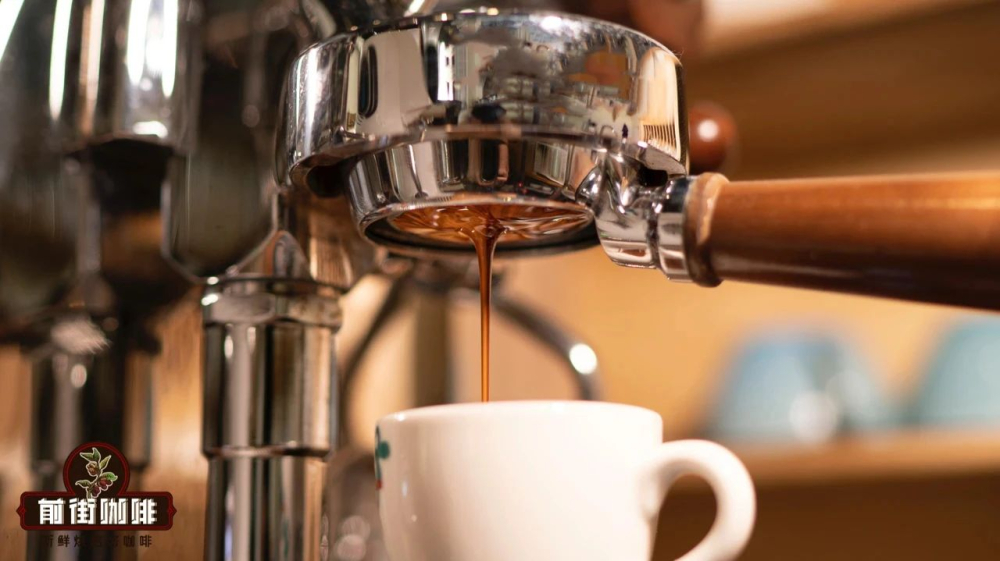
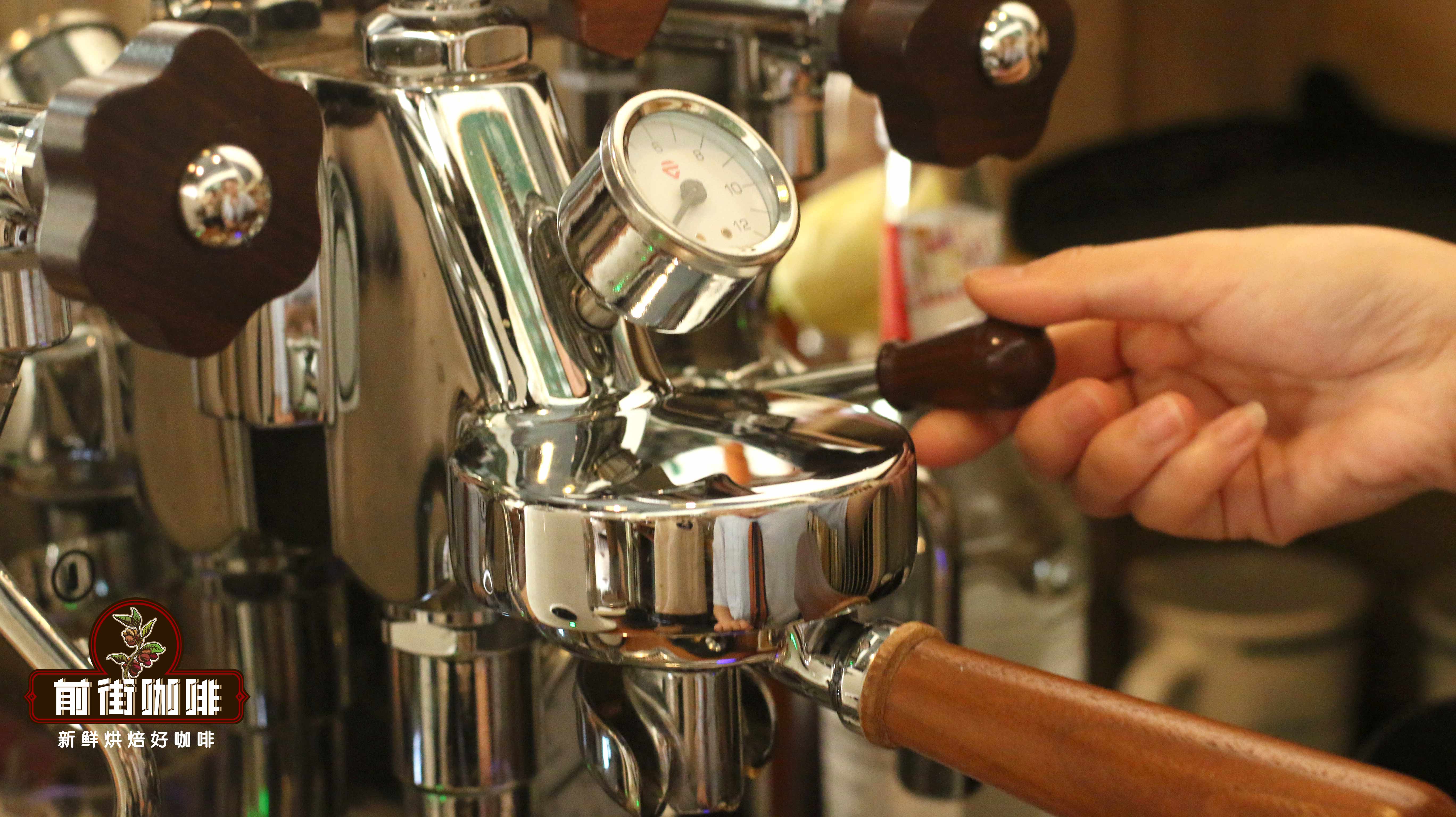
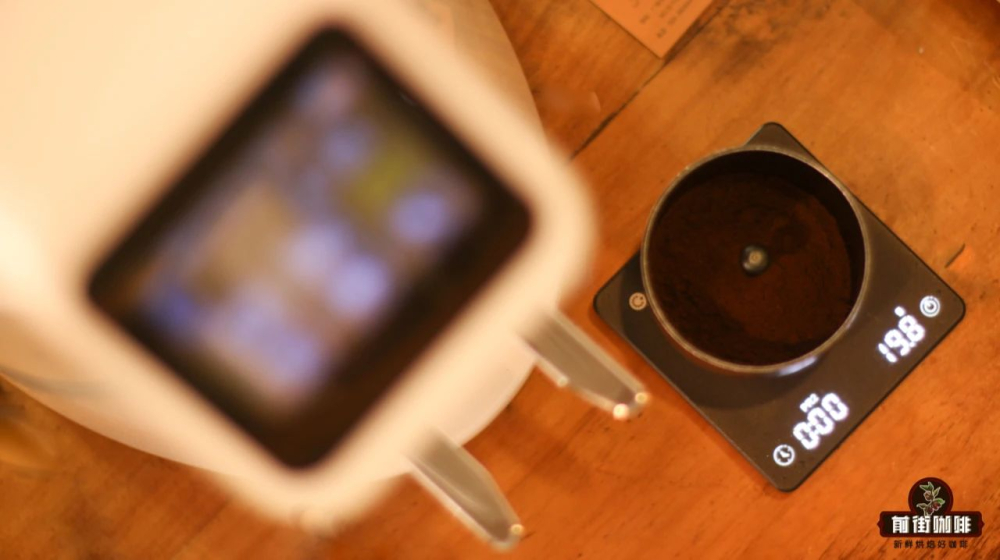
Ideal espresso extraction parameters are: pressure at 9 bar, water temperature between 90.5–96°C, extraction time of 20–30 seconds, and a coffee-to-water ratio of 1:1.7 to 1:2. The specific amount of coffee grounds is adjusted based on single or double shot needs (12g for single, 20g for double), with target yields of 20ml for a single shot and 40ml for a double. These parameters may need fine-tuning based on the actual characteristics of the coffee beans used.
The above content is compiled by CoffeeHunters, a coffee news website.

