







Introduction:The world of coffee is vast and varied, and beginners often find themselves torn between "espresso, Americano, and pour over." This article takes an in-depth look at the origins, brewing methods, flavor profiles, and target audiences of these three major types of coffee, supplemented with key parameters and practical tips to help you find the most suitable entry point. Whether you're looking for a quick pick-me-up or a nuanced tasting experience, you'll find your answer here.
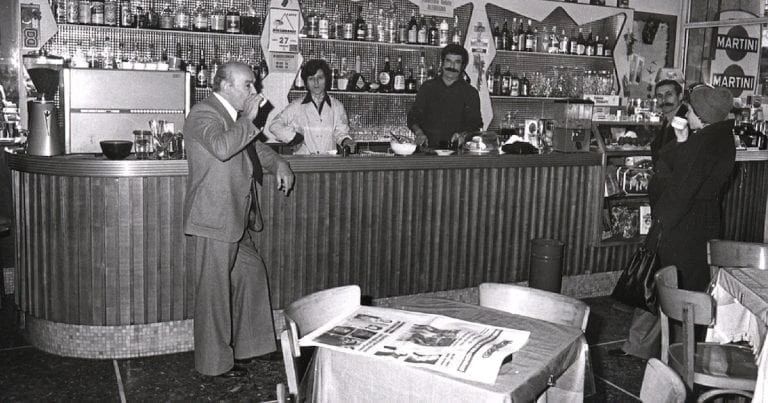
From the street corners of Italy in the early 20th century to the coffee shop counters of major cities around the world today, the form and culture of coffee have continuously evolved. Among them, espresso, Americano, and pour over are arguably the three most well-known types, each representing different brewing philosophies and consumption habits.
[Espresso: The Essence of Concentration]
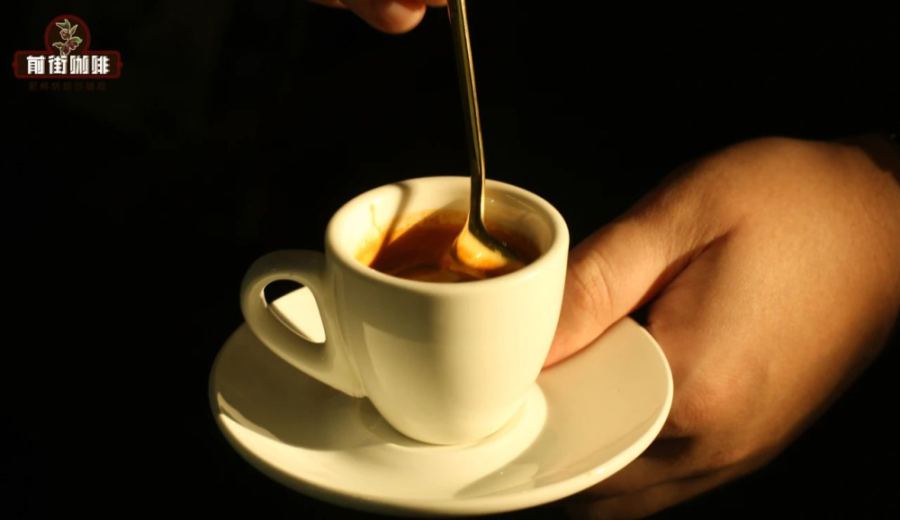
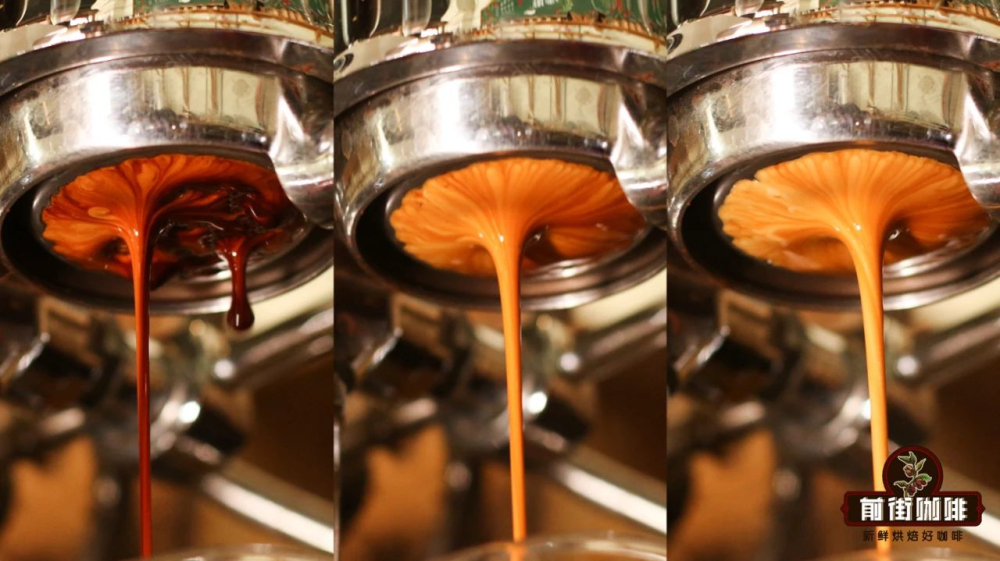
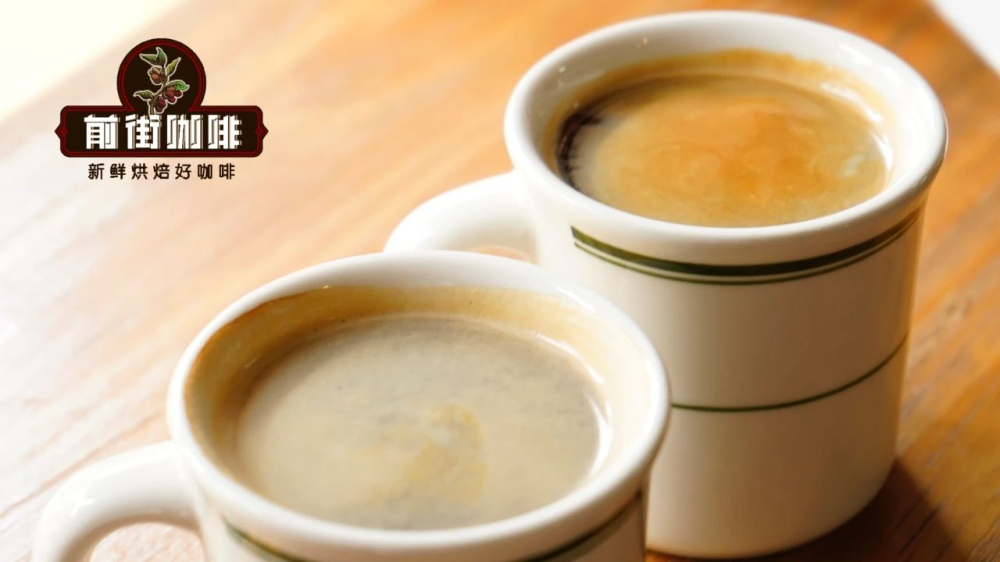
Espresso is considered the cornerstone of modern coffee culture, born from the ultimate extraction under high pressure and high temperature. Using water near boiling point (around 92–94°C), under 9 bar of pressure, and through a finely ground and tightly tamped coffee puck, it extracts about 30–60 ml of concentrated liquid in just 20–30 seconds. This process forms a thin, golden to dark brown layer of crema on the surface — a dense emulsion that not only carries significant flavor but also serves as one of the indicators of a successful extraction.
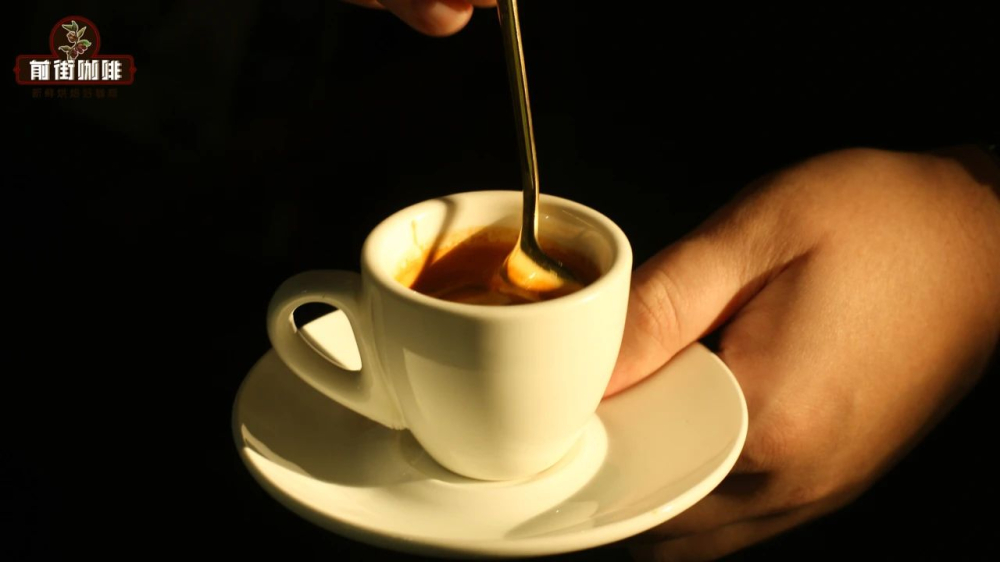
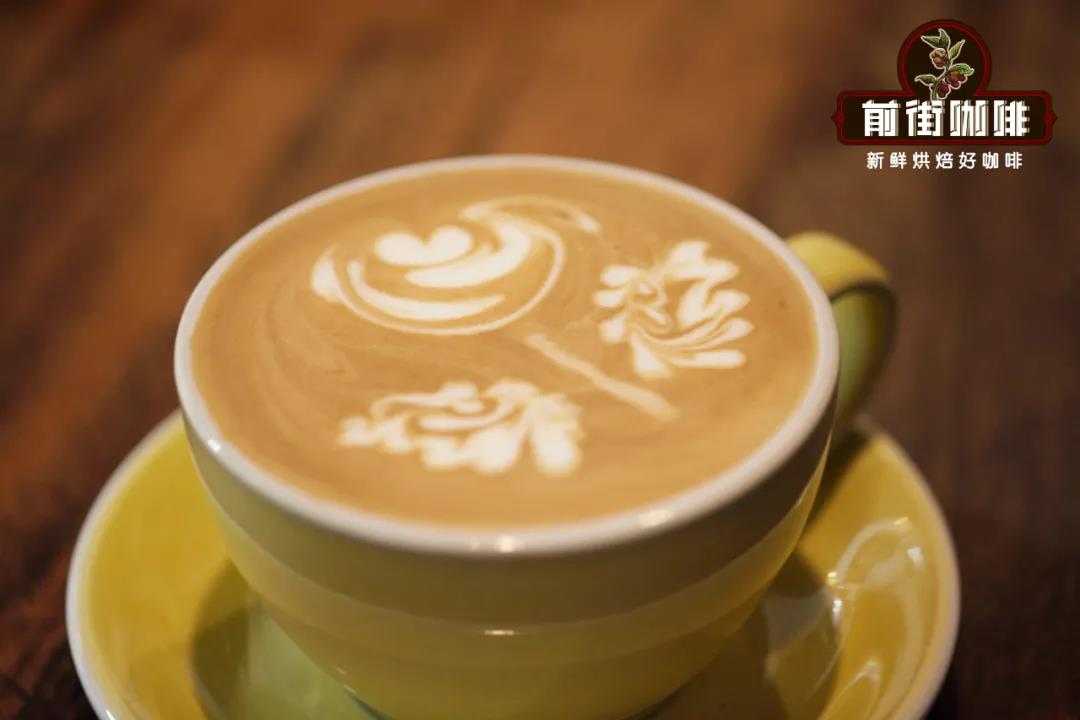
This type of coffee is characterized by its intense, layered profile, often delivering a pronounced bitterness and rich aroma, which is why many people add sugar or milk to balance it out. As such, espresso has become the base for many classic coffee drinks, such as cappuccino, latte, and caramel macchiato, all of which are variations derived from it.
[Americano: Diluted Espresso Flavor]
Although commonly mistaken as an American invention, the Americano actually originated during World War II when U.S. soldiers, trying to adapt to the strong taste of espresso, began adding hot water to dilute it. This adjustment not only reduced the intensity of the espresso but also made the flavor more balanced and easier to drink.
Within the category of espresso-based drinks, Americano can be further divided into Americano, Long Black, and Lungo. Typically, an Americano is made by adding a large amount of hot water directly to espresso, resulting in a larger cup size but potentially diluting some of the crema. A Long Black is made by pouring hot water first and then adding espresso, helping to preserve more crema and aroma. A Lungo, on the other hand, involves extending the extraction time to 30–60 seconds without adding extra water, increasing the liquid volume to around 60 ml. It tends to have a fresher flavor but remains relatively strong in concentration.
[Pour Over: A Meticulous Exploration of Flavor]
With the rise of the third wave coffee movement, pour over has gradually become the preferred method for coffee enthusiasts who enjoy exploring nuanced flavors. This brewing method emphasizes precise control over every parameter, including water temperature, flow rate, coffee grind size, and pouring technique, with the goal of highlighting the intrinsic flavor characteristics of the coffee beans.
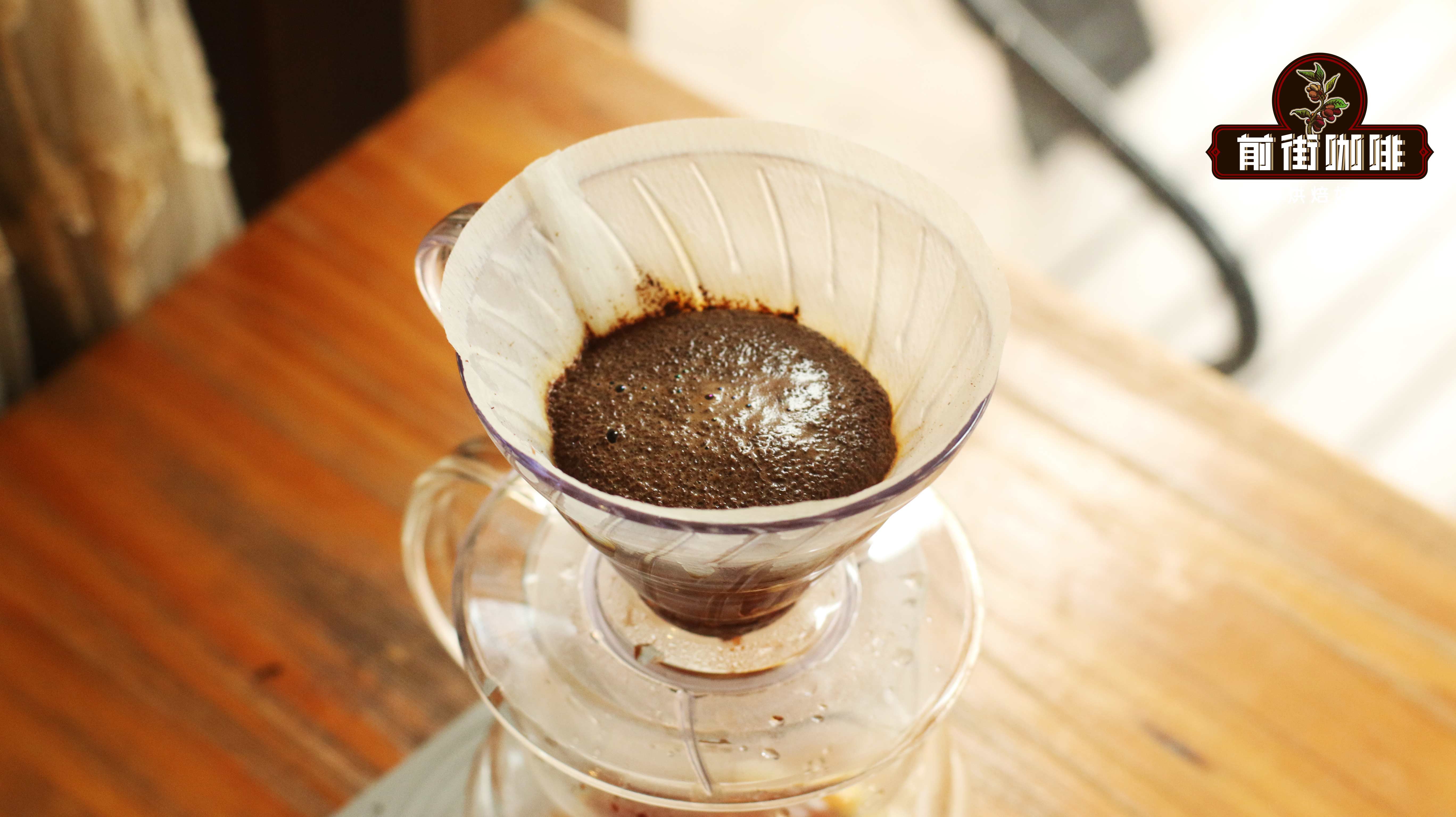
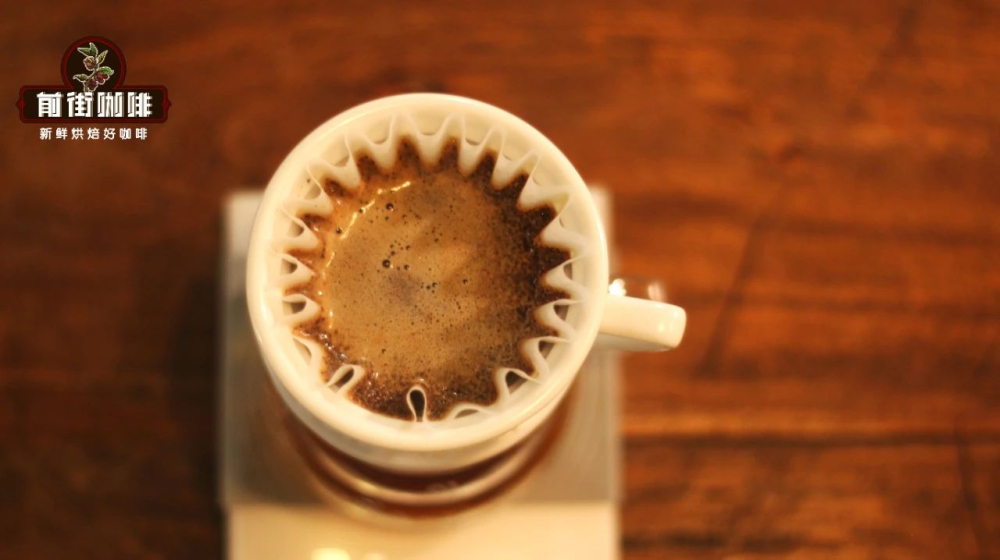
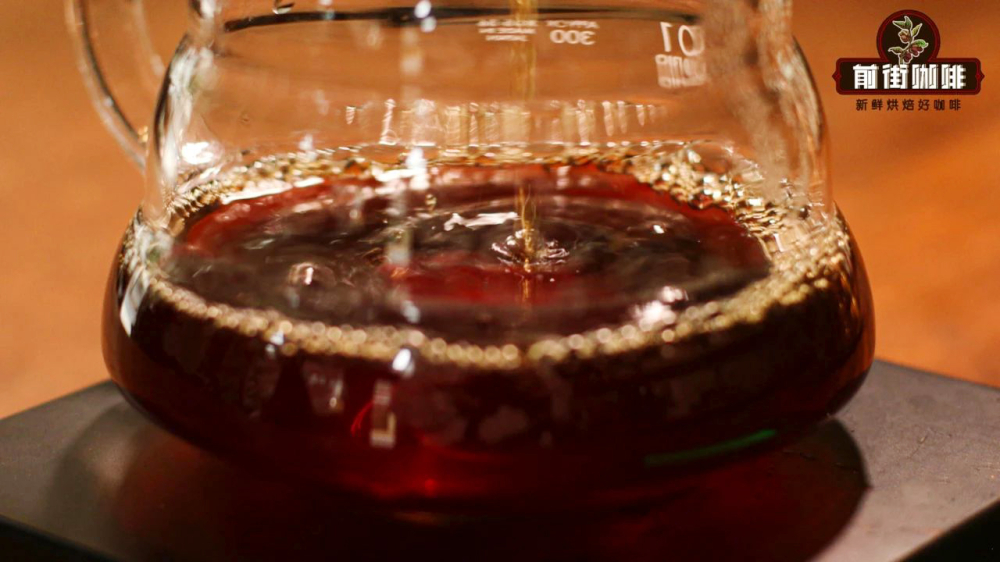
The pour over process can be broken down into three stages: first is the "bloom," where a small amount of hot water allows the coffee grounds to expand and release volatile aromas; next is the "extraction" phase, where hot water draws out the acids, sugars, oils, and other soluble compounds from the coffee; finally comes the "diffusion and ratio adjustment," where subsequent pouring controls the overall balance of extraction. Each step directly influences the final flavor, making it a brewing method with a relatively higher technical barrier.
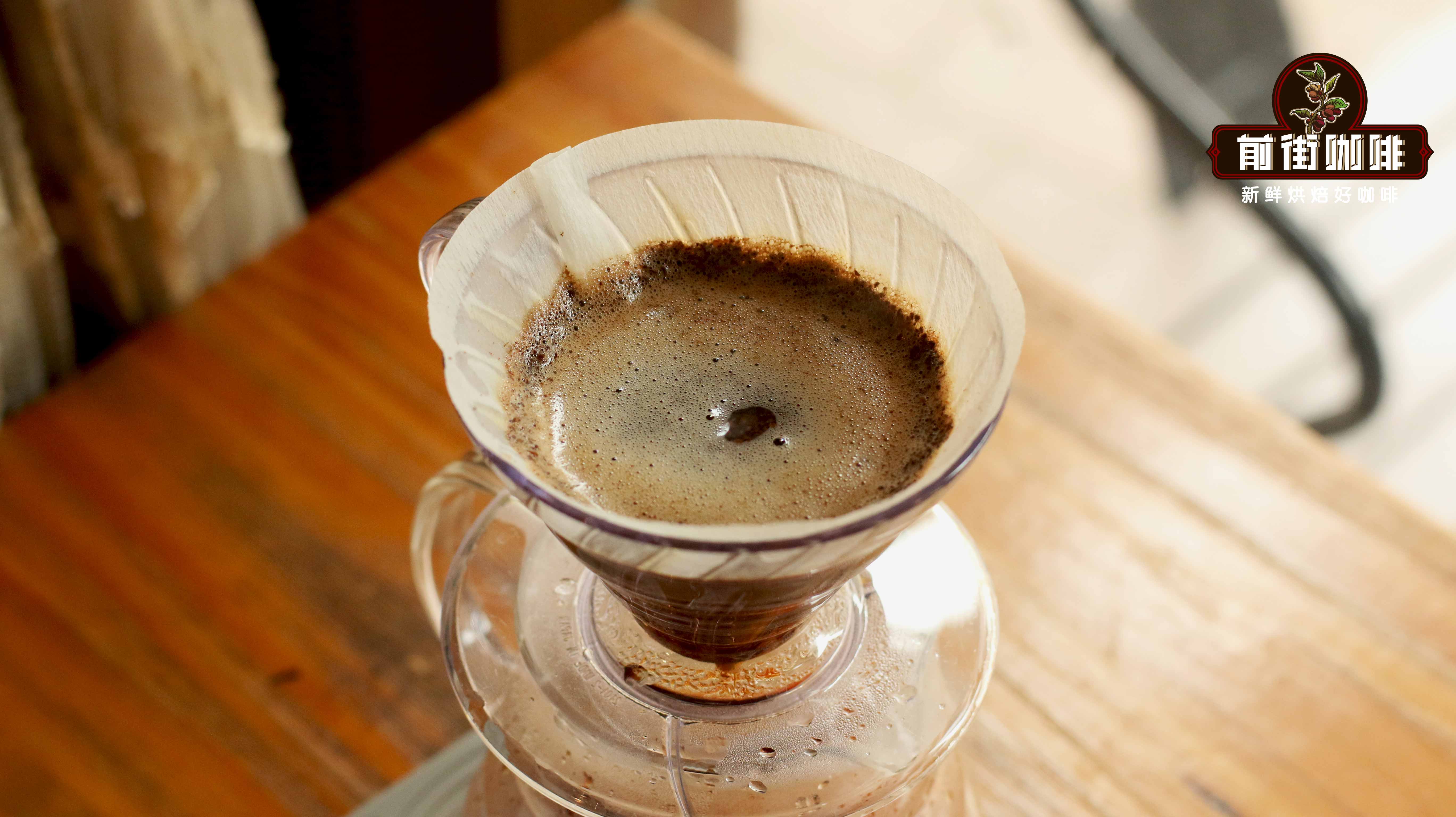
[Practical Example: Pour Over Techniques for Golden Mandheling]
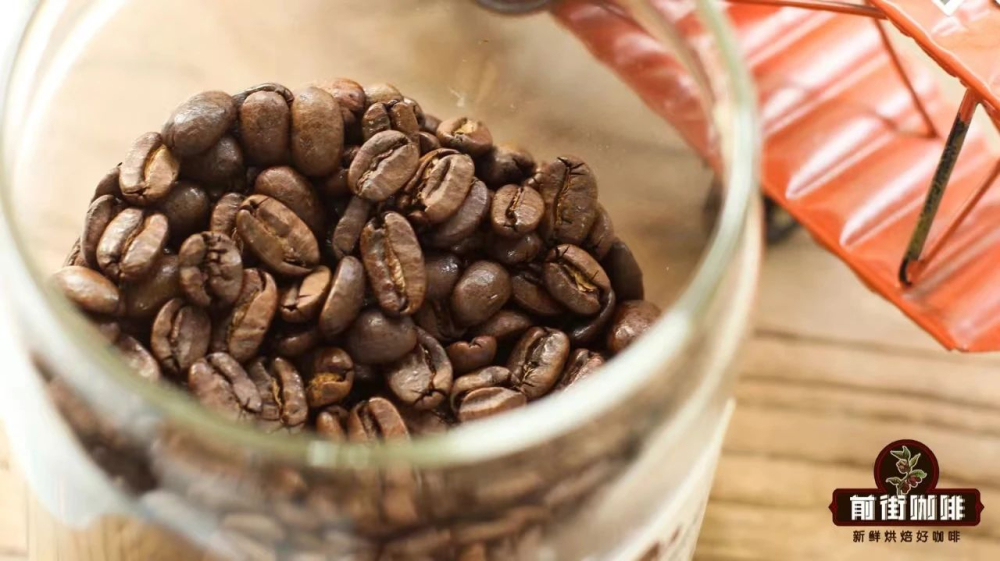
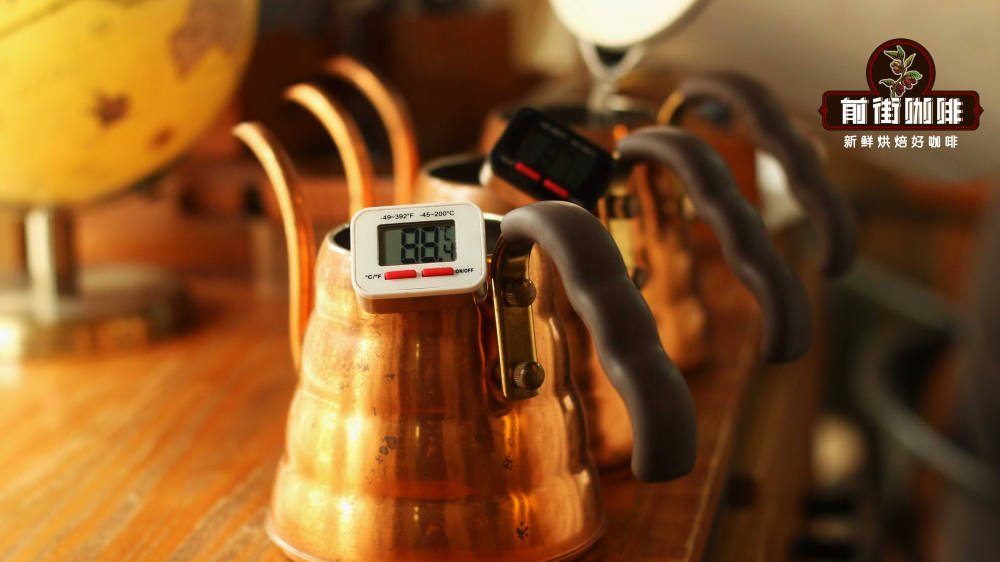
Take Indonesia’s “Golden Mandheling” as an example. This medium-dark roasted coffee bean features complex aromas of nuts, dark chocolate, and spices, with a full-bodied mouthfeel and a sweet aftertaste, making it a classic choice among pour over enthusiasts. When brewing, filters like the Kono or a cone-shaped cake dripper are often used, as their flat-bottom design allows for more even absorption of water by the coffee grounds, enhancing the overall body. It's recommended to use a medium-coarse grind (approximately 70% through a #20 sieve), with water temperature controlled at 87–88°C, a 1:15 coffee-to-water ratio, and a total of 15 grams of coffee. A three-stage pouring method is advised: the first stage (bloom) uses 30 ml of water, the second stage uses 100 ml, and the final stage uses 95 ml, fully showcasing the layers and sweetness of this coffee.
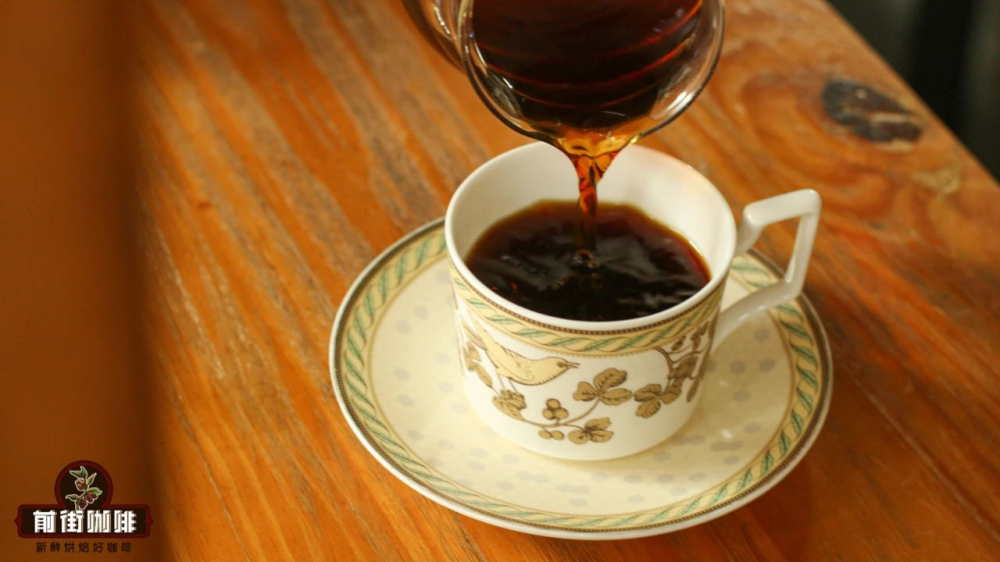
Whether you prefer the intensity of espresso, the balance of Americano, or the delicacy of pour over, these three coffee types each have their unique traits and are suited to coffee drinkers at different stages of exploration. From the energizing shot of espresso to the leisurely enjoyment of hand drip, choosing the cup that best suits your taste is the perfect starting point for entering the world of coffee.
The above content is compiled by CoffeeHunters, a coffee news website.


