







Introduction:Although freshly roasted coffee beans have high flavor potential, improper degassing may affect extraction performance and taste. This article delves into why "bean aging" and "coffee blooming" are necessary, explores the differences between them, and provides practical operational tips to help you grasp the optimal brewing timing and enhance the performance of every cup of coffee.
In the world of specialty coffee, the pursuit of an exceptional flavor experience often begins with choosing freshly roasted coffee beans. However, many coffee enthusiasts may have encountered this situation: just after receiving beans that were roasted not long ago, the brewed coffee gives off a strong smoky or overly sharp smell, which is actually closely related to the carbon dioxide inside the coffee beans.

Generally speaking, we’ve all heard of the step known as "bean aging." Bean aging refers to letting freshly roasted coffee beans rest for a period, usually within 0 to 2 days after roasting, allowing the beans to naturally release the large amount of carbon dioxide accumulated internally. This way, during subsequent extraction, flavors can be released more smoothly, and gas interference with water flow and extraction evenness can be avoided.
However, in addition to traditional bean aging, another practice has gradually gained attention in recent years: "coffee blooming." This method involves grinding the coffee beans into powder before brewing and letting the grounds sit at room temperature for several minutes or even up to a full day, thereby accelerating the release of carbon dioxide. This practice is believed to allow the coffee grounds to release aromatic compounds more evenly during extraction, thereby enhancing overall flavor performance.
So why is such a "coffee blooming" procedure needed? The key lies in the complex chemical and physical reactions triggered by the roasting process, the most important of which is the so-called "Maillard reaction." During this process, the coffee beans not only form numerous flavor compounds but also accumulate a large amount of carbon dioxide. Freshly roasted coffee beans often carry a strong smoky taste and sharp sensation, precisely because the internal gases are not yet stable. If brewed directly at this stage, the gases will be released in large quantities along with the hot water, hindering sufficient contact between the water and the coffee grounds and resulting in uneven extraction and flavor loss.
To address this, many people adopt the approach of "bean airing," which means opening the coffee bean packaging and allowing it to come into contact with air, thereby naturally accelerating the emission of carbon dioxide. The time required for bean airing varies depending on the roast level of the beans and their intended use, typically ranging from a few hours to a day. However, since coffee beans are still in their whole, intact state, their structure remains relatively sealed, and the rate of carbon dioxide release is limited. Exposing them for too long can also lead to the absorption of ambient odors or moisture, affecting the final flavor.

That’s precisely why some coffee enthusiasts suggest going a step further and grinding the beans directly, using the significantly increased surface area to accelerate gas release. Ground coffee beans have a dramatically larger contact area with air, so the release of carbon dioxide is naturally faster, allowing the beans to reach a more extraction-friendly state in a short time. However, this method also carries certain risks, as the aromatic compounds in ground coffee will also evaporate more quickly. If timing is not properly managed, it may lead to flavor loss, resulting in more harm than good.
So, do coffee beans that have already undergone several days of natural degassing still need an additional "blooming" step? The answer is usually: no. For example, if the coffee beans you received were roasted 3 to 5 days ago, by that time the beans have mostly completed their main degassing phase and can be directly ground and brewed to enjoy their optimal flavor expression.
However, if the coffee beans you receive were roasted within 3 days, and you notice a pungent or overly intense roasty smell upon grinding, or experience a dry, unbalanced, and sharp taste after brewing, then "coffee blooming" might be a worthwhile emergency solution to try.
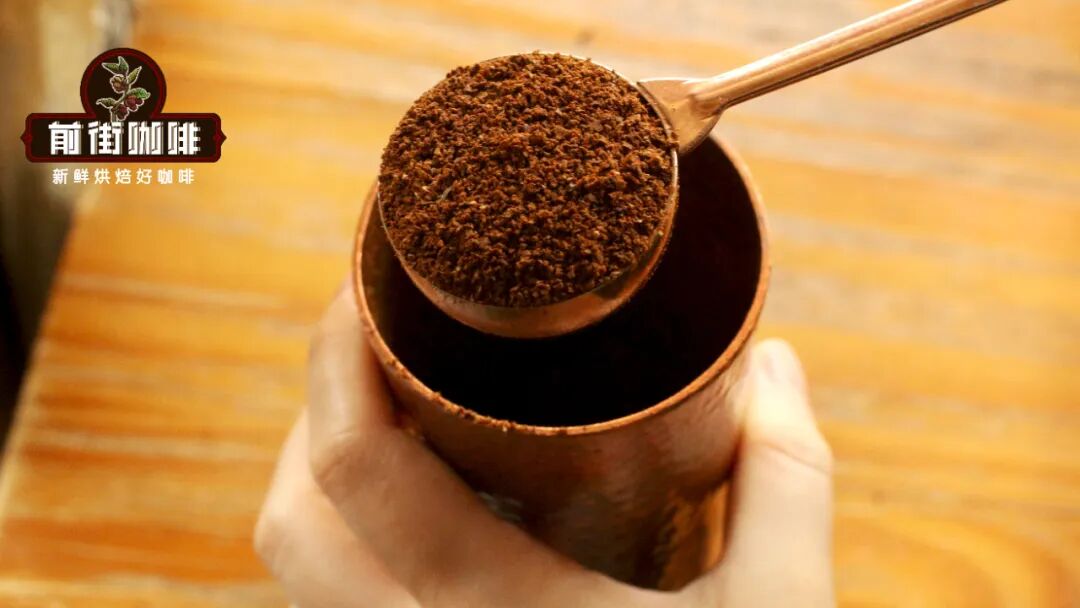
When performing coffee blooming, it is recommended to proceed gently to avoid excessive exposure leading to aroma loss. First, grind the coffee beans to the appropriate coarseness for your brewing method, then lightly cover them with a lid or clean container to prevent dust or foreign objects from entering. Next, let the coffee grounds sit at room temperature for about 5 to 20 minutes, during which it is advised to check the aroma every 4 to 5 minutes and observe any changes. When the smell of the coffee grounds transitions from initially sharp and intense to clear and mellow, it is the optimal time to begin extraction.
The above content is compiled by CoffeeHunters, a coffee news website.

