







Introduction:Espresso (Italian for "espresso coffee") is the foundation of many coffee beverages, but do you know its true definition and brewing principles? This article delves into the etymology of Espresso, its extraction techniques, standard parameters, and how to precisely control it from a single shot to a double. It also introduces you to various classic coffee drinks derived from Espresso, including lattes, cappuccinos, and Dirty coffees, explaining their characteristics and differences to help you fully grasp the world of concentrated coffee.
Espresso, translated into Chinese as "意式濃縮咖啡" (Italian-style concentrated coffee), is a rich coffee beverage made through high-pressure extraction. Its production relies on a professional espresso machine, where near 94°C hot water is forced through extremely finely ground coffee at around 9 bar of pressure, extracting a concentrated and flavor-intense coffee liquid. This extraction method not only maximizes the release of coffee aroma and flavors but also forms a unique layer of coffee crema in a short time.
 "
"
The word Espresso originates from Italian, being the past participle of the verb esprimere (to express or to press out), with its Latin root exprimō meaning "to squeeze out." Additionally, some linguists note that the pronunciation of Espresso is similar to the English word "express," which conveys the idea of "fast." This aligns perfectly with its two main characteristics: short extraction time and highly concentrated efficiency, producing a high-flavor coffee liquid in just a few dozen seconds. These dual traits make Espresso a foundational pillar of modern coffee beverages.
 "
"
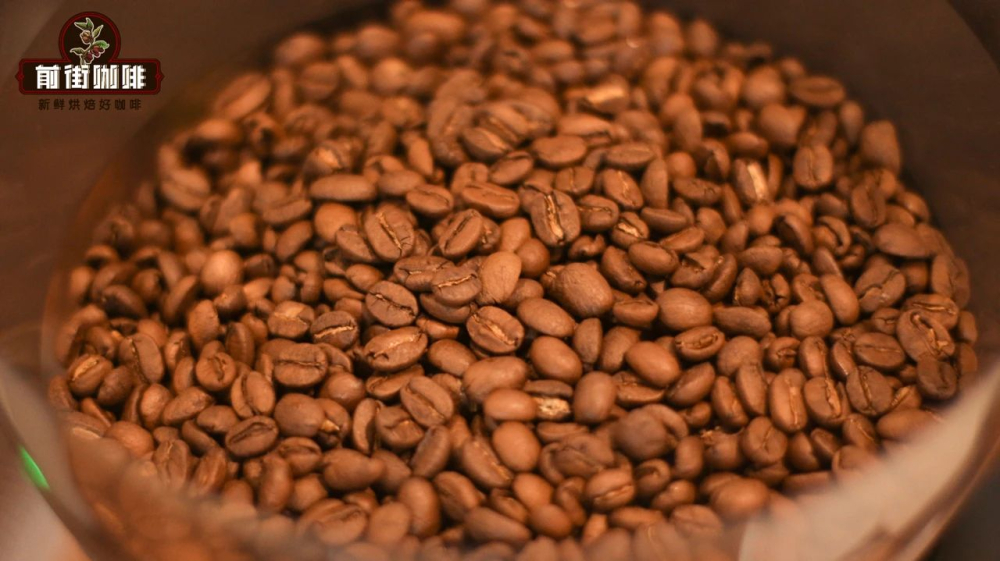
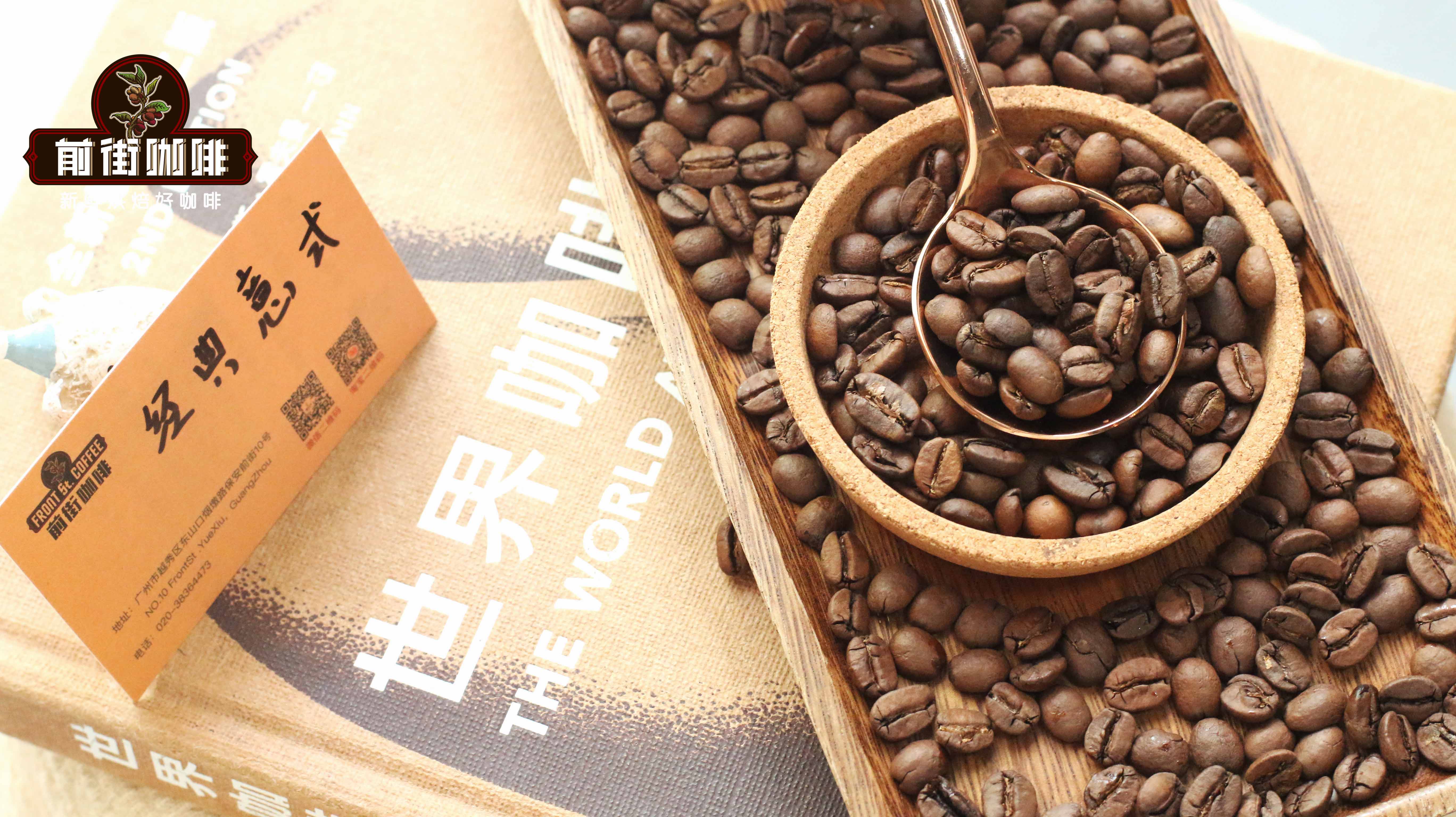
To make a high-quality Espresso, selecting the right coffee beans is crucial. Generally, to ensure stable and balanced flavors, many coffee shops opt for blended beans (Blended Beans). Blending involves combining coffee beans from different regions, adjusting them in specific proportions based on their acidity, sweetness, body, and other characteristics. This approach not only complements the strengths and weaknesses of beans from various origins but also maintains consistency in output despite yearly climate-induced variations in bean profiles. Moreover, blended beans often offer better cost-performance and are a daily favorite among many coffee enthusiasts.
 "
"
In actual extraction, Espresso follows a set of common standard parameters. For a single shot (Single Shot), it typically uses 10 to 11 grams of coffee grounds, aiming to extract 20 to 25 grams of coffee liquid, with the entire process taking about 22 seconds. For a double shot (Double Shot), 18 to 20 grams of coffee grounds are used to extract 35 to 40 grams of coffee liquid, taking roughly 29 seconds. While these values can be slightly adjusted, they are benchmarks validated by long-term practice and help control the concentration and flavor balance of the extraction.
 "
"
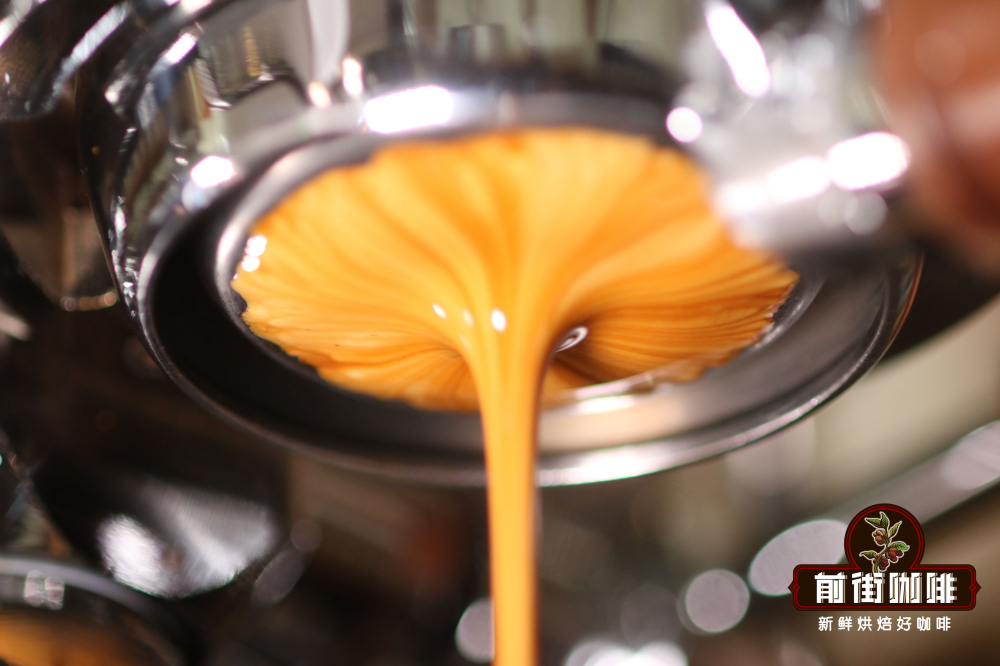
The key to extracting Espresso lies in fine grinding and high-pressure water flow. Using extremely fine coffee grounds increases the contact area between water and coffee, thereby improving extraction efficiency. Under pressures as high as 9 to 10 bar, hot water rapidly penetrates the coffee bed, releasing abundant flavor compounds and oils. A successful extraction will result in coffee liquid with a honey-like flow texture, with colors ranging from dark reddish-brown to bright golden. As the coffee liquid drips, it is covered with a fine layer of golden foam—widely known as Crema—formed by the emulsification of carbon dioxide and oils in the coffee under pressure. This is one of the important indicators of whether an Espresso is successfully brewed.
 "
"
As a quintessential representation of concentrated coffee, Espresso also serves as the base for many classic coffee drinks. For example, a latte (Caffè Latte) is made by adding a large amount of steamed milk to one or two shots of Espresso. "Latte" in Italian means "milk," so this drink is essentially composed mainly of coffee and milk. An Americano, on the other hand, is made by adding hot or iced water to Espresso to adjust its concentration and flavor. The ratio of water can be tailored to personal taste, making it a simple yet versatile way to enjoy coffee.
 "
"
If you enjoy flavors that balance sweetness with bitterness, a mocha might be your choice. It builds upon Espresso by adding chocolate syrup or cocoa powder, along with steamed milk, delivering a strong chocolate aroma with a hint of coffee bitterness—beloved by many chocolate enthusiasts. A cappuccino combines Espresso, steamed milk, and a generous layer of foam, with all three elements in similar proportions, creating a distinctly layered mouthfeel. Its name is said to derive from the color of the robes worn by Italian Franciscan monks, symbolizing its visual characteristics.
 "
"
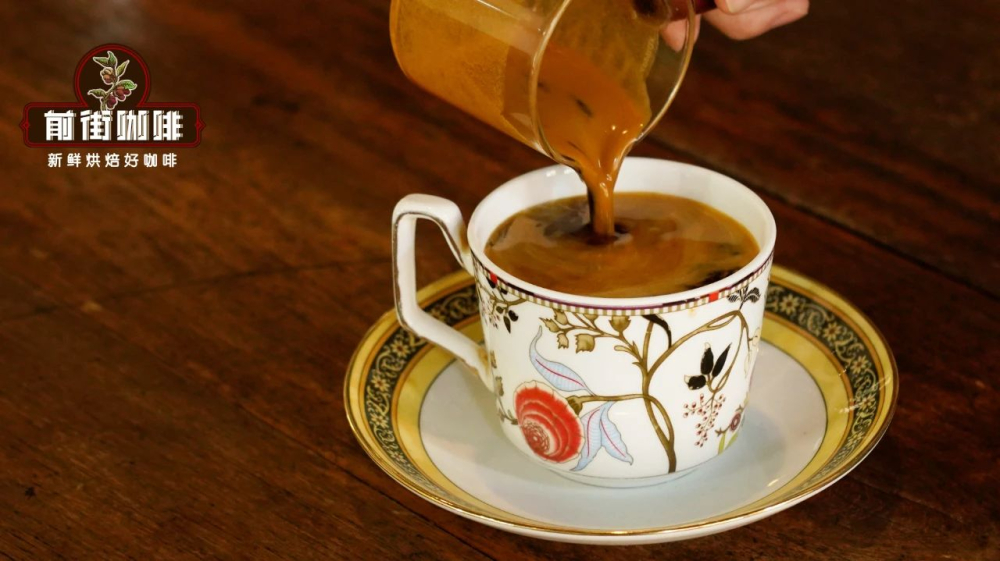
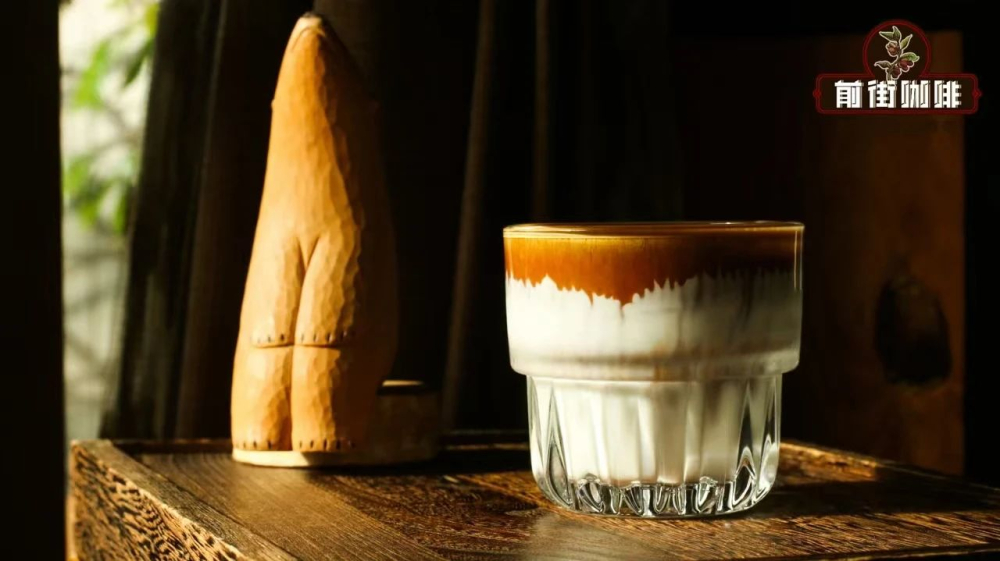
If you prefer milk coffees with a more pronounced coffee flavor, Flat White (also known as Australian-style white coffee) could be ideal. It has a lower proportion of milk compared to lattes and cappuccinos, allowing the Espresso flavor to shine more prominently, with a smoother and creamier texture. Dirty coffee, meanwhile, is a beverage full of visual and flavor contrasts: a double shot of Espresso is poured directly into a glass of iced milk, using the temperature difference between hot and cold along with gravity to let the coffee slowly seep into the milk, forming a unique gradient effect. It’s recommended to drink it straight without stirring to experience the layered flavor changes.



The above content is compiled by CoffeeHunters, a coffee news website.


